

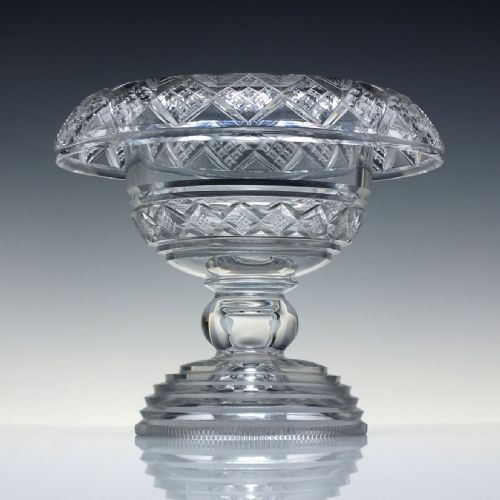


Stepped Base Pedestals
Stepped base pedestals elevate objects through tiered structural planes, offering architectural gravitas and a sturdy platform for display.
Stepped Base Pedestals
When buyers search for stepped base pedestals, they encounter an architectural form that anchors vertical furniture and display objects through tiered rectilinear or circular foundation steps. These tiered footings lift urns, columns, and tables above floor or tabletop level, creating a distinct sense of progression from the ground upward.
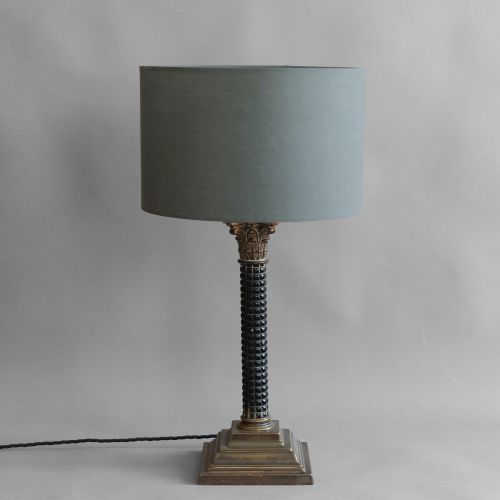
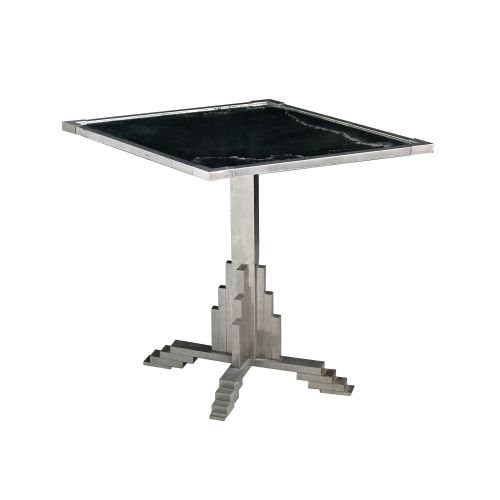
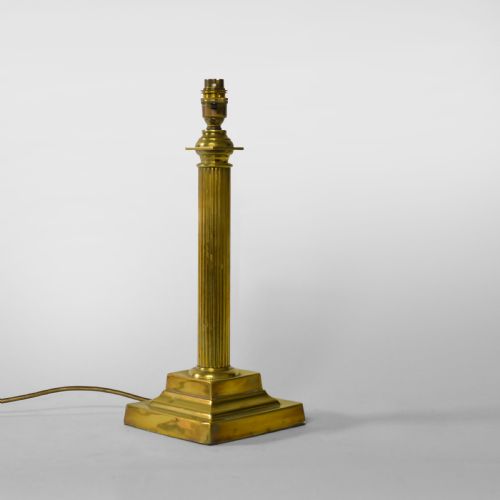
The evidence shows these tiered foundations supporting items ranging from French rouge marble columns and spelter campana urns to cast iron café table bases and American Art Deco mirrored top side tables. Such forms span periods from the Georgian era and Victorian Classical Revival through to the 1920s and 1930s Art Deco movements.
Materials and construction
Makers construct these tiered forms using metals such as brass, silver plate, cast iron, and chrome plated metal alongside dense natural stones like rouge marble. Metal components are cast or spun, while marble and wood elements rely on precision cutting and polishing to create clean horizontal tiers.
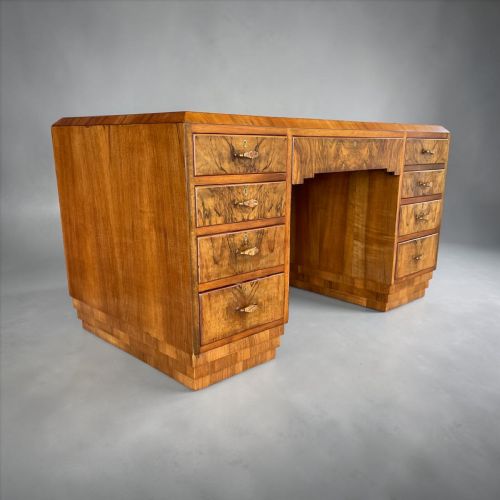
The combination of mirrored glass, fabric, and burr walnut in select items demonstrates a diverse material palette geared toward tactile and visual contrast. Structural weight is concentrated in the lower tiers to ensure stability for tall columns or heavy decorative urns placed above.
Listings feature items spanning the Georgian, Victorian, and Art Deco eras, constructed from brass, marble, burr walnut, and cast iron.
Judging quality in stepped supports
Quality rests in the precision of the stepped tiers and the selection of materials, where crisp geometric transitions distinguish superior work from softer castings. The proportion between the weight of the base and the height of the supported object determines the visual balance.
The integration of materials such as heavy cast bronze, solid marble, or thick cut glass elevates a piece above lighter plated alternatives. Masterful finishing of joints and surface patination further separates standard production items from finer examples.
The Stepped Base Pedestals Glossary
- Stepped plinth
- A base composed of receding or protruding horizontal tiers that elevate a sculpture, column, or furniture piece. This architectural detail adds visual weight and stability to the composition.
- Campana urn
- A bell-shaped classical vessel often mounted upon a square or tiered pedestal base. Originating in antiquity, these decorative urns gained renewed popularity during the nineteenth century.
- Corinthian column
- An upright architectural shaft topped with an ornate capital carved with acanthus leaves. Such columns frequently terminate in stepped square bases.
- Spelter
- An alloy of zinc and lead used as a cost-effective alternative to bronze for decorative castings. It is often painted or electroplated to simulate superior metals.
Stepped Base Pedestals: Frequently Asked Questions
What is a stepped base pedestal used for?
These tiered foundations provide physical support and visual elevation for decorative objects, lighting, and small tables. They distribute weight evenly while drawing the eye upward toward the main object.
In domestic settings, they function both as structural table bases and as standalone display plinths for urns, lamps, and architectural fragments.
How do I date a stepped base piece?
Dating relies on material selection, casting methods, and stylistic cues present in the tiered profile. Georgian and Victorian examples favour classical column motifs and heavy brass or marble, whereas 1920s and 1930s pieces utilise streamlined geometry and chrome.
Examining the underside, fixing bolts, and tool marks provides further confirmation of the period of manufacture.
Where should I place these in a room?
These pieces suit placement where vertical emphasis is needed, such as in corners, on sideboards, or as central table supports. Their architectural lines complement both period interiors and modern minimalist spaces.
Ensuring adequate clearance around the stepped footings allows the profile of the base to be fully appreciated.
Are marble and metal bases fragile?
Natural stone and cast metals possess inherent structural durability but require sensible handling to prevent chipping along sharp stepped edges. Marble can stain or scratch if exposed to acidic substances or unpadded objects.
Regular dusting with a dry cloth preserves the finish of both the metal patination and the polished stone surfaces.