

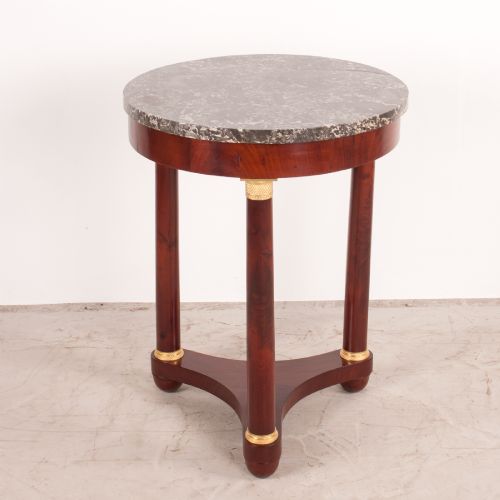
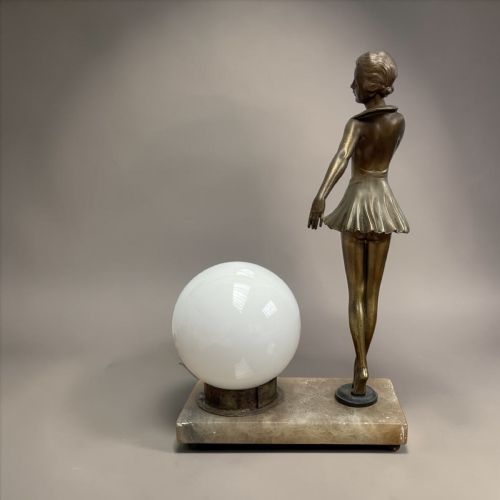
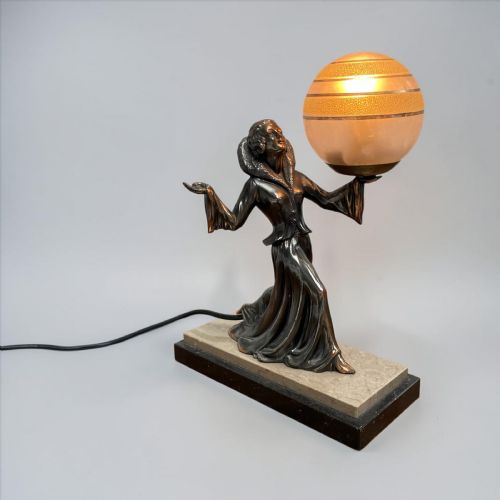
Antique Marble Lamp
An antique marble lamp brings substantial weight and refined mineral patterns into a room, combining solid stone bases or columns with period metalwork.
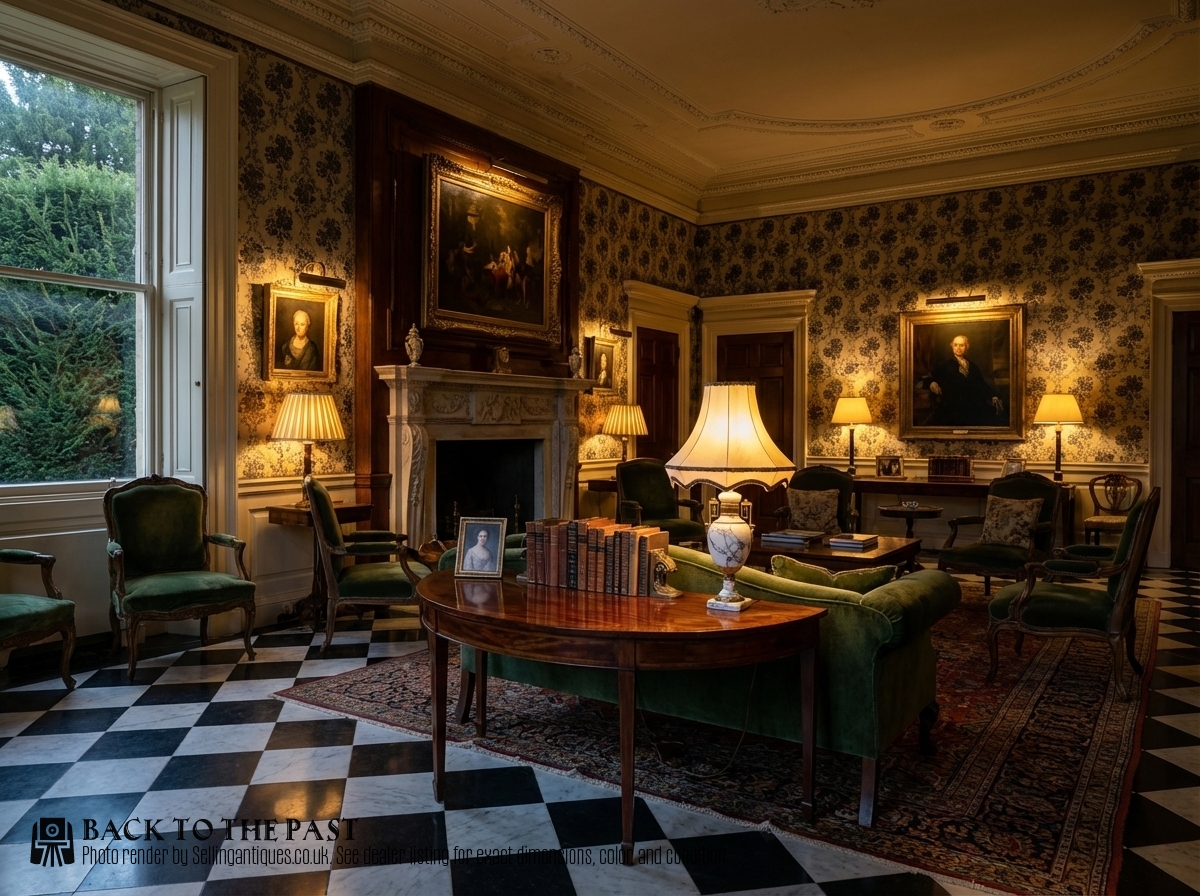
Antique Marble Lamp
When you search for an antique marble lamp, you encounter pieces spanning from the Victorian era through the Art Deco period, encompassing both dedicated lighting and small tables designed to hold lamps.
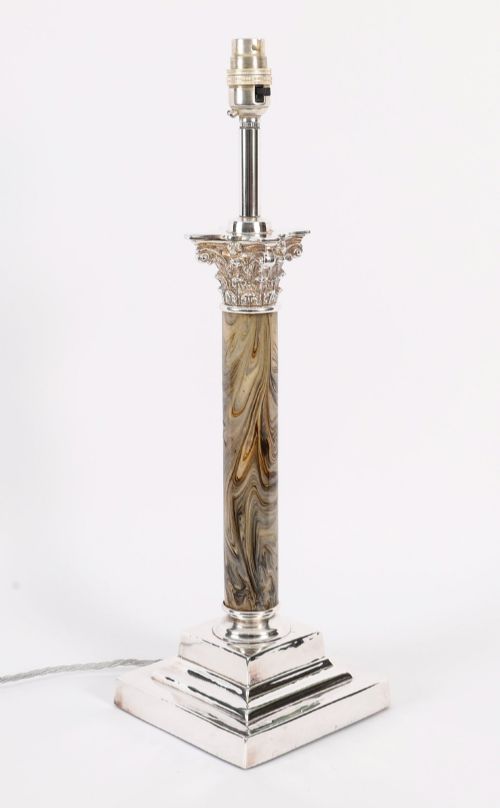
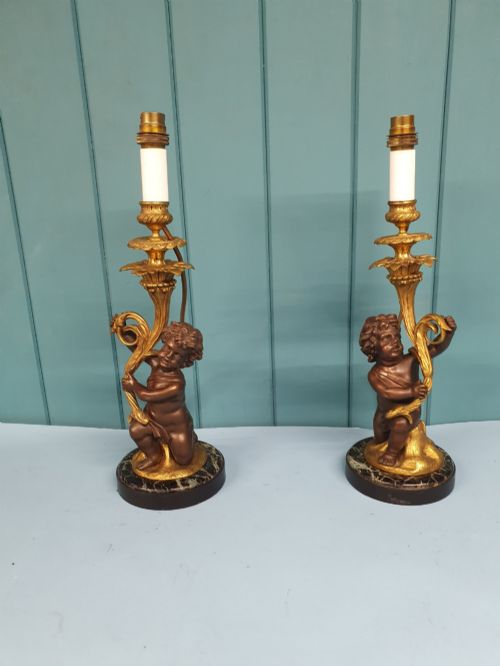
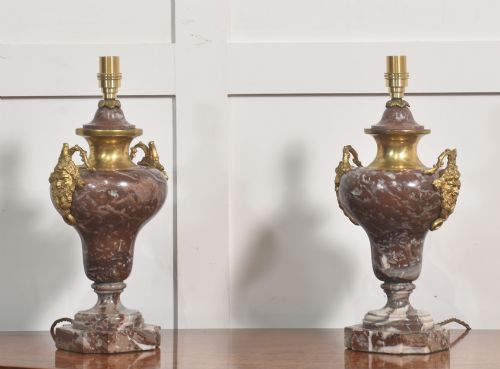
The selection ranges from Corinthian column table lamps in white or green marble to French ormolu-mounted urns and novelty Art Deco figures resting on stone bases.
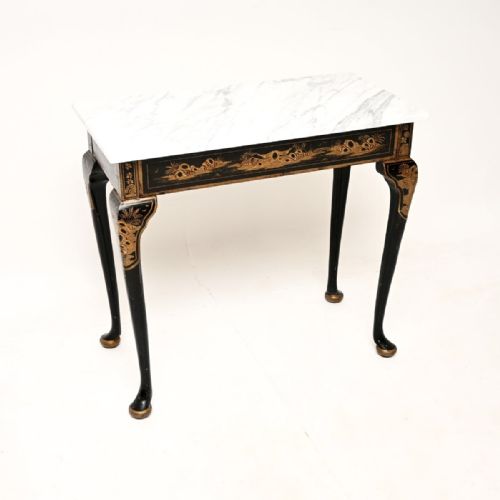
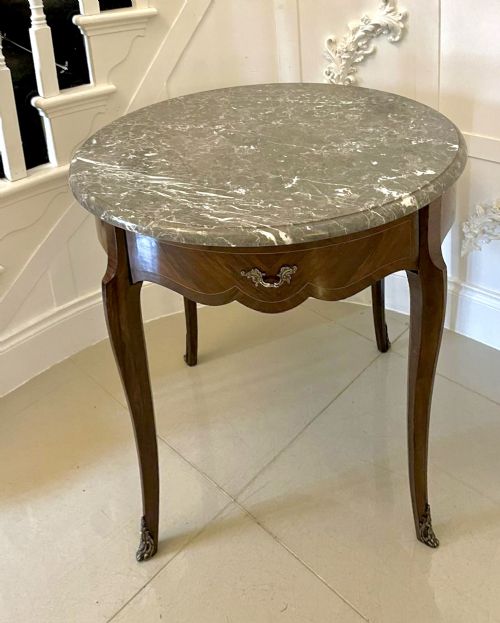
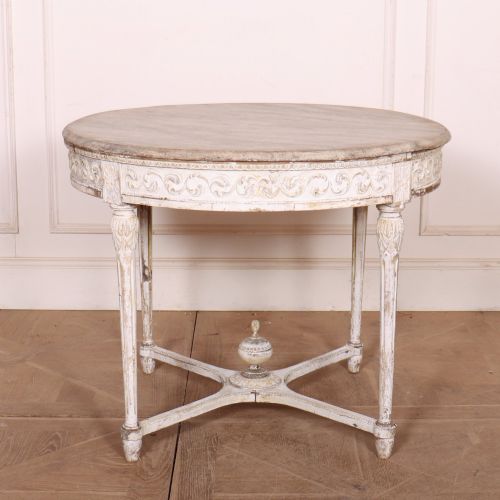
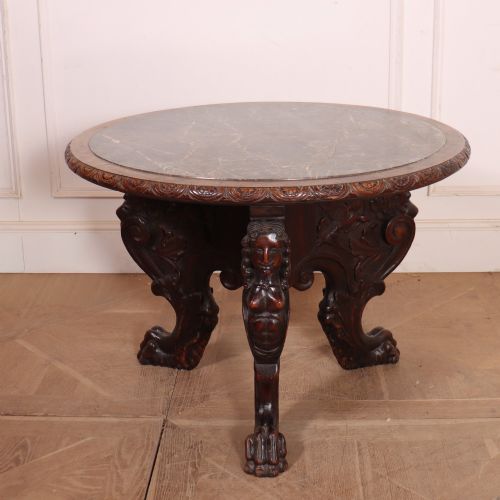
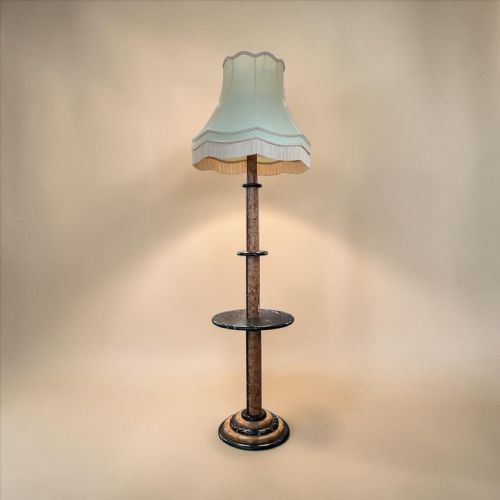
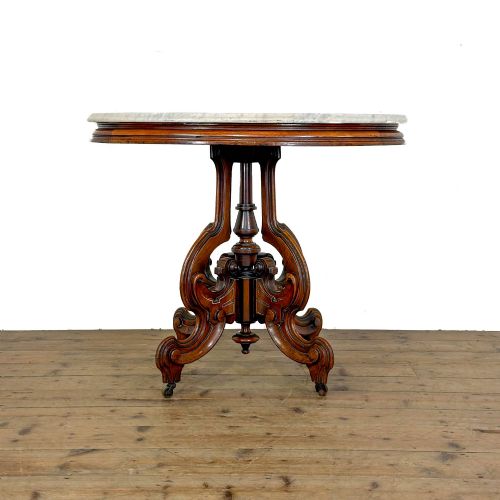
Many listings also feature standard lamps and floor lamps alongside occasional tables topped with marble, reflecting how nineteenth and early twentieth-century interiors utilised these dense materials for stability and display.

Materials and construction
The foundation of these pieces relies on quarried stone such as white, rouge, or verde marble, frequently paired with cast brass, gilt bronze, or ormolu mounts.
Joinery and structural integrity involve heavy turning, internal metal rods securing stacked stone sections, and meticulous marquetry or carving on supporting wooden elements like mahogany and kingwood.
Antique Marble Lamp Retail Price Guide 2026
Typical asking prices for marble lamp among the pieces listed under this phrase on Sellingantiques today, from the lower quarter to the upper quarter. They describe what is for sale here now, not the wider market.
Several Art Deco lamps feature sculpted dogs and parrots keeping silent watch over the switch.
Distinctions in execution
Quality reveals itself in the choice and cut of the stone, where lively veining and uniform polishing elevate a piece far above plain or heavily repaired blocks.
The refinement of the cast metal mounts - whether crisp ormolu chokers, detailed acanthus capitals, or solid bronze figures - distinguishes standard production items from workshop pieces created with greater artistic ambition.
James Shoolbred
The Antique Marble Lamp Glossary
- Ormolu
- Gilded bronze mounts applied to furniture and lighting fixtures. This technique was widely utilised in French Empire and Neoclassical designs.
- Cassolette
- A decorative vase or urn fitted with a reversible lid, allowing it to function as a perfume burner or remain solid as a lamp base. These often feature in nineteenth-century French pieces.
- Gueridon
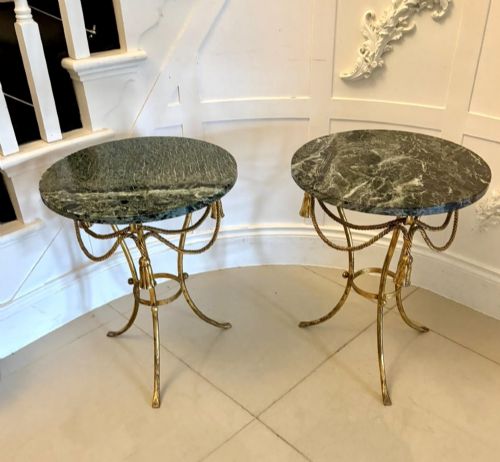
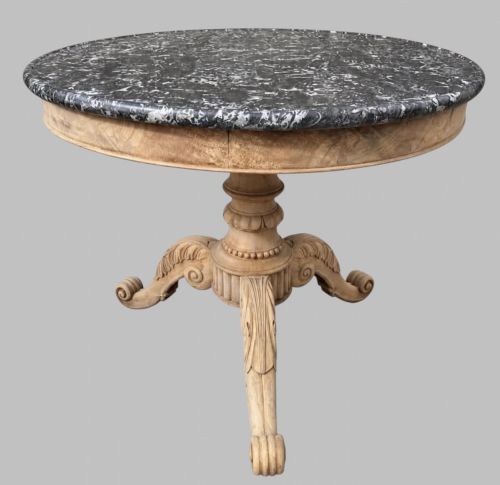
- A small round table, frequently topped with marble and supported by a central pillar or tripod base. Originating in France, they often doubled as lamp tables.
- Specimen marble
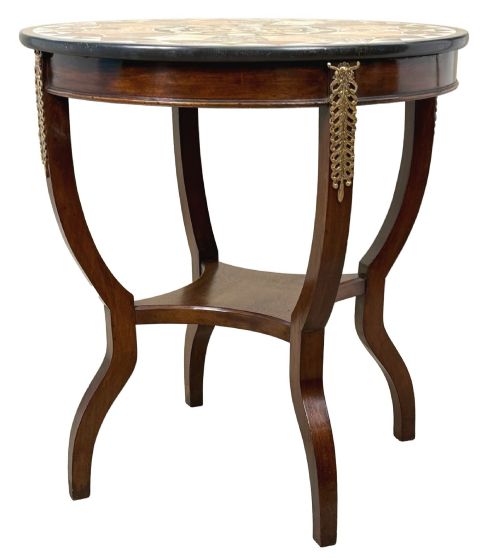
- Stonework composed of various coloured mineral fragments inlaid to create a geometric or pictorial surface. It appears on occasional and centre tables from the Victorian period.
- Corinthian column
- An architectural column style featuring ornate acanthus leaf capitals. These frequently form the main shaft of nineteenth-century table lamps.
Antique Marble Lamp: Frequently Asked Questions
How do I identify a Victorian marble lamp?
Victorian examples often favour architectural forms such as Corinthian columns, frequently combining white or dark stone with heavy brass or silver-plated components.
Look for nineteenth-century construction methods, including threaded central rods and patinated metal parts that show genuine age.
What is the difference between an Art Deco and a French Empire marble lamp?
French Empire pieces draw heavily on classical antiquity, displaying symmetrical bronze mounts, urn shapes, and strict Neoclassical proportions.
Art Deco lamps embrace stylised animal or human figures, geometric alabaster or marble bases, and streamlined profiles typical of the 1920s and 1930s.
How were marble lamp tables used historically?
These small tables served primarily as stable surfaces for oil lamps and candles in sitting rooms and bedrooms, preventing tipping thanks to the heavy stone top.
They also functioned as bedside chests or gueridons for display in grand nineteenth-century interiors.
How should I care for an antique marble base?
Clean the stone gently using a soft, dry cloth or a slightly damp sponge without harsh chemical detergents that can etch the polished surface.
Ensure metal mounts are dusted carefully and avoid placing lamps in areas subject to excessive moisture or sudden temperature changes.