

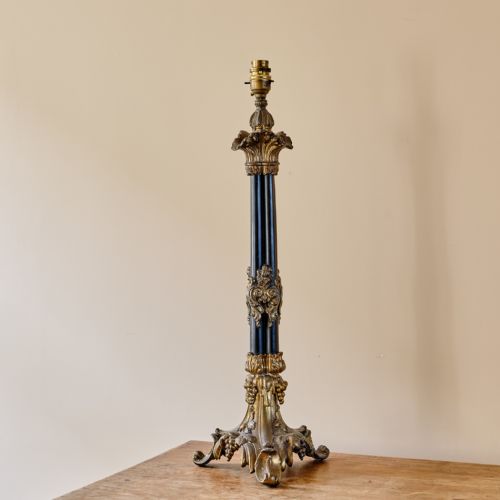
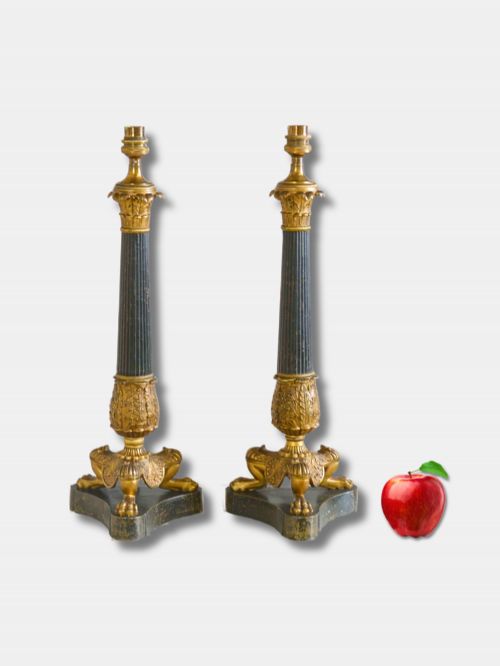
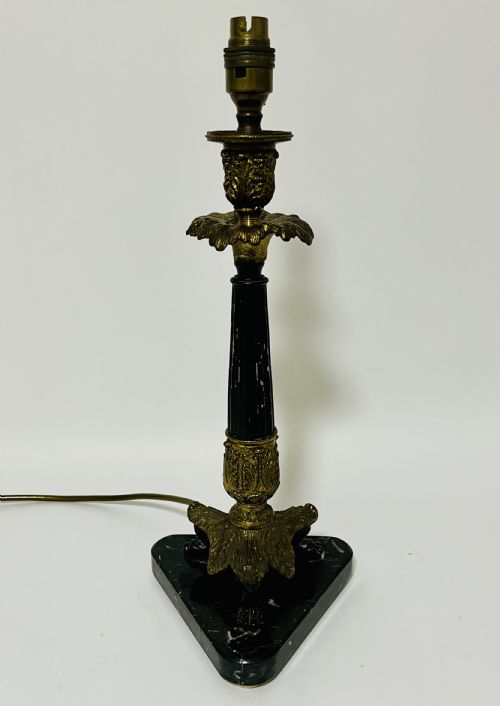
Ormolu Desk Lamp
An ormolu desk lamp brings unmistakable golden warmth and architectural presence to a room, combining cast metalwork with period French or English styling.
Ormolu Desk Lamp
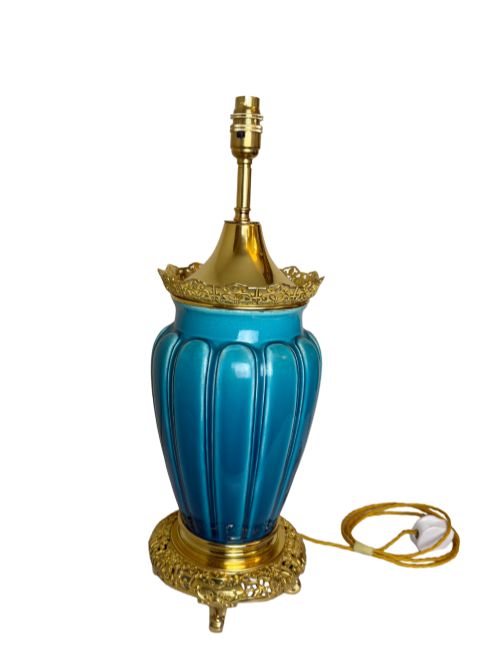
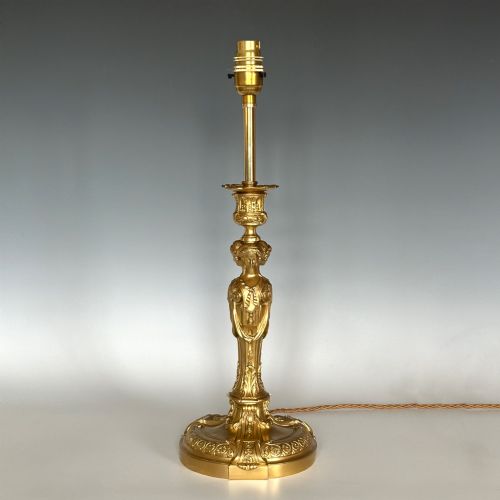
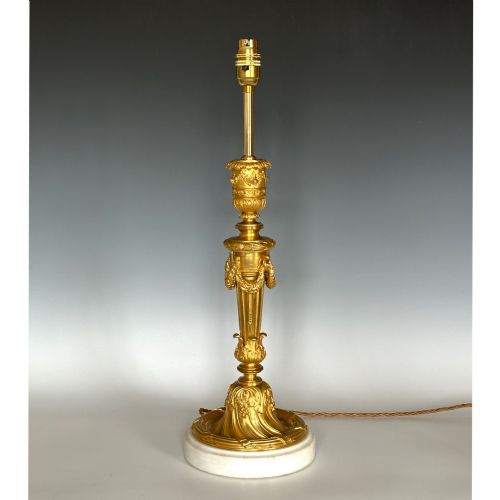
When you search for an ormolu desk lamp, you encounter lighting fixtures shaped by nineteenth-century tastes, often following Louis XVI, Rococo, or Empire design principles. These pieces frequently incorporate metal bases alongside materials like marble, porcelain, or onyx.
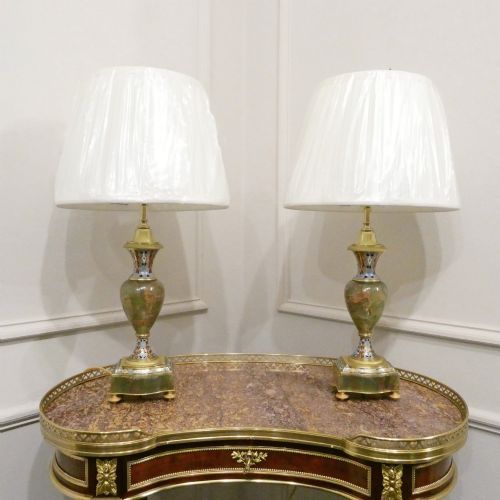
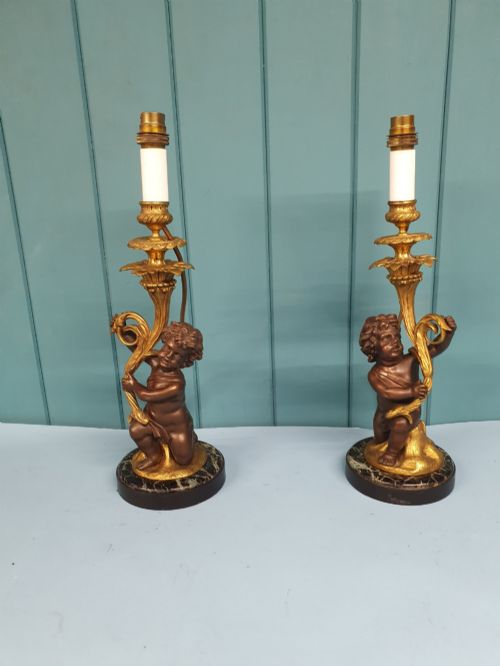
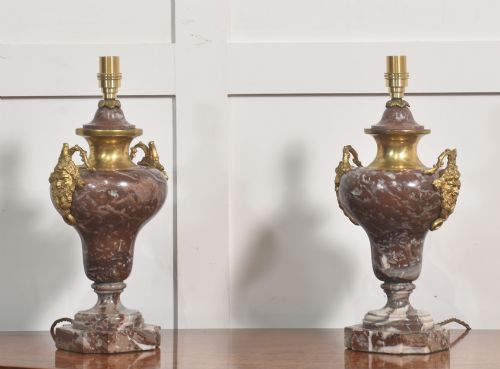
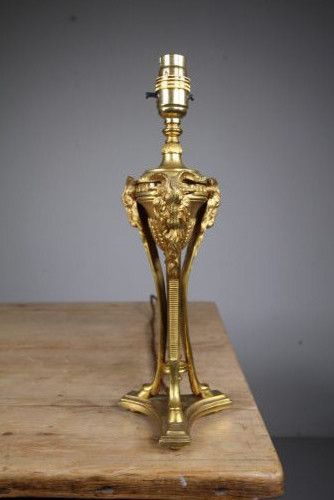
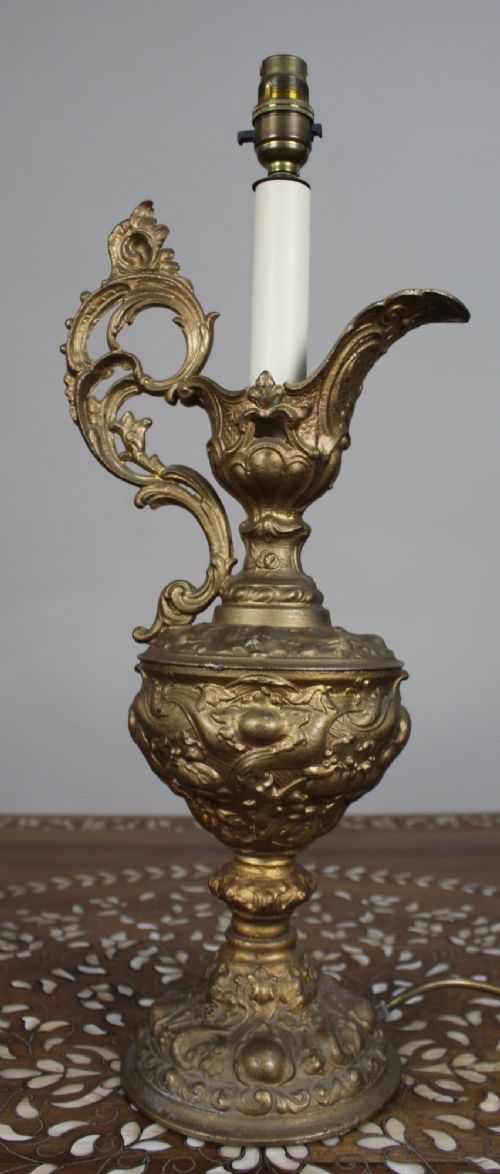
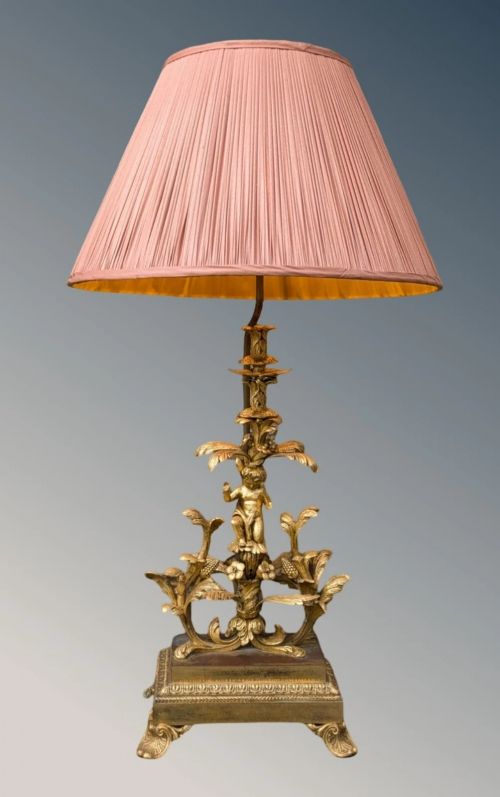
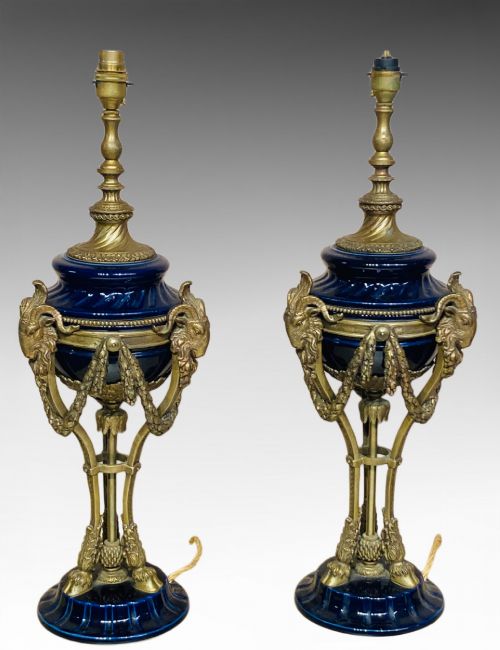
The selections on this page span table lamps, lamp bases, and cassolette lamps originating largely from French and English workshops. Makers adapted classical motifs, floral designs, and figural elements such as cherubs or rams' heads into functional lighting.
How they were made
Craftsmen cast gilt bronze and brass components before applying mercury gilding or modern electroplating to achieve the distinctive ormolu surface. These metal mounts were then combined with turned marble columns, glazed porcelain bodies, or carved onyx sections.
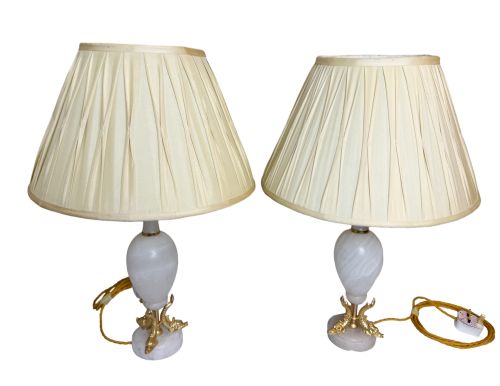
Many designs integrate fabric or silk shades above intricate metal bases, whilst others utilise rock crystal or ceramic inserts. Structural stability relies on heavy bronze or marble plinths, frequently decorated with feet shaped as paws or foliage.
The archive includes nineteenth-century French designs associated with Brocot.
What varies in quality
The sharpness of the cast ornamentation dictates the visual success of the piece, separating finely chased detailing from softer, mass-produced moulding. Crisp rendering of acanthus leaves, figures, and architectural motifs indicates superior foundry work.
The integration of secondary materials also defines the standard of the object. High-grade items employ unblemished rouge marble, translucent onyx, or hand-painted porcelain rather than plain substitutes.
Brocot
The Ormolu Desk Lamp Glossary
- Ormolu
- Finely chased gilt bronze, created by applying an amalgam of gold and mercury to a bronze base. This technique produces a warm, matte golden finish characteristic of decorative metalwork.
- Cassolette
- A decorative vase or urn designed with a reversible lid that can function as a candle holder or solid vessel. These forms were frequently converted into lamp bases.
- Champlevé
- An enamelling technique where troughs are dug into a metal surface and filled with vitreous paste before firing. The resulting patterns complement adjacent gilt bronze mounts.
- Louis XVI Style
- A neoclassical design vocabulary defined by straight lines, symmetry, and classical motifs such as fluting, ribbons, and urns. It heavily influenced nineteenth-century lighting production.
- Regency
- An English design period spanning the early nineteenth century, known for incorporating classical Greek, Roman, and Egyptian influences into decorative objects and lighting.
Ormolu Desk Lamp: Frequently Asked Questions
How do I identify an ormolu desk lamp?
Look for heavy cast bronze components with a bright, gold-coloured finish applied to the surface. These pieces often feature classical decorative motifs and heavy marble or ceramic foundations.
Examine the weight and the crispness of the chasing on the metalwork. Authentic examples display sharp detailing in the foliage and figures rather than smooth, rounded edges.
What periods do these lamps come from?
The majority of these lighting fixtures originate from the nineteenth century, spanning Victorian, Regency, and various French revival periods. Makers frequently drew inspiration from earlier Louis styles.
Datings range from the early nineteenth century through to nineteen-twenty, reflecting shifting nineteenth-century and early twentieth-century interior aesthetics.
Are these lamps converted from other objects?
Many nineteenth-century lighting fixtures began as cassolettes, vases, or candlesticks before receiving electrical fittings. This practice of adaptation was common during periods of interior modernization.
Conversion methods vary, but careful examination often reveals whether drilled channels for wiring were integrated during production or added later.
How should I clean an ormolu lamp?
Dust the gilt bronze gently with a soft, dry cloth to prevent accumulation of grime. Avoid abrasive cleaners or metal polishes that can strip away the delicate gilt surface.
Keep the lamp away from direct moisture and harsh chemical sprays. Professional conservation is recommended if the metalwork requires deeper cleaning.