

Antique Marble Gueridon
An antique marble gueridon brings neoclassical elegance to a room, offering a sturdy circular stone surface supported by timber and gilt framework.
What the pieces are
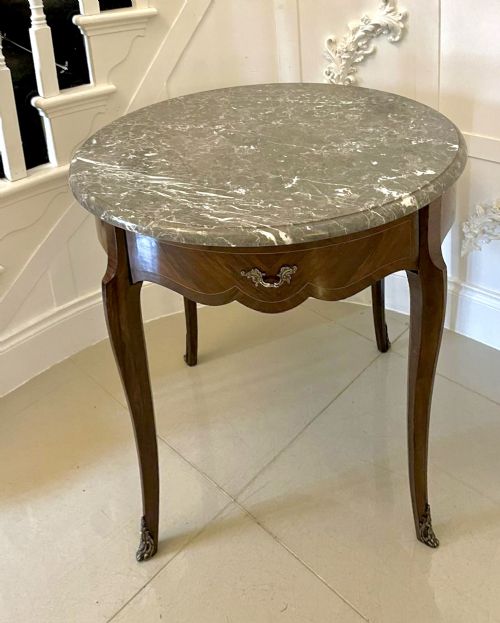
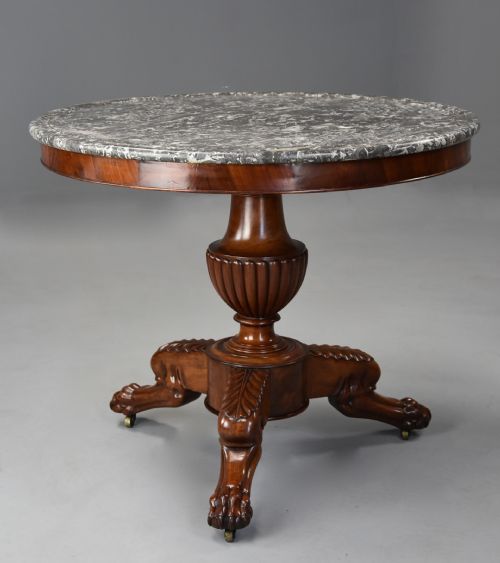
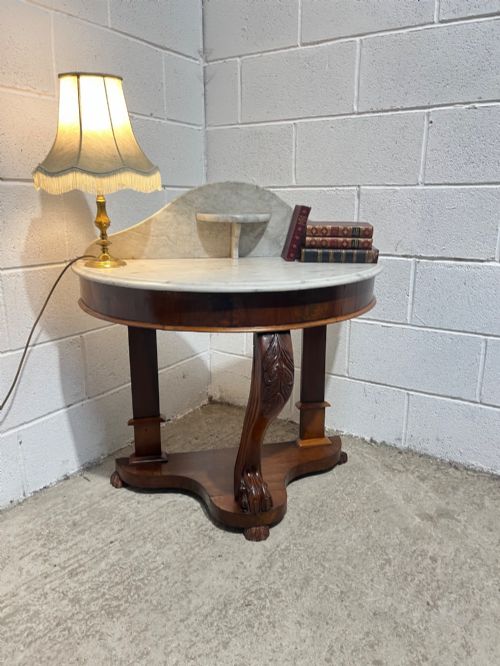
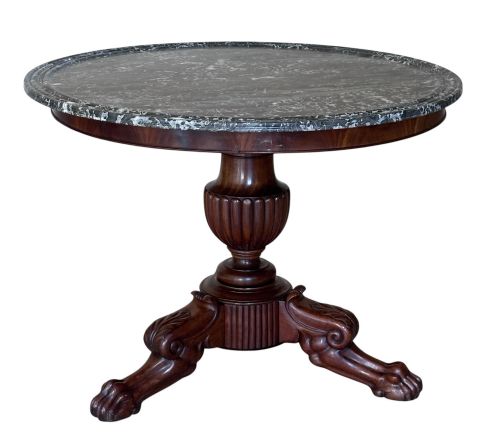
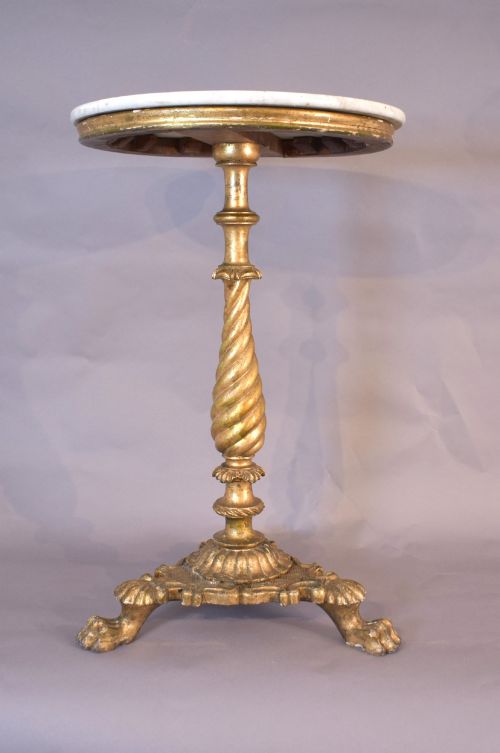
An antique marble gueridon takes the form of a round centre table or side table, distinguished by a prominent stone top. These tables appear most frequently in nineteenth-century incarnations, often reflecting French influence or Italian Baroque design.
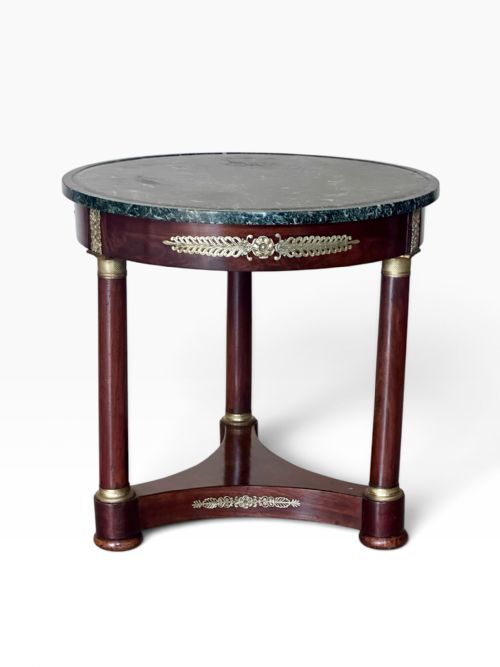
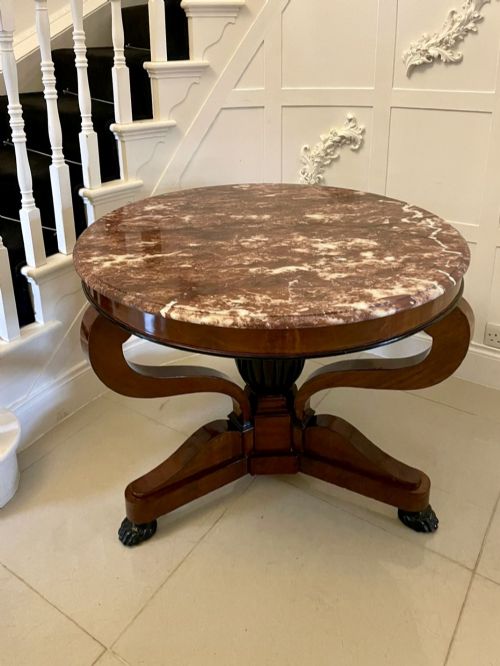
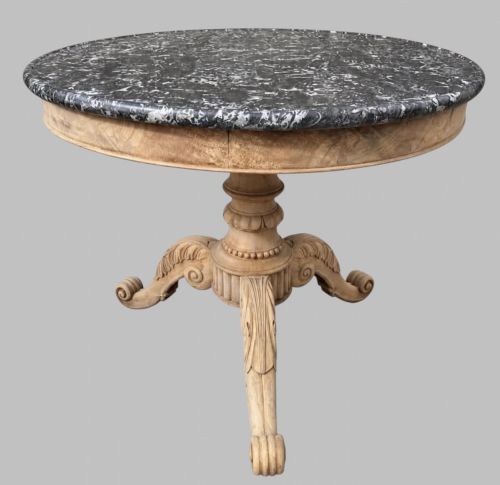
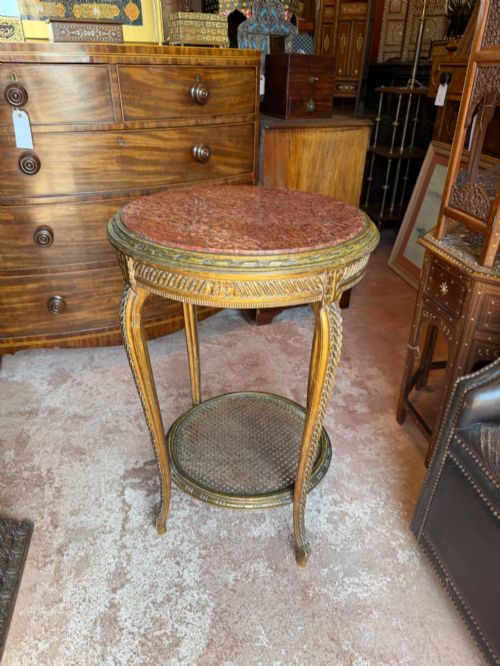
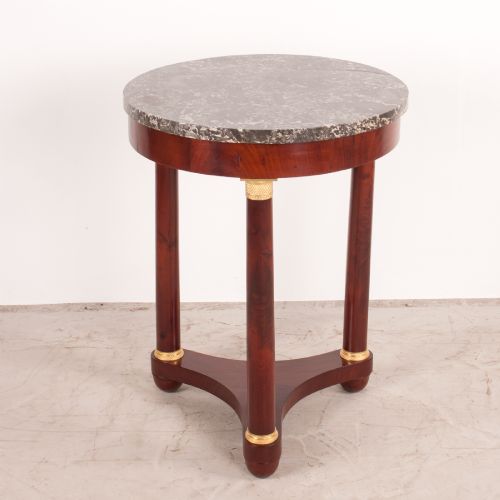
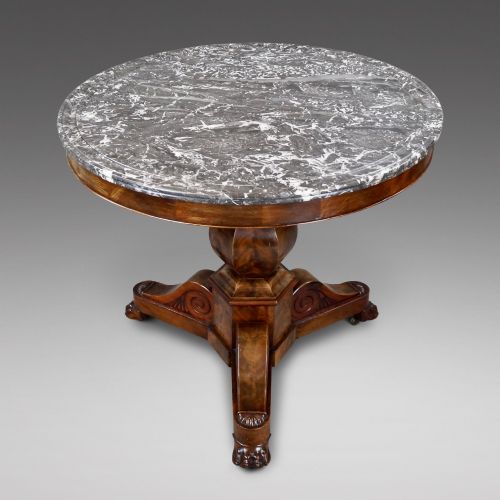
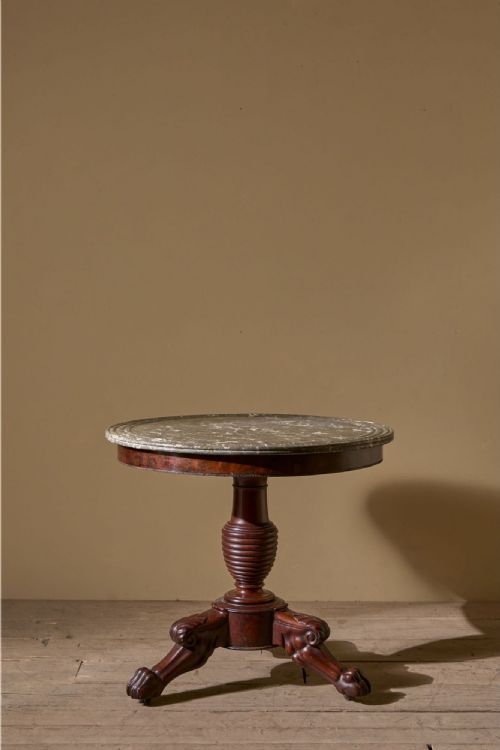
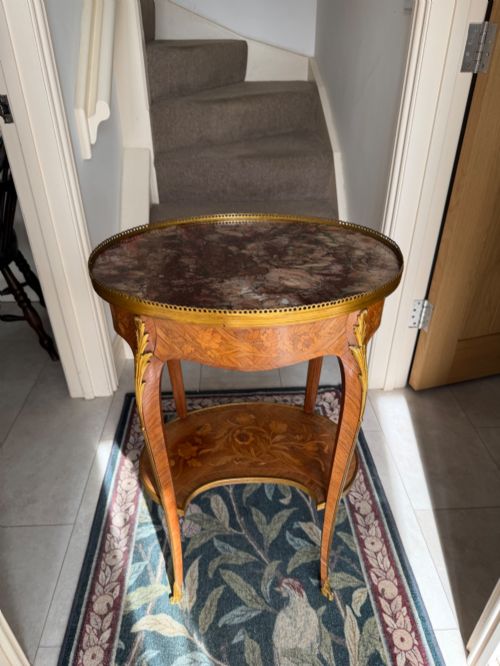
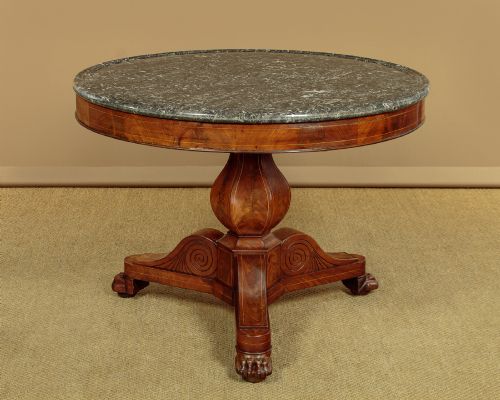
The evidence shows forms ranging from country house tripod tables to grand centre tables with bronze ornaments or brass-mounted bases. Buyers frequently encounter French mahogany examples alongside striking Italian lime wood versions from earlier decades.
How they were made
Maker construction combines heavy stone surfaces with refined wooden frames made from mahogany, flame mahogany, and lime wood. Metal elements such as brass mounts, ormolu, and bronze ornaments are integrated to accent the woodwork.
Finishes incorporate gold leaf alongside polished timber and fossil stone marble tops. Artisans shaped these circular tables to function as stable centrepieces or lamp tables.
Retail Price Guide 2026
Typical UK retail prices for marble gueridon, calculated from the Sellingantiques database of over a million retail prices indexed since 2003. This retail price guide relies exclusively on Sellingantiques data; no external sources or auction records are used, so the figures do not describe the wider market.
Some nineteenth-century tripod tables retain enough country house charm to make you wonder which muddy boots once stood beside them.
What varies in quality
The distinction between standard and superior pieces rests on the choice of materials, such as the selection of flame mahogany or fossil stone marble. Finer examples display meticulous bronze or brass mounts that elevate the architectural presence of the base.
Execution of the carved woodwork, whether Italian Baroque lime wood or French Empire mahogany, dictates the overall refinement. Superior proportions and harmonious integration of stone and timber separate ordinary tables from exceptional works.
The Antique Marble Gueridon Glossary
- Gueridon
- A small circular table on a central pillar or tripod base, originally designed as a candle stand before evolving into a general side table. The form frequently pairs a stone top with a wooden frame.
- Ormolu
- Gilded bronze ornamentation applied to furniture, popular in French decorative arts. This technique adds metallic lustre to timber bases.
- Tripod table
- A piece supported by three legs stemming from a central column, providing stable balance for stone tops. This structural format appears across country house examples.
- Flame mahogany
- Timber featuring a distinctive feather-like grain pattern prized for high-end cabinet making. It creates a shimmering visual effect across table tops and pedestals.
Frequently Asked Questions
What is an antique marble gueridon used for?
These round tables serve primarily as centre tables or side tables in principal reception rooms. Their sturdy stone tops make them practical surfaces for lamps, decorative objects, or display.
Historically, similar small tables functioned as stands for lights or tea service before evolving into versatile pieces for modern living spaces.
How do I tell periods apart?
Dating relies on stylistic clues and material choices visible in the woodwork and metal mounts. Italian Baroque pieces from the mid-eighteenth century feature carved lime wood, whereas nineteenth-century examples often utilise mahogany, brass, and bronze ornaments.
French Empire and Louis XVI styles introduce classical symmetry, while later nineteenth-century country house interpretations lean towards simpler tripod configurations.
Are these tables French or Italian?
The evidence shows examples originating from both traditions, with French models predominating among mahogany side tables and lamp tables. French pieces frequently incorporate mahogany and marble combinations reminiscent of cabinet maker workshops.
Italian examples in the record lean towards earlier Baroque lime wood construction, demonstrating distinct regional carving traditions.
How do I live with a marble top?
Living with these tables involves appreciating the natural cooling property and distinct veining of the stone surface. They anchor a room by providing a contrasting circular geometry against rectangular upholstery and walls.
Maintenance requires mindful placement away from harsh chemical spills, allowing the polished marble and timber base to age gracefully together.