


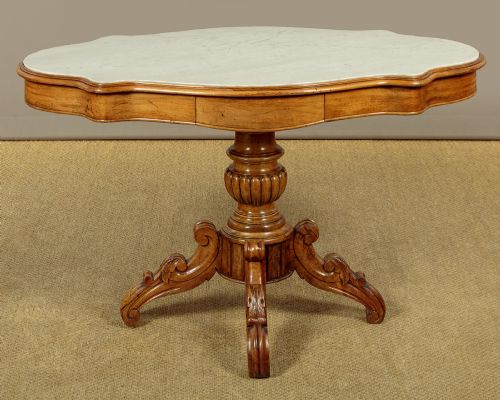

Antique Marble Foyer Table
An antique marble foyer table commands the entrance hall with a polished stone surface set upon timber or giltwood bases.
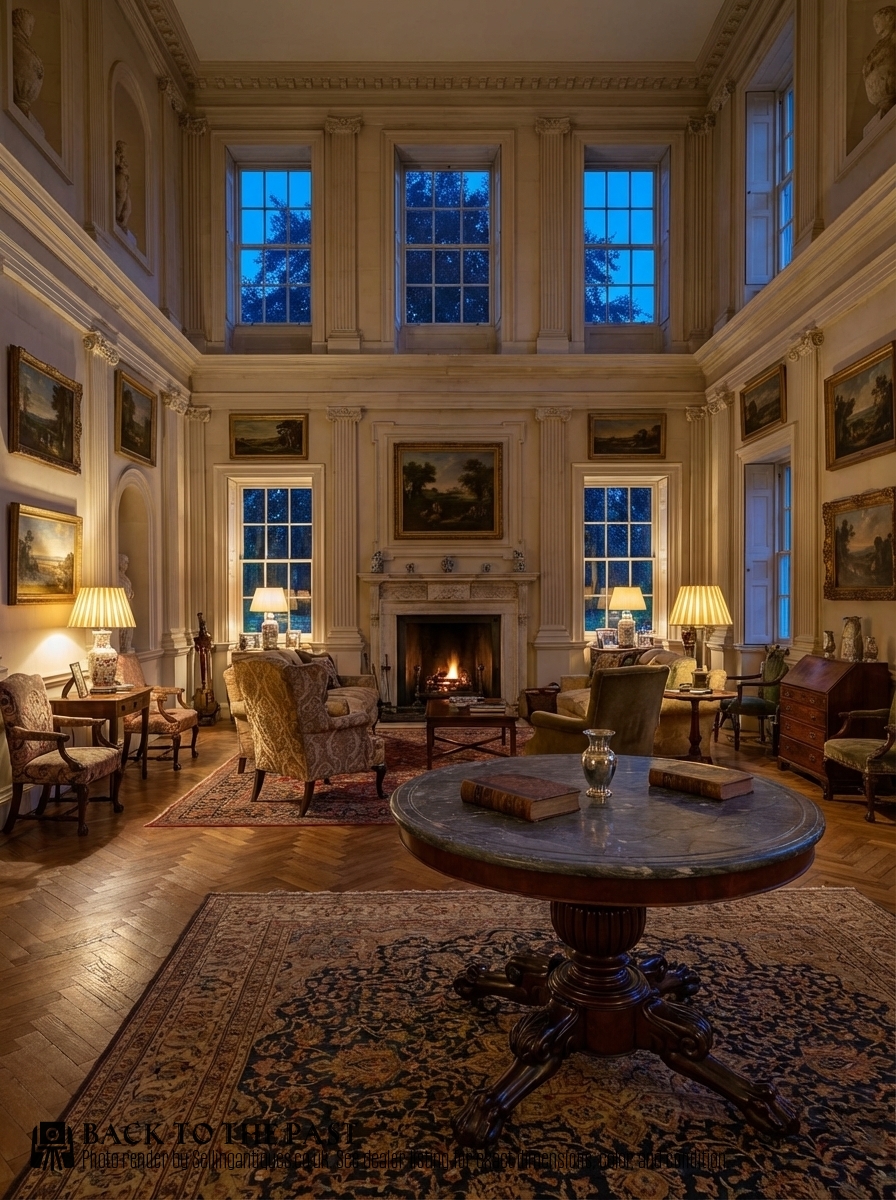
Antique Marble Foyer Table
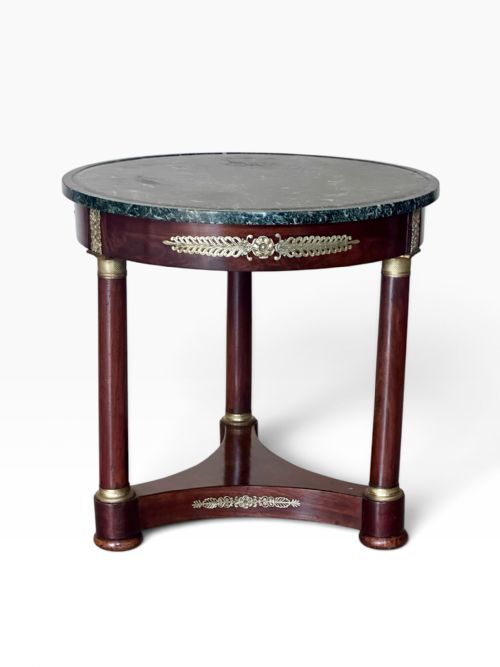
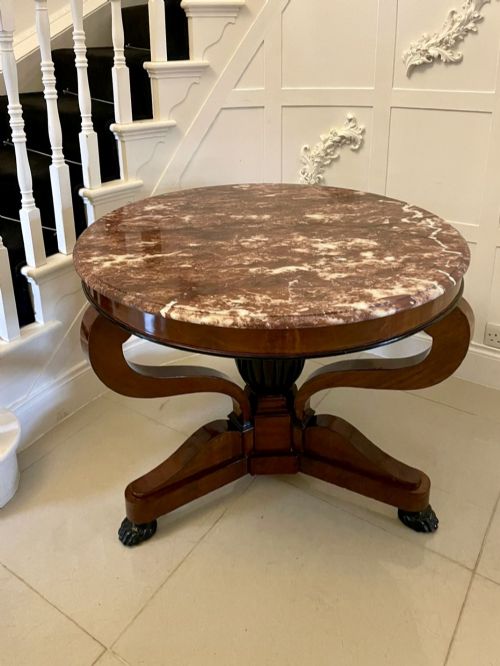
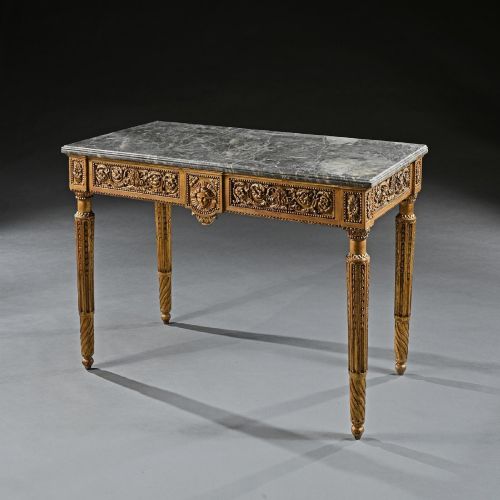
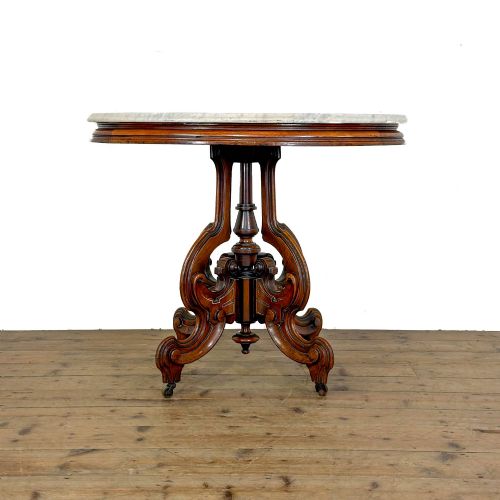
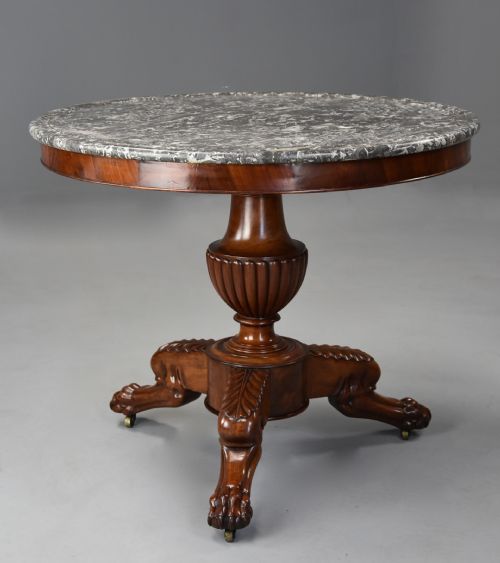
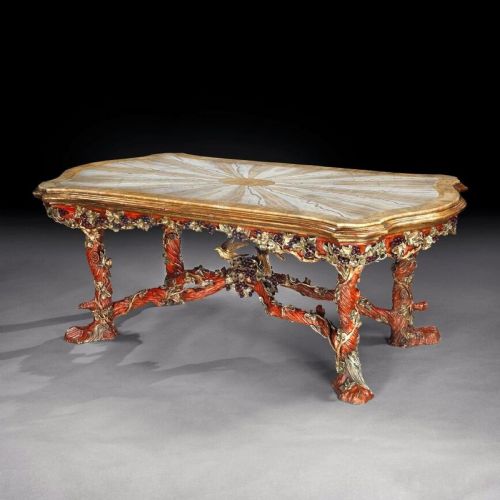
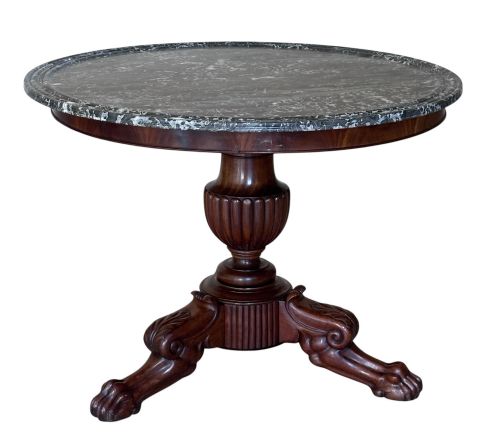
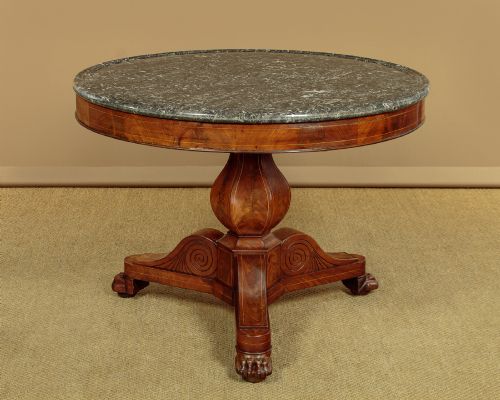
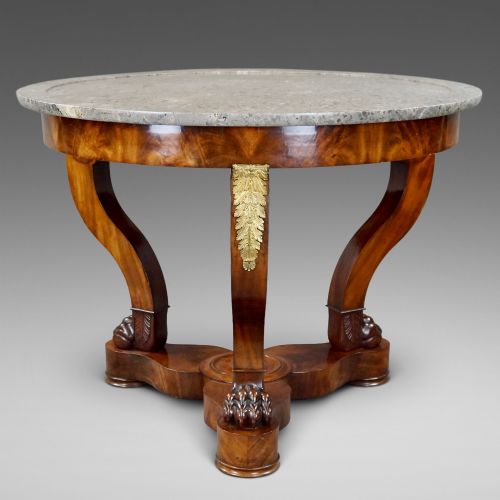
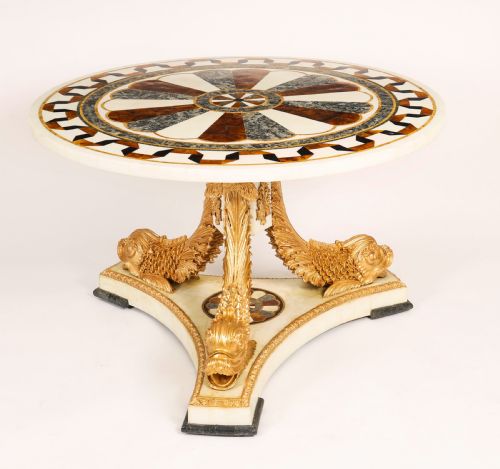
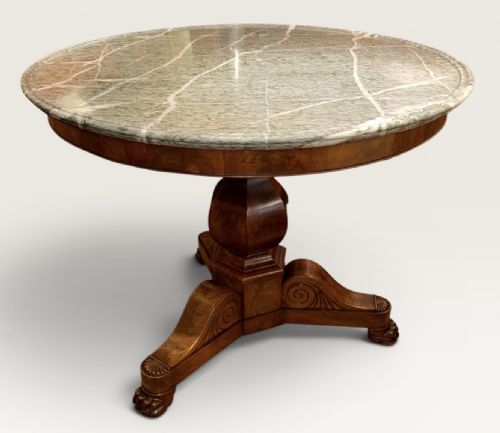
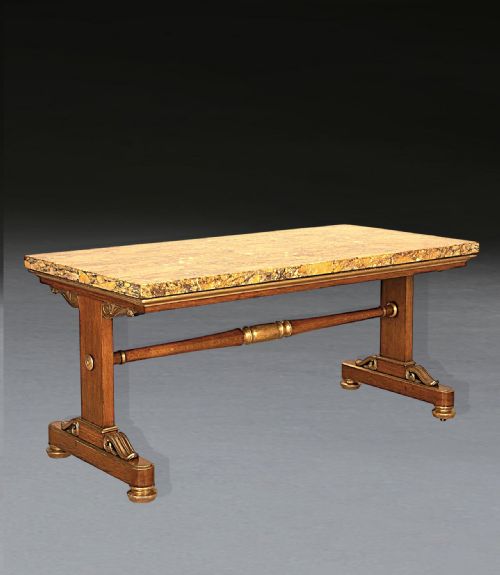
An antique marble foyer table takes the form of a freestanding centre table or a wall-mounted console designed for a grand entrance. The inventory here is dominated by French guéridons and Italian console tables dating from the eighteenth and nineteenth centuries.
Makers shaped these pieces within styles such as French Empire, Regency, and Rococo Revival. Circular centre tables sit centrally in hallways, while rectangular console tables align against walls beneath mirrors.
Materials and Construction
Carpenters utilised timbers including mahogany, walnut, oak, kingwood, and burr elm to build the structural bases. Carved giltwood and ormolu mounts frequently enrich the frames, adding metallic contrast to the timber.
Slabs of veined white, Siena, purple, and breccia marble form the heavy tabletops. These stone surfaces rest upon the wooden frames, occasionally secured by mouldings or the sheer weight of the marble itself.
Antique Marble Foyer Table Retail Price Guide 2026
Typical asking prices for marble foyer table among the pieces listed under this phrase on Sellingantiques today, from the lower quarter to the upper quarter. They describe what is for sale here now, not the wider market.
Listings span the eighteenth, nineteenth, and early twentieth centuries, incorporating Victorian, Regency, and French Empire styles.
Evaluating Craftsmanship
Quality rests upon the crispness of the timber carving and the richness of the wood grain, such as flame mahogany or inlaid kingwood. Giltwood consoles show distinction through deeply carved scrollwork and high-relief details like lion's paw supports.
The choice and figuring of the marble slab dictate the distinction of the piece. Uniform veining and intact original stone surfaces elevate the standing of a table above those with later replacements.
The Antique Marble Foyer Table Glossary
- Guéridon
- A small circular table, typically French and often featuring a central pedestal base. These frequently support heavy marble tops in entrance halls.
- Console table
- A table designed to stand against a wall, often secured with brackets if the legs are purely decorative. They frequently pair with matching wall mirrors.
- Ormolu
- Gilt bronze mounts applied to furniture frames for decorative accent. This technique was widely utilised during the French Empire and nineteenth-century revival periods.
- Breccia marble
- A composite stone made of angular fragments cemented in a finer matrix. It creates a mottled, highly decorative surface on nineteenth-century Italian consoles.
Antique Marble Foyer Table: Frequently Asked Questions
Where should I place a console table?
A console table fits best against an entrance hall wall where it provides a surface for post and keys. It often anchors a space beneath a hanging mirror or painting.
Because these tables are shallow, they leave walkways clear in narrow corridors while offering visual weight to an interior.
How do I care for marble tops?
Marble requires regular dusting with a soft cloth and immediate wiping of liquid spills to prevent staining. Acidic substances like citrus juice etch polished stone.
Applying a neutral wax or stone sealer protects the porous surface over decades of daily use in a busy hallway.
Are centre tables stable?
Centre tables rely on heavy stone tops and robust pedestal or tripod bases to maintain balance. The sheer weight of the marble keeps the slab anchored.
Placement in the middle of a room means the piece must be approached from all sides, so structural rigidity in the joints remains essential.
How do I identify French Empire style?
French Empire pieces display classical motifs such as swans, rams' heads, and architectural symmetry. Mahogany veneers often contrast against bright ormolu mounts.
This aesthetic reflects nineteenth-century neoclassical ideals influenced by antiquity and military campaigns.