

Antique Lowboy Side Table
An antique lowboy side table combines compact proportions with functional drawers, making it a versatile small table for a hallway or living space.

Antique Lowboy Side Table
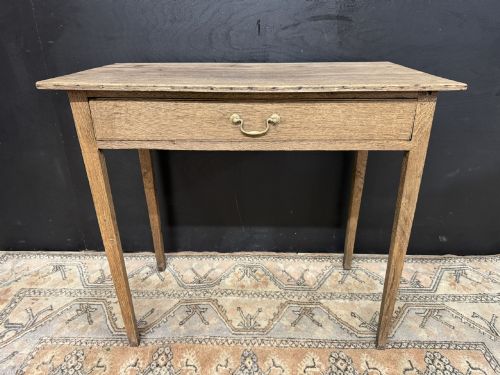
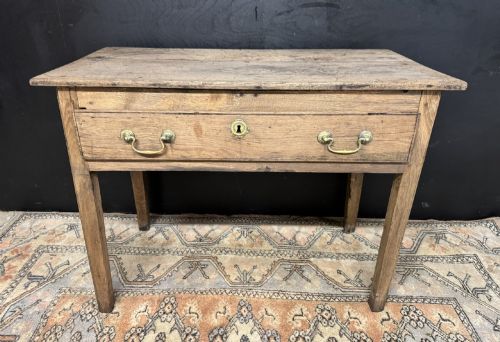
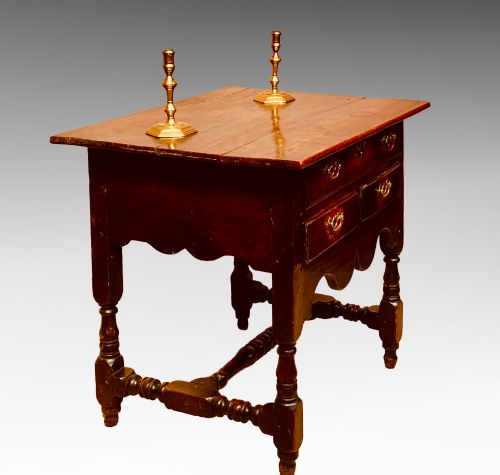
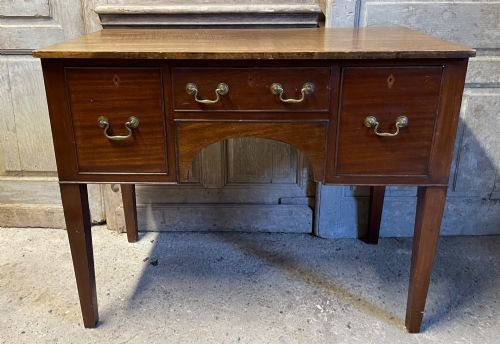
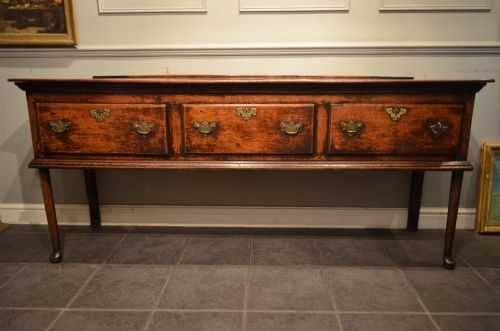
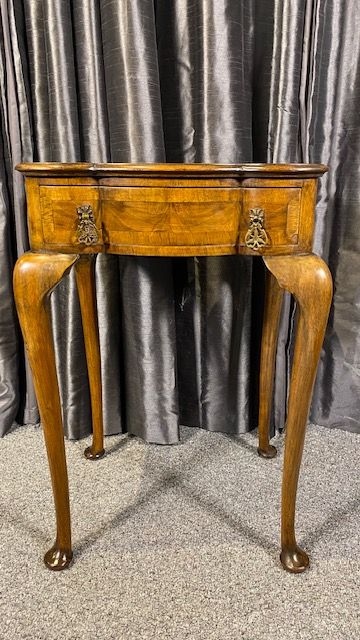
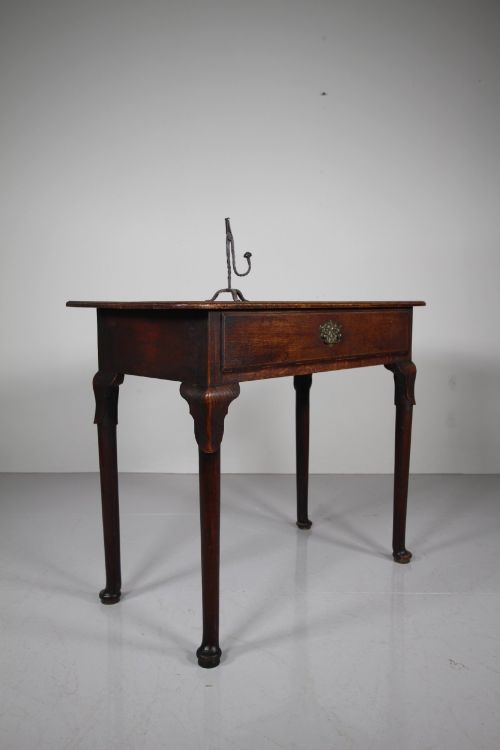
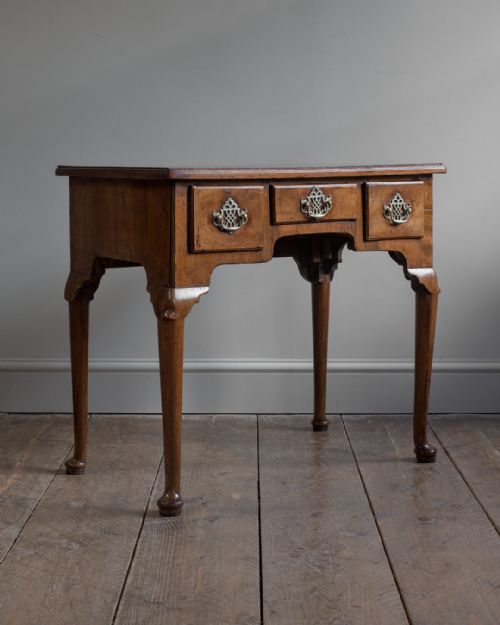
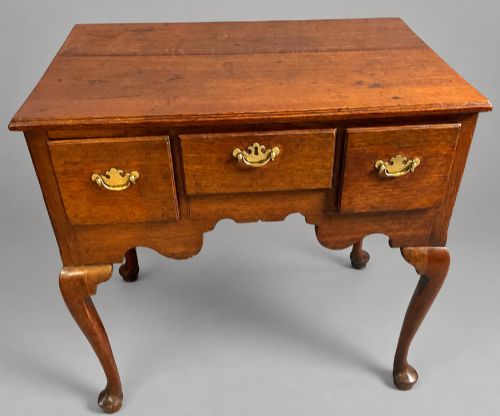
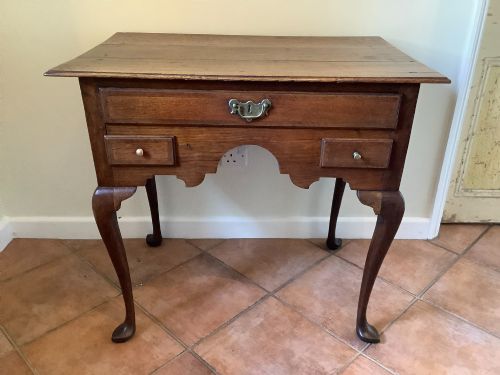
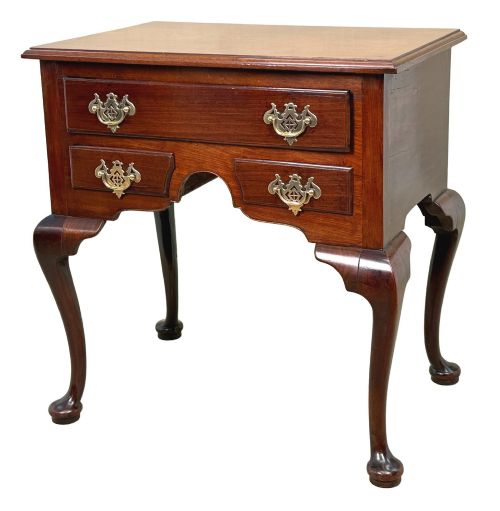
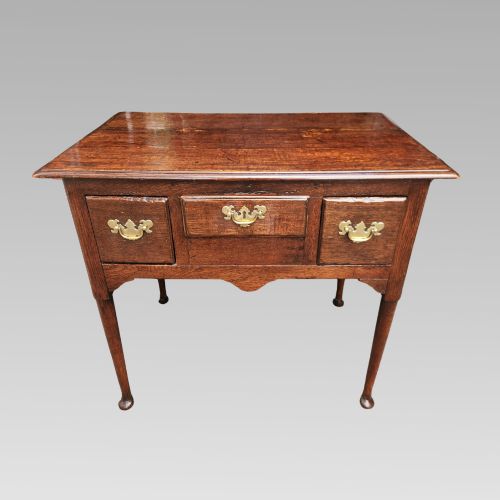
When searching for an antique lowboy side table, buyers encounter low-standing tables equipped with one to three drawers beneath the surface. These pieces span multiple centuries, with significant representation from the Georgian era alongside earlier seventeenth-century examples and later revivals.
The form functions primarily as a small occasional table, serving historically as a dressing table or writing surface in domestic interiors. Oak and mahogany appear most frequently, accompanied by walnut, burr walnut, elm, yew, and fruitwood.
Most examples found on this page display provincial or country craftsmanship, particularly in oak and regional timbers, though finer urban pieces in mahogany and walnut also occur.

How they were made
Cabinetmakers constructed these tables using solid native timbers such as oak, elm, and fruitwood, alongside imported hardwoods like mahogany and figured walnut veneers. Drawer construction typically involved traditional hand-cut dovetails, while frames utilised pegged mortise and tenon joints.
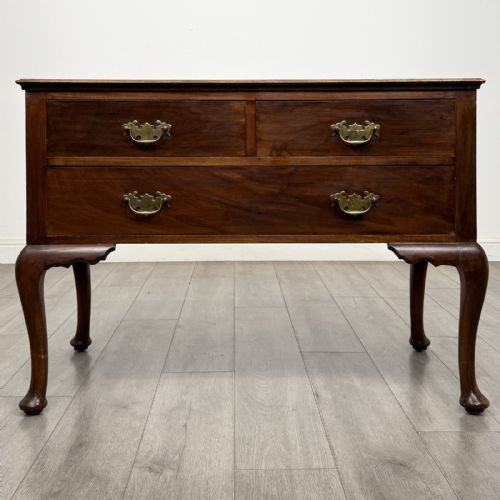
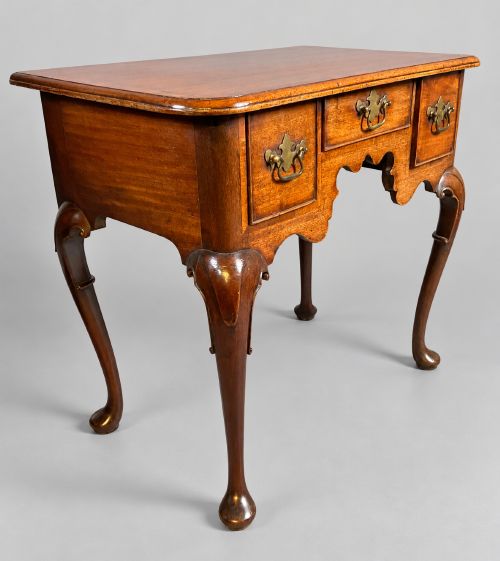
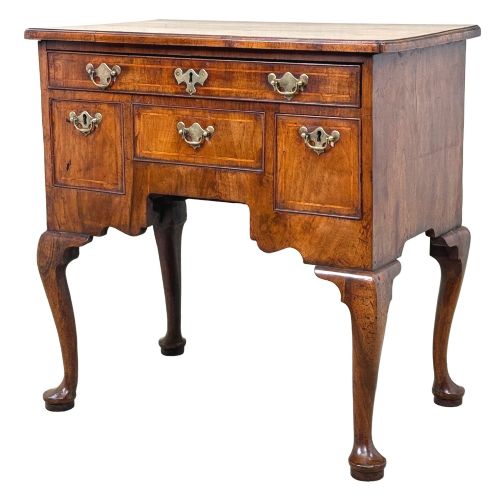
Leg forms vary according to the period and regional style, ranging from straight tapering legs to shaped cabriole supports, occasionally terminating in pad feet or brackets. Surface finishes rely on traditional polishing techniques that accentuate the natural grain and figuring of the wood.
Antique Lowboy Side Table Retail Price Guide 2026
Typical asking prices for lowboy side table among the pieces listed under this phrase on Sellingantiques today, from the lower quarter to the upper quarter. They describe what is for sale here now, not the wider market.
Many an antique lowboy spent centuries masquerading as a dressing table before finding a quiet retirement holding hallway keys.
What varies in quality
The standard of timber selection largely distinguishes individual pieces, with highly figured burr walnut, rich mahogany, or well-figured oak representing superior choices. Timber matching across drawer fronts and tops also indicates greater care in the workshop.
The refinement of leg shaping and carving adds distinction, from simple turned or square supports to more intricate cabriole legs. Original brass hardware, such as drop handles and escutcheons, preserves the integrity of the piece.
The Antique Lowboy Side Table Glossary
- Lowboy
- A small low table with drawers, typically used as a side table or dressing table during the seventeenth and eighteenth centuries.
- Cabriole leg
- A furniture leg that curves outward and then tapers inward, terminating in a foot such as a pad or hoof.
- Dovetail
- A joint formed by interlocking wedge-shaped fingers, commonly used to construct drawer boxes securely.
- Escutcheon
- A protective plate surrounding a keyhole, often made of brass on period furniture.
- Figure
- The decorative pattern or grain configuration visible in wood, particularly pronounced in species like walnut and elm.
Antique Lowboy Side Table: Frequently Asked Questions
Where should I place a lowboy at home?
These compact tables function effectively as hallway surfaces, writing desks, or dressing tables in bedrooms due to their shallow depth and manageable width.
Their drawer storage allows them to sit neatly against walls while holding small household items.
How do I identify a Georgian lowboy?
Georgian examples often display characteristic mahogany or oak construction, incorporating stylistic details such as cabriole legs or bracket feet.
Construction methods like hand-cut dovetailing inside the drawers help confirm the period.
Are all lowboys made of oak?
While oak is the most common timber seen in provincial pieces, makers also utilised mahogany, walnut, elm, fruitwood, and yew.
Walnut and mahogany versions frequently appeared in more fashionable urban interiors.