

Antique Low Credenza
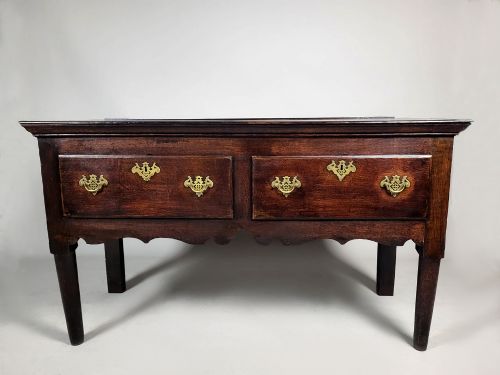
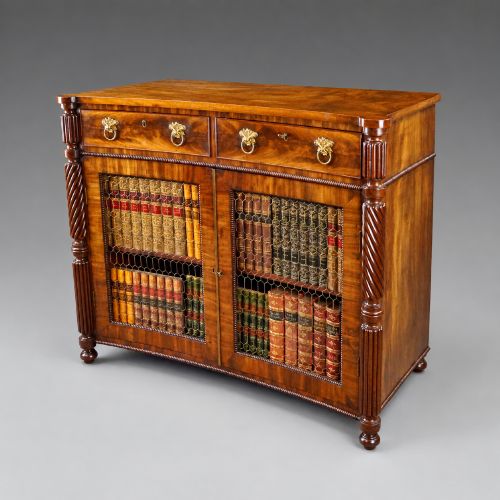
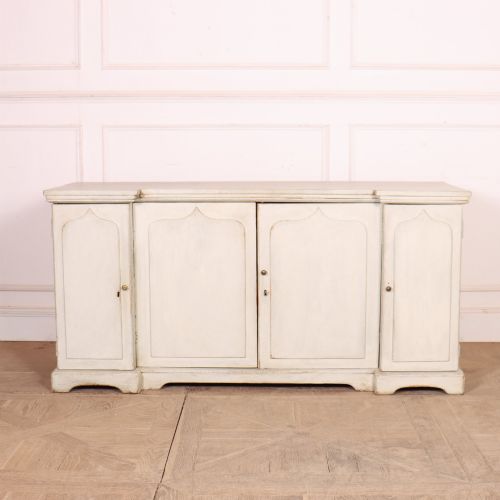
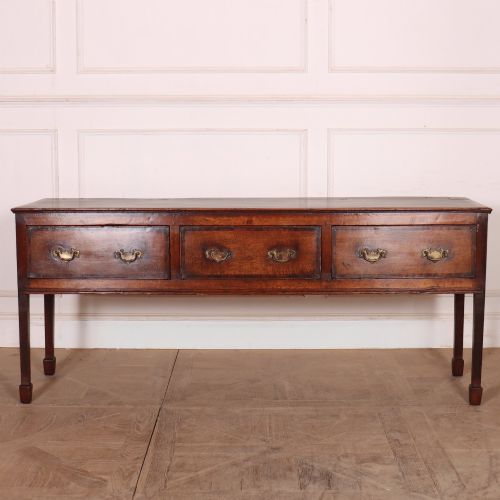
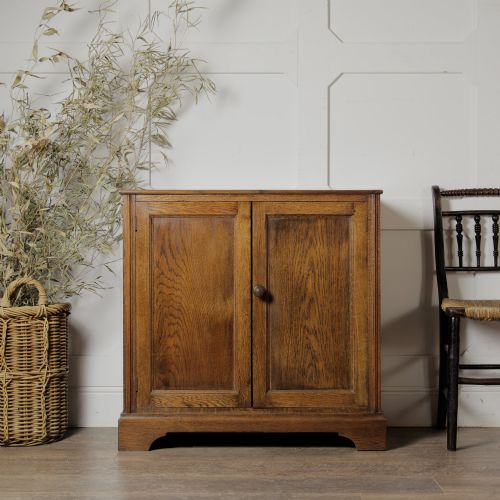
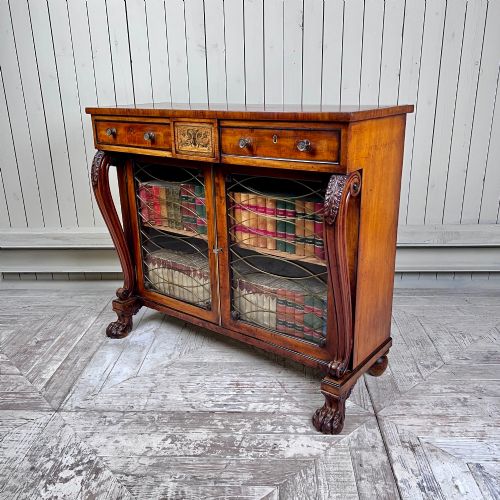
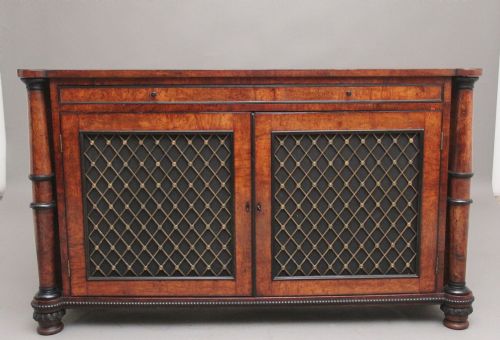
An antique low credenza brings heavy timber and fine brass mounts to a room that needs a grounded surface for display.
Antique Low Credenza
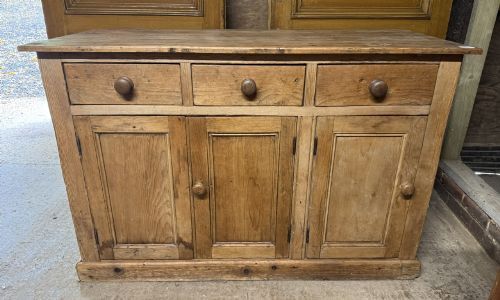
An antique low credenza spans formats like side cabinets, chiffoniers, and dresser bases across the 18th, 19th, and early 20th centuries. These forms serve as low storage units or display surfaces, often originating from English, French, or regional workshops.
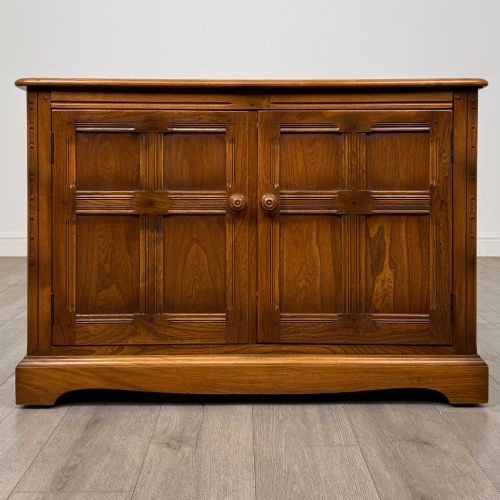
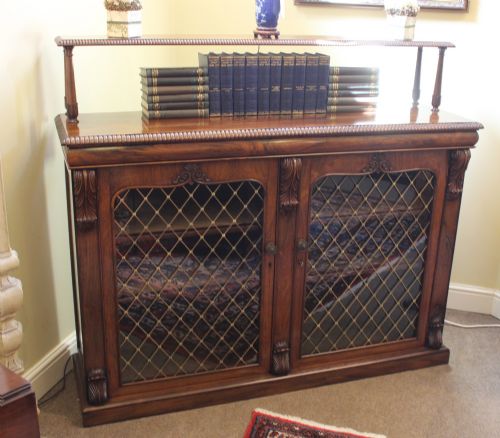
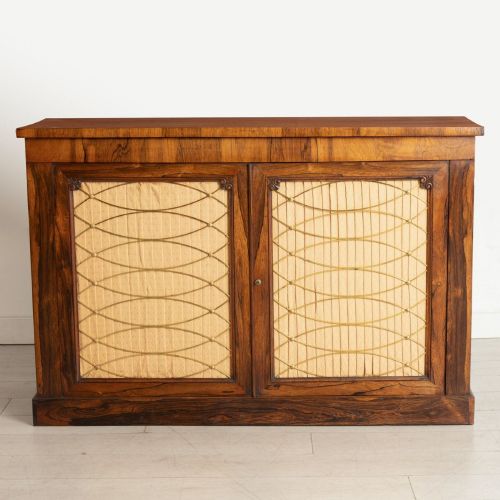
The pieces appearing most frequently in this category combine timber carcases with cupboard doors, open shelves, or glazed panels, keeping the overall height close to the floor for domestic utility.
Materials and construction methods
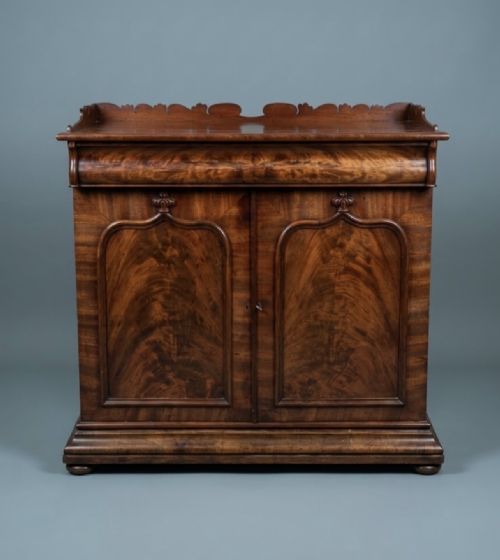
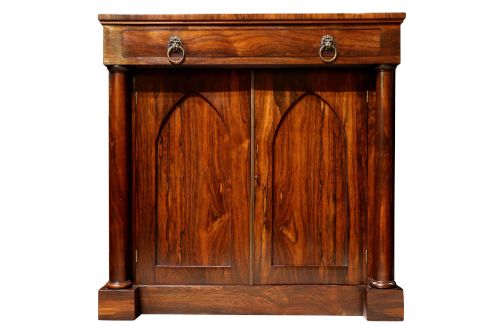
Cabinet makers built these carcases using dense hardwoods such as oak, mahogany, walnut, and rosewood, frequently applying burr veneers or flame mahogany to flat door panels.
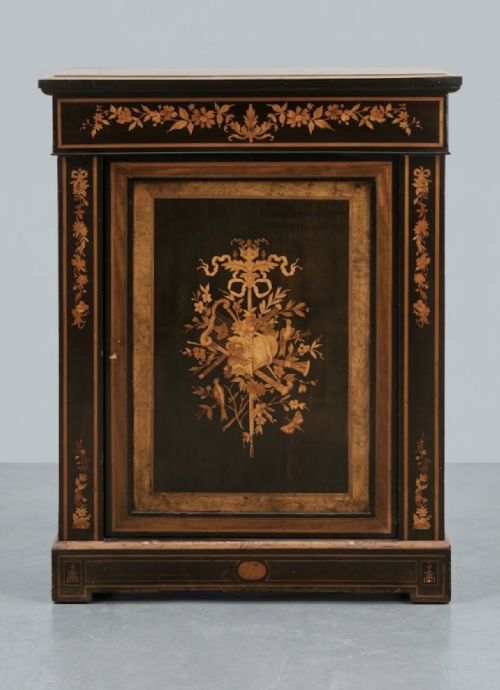
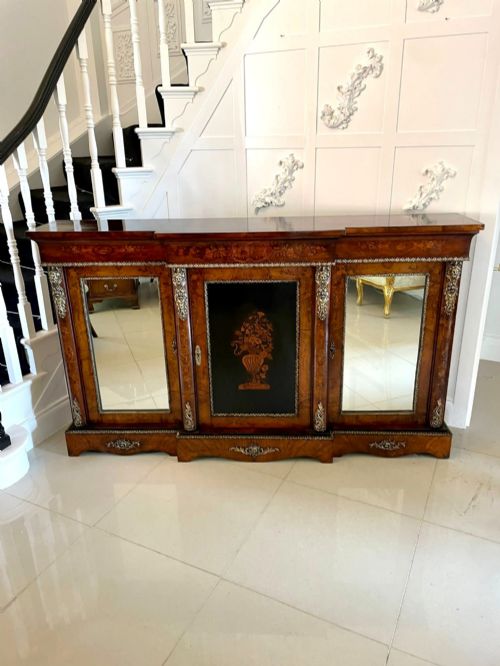
Detailing relied on brass inlays, ormolu mounts, bronze accents, and carved wooden mouldings to frame the timber surfaces and glass doors.
Listings span oak, mahogany, rosewood, walnut, and burr walnut across Georgian, Regency, Victorian, and Edwardian periods.
Judging the standard of execution
Quality rests on the selection of timber figures, the crispness of hand-carved elements, and the precision with which brass stringing or ormolu mounts fit into the wood grain.
Superior examples demonstrate thoughtful internal joinery, original hardware, and timber stability that maintains flush door closures across centuries of environmental shift.
Gillows·Whytock and Reid
The Antique Low Credenza Glossary
- Chiffonier
- A compact low sideboard or cabinet featuring enclosed lower cupboards, sometimes surmounted by a small bookshelf or gallery. This form gained popularity during the Regency and Victorian periods.
- Dresser base
- A sturdy wooden table-form cabinet equipped with drawers and lower potboards or cupboards. These pieces originated in kitchens and provincial dining rooms.
- Breakfront
- A piece of furniture where the central section projects forward from the flanking wings. This architectural arrangement creates depth and shadow across the front elevation.
- Ormolu
- Gilded bronze ornamentation applied to furniture carcases. Cabinet makers utilised these metal mounts to accent corners and door panels during the Regency and Victorian eras.
- Potboard
- An open slatted lower shelf fitted between the legs of an antique dresser base. Makers designed this platform to hold heavy kitchen ceramics.
Antique Low Credenza: Frequently Asked Questions
Where do I place a low cabinet?
These pieces suit living rooms, hallways, or dining spaces where a long, horizontal surface helps balance tall walls. Their low profile avoids blocking windows or architectural details.
Position them against solid walls with sufficient clearance for doors and drawers to open fully without striking surrounding furniture.
How do I care for antique wood?
Maintain timber surfaces by dusting with a dry cloth and applying natural beeswax periodically to nourish old polishes. Avoid placing furniture near direct heat sources or strong sunlight.
Stable indoor humidity prevents the timber from splitting and keeps veneered surfaces securely attached to their carcases.
What is the difference between a chiffonier and a sideboard?
A chiffonier typically refers to a smaller, more compact cabinet, often featuring a raised shelf or bookcase tier on top. Sideboards generally provide greater length and multiple cupboards for dining room storage.
Both forms offer low horizontal surfaces, but chiffoniers appear more frequently in private parlours rather than formal dining rooms.
How do I identify Regency pieces?
Regency furniture draws on classical archaeological motifs, displaying dark timbers accented with brass inlay, ebony stringing, or bronze mounts. Proportions lean toward architectural symmetry and clean lines.
Look for distinctive hardware, sabre legs, and crisp geometric patterns embedded directly into the mahogany or rosewood surfaces.