
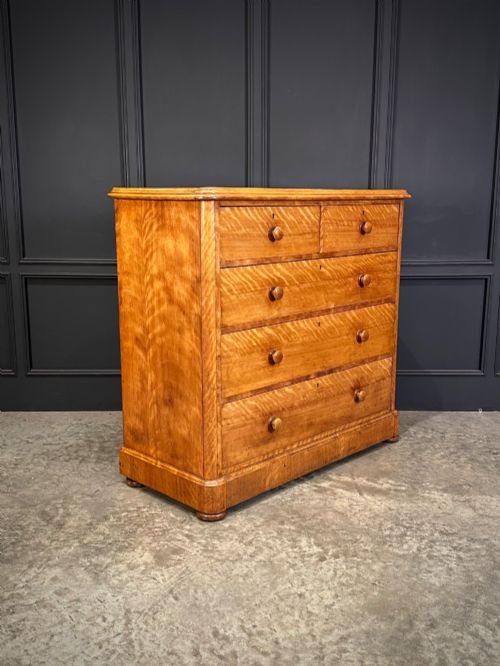
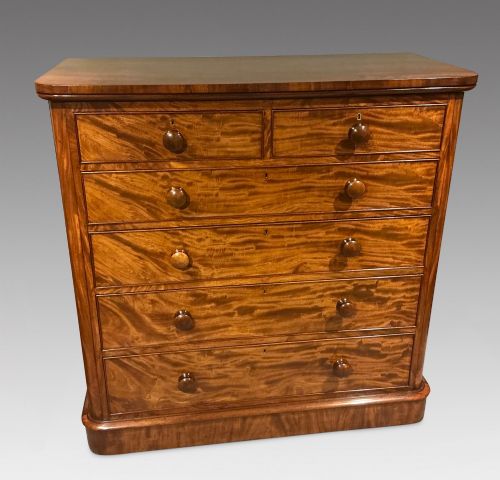
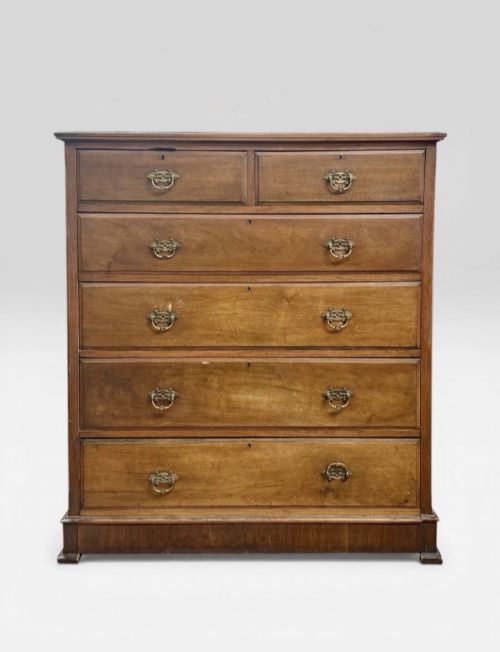
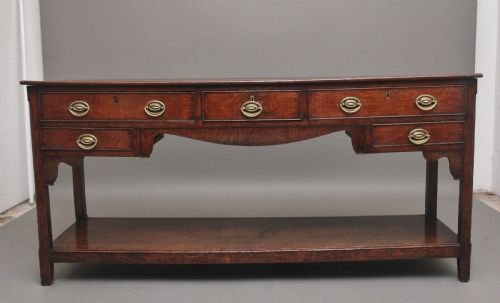


Nineteenth Century Dresser Base
Nineteenth century dresser base examples offer robust utility and honest charm, combining sturdy timber construction with practical storage for modern interiors.
Nineteenth Century Dresser Base
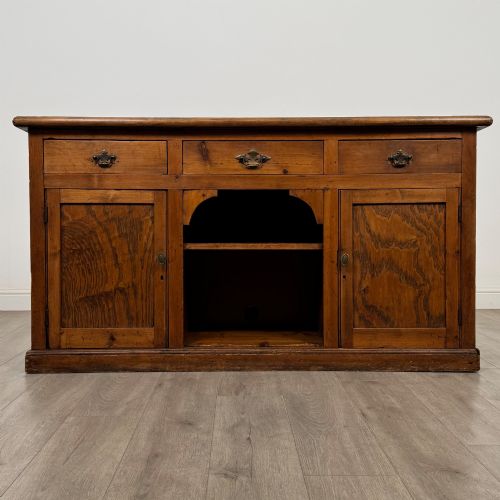
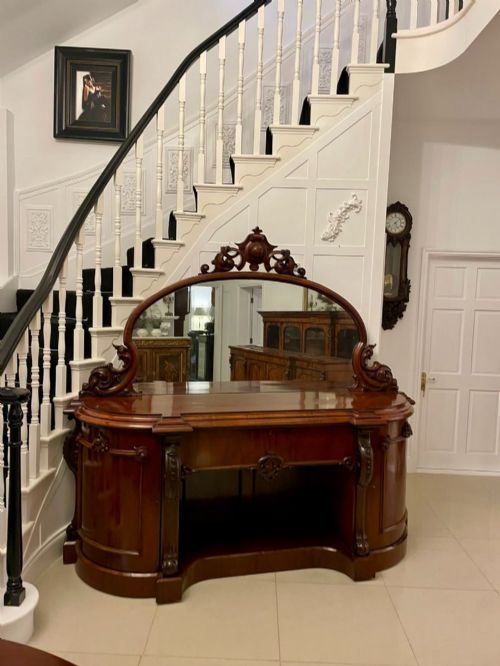
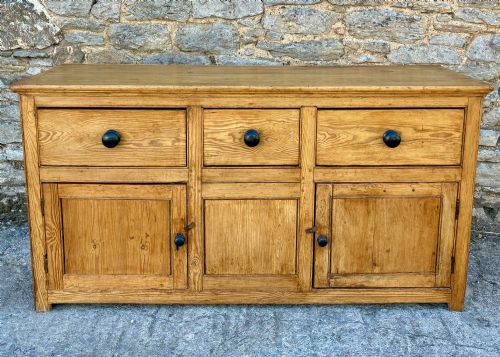
A nineteenth century dresser base provides substantial surface space and deep drawer storage, serving as a functional anchor in a room. These pieces originate from various domestic settings, reflecting practical utility through straightforward timber construction.
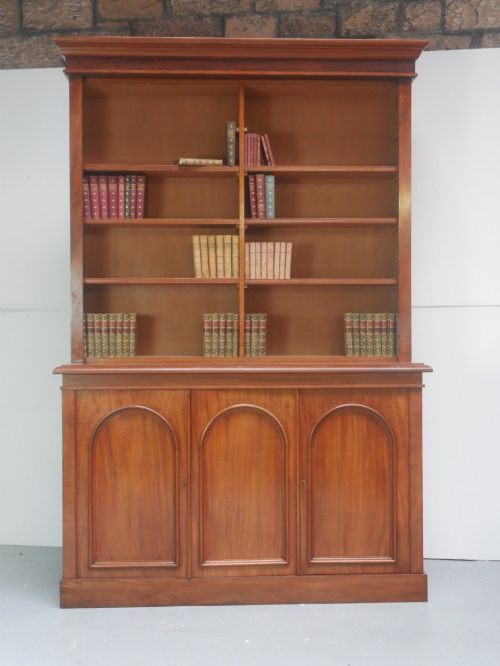
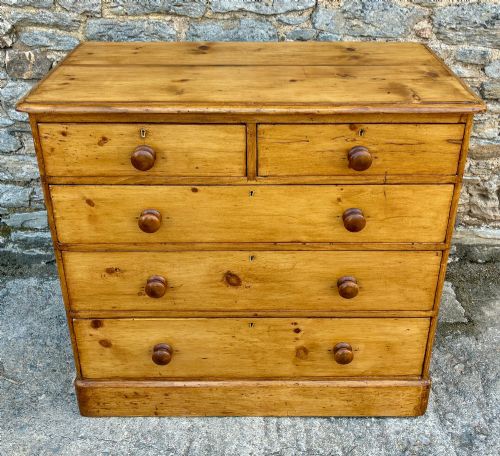
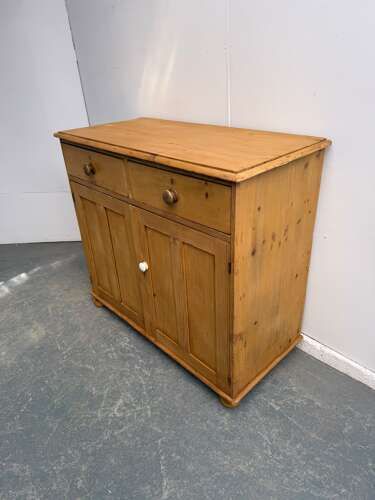
The selections available range from rustic pine and painted farmhouse pieces to formal mahogany and oak examples. Buyers frequently encounter variations in timber and finish, spanning early nineteenth century country workshops to later Victorian production.
Materials and Construction Methods
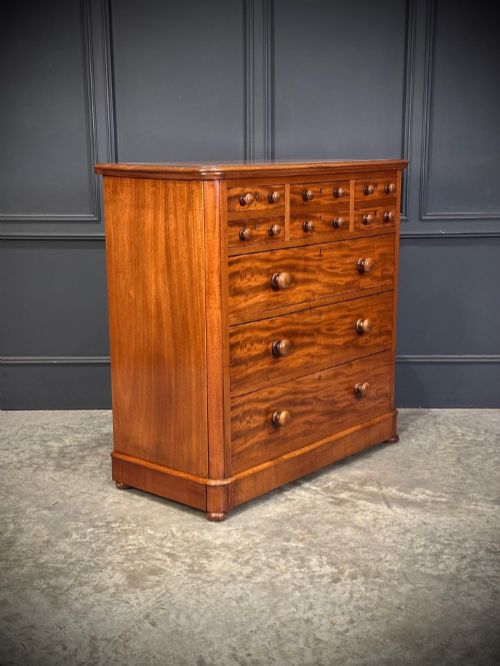
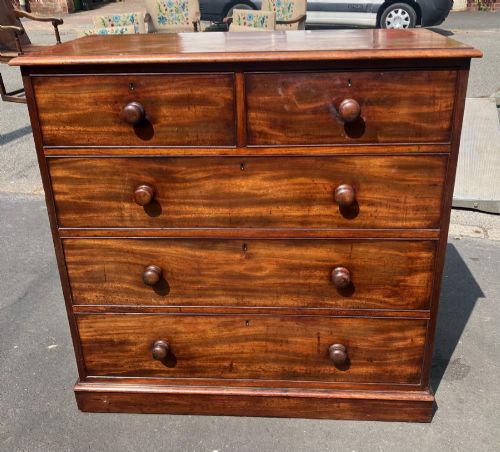
Cabinet makers utilised local timbers such as pine, oak, elm, and fruitwood alongside imported hardwoods like mahogany and satinwood. Solid wood construction dominates, frequently paired with flame mahogany veneer on formal items and simple iron or brass hardware for daily use.
Joinery techniques relied on traditional hand-cut joints, while surfaces received wax finishes, paint layers, or polished veneers. The integration of glass panels and brass handles occurs on select refined items from the period.
House maids utilised early cupboards for daily chores, leaving centuries of subtle scuffs from heavy cleaning brushes.
Assessing Build Quality and Finish
The standard of timber selection and original surface preservation largely determine the standing of each piece. Superior examples display carefully matched grain patterns, intact original hardware, and solid structural integrity without excessive timber replacement.
Refinement in carving and secondary wood choice separate standard utility furniture from high-status items. The integrity of the joints and the smooth operation of drawers indicate the level of craftsmanship invested during production.
The Nineteenth Century Dresser Base Glossary
- Dresser base
- A low storage unit featuring surface boards above rows of drawers or cupboards, designed without the upper plate rack of a traditional kitchen dresser.
- Flame mahogany veneer
- A thin slice of wood with a distinctive flickering flame pattern applied to primary surfaces for decorative effect.
- Secondary wood
- The internal or unseen timber used in drawer linings and backboards, often differing from the primary exterior material.
- French provincial
- A regional style originating from French rural areas, characterised by practical forms, fruitwood timber, and modest decorative carving.
Nineteenth Century Dresser Base: Frequently Asked Questions
What is a dresser base used for?
A nineteenth century dresser base serves as a versatile sideboard, serving station, or low storage cabinet in dining rooms and living spaces.
The wide top surface accommodates decorative items or serving dishes, while the lower drawers and cupboards organise tableware or household linens.
How do I care for antique timber?
Maintain antique pine, oak, and mahogany surfaces by applying natural beeswax periodically and avoiding direct sunlight.
Keep pieces away from sudden temperature changes and excessive moisture to prevent timber movement and finish degradation.
Can I use one in a modern kitchen?
These timber bases integrate effectively into contemporary kitchens as standalone work surfaces or storage islands.
The durable construction of oak and pine pieces accommodates daily use while adding historical character to modern interiors.
How do I identify the wood type?
Examine the grain pattern, colour, and weight of the timber to distinguish between softwoods like pine and hardwoods like mahogany or oak.
Pine displays prominent growth rings and pale tones, whereas mahogany shows rich reddish brown depths and fine grain lines.