
Antique Black Cupboard
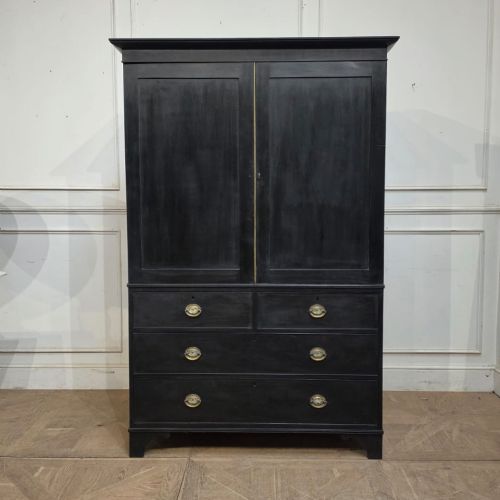
An antique black cupboard brings deep visual weight and historic craft to a room, ranging from Chinoiserie lacquer to ebonised pine.
Antique Black Cupboard
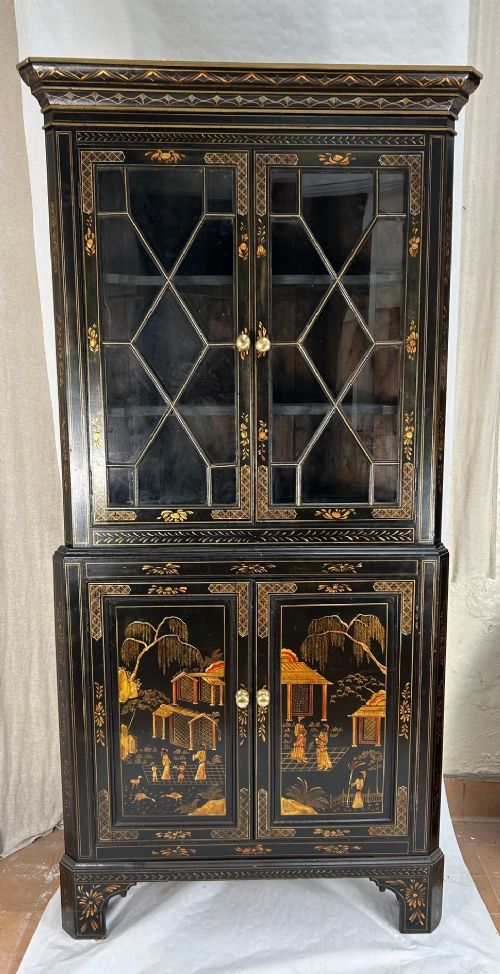
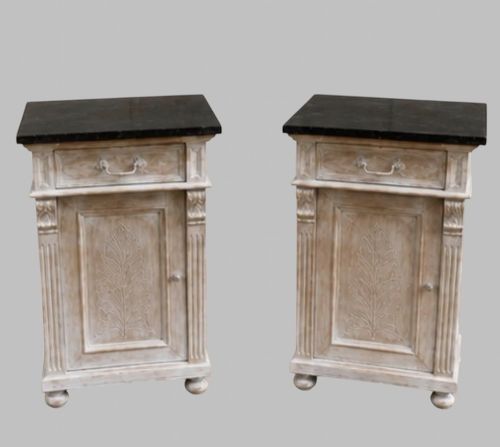
When you search for an antique black cupboard, you encounter a diverse group of storage furniture spanning the seventeenth century through to the art deco period. These pieces appear in forms such as corner cupboards, side cabinets, linen presses, wardrobes, and bedside cabinets.
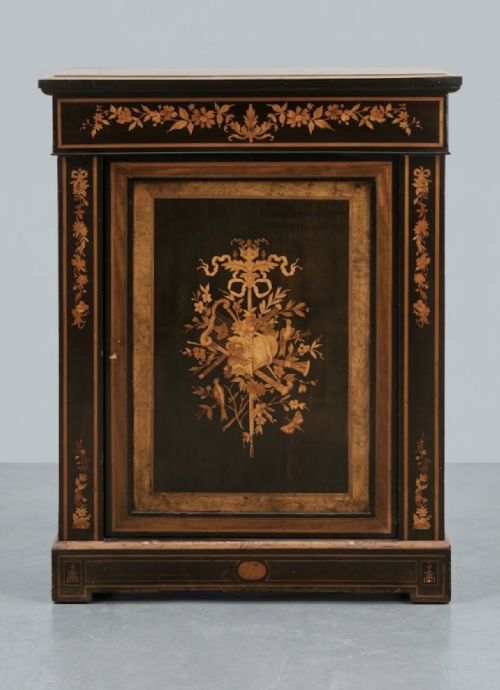
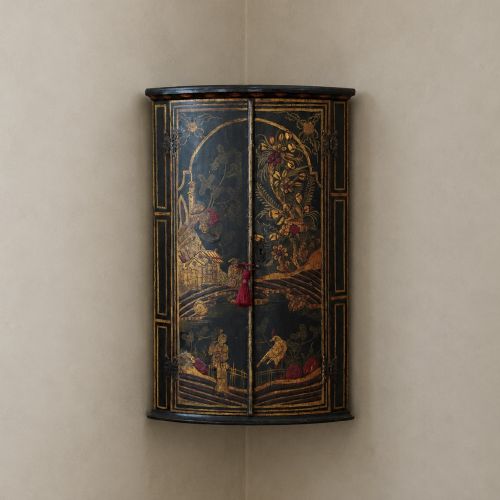
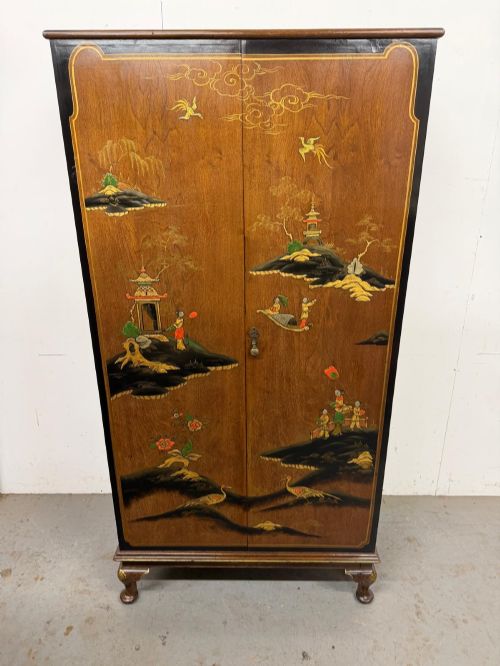
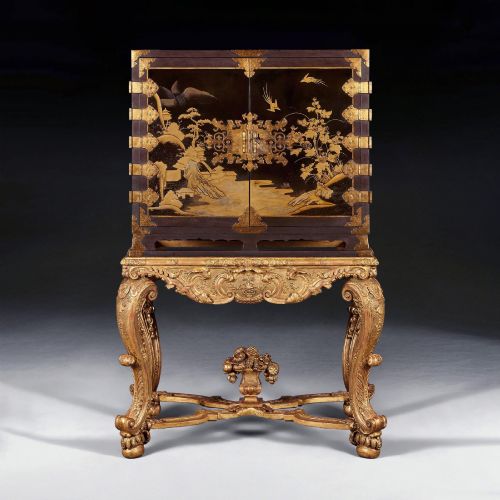
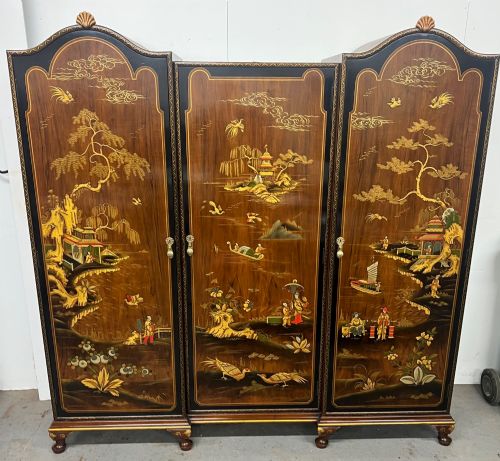
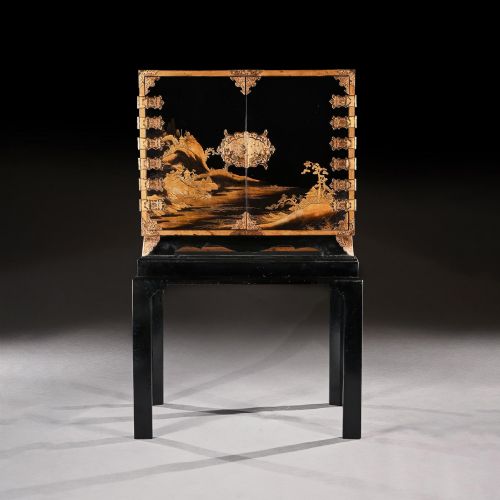
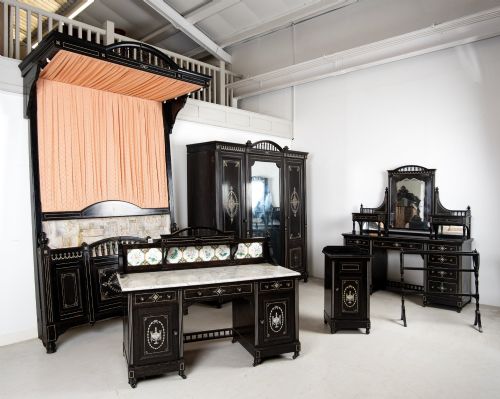
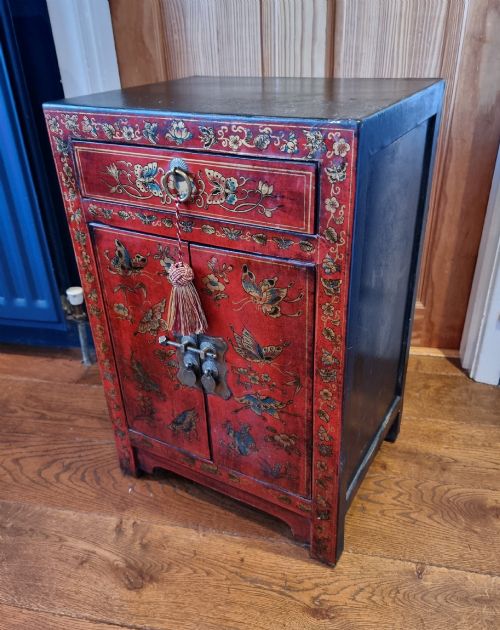
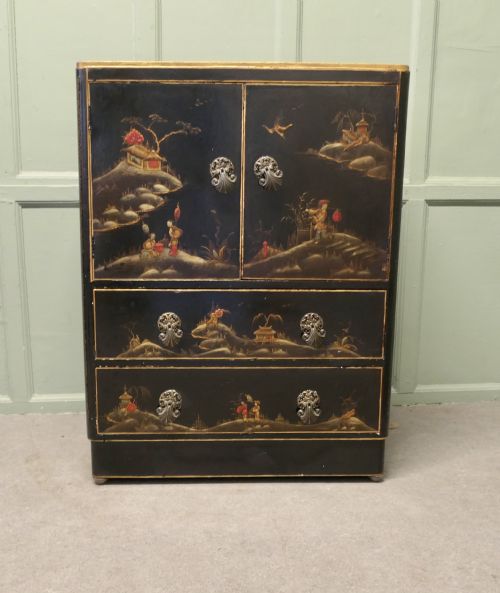
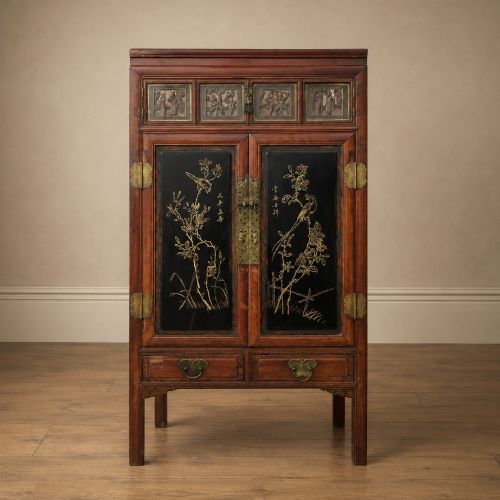
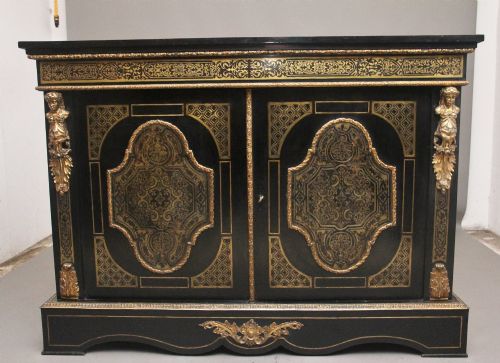
The aesthetic expressions vary significantly across regions and eras. You meet English and European painted pine and oak pieces, French ebonised designs mounted with ormolu or porcelain plaques, and intricate Japanese or Chinese lacquer and Japanned cabinets.
Corner cupboards and side cabinets dominate the domestic items found in this category, offering functional storage while introducing dark, grounding tones to an interior. The selection includes both utilitarian pine storage and highly decorative display furniture.
How they were made
Craftsmen built these cupboards using solid timbers such as pine, oak, and elm, often applying ebonisation or black paint to mimic more expensive exotic hardwoods. Surfaces were frequently prepared for elaborate decoration using layers of gesso and paint.
Decorative finishes often involved lacquer, gold leaf, and Japanning techniques to achieve glossy, orientalised surfaces filled with raised motifs. Brass hardware, ormolu mounts, and inlaid brass or wood details were subsequently added to accentuate the dark cabinetry.
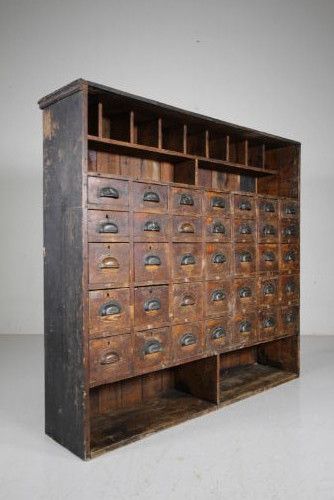
Among the storage pieces hide apothecary chests boasting up to eighty tiny drawers, ready for an enormous collection of very small things.
What varies in quality
The distinction between standard utility furniture and superior examples lies in the execution of the surface finish and the integrity of the underlying joinery. Fine lacquerwork and hand-painted Chinoiserie display depth and precision, whereas basic painted pine relies on simpler construction and surface application.
Original hardware, such as brass hinges, handles, and gilt bronze mounts, elevates a piece significantly compared to later replacements. The sophistication of structural details, including hand-cut dovetailing and panelled doors, marks the difference between regional vernacular pieces and high-workshop productions.
Henry Ogden and Son·Japy Frères·Maples and Co
The Antique Black Cupboard Glossary
- Japanning
- A European imitation of East Asian lacquerwork produced by applying successive layers of varnish and heat-cured finishes. This technique became popular during the seventeenth and eighteenth centuries for cabinets and corner cupboards.
- Ebonised
- Timber treated with chemical stains or dark paint to imitate genuine ebony. This finish was widely utilised during the Victorian era and the Aesthetic movement.
- Chinoiserie
- European decorative style reflecting Chinese artistic influences, characterised by painted or raised motifs of figures, pagodas, and landscapes. It frequently appears on black lacquered cabinets and wardrobes.
- Ormolu
- Gilded bronze mounts applied to furniture, commonly seen on nineteenth-century French ebonised cabinets. The metalwork provides decorative contrast against dark polished surfaces.
- Compactum
- A multi-functional wardrobe or cabinet designed with interior compartments, drawers, and hanging space. These pieces offer organised storage within a single footprint.
Antique Black Cupboard: Frequently Asked Questions
How do I care for antique lacquer?
Dust surfaces gently with a soft, dry cloth and avoid commercial polishes that contain harsh chemicals or silicone. Keep the cupboard away from direct sunlight and fluctuating humidity to prevent cracking.
Maintain stable indoor temperatures to protect the underlying wood and delicate surface layers from expanding or contracting.
What is the difference between Japanned and lacquered furniture?
Japanning is a European technique developed to imitate genuine Asian lacquer by building up layers of varnish on pine or oak. True lacquer utilises natural sap applied in traditional Eastern workshops.
European Japanned pieces often feature raised gold and red motifs on a dark ground, mimicking imported items from China and Japan.
Where were corner cupboards placed?
Corner cupboards were traditionally utilised to maximise awkward spaces in dining rooms, halls, and parlours. They provided secure storage for glassware, ceramics, and household linens.
Their triangular footprint allowed them to fit snugly into room corners while displaying decorative surfaces outward.
How do I identify Victorian ebonised pieces?
Victorian ebonised furniture often combines dark surfaces with gilt details, brass inlays, or porcelain plaques. These pieces were heavily influenced by French Napoleon III and Aesthetic movement styles.
Look for secondary timbers like pine or mahogany beneath the black finish, alongside period construction methods.