


Antique Loose Leaf Caddy
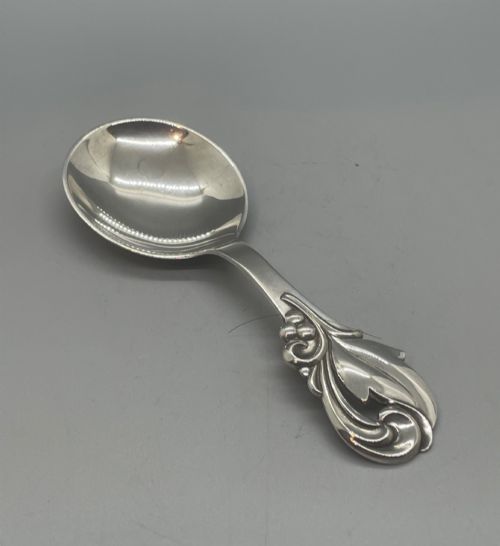
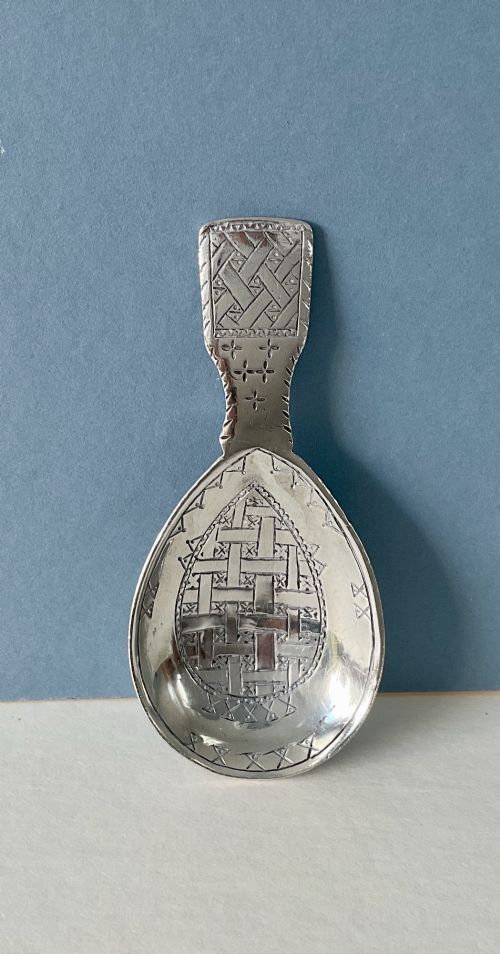
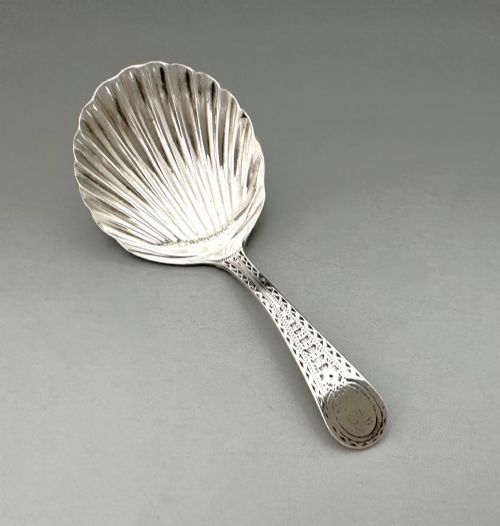
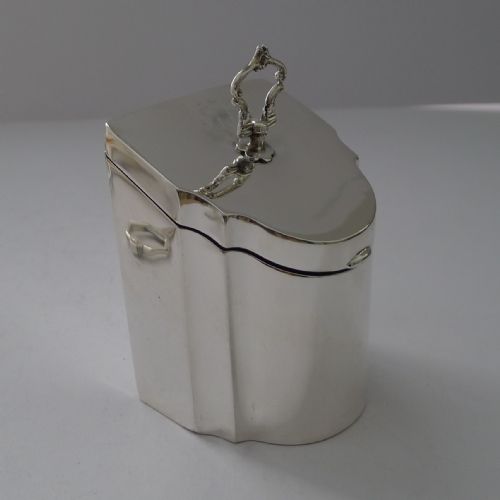
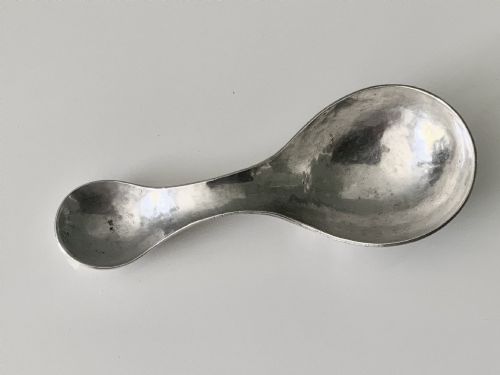
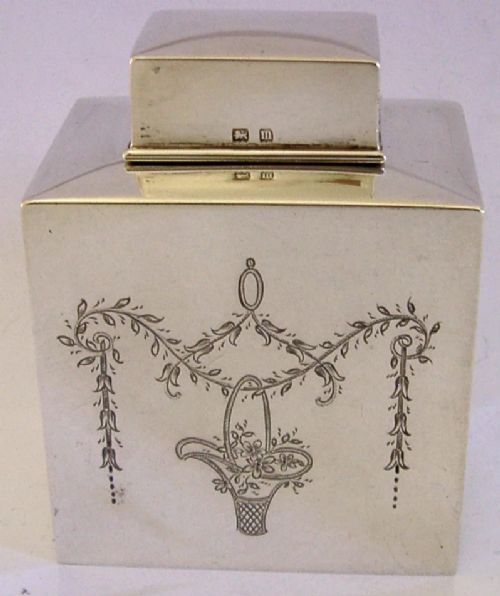
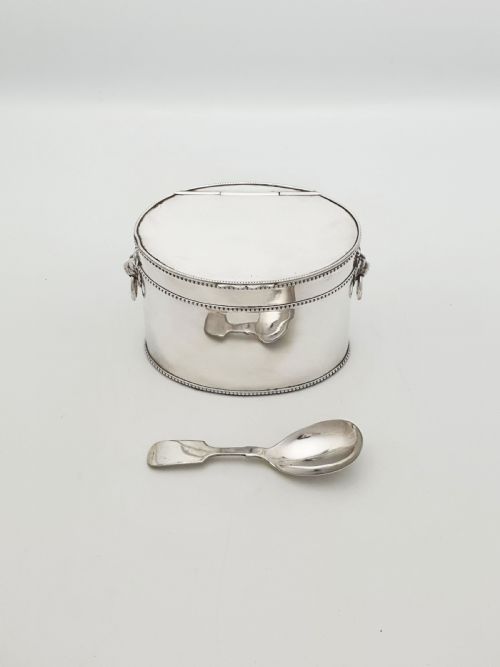
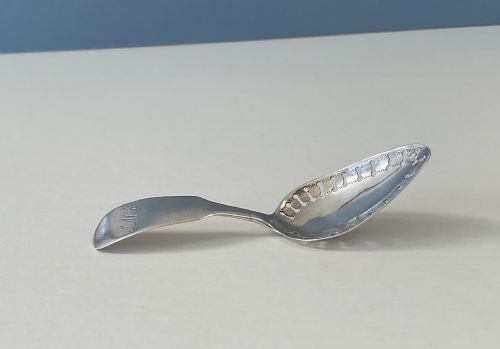
These antique loose leaf caddy examples are fine wooden boxes and silver spoons designed to store and measure loose tea.
Antique Loose Leaf Caddy
An antique loose leaf caddy brings together the forms of tea caddies and caddy spoons designed for storing and measuring loose tea. These pieces span periods from the eighteenth century through to the mid twentieth century, encompassing Georgian, Regency, Victorian, and Edwardian eras.
Buyers most frequently encounter silver caddy spoons alongside wooden tea caddy boxes on this page. These items reflect the domestic rituals of tea preparation from eras when loose leaf tea was kept under lock and key.
How they were made
The wooden tea caddies utilise dense timbers like mahogany and rosewood, often inlaid with contrasting boxwood. Cabinetmakers shaped these into sarcophagus and knife box forms to protect dry tea leaves from moisture.
Silver items including tea caddies and caddy spoons are wrought in sterling silver and standard silver. Makers employed techniques such as double striking on spoons and applied cast details like lion mask handles to boxes.
Some nineteenth century caddies hid a glass mixing bowl inside so guests could blend their own loose leaf tea leaves.
What varies in quality
Quality rests in the precision of the cabinetwork and the weight of the silver. Finer wooden caddies display crisp boxwood stringing and well-fitted interior compartments for loose leaf storage.
Silver caddy spoons and boxes show distinction through the crispness of their hallmarks, such as those from Birmingham or Sheffield, and the clarity of decorative chasing or applied handles.
Zimmermann·Ernest Druiff & Co·Atkin Brothers
The Antique Loose Leaf Caddy Glossary
- Sarcophagus
- A box form with a sloping lid resembling a stone coffin, popular for Regency and William IV tea caddies.
- Caddy spoon
- A short-handled spoon specifically designed to measure loose leaf tea from a canister into a pot.
- Stringing
- A thin inlay of contrasting wood, such as boxwood, used to outline the edges of mahogany and rosewood furniture.
- Double struck
- A method of pressing a spoon die twice to ensure deep, crisp relief on both sides of the handle.
Antique Loose Leaf Caddy: Frequently Asked Questions
What is an antique loose leaf caddy used for?
These pieces were built to store and measure loose tea leaves when tea was a costly household commodity. Wooden caddies kept the leaves dry and secure, while small silver spoons measured out exact portions.
Today, they serve as decorative storage boxes or display items in drawing rooms and dining spaces. Their compartments make them practical for holding small keepsakes.
What is the difference between a tea caddy and a caddy spoon?
A tea caddy is a larger storage box or canister designed to hold loose leaf tea securely. They range from wooden knife box forms to solid silver containers with hinged lids.
A caddy spoon is a small utensil specifically sized to scoop tea leaves from the caddy into the teapot. These spoons are often found in sterling silver with decorative bowls and short handles.
How should I care for wooden tea caddies?
Keep wooden caddies away from direct sunlight and radiators to prevent the mahogany or rosewood from drying out. Maintain a stable room temperature to protect delicate boxwood stringing and internal veneers.
Dust the exterior gently with a soft cloth and avoid using harsh liquid polishes. Wax can be applied sparingly if the timber loses its natural lustre.