
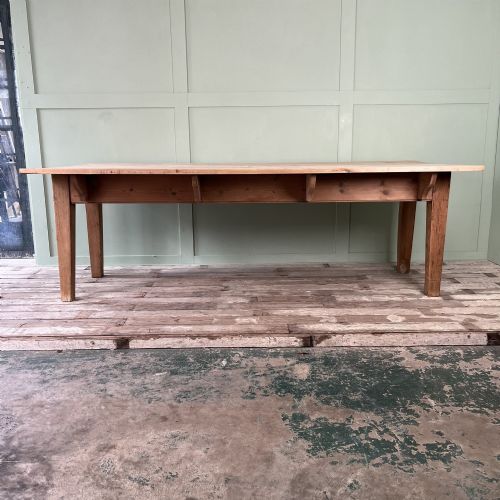
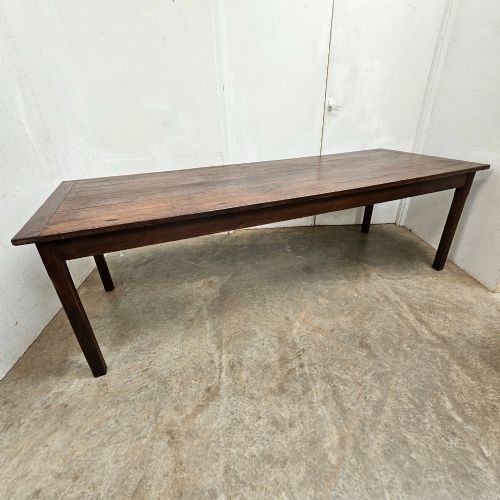
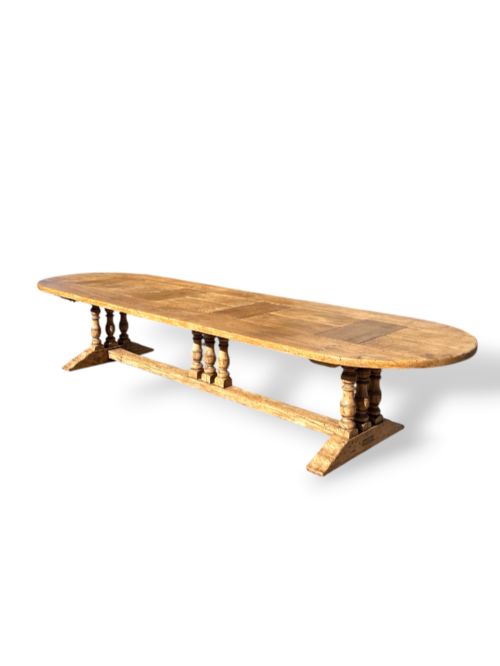
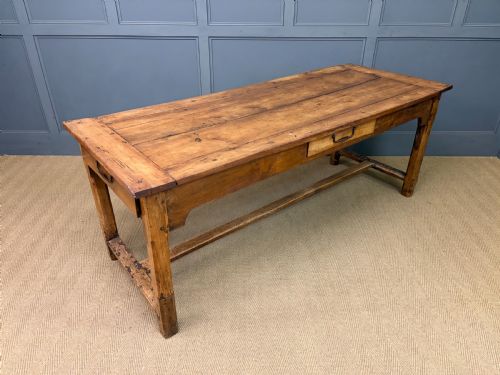
Antique Long Dining Table
An antique long dining table anchors a large room, offering generous seating fashioned from solid timber over centuries of daily use.

Antique Long Dining Table
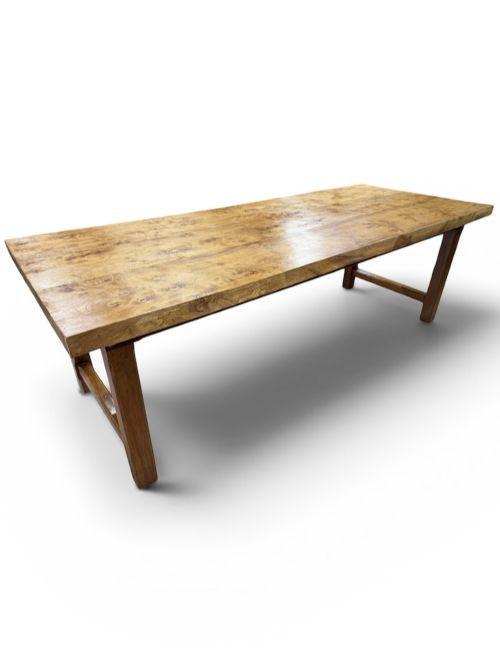
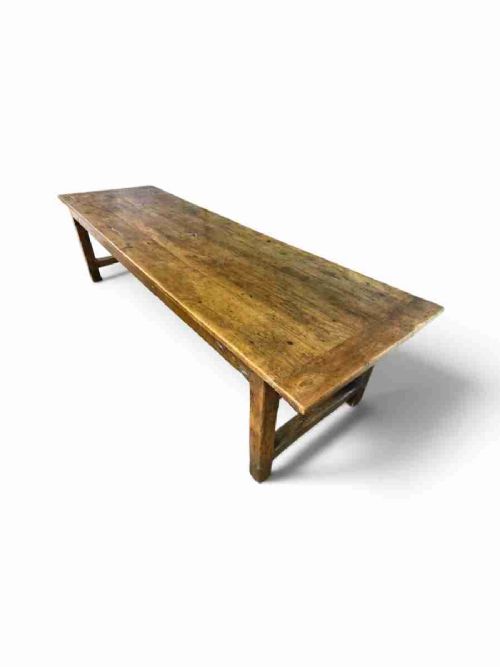
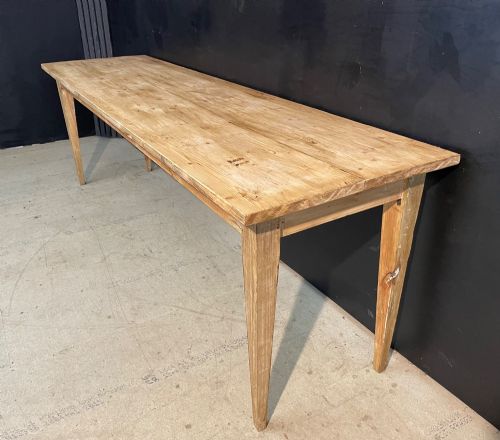
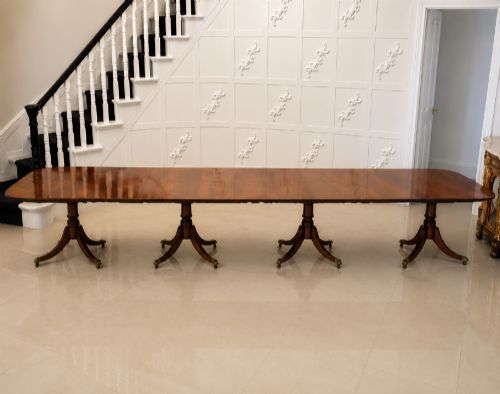
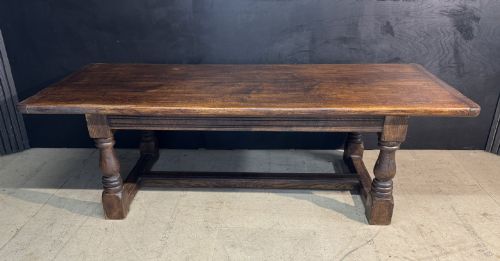
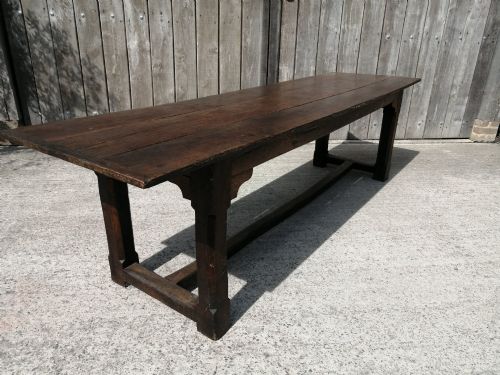
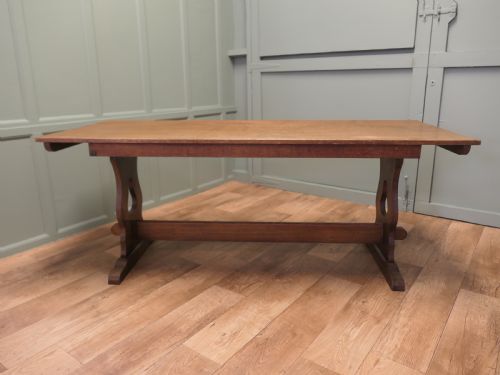
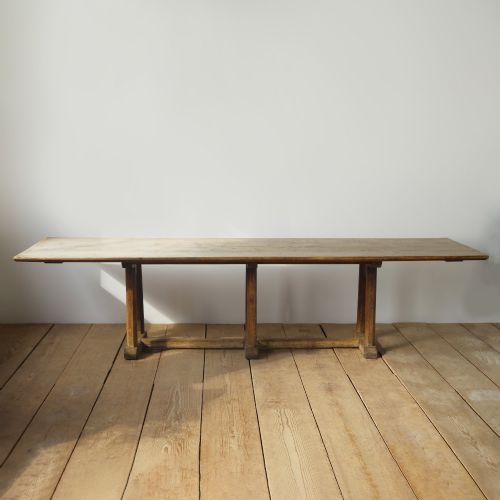
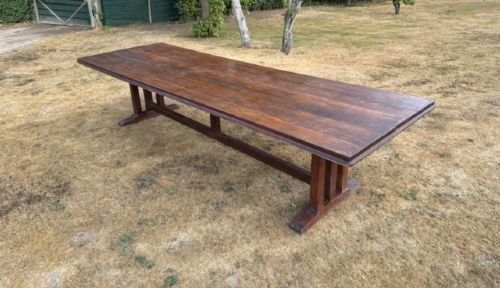
An antique long dining table spans several formats designed for communal dining, primarily appearing as robust refectory tables, rustic farmhouse tables, or extended pedestal dining tables. These pieces originate across the seventeenth, eighteenth, nineteenth, and early twentieth centuries, reflecting diverse domestic and institutional traditions.
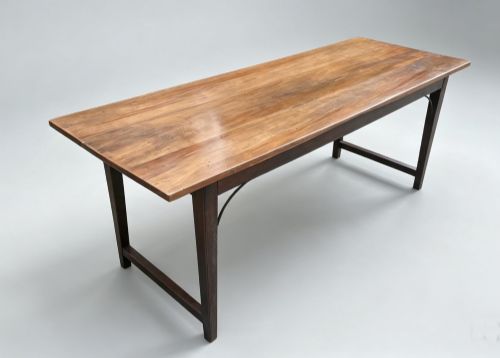
The version most commonly encountered on this page is the wooden refectory or farmhouse table stretching past standard domestic proportions. They are built to accommodate large gatherings, frequently constructed from enduring native hardwoods and softwoods.
Makers and craftsmen built these forms for utility, resulting in pieces that range from unadorned country kitchen boards to formal multi-pedestal banquet tables. The overarching category encompasses simple trestle designs as well as carved oak examplars.
Materials and construction methods
Joinery relies on traditional timber framing, utilising heavy oak, pine, elm, and fruitwood planks secured with pegged mortise and tenon joints. Carpenters selected timber for structural resilience, often pairing thick table tops with robust stretcher bases or multiple pedestals to support extended lengths.
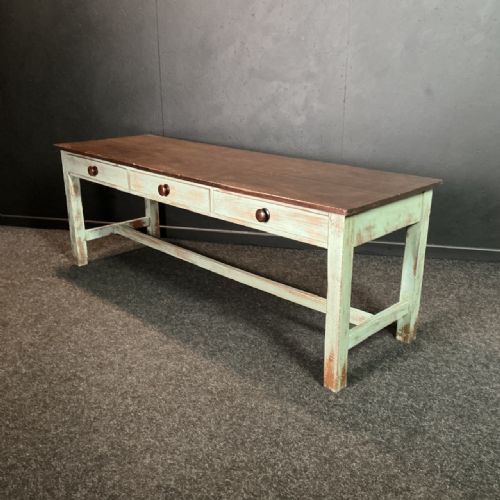
Surface preparation involved hand-planing and joining wide boards, occasionally incorporating secondary woods such as beech or pitch pine underneath. Hardware such as iron braces or drawers appeared where functional storage or extra rigidity was required for daily service.
Antique Long Dining Table Retail Price Guide 2026
Typical asking prices for long dining table among the pieces listed under this phrase on Sellingantiques today, from the lower quarter to the upper quarter. They describe what is for sale here now, not the wider market.
Listings feature oak, pine, elm, and fruitwood across centuries ranging from the seventeenth to the mid-twentieth.
Assessing quality in extended tables
Quality rests in the integrity of the timber selection and the retention of original structural surfaces. Tables fashioned from thick, single-plank oak or aged fruitwood with honest surface patination sit at the top of the range.
Lower tiers of quality involve heavily altered dimensions, replaced boards, or structural compromises hidden beneath modern finishes. The best examples maintain their original height, stable bases, and uncompromised joinery developed through centuries of proper seasoning.
The Antique Long Dining Table Glossary
- Refectory table
- A long, narrow dining table originally built for monastic dining halls and later adapted for domestic use. They typically feature sturdy legs joined by low floor stretchers.
- Farmhouse table
- A practical domestic table featuring a substantial timber top and four legs, frequently equipped with one or more drawers built into the apron. These utility pieces formed the heart of rural kitchens.
- Pedestal table
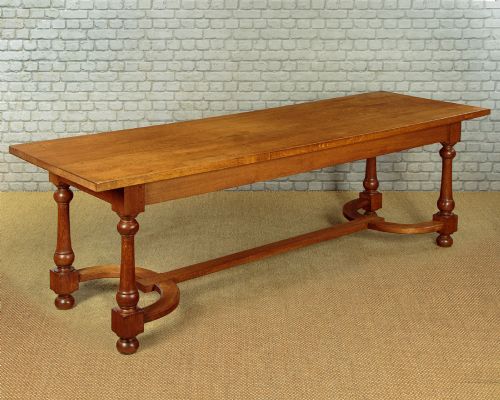
- A table supported by one or more central pillars or columns rather than corner legs, often used in modular banquet formats with removable leaves. This design allows maximum legroom for seated guests.
- Stretcher
- A horizontal wooden brace connecting the legs of a table to provide lateral stability and strength. In early pieces, these often sat low to act as footrests away from cold floors.
- Plank top
- A table surface constructed from two or more long boards joined edge to edge. Early iterations display distinct grain patterns and visible pegging from original construction.
Antique Long Dining Table: Frequently Asked Questions
How do I seat guests comfortably?
Long tables require careful consideration of leg placement and stretcher positions underneath the top. Tables with inset legs or central pedestals offer more flexibility for chair clearance along the full length.
Measuring the height from the floor to the underside of the apron ensures standard dining chairs slide underneath without crowding knees. Benches also provide adaptable seating configurations that slide completely out of sight when not in use.
How are these large tables cared for?
Daily maintenance requires simple dusting with a dry or slightly damp cloth to protect historic wooden surfaces from moisture damage. Avoiding harsh chemical polishes preserves the natural wax and oil patination built up over generations.
Periodic application of appropriate beeswax feeds dry timber, particularly on heavy oak and pine boards. Placing tables away from direct heat sources and strong sunlight prevents excessive shrinkage and splitting in aged wood.
How do I tell an 18th century table from a 19th century one?
Eighteenth-century examples often display deep hand-adzed tool marks, pegged joinery, and broader oak planks shaped by pit-sawing. The timber shows rich patination from centuries of wear and simple soap-and-water scrubbing.
Nineteenth-century variants frequently incorporate softer pine or cherrywood, sometimes utilising machine-sawn components and standardised hardware. Examining the underside and joint structures reveals the transition from entirely hand-wrought carpentry to semi-industrial production.
Were these always used for dining?
Many large tables served multiple domestic and institutional functions before finding a permanent home in modern dining rooms. Examples documented as refectory, monastery, or boardroom tables originally hosted communal meals, study sessions, or administrative meetings.
Kitchen and harvest tables managed food preparation, baking, and laundry alongside family suppers. This multi-purpose origin explains the practical drawers, deep overhangs, and robust timber construction found across the category.