
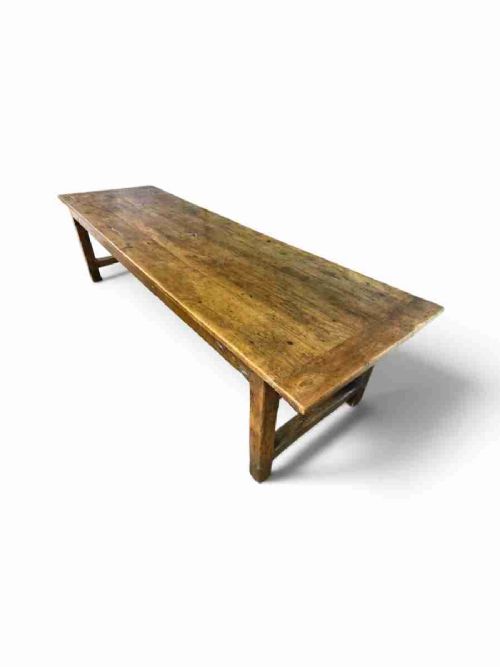
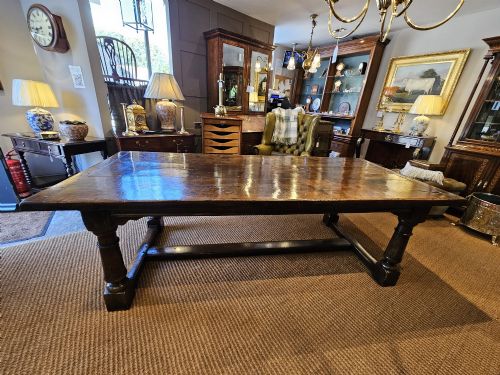
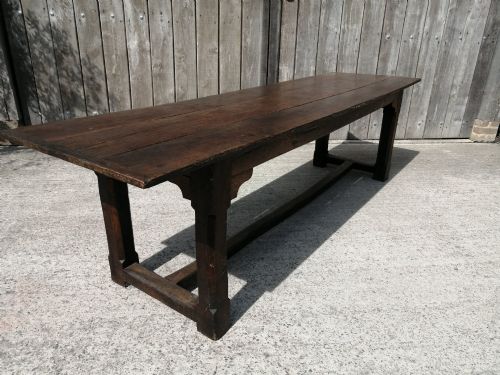
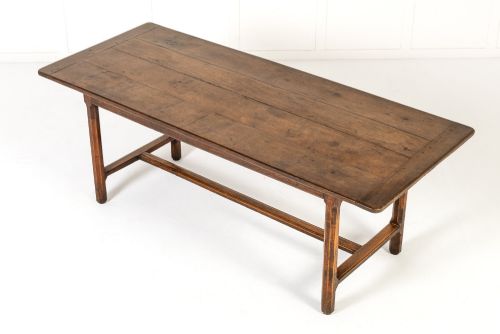


Georgian Oak Refectory Table
A georgian oak refectory table brings sturdy timber and centuries of dining history straight into your home.
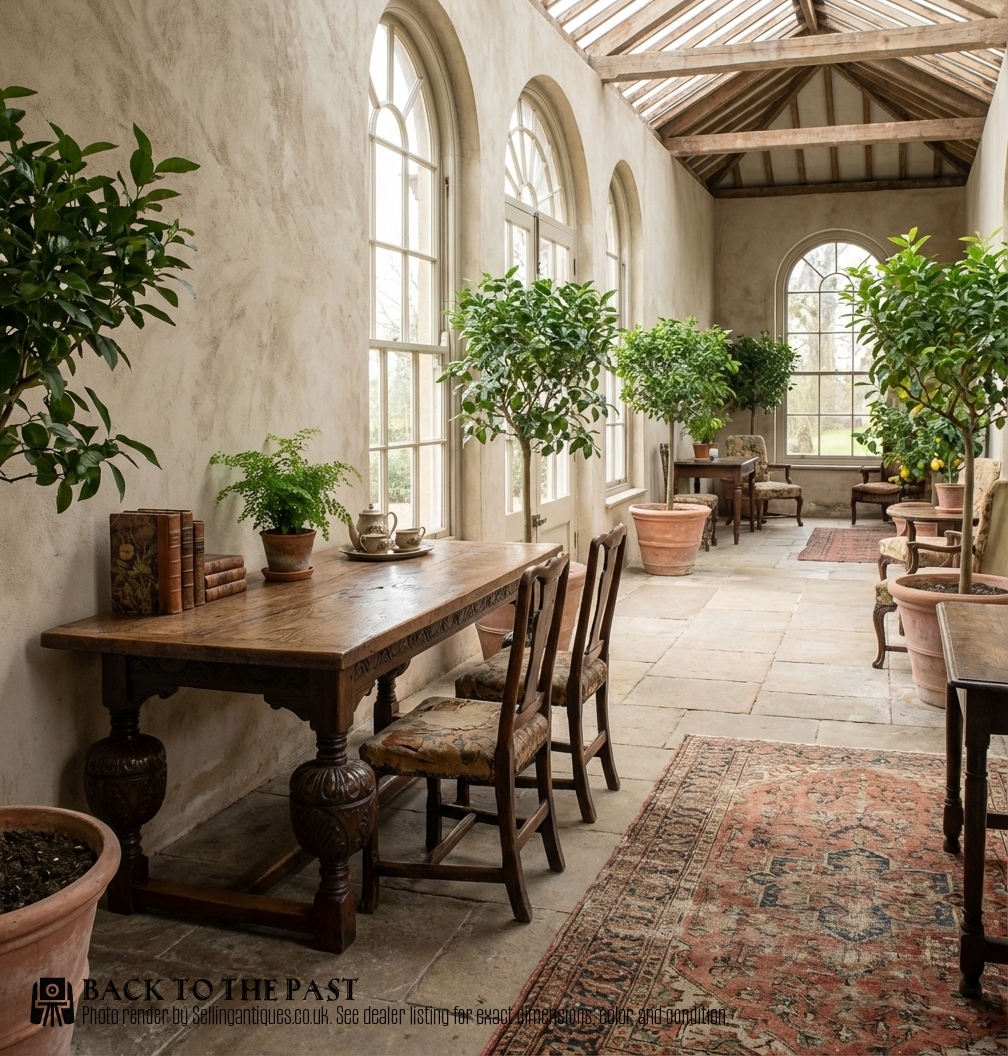
What a georgian oak refectory table is
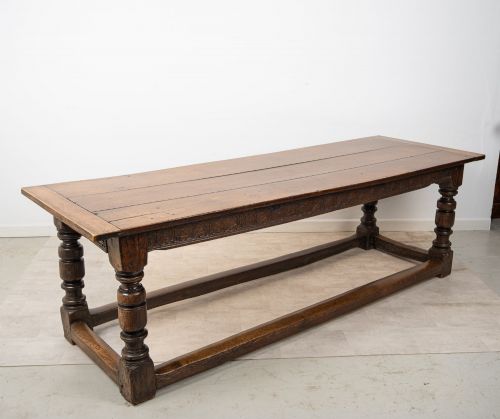
A georgian oak refectory table stands as a robust dining surface rooted in centuries of domestic use. These pieces embody the functional design of earlier periods adapted for large gatherings.
You are most likely to meet examples from the eighteenth century, alongside later nineteenth century interpretations and pieces combining eighteenth century elements with later timber.
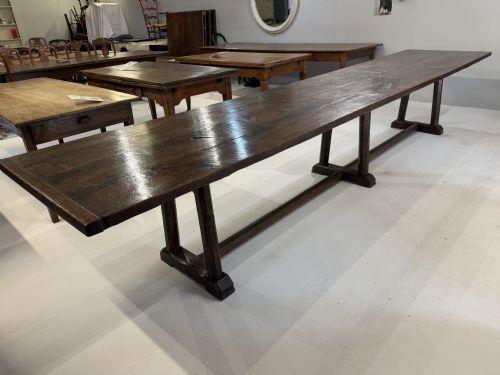
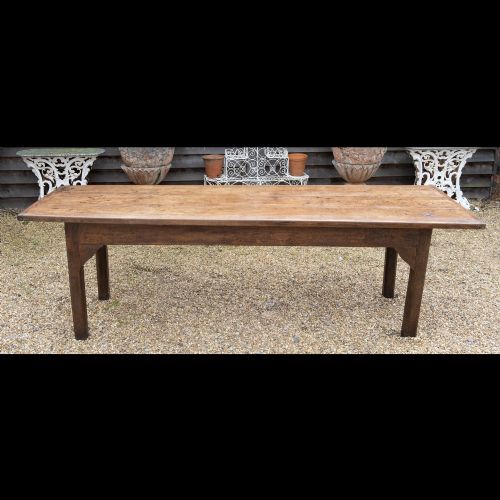
The primary forms listed include long dining tables and farmhouse kitchen variants, often seating six to eight people or stretching up to nine feet in length.
How they were made
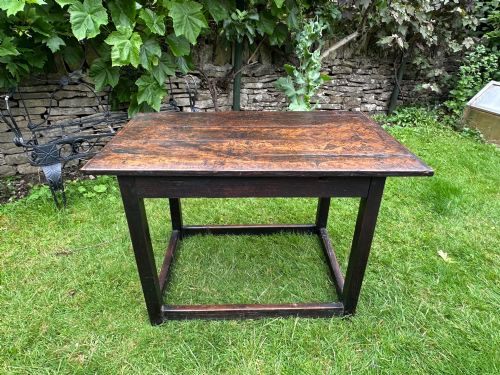
Construction relies heavily on solid oak timbers, frequently paired with elm for specific structural components or secondary woods. Planks form the expansive tops, joined to sturdy framing and legs designed to support heavy daily use.
Joinery methods reflect traditional cabinet making and carpentry techniques of the period, utilising pegged joints and substantial stretchers for stability. The surfaces display the natural grain and texture of native hardwoods.
Retail Price Guide 2026
Typical UK retail prices for georgian oak refectory table, calculated from the Sellingantiques database of over a million retail prices indexed since 2003. This retail price guide relies exclusively on Sellingantiques data; no external sources or auction records are used, so the figures do not describe the wider market.
Styles represented across the inventory range from rustic country and Georgian to Gothic Revival.
What varies in quality
The distinction between standard examples and the finest pieces often lies in the choice of timber and the proportion of original material retained. Tables featuring integrated eighteenth century plank tops and unaltered frames hold greater historical integrity.
Subtle variations in leg turning, stretcher placement, and edge moulding separate utilitarian country furniture from more refined Georgian and Gothic Revival commissions. The depth of the timber's patination also shapes the visual character of each piece.
The Georgian Oak Refectory Table Glossary
- Refectory table
- A long dining table historically used in communal dining halls and later adopted for domestic kitchens and dining rooms. These pieces are characterised by their substantial length and supportive underframes.
- Plank top
- A table surface constructed from wide boards of solid timber joined edge to edge. This construction method is typical of earlier large dining tables.
- Stretcher
- A horizontal support connecting the legs of a table to improve rigidity and strength. In these tables, stretchers often run close to the floor.
- Patina
- The surface sheen and colour developed over decades and centuries through handling, waxing, and ageing. A desirable patination reflects the genuine history of the wood.
- Gothic Revival
- An architectural and decorative style drawing inspiration from medieval design. In furniture, this manifests in pointed arches, tracery, and formal vertical emphasis.
Frequently Asked Questions
How do I care for an old oak table?
Keep the timber clean using a slightly damp cloth and nourish the surface periodically with traditional beeswax to maintain the finish.
Avoid placing the table near direct heat sources or in fluctuating humidity to prevent the solid planks from splitting.
Were these tables used in kitchens?
Many examples served utilitarian roles in large country houses and farmhouses where food preparation and family meals happened in the same space.
Their robust construction made them ideal for the heavy demands of daily domestic life.
How can I tell the period of the timber?
Examination of the underside and joints reveals tool marks, peg construction, and wear patterns that correspond to eighteenth or nineteenth century working methods.
Differences in colour and grain across the boards can also indicate whether parts are later replacements or additions.
Do these tables seat many people?
The extended lengths, spanning up to nine feet, were specifically built to accommodate large families and guests for communal dining.
Sizing options on this page typically provide seating for six to eight diners comfortably.