



Antique Log Storage Box
An antique log storage box keeps hearth fuel dry and tidy beside the fireplace, combining practical metal or timber construction with period character.
Antique Log Storage Box
When you search for an antique log storage box, you encounter a range of fireside receptacles including coal scuttles, purdoniums, log bins, and wicker baskets. These pieces originate primarily from the eighteenth, nineteenth, and early twentieth centuries, spanning Georgian, Victorian, Edwardian, and Arts and Crafts periods.
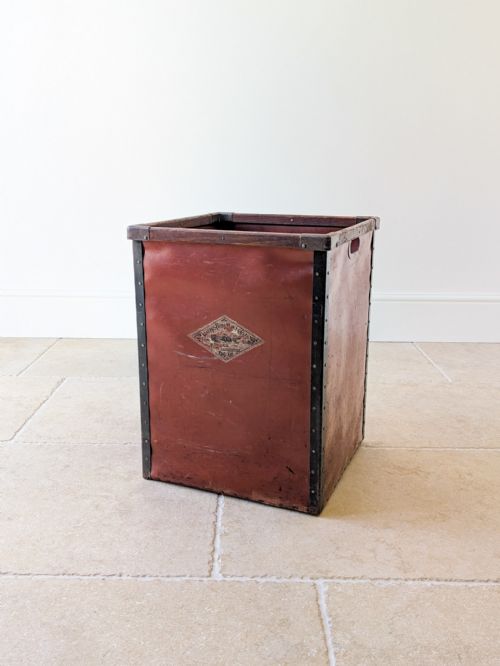
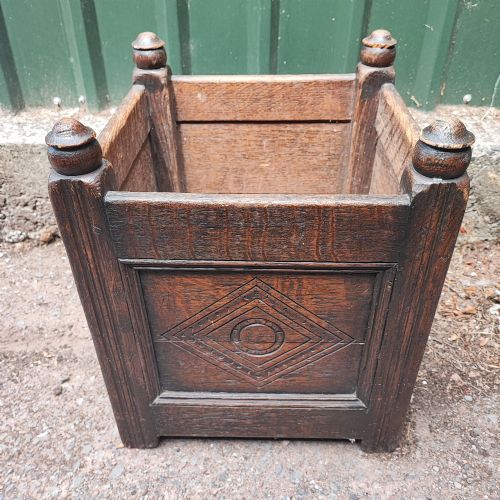
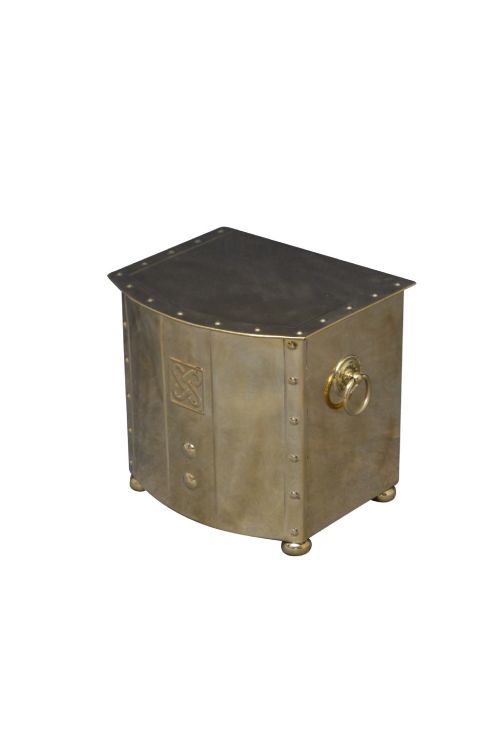
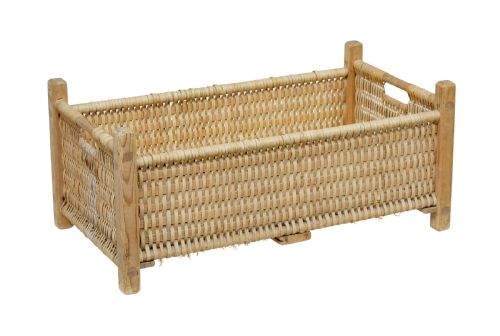
The version you are most likely to meet on this page is a Victorian timber or metal fireside container, often fashioned from oak, walnut, pine, brass, or copper. Examples stretch from country house oak bunkers to industrial mill bins and hand-woven Scandinavian pine baskets.
Many items served dual purposes originally, doubling as coal purdoniums with interior metal liners, fireside seats, or decorative planters. Geographical origins vary widely across English country houses, Scottish workshops, Scandinavian villages, and continental European makers.
Materials and Construction
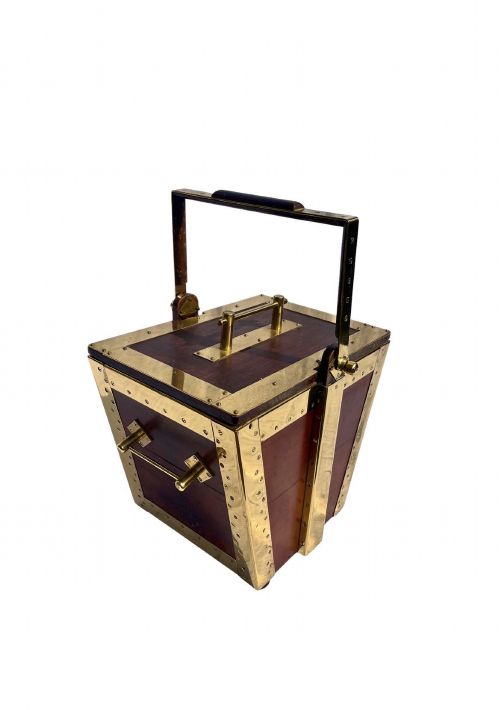
Cabinet makers utilised dense hardwoods such as oak, mahogany, and walnut for traditional boxes and purdoniums, frequently incorporating brass hinges, handles, and decorative mounts. Iron and steel bands reinforce heavy country house bins and blacksmith-made wagons.
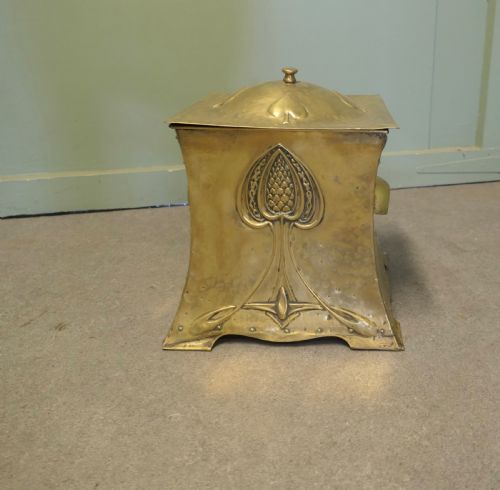
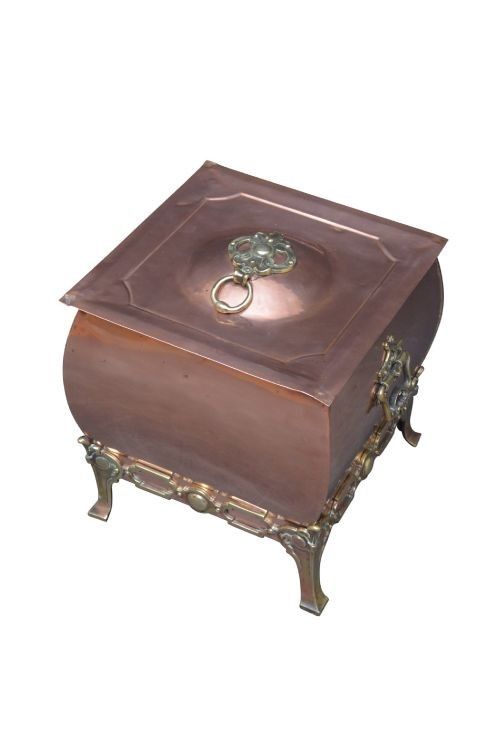
Metalworkers shaped copper and brass into scuttles, slipper boxes, and embossed panels, sometimes applying Art Nouveau or Arts and Crafts motifs. Folk art pieces display painted finishes and toleware details.
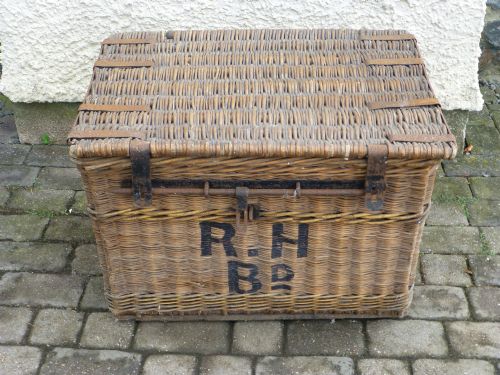
Country and regional pieces rely on hand-woven pine, wicker, and cane, creating sturdy baskets designed for hauling timber from outdoor stores directly to the hearth.
Listings feature timber varieties including oak, walnut, pine, and mahogany alongside metal work in brass, copper, and iron from the eighteenth to twentieth centuries.
Build and Finish
The calibre of a piece rests on the integrity of its joints, the weight of its metal fittings, and the preservation of its original surface. Solid timber construction with dovetailed joints and heavy gauge brass or copper indicates superior workshop production.
Finishes range from plain utility items to sophisticated Edwardian mahogany inlay, hand-beaten Arts and Crafts copper panels, and folk art painted decoration. Pieces retaining their original interior metal liners and functioning brass drop handles command greater appreciation.
The Antique Log Storage Box Glossary
- Purdonium
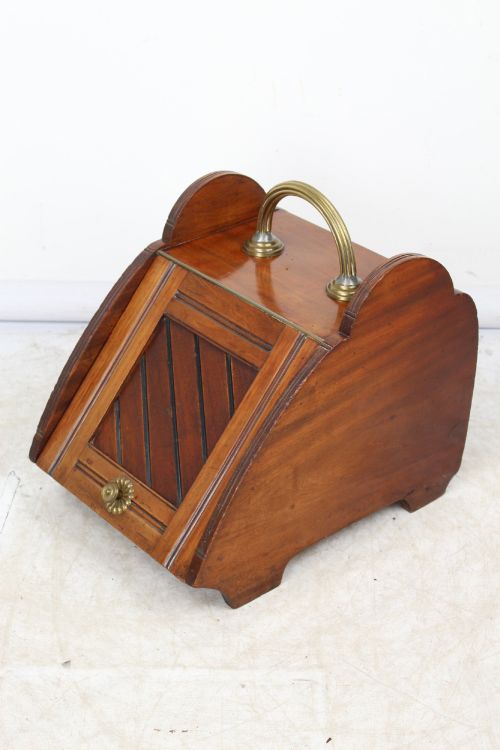
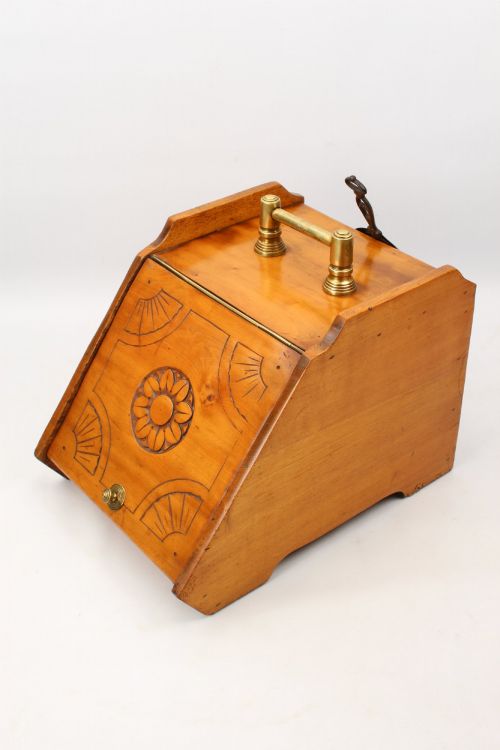
- A specialised fireside cabinet designed to hold coal or logs, typically featuring a sloping front door and an interior metal scoop or liner. This Victorian invention kept fuel neatly concealed within a domestic parlor.
- Coal Scuttle
- A bucket or scuttle shaped container with a handle and lip for carrying fuel to the grate. Metal versions in brass and copper often include matching shovels.
- Toleware
- Japanned or painted metalware produced to mimic oriental lacquer. These decorated items appear in nineteenth-century fireside storage.
- Aesthetic Period
- A late nineteenth-century design movement emphasising visual beauty over narrative or moral function. Pieces from this era display refined artistic styling on utilitarian objects.
Antique Log Storage Box: Frequently Asked Questions
How were coal purdoniums used?
A coal purdonium sat beside the fireplace to store fuel cleanly inside the living room. The sloping front dropped open to reveal a removable metal scoop or liner that transported coal directly to the grate.
Cabinet enclosures kept coal dust contained and hid messy fuel behind panelled wood doors. Many included a compartment on top for kindling wood or matches.
Can these bins hold actual logs?
Larger eighteenth and nineteenth-century pieces such as oak bunkers, iron-banded pine bins, and woven baskets accommodate standard fireplace logs easily. Heavy duty construction allows them to withstand the weight of timber without straining the joints.
Smaller Victorian coal scuttles and purdoniums suit smaller kindling or coal rather than full-sized logs. Buyers should check internal dimensions before storing heavy firewood.
How do I care for antique brass and copper?
Metal surfaces require minimal intervention to preserve their historic character and natural patina. Dusting regularly with a soft dry cloth prevents dirt build-up without stripping the aged finish.
Avoid harsh chemical metal polishes that remove the dark oxidation accumulated over a century. Gentle cleaning maintains the warm glow appreciated by collectors.
How are Victorian pieces dated?
Dating relies on construction methods, timber choices, and prevailing stylistic influences. Early Victorian examples often use heavy solid oak or walnut with robust brass mounts, while later pieces incorporate machine-sawn components and lighter inlays.
Design motifs also provide clues, shifting from plain utilitarian boxes to elaborate Arts and Crafts hand-beaten panels or Art Nouveau curves towards the end of the nineteenth century.