

Brass Log Scuttle
A brass log scuttle is a functional hearth vessel that brings period warmth and metallic weight to a fireplace.
Brass Log Scuttle
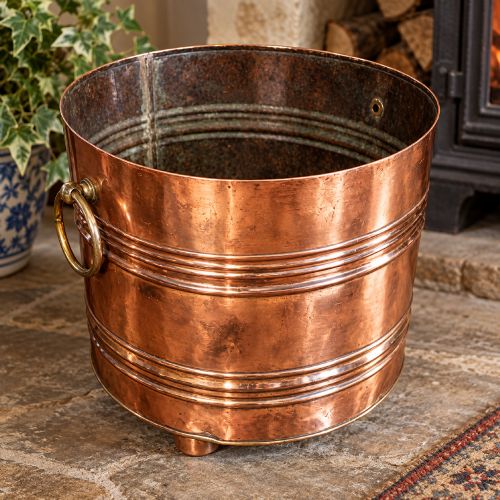
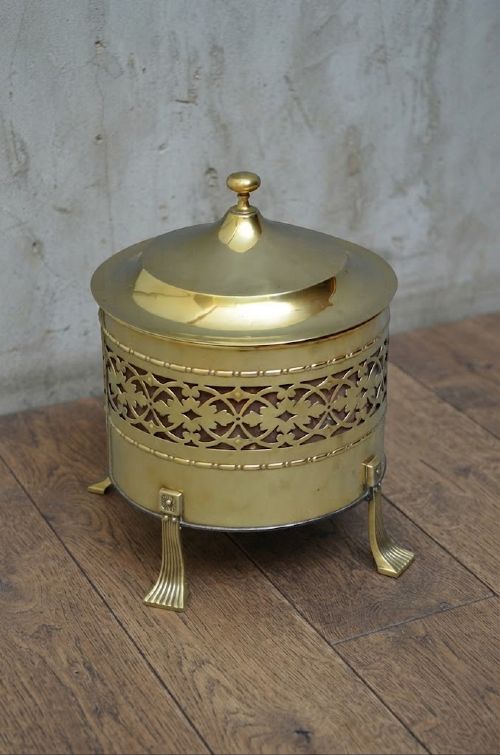
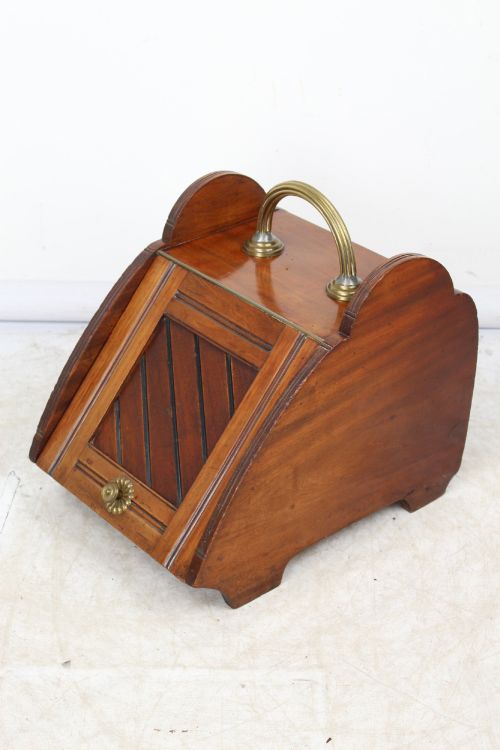
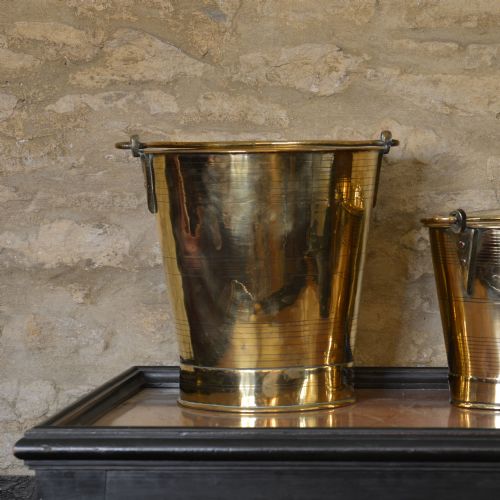
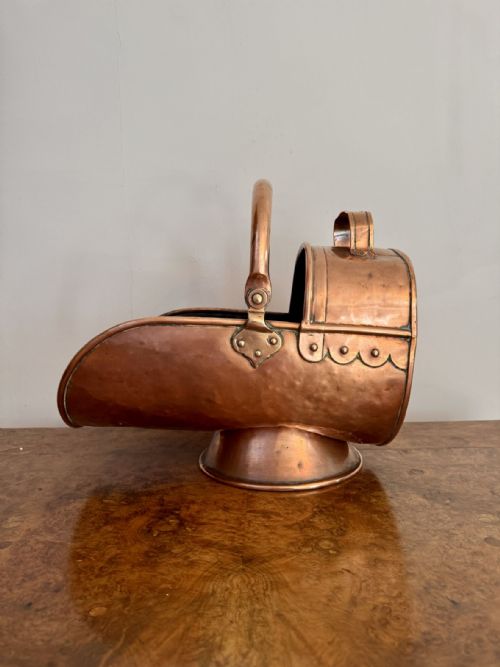
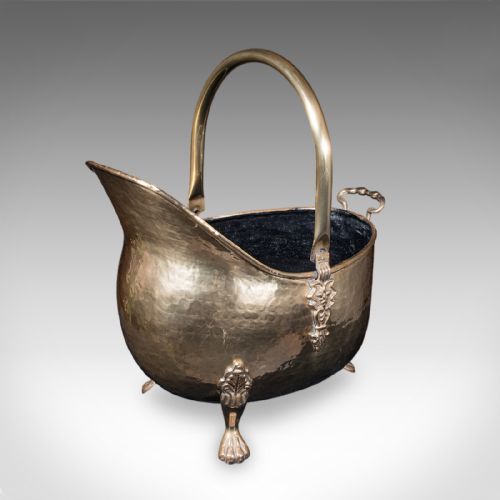
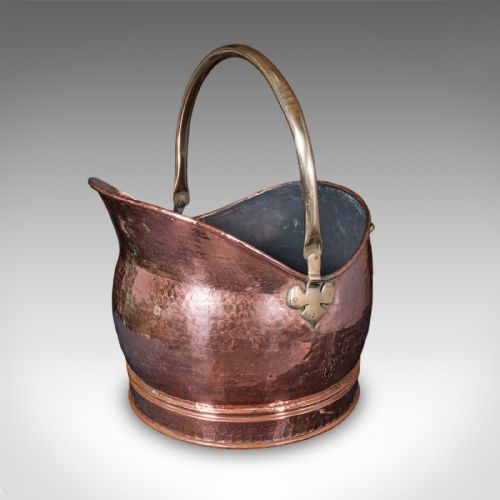
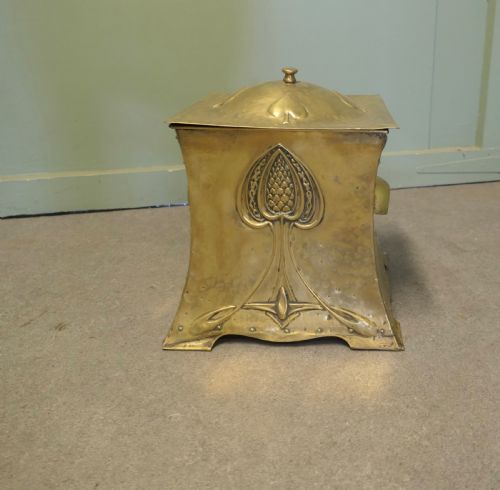
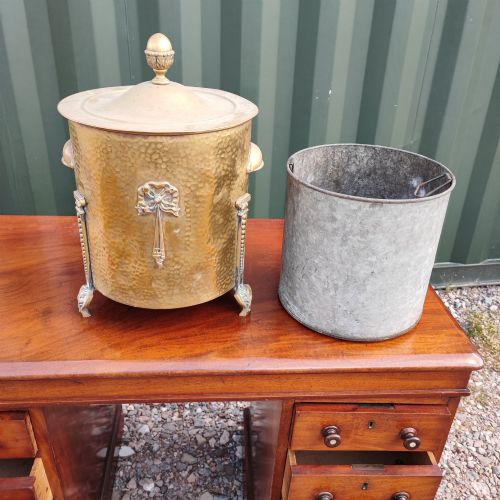
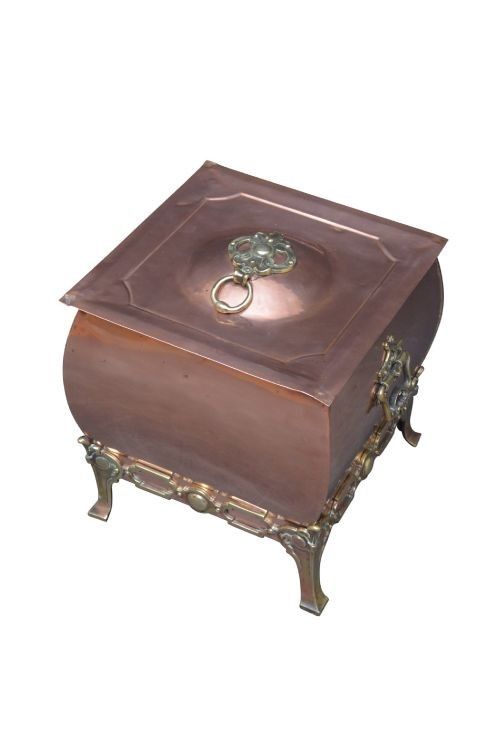
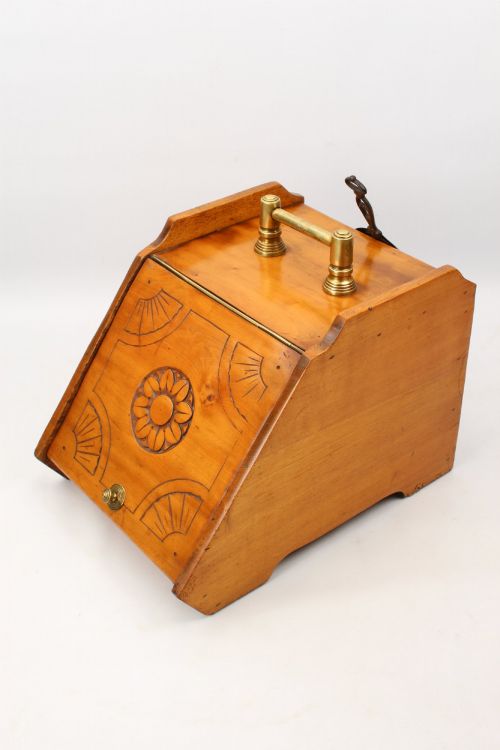
A brass log scuttle serves as a sturdy receptacle for hearth fuel, designed to sit beside the fireplace while holding logs, coal, or kindling. These items encompass open buckets, lidded bins, helmet-shaped scuttles, and boat-shaped peat buckets suited for domestic fireside use.
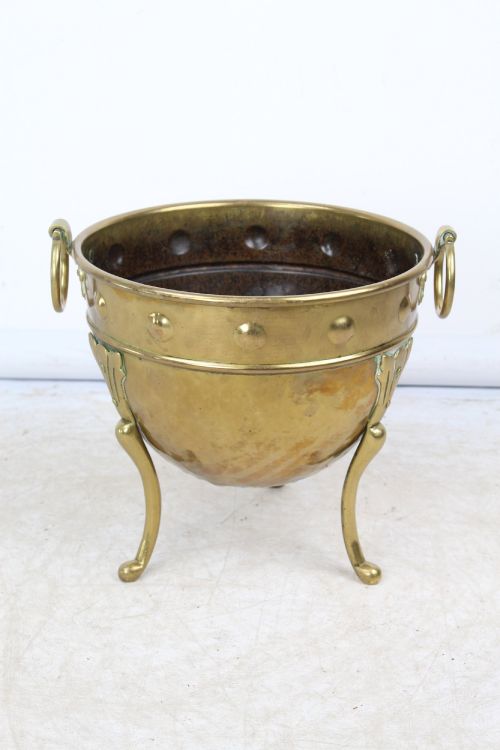
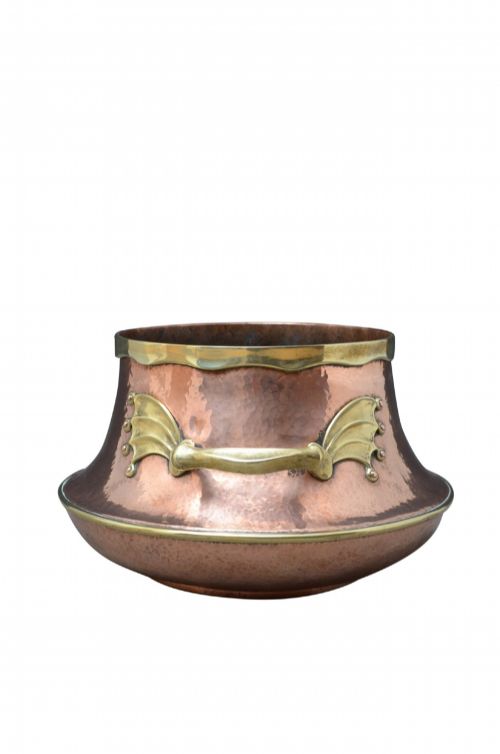
The selections on this page concentrate heavily on Victorian and Edwardian examples, alongside pieces from the nineteenth and early twentieth centuries. Makers and artisans utilised durable metals and timber to produce vessels that doubled as decorative jardinières and planters.
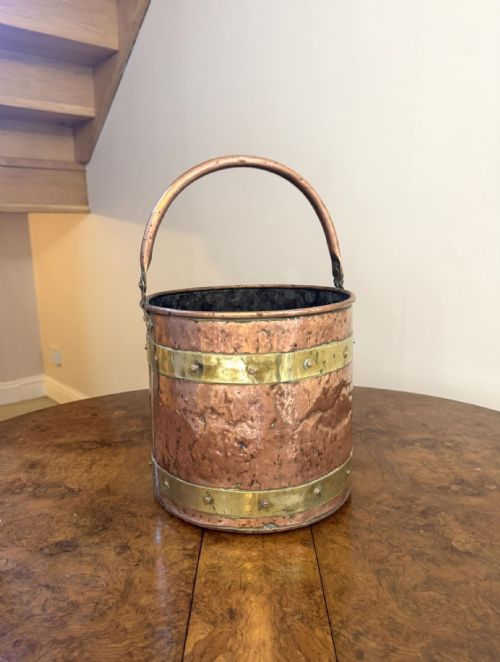
Beyond standard coal boxes, the inventory includes coopered oak and mahogany barrels bound in brass or copper, reflecting regional British and continental styles. Buyers encounter both utilitarian fuel stores and finely finished decorative containers adapted for modern interiors.
How they were made
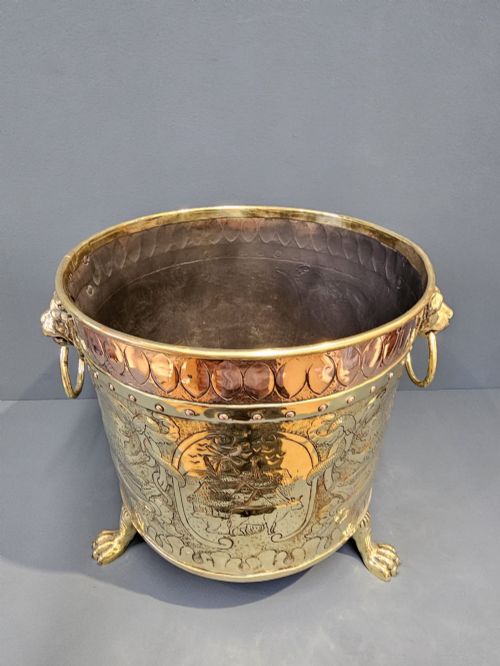
Artisans combined sheet brass and copper with iron reinforcement, frequently employing hand-riveting and embossed surface decoration to strengthen the metal bodies. Many vessels feature heavy copper banding or brass rims secured to timber staves through traditional cooperage techniques.
The construction often incorporates swing handles, ceramic grips, and hinged lids designed to withstand daily fireside lifting and hauling. Hand-finishing methods such as hammering and fretwork created textured surfaces on Arts and Crafts and Victorian iterations.
Listings span from eighteenth-century Georgian items to 1930s Art Deco bins, constructed from brass, copper, oak, mahogany, and iron.
What varies in quality
The calibre of a brass log scuttle depends upon the thickness of the gauge metal and the integrity of its structural joins, such as riveted seams and banded mountings. Heavier gauge brass and solid copper resist buckling under the weight of heavy logs and sustained coal storage.
Detailing distinguishes standard utility items from finer examples, visible in crisp repoussé embossing, tight coopered wood staves, and the presence of original liners or matching shovels. Surviving makers' marks and integrated ceramic handles further elevate the standing of a piece.
Henry Loveridge·Petrus Ramus
The Brass Log Scuttle Glossary
- Helmet scuttle
- A traditional coal container featuring a flared mouth and a footed base, shaped distinctly like a classical helmet for easy pouring.
- Coopered
- Built using wooden staves held together by metal hoops, a technique borrowed from barrel-making and applied to oak and mahogany log bins.
- Repoussé
- A metalworking technique where the design is hammered into relief from the reverse side to create decorative surface patterns.
- Jardinière
- An ornamental pot or stand designed to hold plants, a secondary function frequently served by repurposed coal buckets.
- Peat bucket
- A deep vessel traditionally used in Scottish and Irish hearths for storing dried peat sods, often fitted with a swing handle.
Brass Log Scuttle: Frequently Asked Questions
What is a brass log scuttle used for?
These vessels were originally manufactured to store and transport coal, logs, or peat directly to the domestic fireplace for easy refueling.
Today, buyers frequently utilise them beside open hearths as fuel holders or repurpose them indoors as large planters and umbrella stands.
How do I date a Victorian brass scuttle?
Victorian examples typically display heavy brass or copper construction, often incorporating stamped decoration, riveted seams, or ceramic handle grips characteristic of the late nineteenth century.
Examining the construction methods, such as hand-riveted joints versus machine-welded seams, helps distinguish mid-Victorian pieces from later Edwardian productions.
Are these scuttles suitable for actual logs?
Solid metal and coopered timber vessels are inherently robust and built to hold heavy fuel loads without structural compromise.
Many antique pieces include original metal liners that protect the internal base from moisture and debris dropped by damp firewood.