



Arts and Crafts Log Bucket
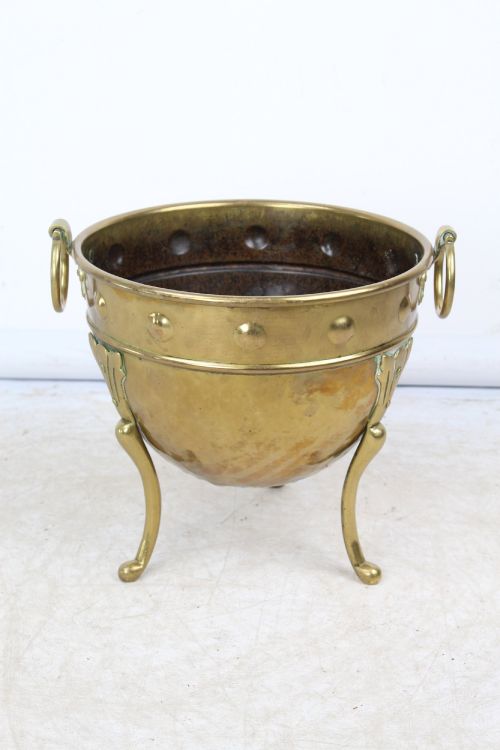
An arts and crafts log bucket brings robust utility and hand-worked metal to the hearth, offering a practical vessel for fuel that doubles as a striking decorative focal point.
Arts and Crafts Log Bucket
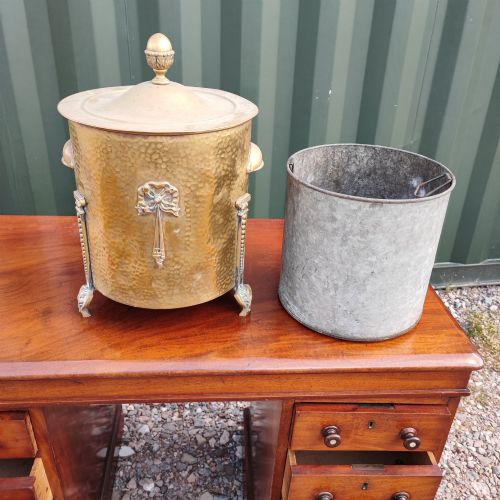
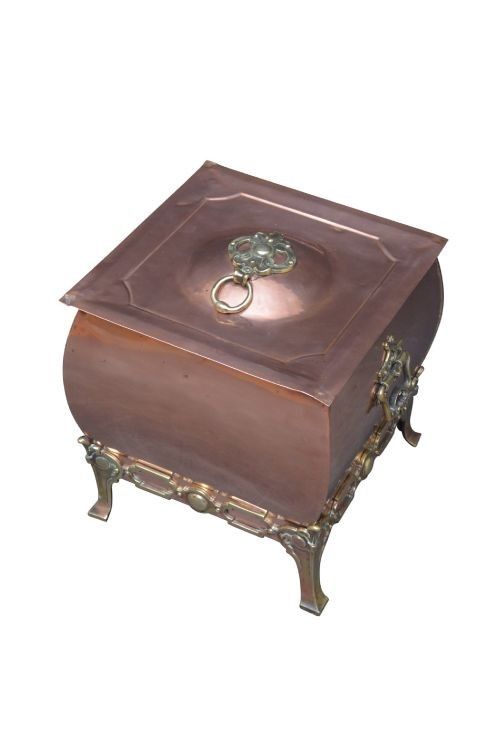
These pieces are functional fireside containers designed to hold firewood or coal, taking forms such as circular buckets, helmet-shaped scuttles, and bins on stands. When searching for an arts and crafts log bucket, a buyer encounters durable metal receptacles intended for heavy domestic use beside the fireplace.
The versions most frequently met on this page date from the late nineteenth century through to the early decades of the twentieth century. They span Victorian, Arts and Crafts, Art Nouveau, and later stylistic revivals, reflecting a period of transition in British design.
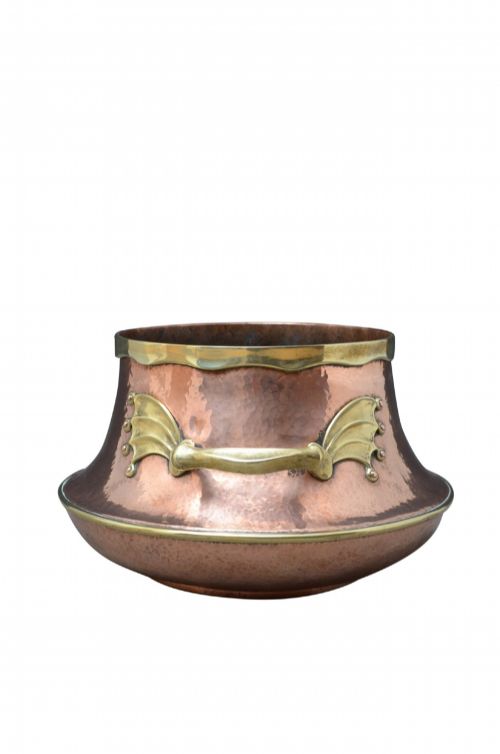
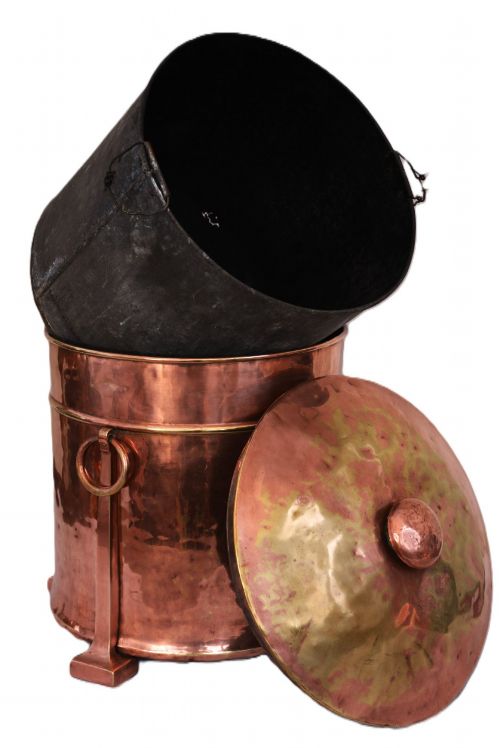
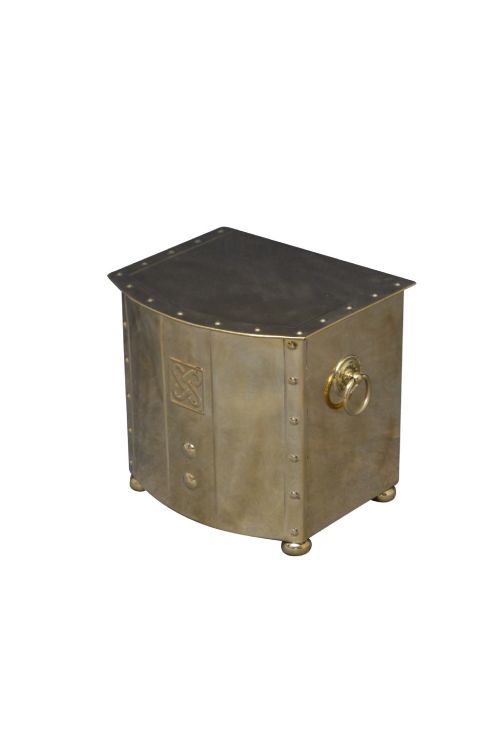
Makers produced these containers in various formats, including riveted copper bowls, embossed brass bins, and combinations of metal bodies supported by wrought iron frames. Each object served a straightforward purpose in the hearth room while displaying the characteristic aesthetic of its making.
Materials and construction
Makers relied principally upon sheet copper and brass for the bodies of these vessels, often hammering, beating, or embossing the metal surfaces by hand. This deliberate working of the material left visible tool marks and texture that distinguished individual pieces from mass-produced factory items.
Structural strength was achieved through the integration of iron, including wrought iron frames, riveted seams, and sturdy handles. Artisans combined these base metals to ensure the containers could withstand the weight of heavy logs and coal without buckling.
Listings feature copper, brass, and wrought iron as the predominant materials used across these fireside containers.
Distinctions in craftsmanship
Quality separates objects according to the depth and precision of hand-worked detail across the metal surface. Pieces featuring crisp hammer-beating, deeply embossed decoration, or hand-riveted construction stand apart from plainer, mechanically pressed alternatives.
The integrity of the structural elements, such as forged iron supports and securely joined handles, dictates the calibre of a vessel. Better examples maintain a balanced weight and proportion that speaks to the maker's competency in handling both soft sheet metals and rigid ironwork.
Henry Loveridge
The Arts and Crafts Log Bucket Glossary
- Coal scuttle
- A container designed for carrying and storing coal, often featuring a sloping opening or a hinged lid for easy access. These vessels frequently doubled as log holders beside the fireplace.
- Embossed
- A technique where metal is raised from the reverse side using punches and hammers to create a decorative relief design on the exterior surface. This ornament was widely utilised on copper and brass fireside wares.
- Riveted
- Joined together using short metal pins hammered flat at the ends to secure overlapping plates of metal. This method provided both structural rigidity and a distinct visual line.
- Jardiniere
- An ornamental pot or stand originally intended for holding plants or flowers. Many surviving examples of these large metal vessels were later repurposed to hold firewood by the hearth.
- Wrought iron
- Iron that has been heated and shaped by a blacksmith using hand tools, yielding a fibrous material with high tensile strength. It appears in the frames and stands supporting many copper and brass buckets.
Arts and Crafts Log Bucket: Frequently Asked Questions
How do you clean copper log buckets?
Cleaning these vessels requires mild soapy water and a soft cloth to remove surface dust and soot without disturbing the historical patina. Avoid harsh abrasive cleaners or vigorous polishing that might strip away the aged character accumulated over decades of use.
Preserving the natural oxidation often maintains the visual appeal that collectors look for in period metalwork.
Can these buckets still hold logs?
These containers remain entirely suitable for holding firewood beside an active fireplace, provided the inner structure is stable and dry. Their original purpose was domestic utility, so daily use for storing logs continues to be a practical application.
Placing logs gently inside helps protect any historical riveted joints or decorative embossing from unnecessary impact.
How do I date a copper log bin?
Dating these items involves examining the manufacturing techniques, such as hand-hammering versus machine pressing, alongside stylistic details like Art Nouveau motifs or Victorian proportions. Maker marks, where present, offer a direct link to specific workshops and production years.
Comparing the construction methods with documented pieces from the late nineteenth and early twentieth centuries helps narrow down the era of manufacture.