



Dark Wood Coal Box
These dark wood coal box examples are solid fireside pieces in mahogany, oak and rosewood that keep your hearth tidy with genuine period utility.
Dark Wood Coal Box
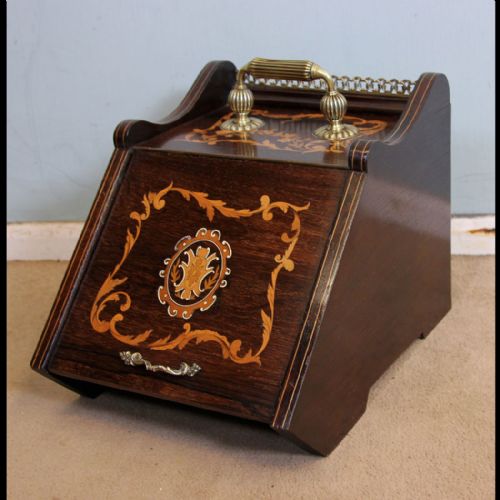
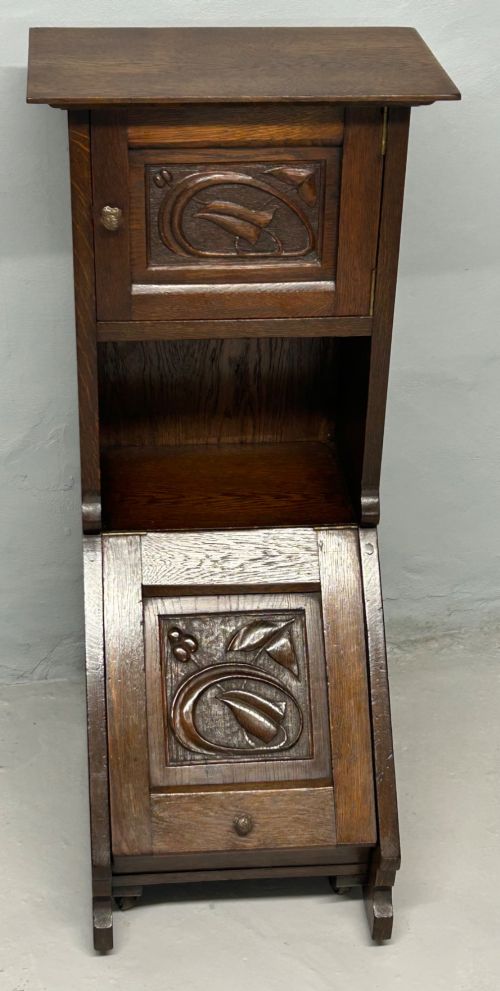
When you search for a dark wood coal box, you encounter practical fireside containers designed to hold fuel neatly beside the hearth in Victorian and Edwardian homes. These utilitarian yet decorative items take various forms, from traditional scuttles to sophisticated purdoniums and cabinets.
You are most likely to meet mahogany, oak and rosewood versions across this page, spanning the Victorian period through to 1900 and the Edwardian era. Many examples incorporate brass mountings, metal liners and matching scoops to handle daily fireside duties efficiently.
How they were made
Cabinetmakers constructed these boxes using dense timbers such as mahogany, oak and rosewood, frequently applying intricate marquetry or inlay to the exterior surfaces. These wooden bodies were paired with internal zinc or metal liners designed to contain coal dust and moisture safely.
Functional hardware such as brass handles, mounts and hinges provided both structural reinforcement and decorative contrast against the dark wood. Artisans also integrated fitted compartments to hold accompanying metal scoops and shovels.
Dark Wood Coal Box Retail Price Guide 2026
Typical asking prices for dark wood coal box among the pieces listed under this phrase on Sellingantiques today, from the lower quarter to the upper quarter. They describe what is for sale here now, not the wider market.
Many a Victorian hearth keeper owes its pristine survival to a hidden metal shovel tucked quietly behind a drop-front door.
What varies in quality
The standard of timber selection and decorative detailing establishes the distinction between basic utility items and finer parlour pieces. Richly figured rosewood and crisp marquetry inlay signal superior craftsmanship intended for principal reception rooms rather than back-of-house service.
The integrity of internal metal liners and the robustness of brass mounts indicate how well a piece has survived decades of heavy domestic use. Original shovels, intact handles and smooth drop-front mechanisms elevate the overall standing of the box.
The Dark Wood Coal Box Glossary
- Purdonium
- A specialised type of coal cabinet featuring a sloping front door that drops down to reveal an internal metal shovel or scuttle. This design kept fuel neatly concealed within formal living spaces.
- Scuttle
- A deep fireside container traditionally used for carrying and pouring coal onto the fire. Versions here include wooden bodies fitted with robust metal liners.
- Marquetry
- The art of applying decorative pieces of veneer to a structure to form intricate patterns. This technique appears on finer rosewood examples.
- Liberty
- An aesthetic and design style associated with the late nineteenth century. Pieces in this manner emphasise artistic craftsmanship and thoughtful proportion.
Dark Wood Coal Box: Frequently Asked Questions
What is a purdonium?
A purdonium is a dedicated coal cabinet with a hinged front that tips forward to release fuel. It hides the coal completely behind decorative woodwork.
These cabinets usually include an interior metal liner and a specific slot to hang a matching shovel.
How do I clean a wood coal box?
Wipe the exterior wood gently with a soft cloth and feed the surface with appropriate wax to maintain the finish. Avoid using excessive moisture near the joints.
Lift out the internal metal liner to empty ash or coal dust separately away from the wooden housing.
Did these boxes always have metal liners?
Most quality examples rely on removable zinc or metal liners to protect the wooden structure from damp fuel and heavy wear. This inner vessel catches the debris.
Pieces lacking a liner often show more interior staining from decades of active fireside service.
How do I date a wooden coal box?
Look to the primary timber and decorative vocabulary, such as Victorian marquetry or Edwardian inlay work. The overall silhouette often mirrors contemporary furniture trends.
Brass mounts, handles and the presence of original scoops provide further clues to the manufacturing decade.