


Antique Fireplace Storage Box
An antique fireplace storage box keeps solid fuel close to the hearth in timber or metal.
Antique Fireplace Storage Box
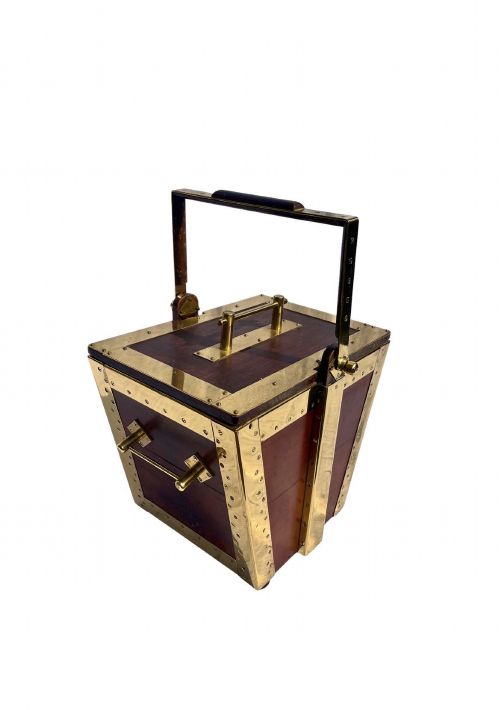
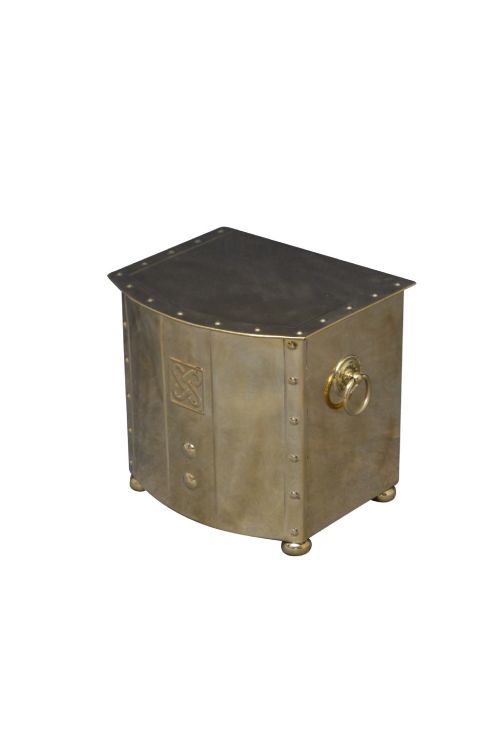
An antique fireplace storage box handles solid fuel beside the hearth, appearing in forms such as coal scuttles, purdoniums, log bins, and bunkers. These practical containers bridge utility and decoration, keeping coal, briquettes, and logs tidy near the fire.
The pieces on this page span several periods, most commonly meeting the eye in Victorian and Edwardian iterations alongside earlier Georgian examples. Forms range from simple country pine bins to elaborate inlaid rosewood cabinets.
Makers produced these containers to suit domestic interiors of varying status, utilising regional timbers like oak and mahogany alongside sheet metals such as brass, copper, and toleware.
Materials and construction
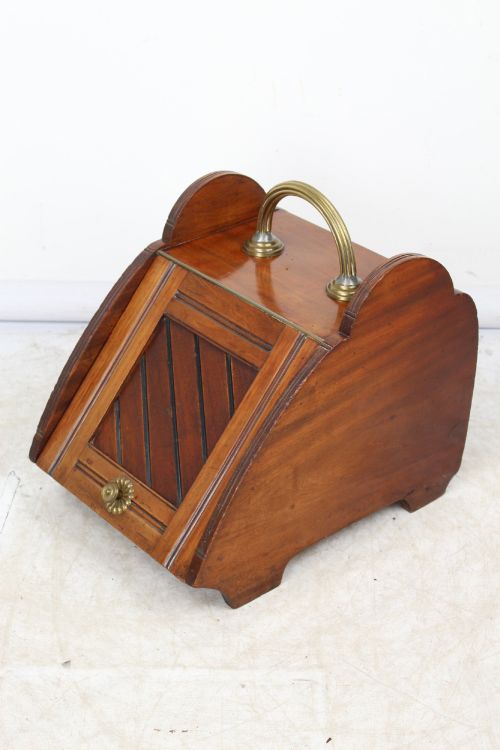
Cabinetmakers constructed wooden boxes using timbers like oak, mahogany, walnut, and pollard oak, frequently incorporating dovetailed joints and brass mounts. Edwardian and Victorian purdoniums often feature drop-front compartments designed to house removable metal liners and shovels.
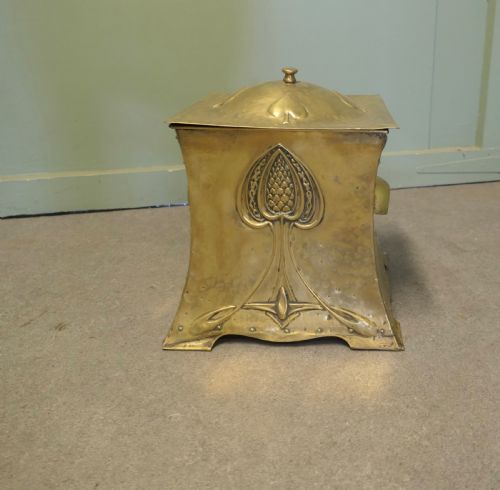
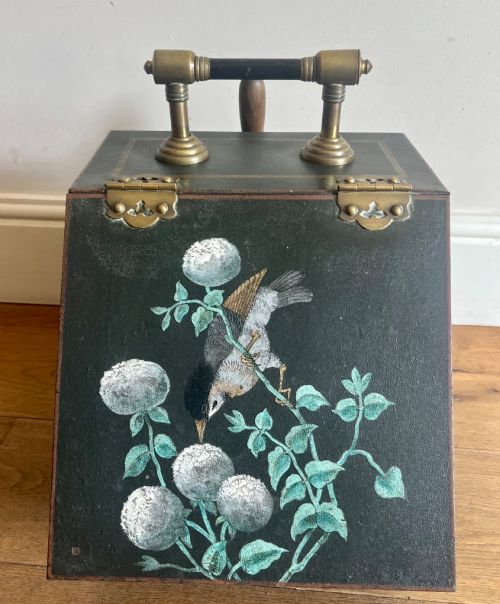
Metal examples rely on beaten or polished brass, copper, iron, and painted toleware. Artisans shaped these sheets into bins and buckets, sometimes adding ormolu mounts, decorative spade motifs, or folk art painting.
Listings feature oak, mahogany, walnut, brass, copper, and iron across Victorian, Edwardian, and earlier periods.
Judging quality in fireplace storage
Quality rests in the selection of materials and the integrity of the construction, distinguishing robust cabinetry from utility items. Heavier timber framing, precise wood inlay, and substantial metal mountings separate finer specimens from standard production.
The presence of original internal metal liners and matching shovels elevates a piece. Refined details like hand-beaten metalwork, carved mahogany panels, and well-fitted drop fronts indicate superior craftsmanship.
The Antique Fireplace Storage Box Glossary
- Purdonium
- A specialised cabinet designed for storing coal near a fireplace, typically featuring a sloping drop-front door and an internal metal liner. These units frequently incorporate a dedicated slot for a small shovel.
- Coal Scuttle
- A bucket or pail used to carry solid fuel from an exterior store to the hearth. They are shaped with handles for lifting and tilting.
- Toleware
- Enamelled and painted sheet metal items produced for domestic utility and decoration. They appear in fireside settings with hand-painted floral or decorative motifs.
- Log Bin
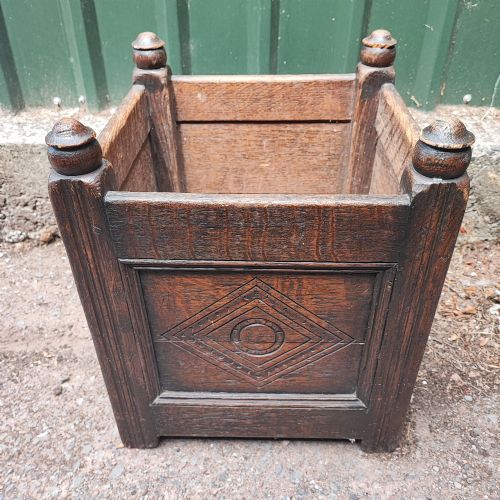
- A deep receptacle intended for holding firewood rather than loose coal. They occur in both heavy timber construction and sheet metal.
- Ormolu
- Gilded bronze mounts applied to furniture and decorative metalwork for ornamentation. This technique adds metallic contrast to timber surfaces.
Antique Fireplace Storage Box: Frequently Asked Questions
How do I date an antique coal box?
Dating relies on timber choice, decorative styles, and construction techniques visible on the box. Georgian pieces favour solid oak with heavy proportions, while Victorian and Edwardian examples show greater variety in veneers and brass hardware.
Cabinetry details like machine-cut screws point towards later periods, whereas hand-dovetailed joints suggest earlier craftsmanship. Stylistic markers such as Aesthetic Period or Arts and Crafts motifs help narrow the decade.
Can these boxes store logs today?
These containers suit modern living rooms for holding logs, kindling, or magazines. Wooden bins equipped with removable liners safely accommodate dry firewood without marking the timber.
Metal buckets and toleware scuttles function well as fireside receptacles for heavier fuel. Ensuring the interior liner remains intact protects the outer structure from debris.
What metals were used for coal scuttles?
Makers utilised brass, copper, iron, and painted sheet metal to construct durable fireside vessels. Brass appeared frequently for its polished finish and decorative mountings.
Copper provided a warmer tone, while iron and toleware offered sturdy surfaces suited for painted folk art decoration. These metals withstood heavy daily use beside open flames.