



Antique Fireplace Bin
These antique fireplace bins gather fuel neatly beside the grate, bringing both practical storage and period craft to the hearth.
Antique Fireplace Bin
An antique fireplace bin serves as a dedicated vessel for holding coal, logs, or peat beside the domestic hearth. These pieces range from simple metal buckets to elaborate wooden cabinets designed to keep solid fuel out of sight.
Makers and workshops of the nineteenth and early twentieth centuries produced these containers to complement prevailing interior styles, incorporating Gothic Revival motifs, folk finishes, or industrial riveted construction.
Materials and construction
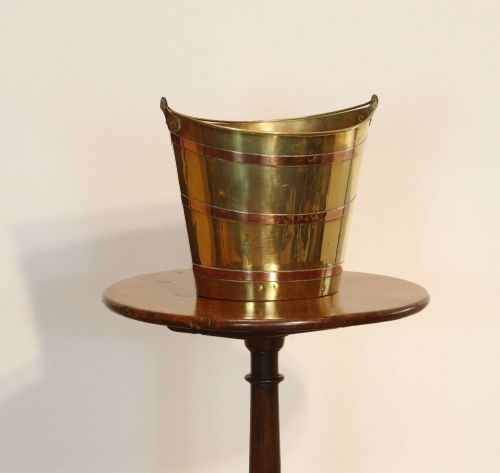
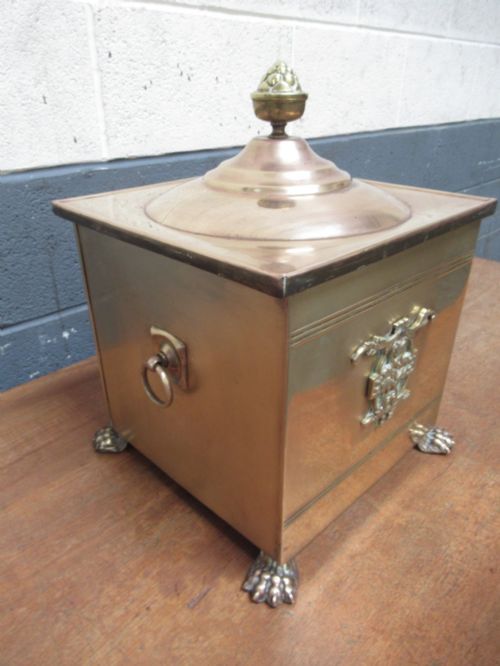
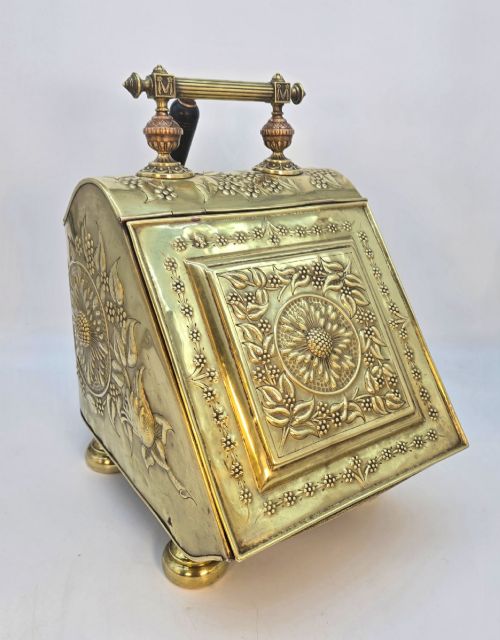
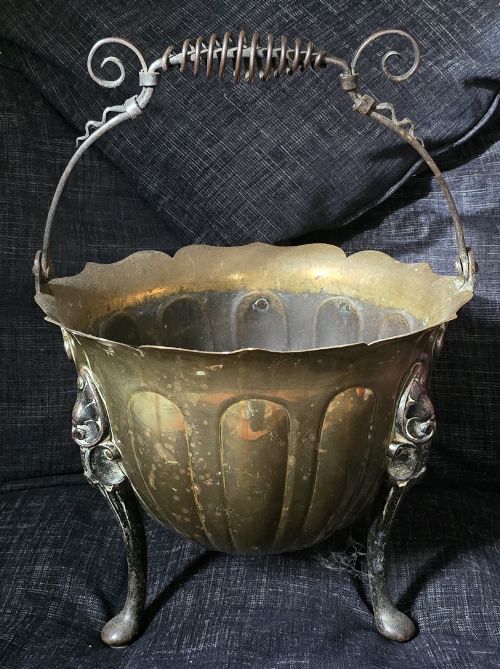
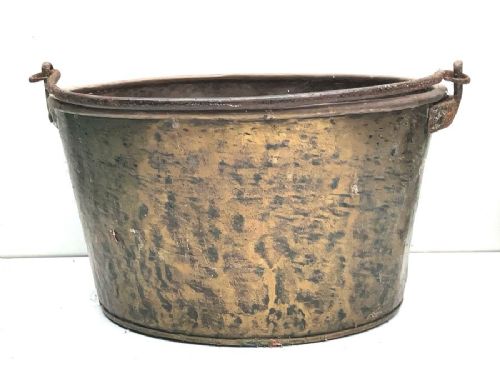
Craftsmen shaped sheet brass and copper through beating, hammering, and repoussé work, frequently mounting these metal bodies onto sturdy iron or timber frames. Riveted seams and wrought iron handles provided the structural strength required for carrying heavy loads of coal.
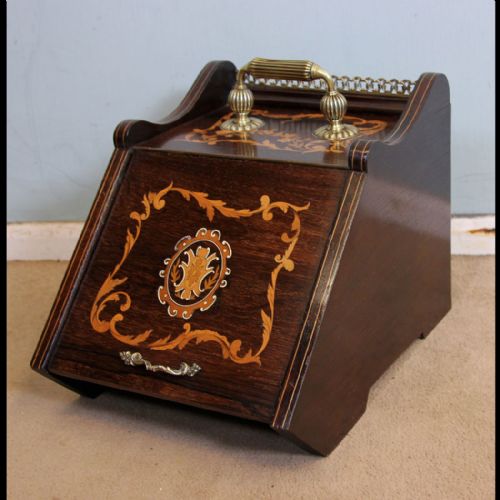
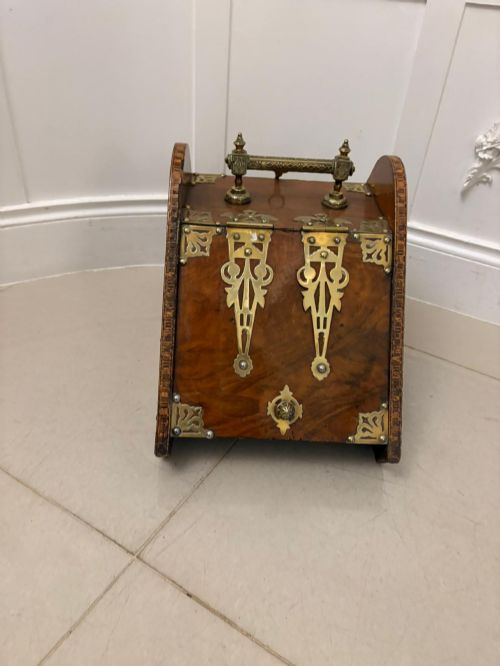
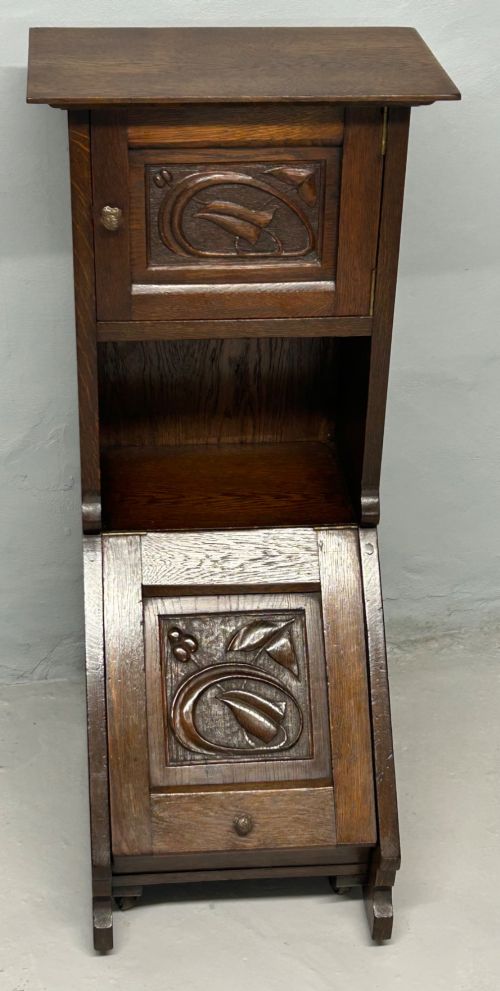
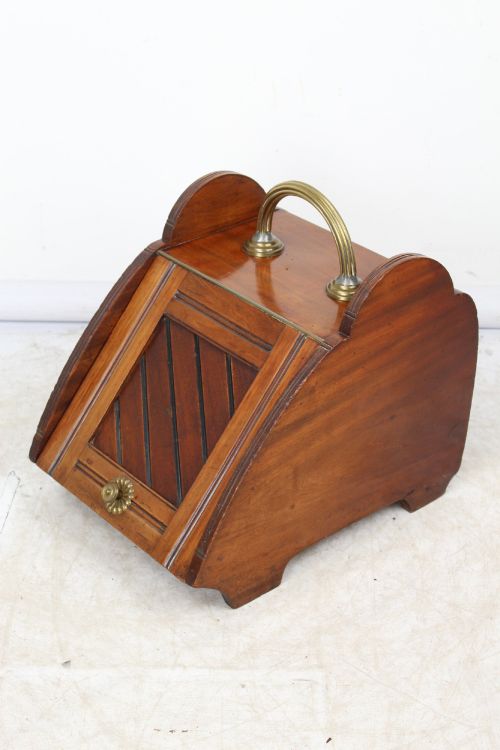
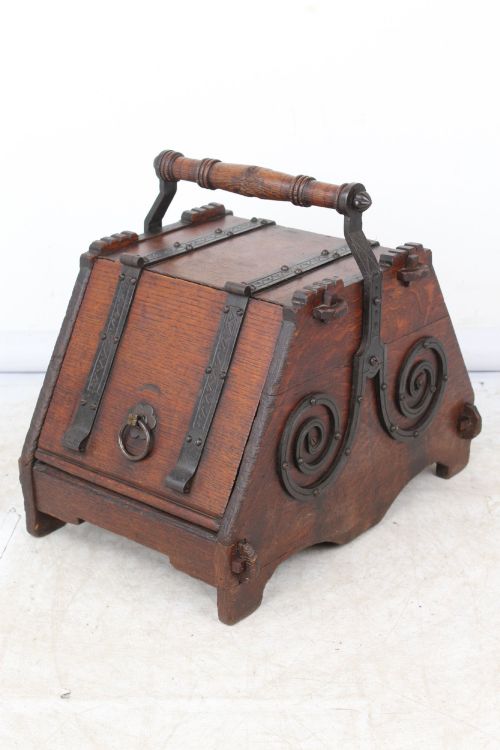
Woodworkers utilised oak, mahogany, walnut, and rosewood to build lidded coal boxes and purdoniums, often adding brass handles, hinges, and inlaid panels. Coopered construction appeared in staved wooden peat buckets bound with metal hoops.
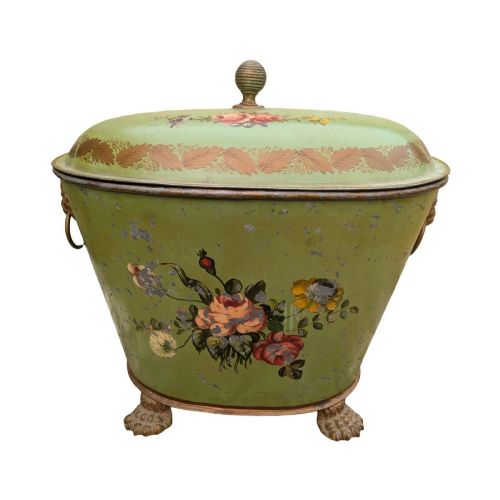
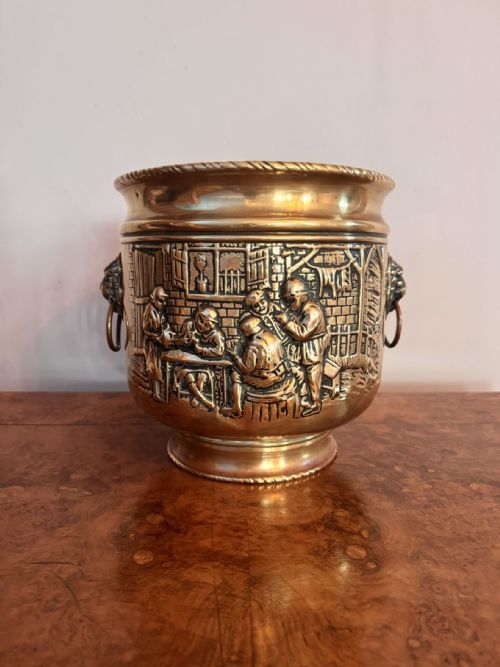
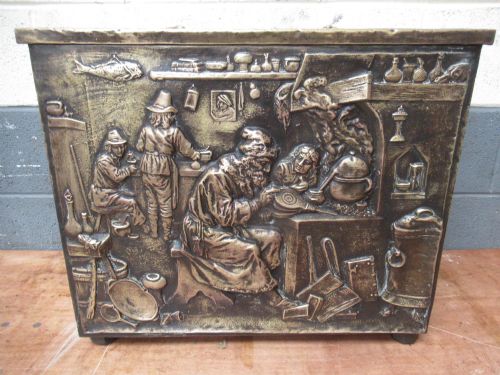
Surface treatments varied from polished bright metal and verdigris finishes to painted toleware and embossed tavern scenes. Liners made of metal helped contain dust and moisture from damp fuel.
Antique Fireplace Bin Retail Price Guide 2026
Typical asking prices for fireplace bin among the pieces listed under this phrase on Sellingantiques today, from the lower quarter to the upper quarter. They describe what is for sale here now, not the wider market.
Distinctions in quality
Construction integrity separates standard utility items from finer parlour pieces, particularly in the thickness of the metal sheet and the security of riveted or dovetailed joints. Superior examples retain original liners, shovels, and matching hardware rather than replacement fittings.
Artistic execution distinguishes mass-produced items from studio work, especially in hand-hammered surfaces, crisp repoussé decoration, and thoughtful joinery. Pieces associated with named designers or distinct artistic movements display greater attention to decorative detail.
Christopher Dresser·Henry Loveridge·Petrus Ramus·Richard Arkwright Masson Mills
The Antique Fireplace Bin Glossary
- Purdonium
- A specialised lidded wooden coal box featuring a sloping front and an internal metal liner for carrying fuel. This form became popular during the Victorian era for keeping coal tidy in formal rooms.
- Repoussé
- A metalworking technique where the artisan hammers the design from the reverse side to raise relief patterns on the front. This method appears frequently on decorative Victorian brass coal bins.
- Toleware
- Lacquered or enamelled metalware painted with decorative motifs, often imitating Asian lacquer styles. These items brought colour and pattern to domestic firesides.
- Coopered
- Built from vertical wooden staves joined edge to edge and bound with metal hoops, much like a barrel. Scottish peat buckets often utilise this traditional method.
- Jardiniere
- An ornamental pot or container designed to hold plants, though frequently repurposed as a log bin by modern collectors. These vessels often feature heavy brass or copper construction.
Antique Fireplace Bin: Frequently Asked Questions
What is the difference between a coal scuttle and a purdonium?
A coal scuttle typically takes the form of a bucket or sloping hod with a carrying handle for transporting fuel from an outside store. A purdonium is a stationary wooden box with a hinged lid and an internal shovel compartment designed to sit permanently by the hearth.
While both served the same fundamental purpose, the purdonium hid the fuel entirely within a domestic cabinet suited to a Victorian parlour.
How were copper fireplace bins used originally?
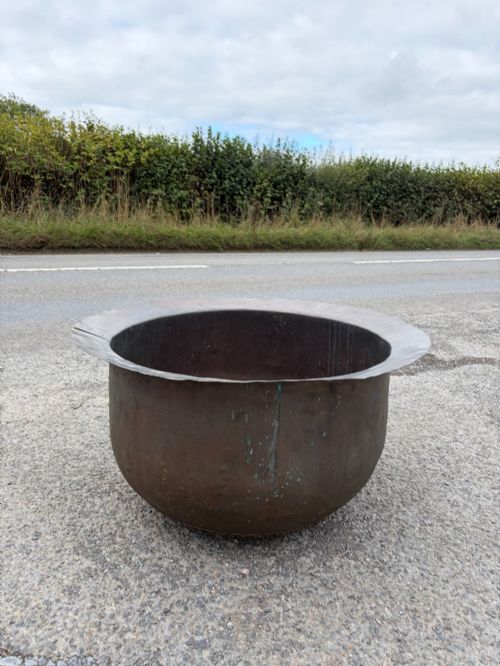
Households used copper buckets and bins to transport coal from cellars or sculleries to the main living rooms and to store logs close to the fireplace. The metal construction withstood the heavy weight of solid fuel and the daily wear of the hearth.
Many of these vessels now serve as planters, umbrella stands, or decorative log stores in contemporary interiors.
How do I care for antique brass and copper bins?
Regular dusting with a soft cloth maintains the surface of the metal without disturbing historical patination. Most collectors prefer to leave natural tarnish and verdigris untouched rather than polishing the metal to a bright shine.
If the piece has a metal liner, ensure it remains dry to prevent rust from forming inside the container.
How can I tell a Victorian coal box from an Edwardian one?
Victorian pieces frequently display heavier ornamentation, including Gothic Revival motifs, deep repoussé brass work, and dark woods like walnut or mahogany. Edwardian examples often reflect simpler Arts and Crafts principles with cleaner lines and lighter oak timbers.
Construction techniques also shift over time, with machine-stamped elements becoming more common by the early twentieth century.