




Victorian Fireplace Box
A victorian fireplace box brings solid utility and distinct metalwork to the hearth, offering a practical way to store coal and logs near the fire.
Victorian Fireplace Box
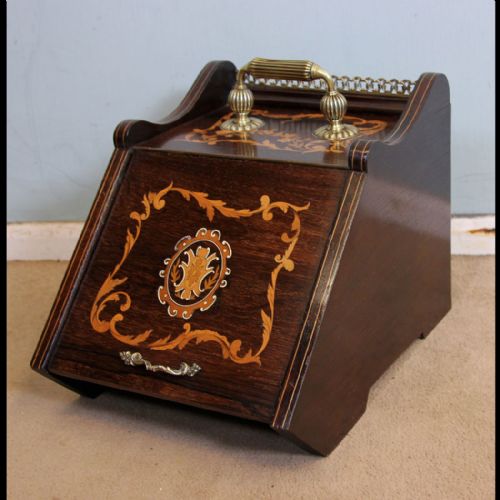
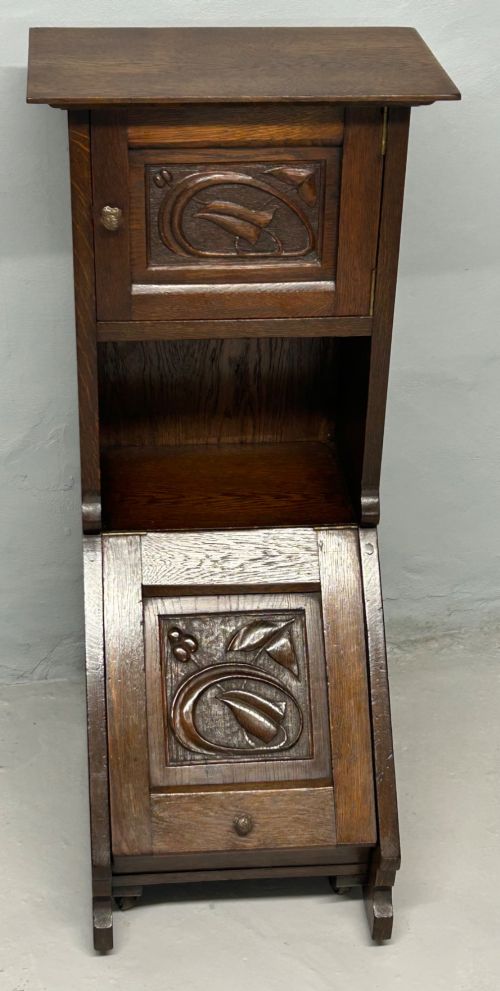
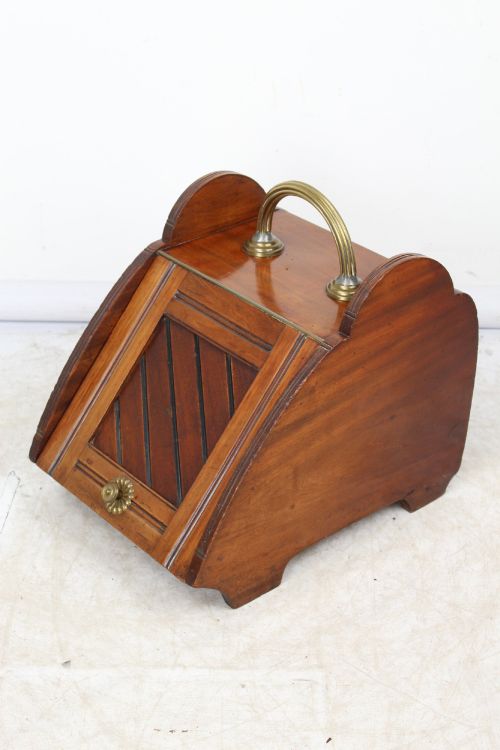
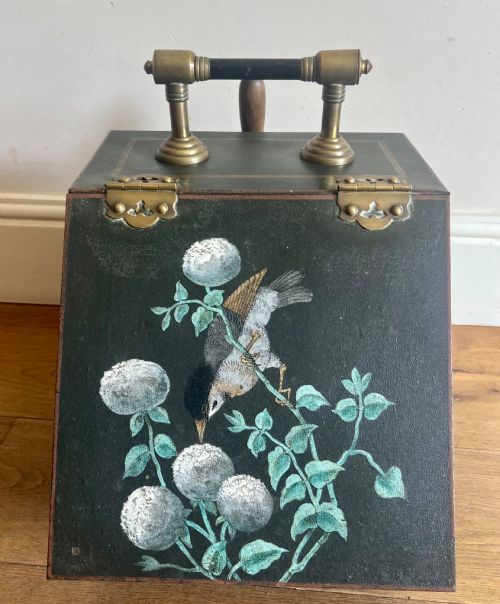
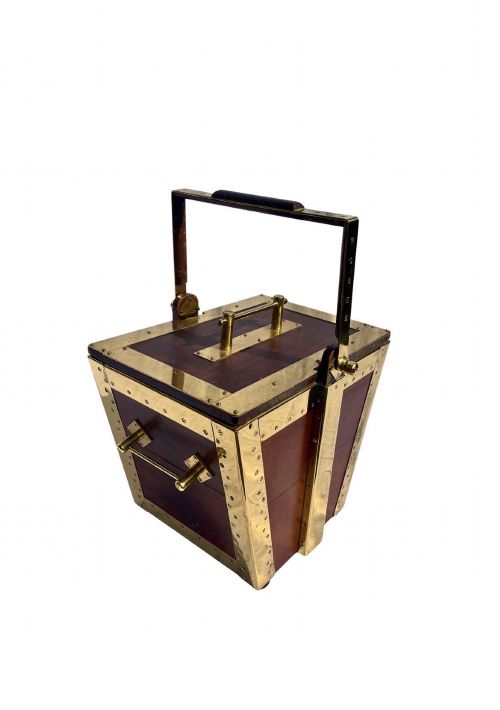
When you search for a victorian fireplace box, you encounter a range of sturdy receptacles designed to hold coal, logs, and kindling beside the grate. The selection includes traditional wooden boxes alongside lidded scuttles and specialised purdoniums.
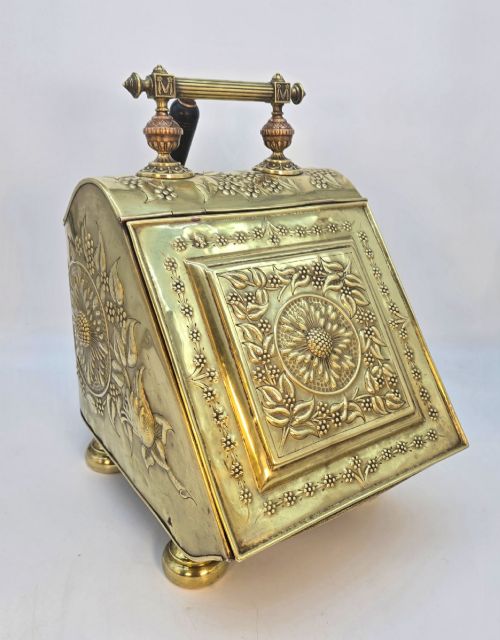
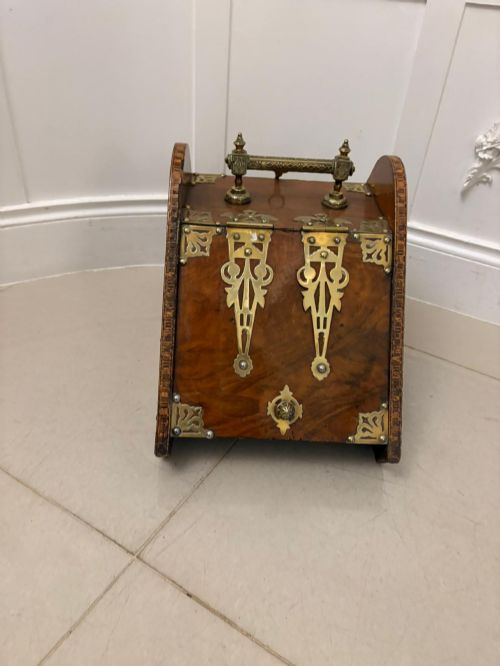
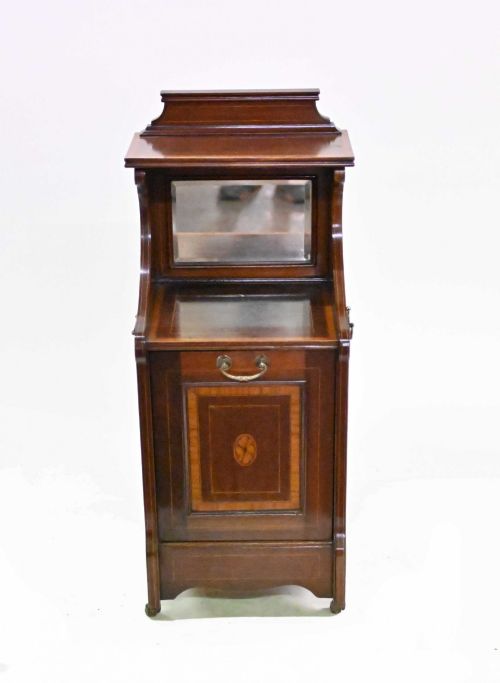
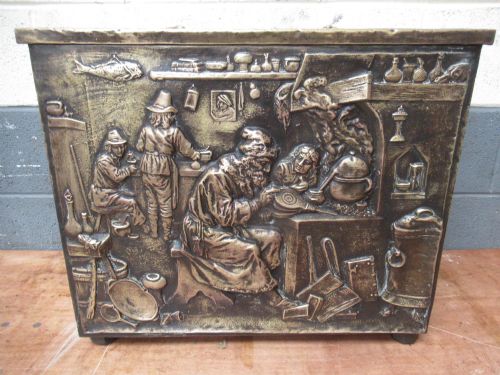
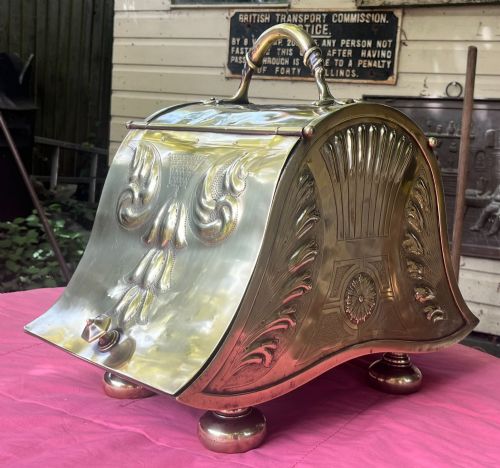
Wooden examples frequently appear in mahogany, oak, and walnut, often featuring brass mounts or inlaid details. Metal versions rely heavily on brass, copper, and iron, sometimes presenting embossed or repoussé surfaces that catch the flickering light of the fire.
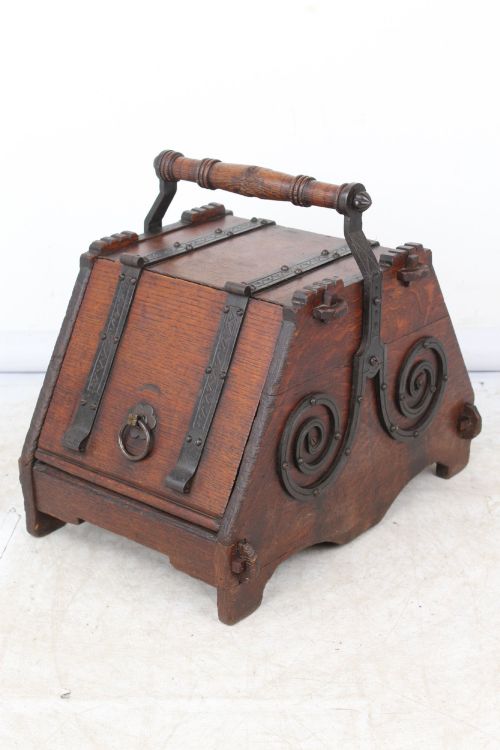
The assortment spans straightforward utilitarian containers to decorative objects influenced by Gothic Revival, Arts and Crafts, and Art Nouveau styles. These containers functioned as everyday hearth furniture, combining heavy timber construction or beaten metal with practical interior metal liners and matching shovels.
Materials and construction
Cabinetmakers constructed the wooden boxes using solid timber frames of mahogany, oak, walnut, and pine, frequently incorporating hand-cut dovetail joints and brass hinges. Inlaid rosewood variants demonstrate sophisticated parquetry and contrasting stringing.
Metal components involved sheet brass, copper, and iron, shaped through spinning, casting, and hand-beating. Artisans used repoussé and embossing techniques to press floral and geometric motifs into the metal surfaces of coal helmets and bins.
Victorian Fireplace Box Retail Price Guide 2026
Typical asking prices for victorian fireplace box among the pieces listed under this phrase on Sellingantiques today, from the lower quarter to the upper quarter. They describe what is for sale here now, not the wider market.
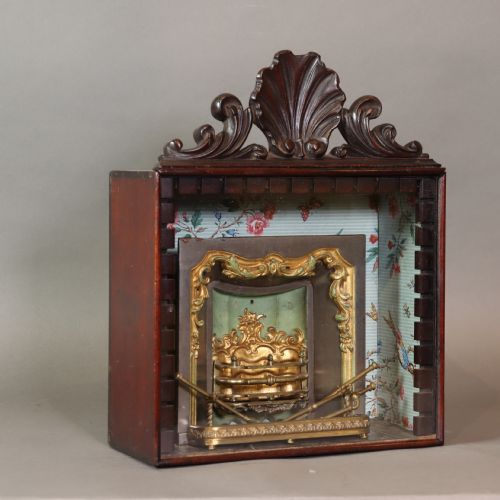
Miniature salesman samples offered clients a pocket-sized preview of heavy hearth furniture before ordering.
Evaluating craftsmanship and condition
The distinction between standard utility items and superior examples lies in the weight of the metal and the precision of the cabinetwork. Heavier gauge brass, crisp repoussé detailing, and substantial timber frames indicate a higher grade of production.
Original fittings such as metal liners, matching shovels, and robust drop handles elevate the integrity of a piece. Integrated mechanisms like metamorphic tipping actions or tilt-forward purdonium chutes also distinguish finer workshop output from basic production.
Christopher Dresser·Benham and Froud·Henry Loveridge
The Victorian Fireplace Box Glossary
- Purdonium
- A specialised type of coal box featuring a sloping front flap and a lower compartment designed to hold a removable metal shovel. This form became popular during the nineteenth century for domestic hearths.
- Coal Helmet
- A tall metal coal bucket with a flared rim and a loop handle resembling a classical helmet. These pieces were typically formed from polished brass or copper.
- Repoussé
- A metalworking technique where the artisan hammers the design from the reverse side to create a raised relief on the front. This ornamentation appears frequently on Victorian brass coal boxes.
- Tole ware
- Lacquered or enamelled metal objects produced to imitate Asian or European decorative finishes. Items in this material offer a painted surface distinct from polished brass.
- Metamorphic
- A term describing furniture that transforms or conceals its primary function through mechanical hinges or drop-down compartments. Some nineteenth-century coal scuttles utilised this design to double as side cabinets.
Victorian Fireplace Box: Frequently Asked Questions
What is a purdonium?
A purdonium is a dedicated coal box fitted with a hinged front drop-down door and an interior metal liner. It held domestic fuel neatly while concealing the coal dust from the room.
Most versions included a matching scoop or shovel stored in a compartment at the back or side. The design kept the hearth area tidy during daily coal tending.
How do I care for a brass coal box?
Brass surfaces benefit from occasional dusting with a soft cloth to prevent grime accumulation. Avoid harsh chemical cleaners that strip the aged surface character.
Wooden bodies require standard polishing with beeswax to maintain the grain and prevent the timber from drying out. Keep the interior metal liner dry to prevent corrosion.
Did these boxes come with shovels?
Many nineteenth-century coal scuttles and purdoniums were manufactured with accompanying metal shovels. These tools often fit into dedicated side racks or rear sleeves.
Surviving examples with their original shovels remain particularly desirable for collectors. Replacements are common if the original tool was lost over time.
Where were these items placed?
They sat directly on the hearth or immediately beside the fireplace mantel. Their placement ensured ready access to fuel without requiring frequent trips outside.
Due to their decorative brass and inlaid wood finishes, they were intended to be visible furnishings rather than hidden utility items.