





Hand Painted Toleware
Hand painted toleware brings vibrant decorative flair to domestic interiors through beautifully adorned sheet iron and tin items.
Hand Painted Toleware
Hand painted toleware encompasses a varied assortment of decorative and utilitarian objects made primarily from sheet iron, tin, and occasionally papier-mâché. Buyers searching for hand painted toleware encounter domestic items spanning the eighteenth, nineteenth, and early twentieth centuries, reflecting diverse international origins.
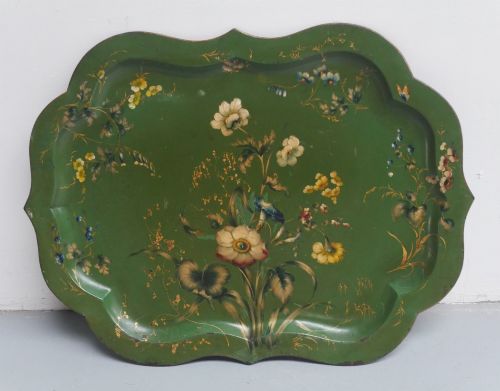
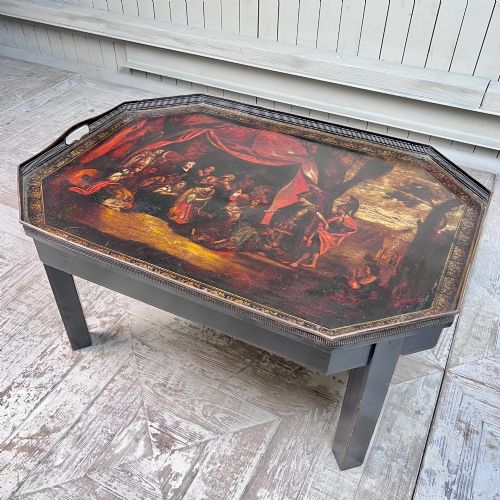
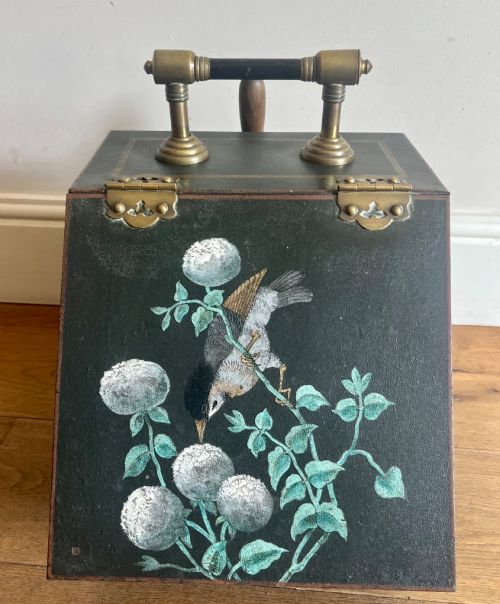
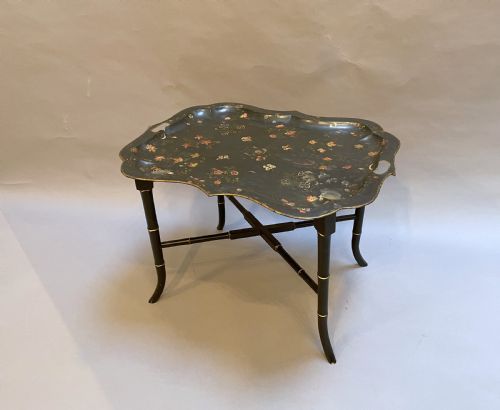
The selections on this page appear in numerous functional forms ranging from serving trays and coal scuttles to coffee tables, waste paper bins, and bedsteads. Trays and decorative containers emerge as the most frequent items, often displaying intricate floral or figural motifs.
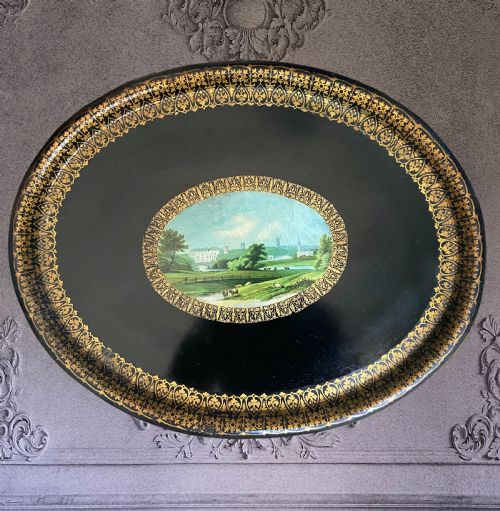
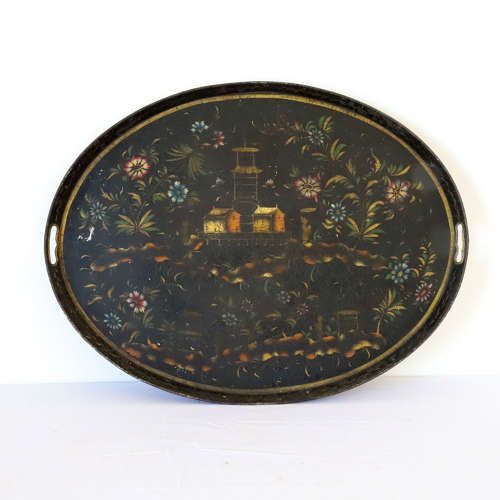
Stylistic influences vary significantly across the inventory, drawing upon Victorian, Regency, Chinoiserie, and folk art traditions. Pieces range from grand narrative tableaus attributed to specific painters to naive regional craft objects.
How they were made
Makers constructed these pieces using sheet iron or tin, shaping metal foundations into trays, coal scuttles, and bowls. Artisans then applied foundational dark lacquers or japanning techniques to create a smooth dark surface suitable for subsequent decoration.
Surface ornamentation involved hand painting using oil pigments, frequently enhanced with gold leaf details. Certain items incorporated brass fittings or wooden framing, particularly when transformed into larger furniture such as tray tables and bedsteads.
Hand Painted Toleware Retail Price Guide 2026
Typical asking prices for hand painted toleware among the pieces listed under this phrase on Sellingantiques today, from the lower quarter to the upper quarter. They describe what is for sale here now, not the wider market.
Fishermen cast their nets across an unusually massive eighteenth-century papier-mâché tray, proving that even dinner service offered a grand aquatic spectacle.
What varies in quality
The sophistication of the painted surface distinguishes standard utility items from exceptional artistic works. Finely detailed narrative scenes and precise brushwork elevate a piece far above simple repetitive floral decoration.
The original integrity of the japanning and the preservation of the gold leaf dictate the visual impact of surviving examples. Rich depth in the dark ground layers and minimal surface intervention separate premier collectors' items from heavily restored or worn domestic pieces.
The Hand Painted Toleware Glossary
- Toleware
- Metalware painted or enamelled and lacquered, frequently taking the form of functional household items. The term derives from the French phrase tole peinte, meaning painted sheet metal.
- Japanning
- A European imitation of East Asian lacquerwork involving the application of heat-dried varnishes. This technique produced a glossy dark finish characteristic of many early metal objects.
- Pontypool
- A Welsh town renowned for eighteenth-century tinplate manufacturing and specialised lacquer finishes. Pontypool type wares typically exhibit distinctive lustrous dark coatings.
- Chinoiserie
- European artistic style reflecting Chinese motifs and decorative techniques. This aesthetic appears frequently on trays and boxes within the collection.
- Folk Art
- Utilitarian objects created by traditional artisans rather than academic painters. These items often display charming naive characteristics and local stylistic preferences.
Hand Painted Toleware: Frequently Asked Questions
What is toleware made of?
Toleware consists primarily of sheet iron or tin that has been shaped into domestic objects.
Artisans then coated these metal foundations with dark lacquers before applying hand-painted designs.
How do I clean toleware?
Clean these items gently using a soft, dry cloth to remove dust without harming the delicate painted surface.
Avoid moisture, abrasive cleaners, or chemical solvents that could damage the original lacquer and gold leaf.
Are these pieces functional?
Many items, such as trays, bowls, and boxes, retain their original utility for domestic organisation or display.
Larger pieces like tray tables and coal scuttles integrate historical decorative arts directly into modern room layouts.
How can I date toleware?
Dating relies upon examining the underlying metal construction methods, the composition of the lacquered ground, and the stylistic painting conventions.
Victorian and eighteenth-century examples display distinct pigment qualities and manufacturing techniques compared to early twentieth-century pieces.