
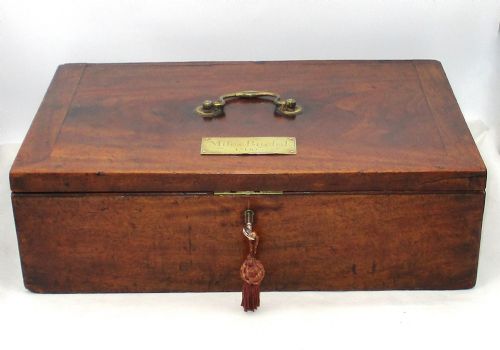
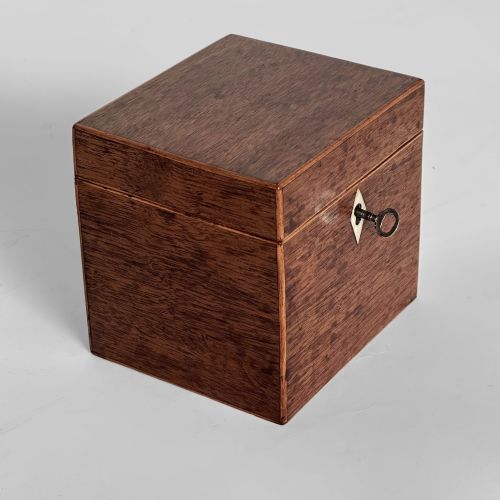
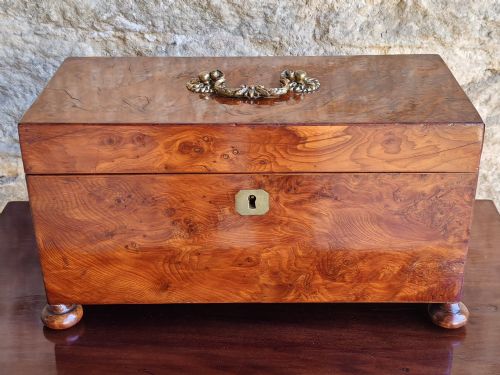



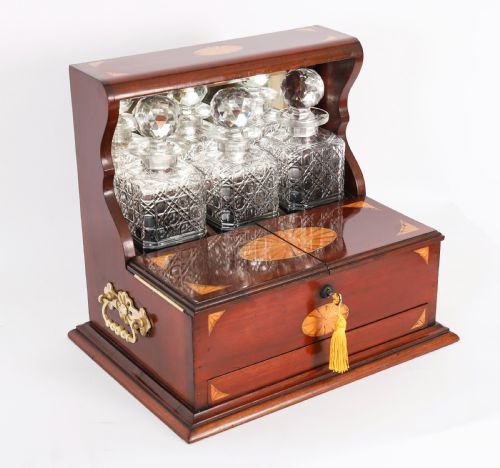
Antique Lockable Chest
An antique lockable chest secures prized possessions within timber and brass, offering both utility and craftsmanship from past centuries.
Antique Lockable Chest
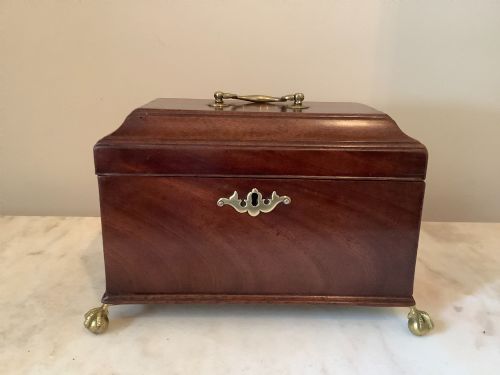
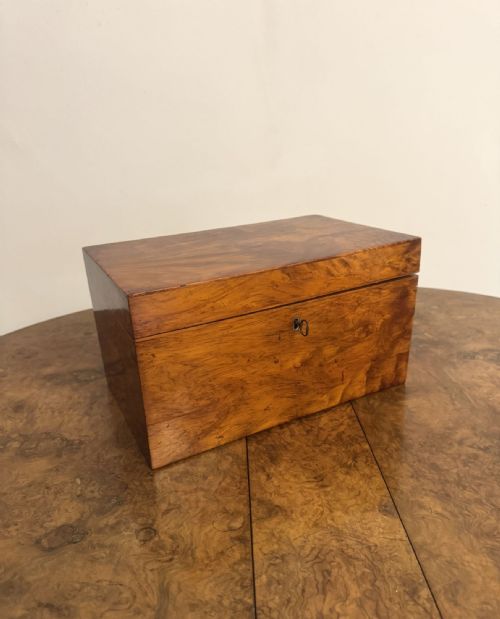
An antique lockable chest encompasses various forms designed to secure valuables, ranging from small desktop caddies to larger drawer units and safes. Buyers seeking this phrase encounter containers intended for tea, documents, jewellery, and personal collections.
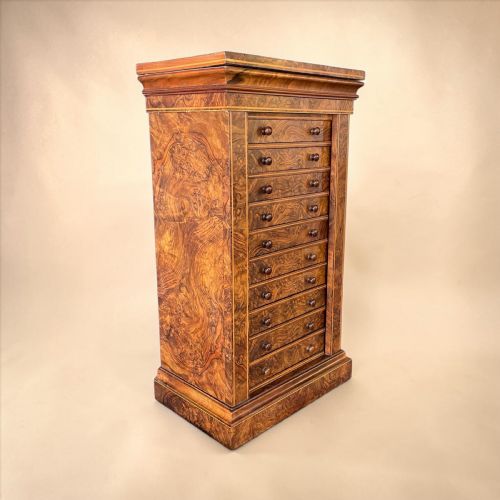
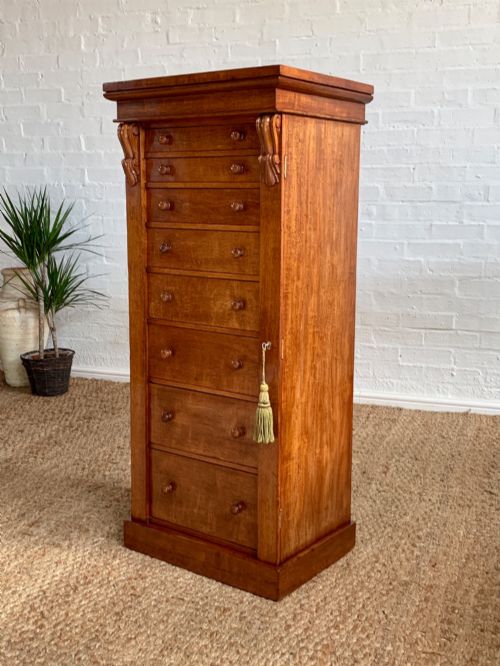
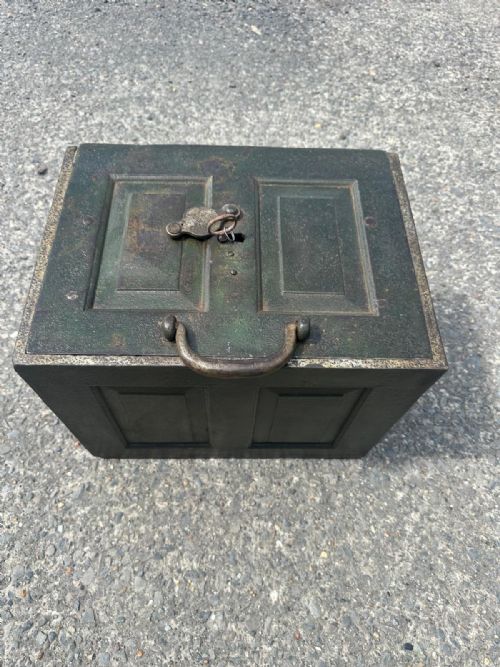
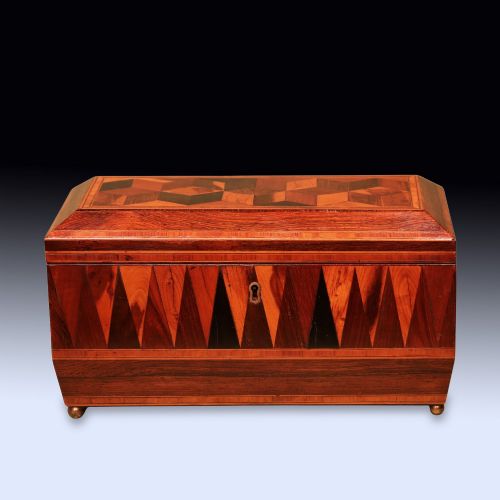
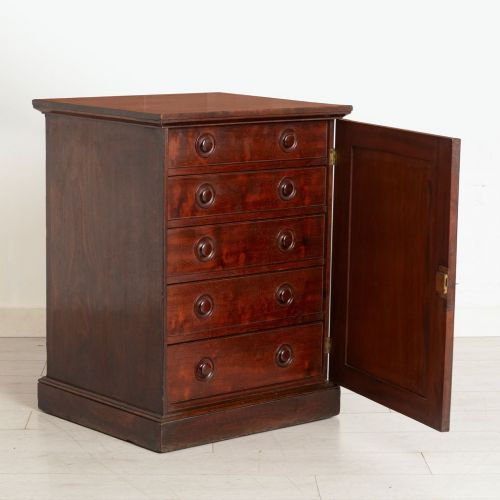
The selections span distinct historical periods including the Georgian era, the Regency period, and the Victorian age. Formats vary from sarcophagus tea caddies and deed boxes to Wellington chests and robust chest safes.
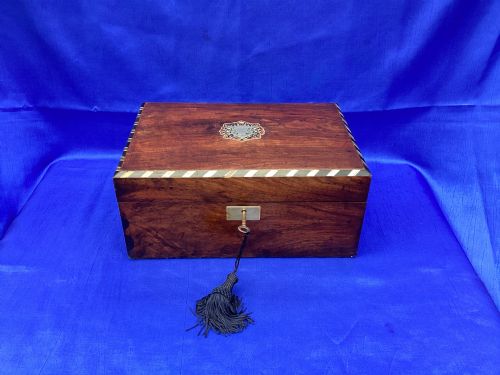
Woods such as mahogany, rosewood, walnut, and burr walnut dominate the construction, often enhanced by brass hardware and bone or mother-of-pearl inlay. Many retain their original keys and functional locking mechanisms.
Judgements of quality
The refinement of timber selection and decorative technique separates standard examples from exceptional pieces. Finely figured grains, complex parquetry, and elaborate mother-of-pearl or shell inlay indicate superior workshop output.
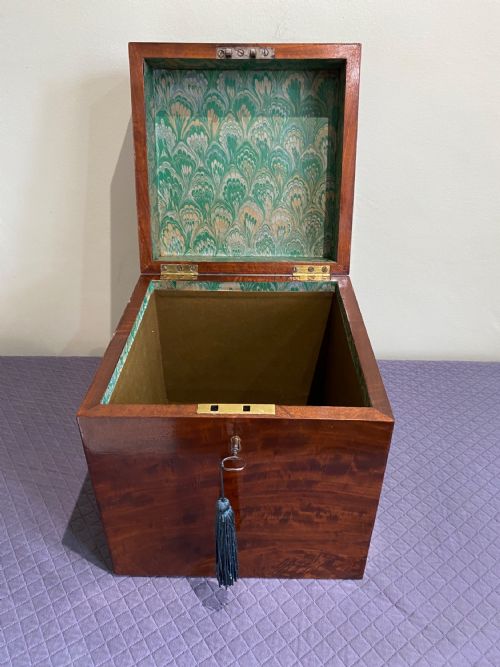
Integrity of hardware and internal fittings also distinguishes finer items. Complete original interiors, functioning locks with working keys, and intact secret compartments reflect higher initial manufacture and careful preservation.
The Antique Lockable Chest Glossary
- Tea caddy
- A box designed to store loose tea leaves, often featuring internal lidded compartments. These containers frequently included lockable lids to protect expensive tea.
- Sarcophagus
- A box shape featuring a domed or sloping lid reminiscent of an ancient stone coffin. This neoclassical style proved popular during the Regency and Georgian periods.
- Wellington chest
- A tall, narrow chest of drawers secured by a locking hinged side pilaster. This design prevents the drawers from opening when the side bar is locked in place.
- Tantalus
- A locked frame holding decanters that displays the contents while preventing unauthorised access. Keys were required to release the bottles from their wooden or metal housing.
- Marquetry
- Decorative woodwork forming intricate pictures or patterns using fitted veneer pieces. Craftsmen used various coloured woods to create floral or geometric designs on box lids and cabinet fronts.
Antique Lockable Chest: Frequently Asked Questions
What were antique lockable chests used for?
These containers secured valuable commodities and personal items away from household staff or visitors. Tea, documents, jewellery, and spirits each required dedicated storage to protect them from theft or spoilage.
Smaller boxes sat on tables or desks within principal rooms, while larger cabinets and chests stood in studies or bedrooms. The inclusion of a working lock and key remained essential across all types.
How do I care for wooden boxes?
Keep wooden surfaces away from direct sunlight and steady sources of artificial heat to prevent the timber and delicate veneers from splitting. Maintain a stable room temperature and relative humidity.
Dust gently with a dry cloth and avoid applying modern silicone polishes. Wax can be used sparingly to nourish antique wood surfaces when they appear dry.
How can I tell the period of a box?
Examine the secondary woods inside the piece, the style of the brass hardware, and the construction methods used on the dovetails. Georgian and Regency pieces often feature distinct cabinetmaking traits and decorative motifs like stringing.
Victorian items frequently incorporate bolder proportions and varied inlays such as mother-of-pearl. Comparing the overall design against dated examples helps narrow the era.
Do these boxes usually have working keys?
Many examples retain their original keys, though some survive without them due to centuries of displacement. Locks can often be worked or replaced by a specialist if necessary.
Listings generally state whether a key is present with the piece. Collectors often prize items that retain their original working mechanism and key.