


Victorian Cast Iron Safe
A victorian cast iron safe is a heavy security cabinet designed to protect valuables from fire and theft, prized for its robust construction and decorative ironwork.
Victorian Cast Iron Safe
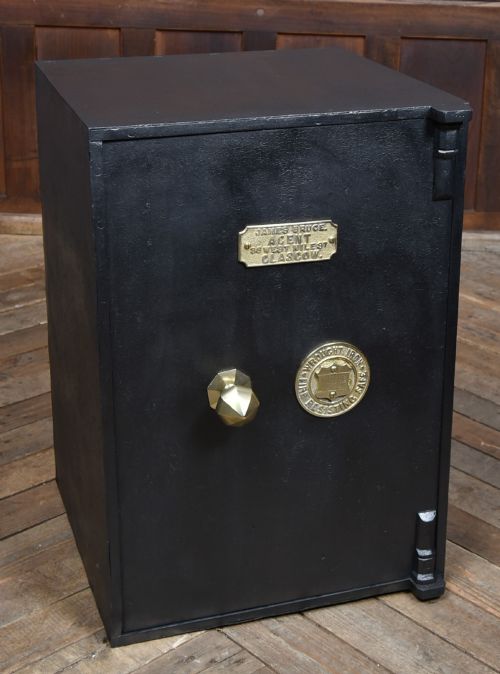
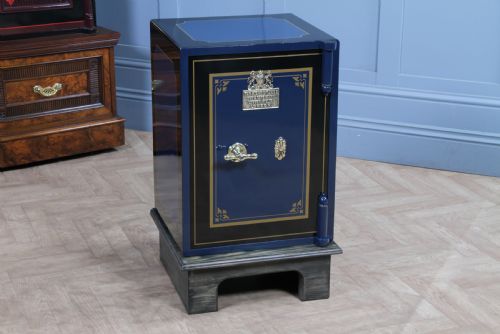
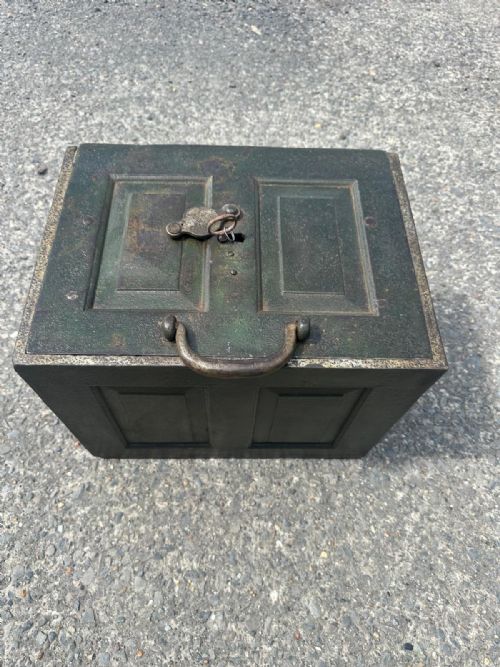
When you search for a victorian cast iron safe, you are looking at heavy security furniture built during the nineteenth century, mostly from the Victorian era. These pieces range from small table-top strongboxes to large floor-standing cupboards fitted with elaborate locking mechanisms.
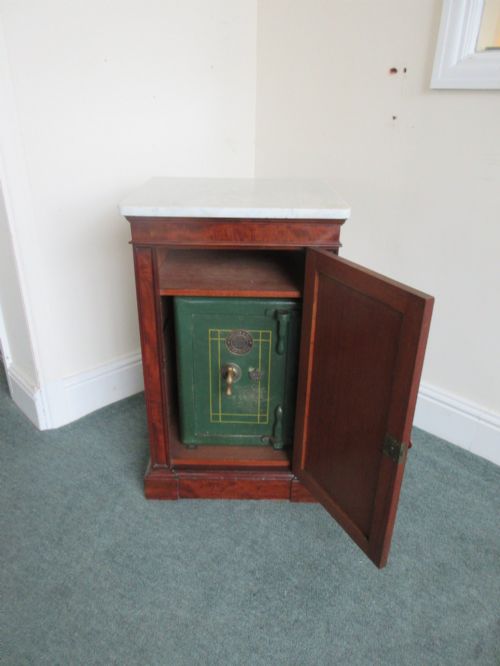
You are most likely to meet domestic and commercial safes made of cast iron, sometimes housed within mahogany or walnut cabinets topped with marble. Many examples bear the names of notable nineteenth-century makers and retain their original keys and painted finishes.
Materials and construction
Certain models incorporate timber enclosures, utilising mahogany and oak for outer cabinetry, occasionally finished with marble tops. Surface treatment often involves painted iron finishes, sometimes decorated with fine lining or original maker insignia.
Listings feature materials including cast iron, wrought iron, steel, brass, mahogany, oak, and marble.
Assessing quality
The distinction between a standard utility safe and a top-tier example lies in the complexity of the locking mechanism and the degree of decorative ornamentation. Highly finished pieces often include polished brass work, elaborate painted panels, and bespoke maker details.
Quality is also determined by whether the safe retains its original operational key and working lock, alongside the presence of secondary cabinetry such as custom wood stands or fitted internal drawers.
James Bruce Glasgow·Tanns Defiance London·Milners of Liverpool·Waring and Sons·George Price·Cyrus Price and Co·Samuel Withers and Co·Thomas Hudson·Coalbrookdale·Richard M Lord
The Victorian Cast Iron Safe Glossary
- Cast iron
- An iron-carbon alloy poured into moulds to create solid, heavy structural components. It provides the core weight and rigidity characteristic of nineteenth-century security furniture.
- Wrought iron
- A tough, malleable form of iron worked by hammering, used for hinges, bolts, and internal locking bars. It offers high resistance to sudden impacts compared to brittle cast metals.
- Fireproof safe
- A specialised security container featuring insulated double walls designed to protect documents and currency from extreme heat. These models often bear patent dates and maker plaques celebrating their thermal resistance.
- Maker plate
- A cast brass or painted label affixed to the front of a safe identifying the manufacturer and location of production. These signatures help establish the historical provenance of the piece.
Victorian Cast Iron Safe: Frequently Asked Questions
How heavy is a typical safe?
These safes are exceptionally heavy due to their thick iron walls and internal fireproofing materials. Most require specialist equipment and multiple people for safe transport and placement.
Smaller desk models weigh considerably less, but floor-standing units often require structural floor assessment in modern homes.
Do the original keys still work?
Many surviving examples retain their original working keys and complex multi-bolt locks. Specialist locksmiths can often service or replicate keys for pieces missing their original hardware.
It is advisable to confirm the operational status of the lock before purchasing any vintage security piece.
Can I use one as a bedside cabinet?
Smaller strongboxes and cabinet-enclosed safes adapt well to domestic interior use as bedside tables or sideboards. Their distinctive industrial aesthetic contrasts effectively with traditional wood furnishings.
Ensure the surface beneath can support the substantial weight of the iron structure.
How do I identify the maker?
Makers typically signed their work using cast brass plates affixed to the outer door or through engraved text on the internal lock mechanism. Regional cities like Birmingham, Liverpool, and London were major hubs for these manufacturing firms.
Patent dates stamped into the iron also provide clues to the production timeline.