



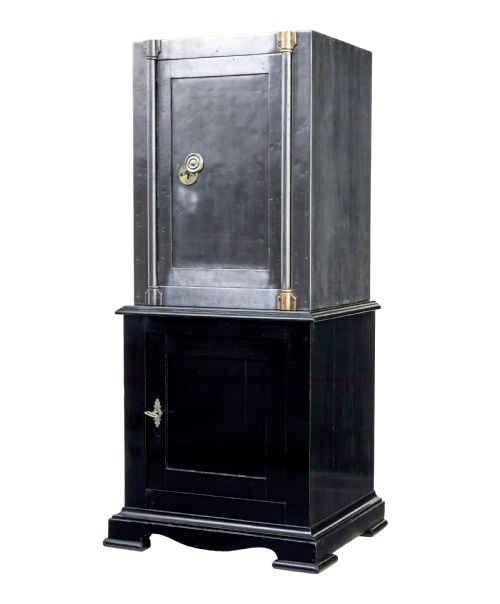
19th Century Iron Safe
These 19th century iron safe examples are heavy-duty security pieces built to protect valuables, offering formidable metalwork and historic utility for the modern home.
19th Century Iron Safe
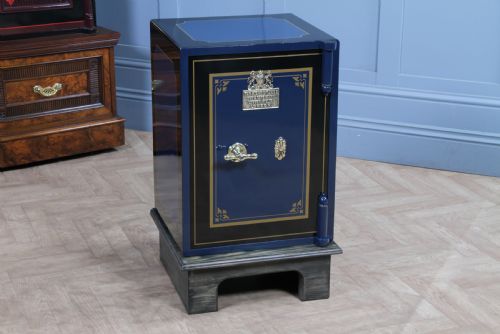
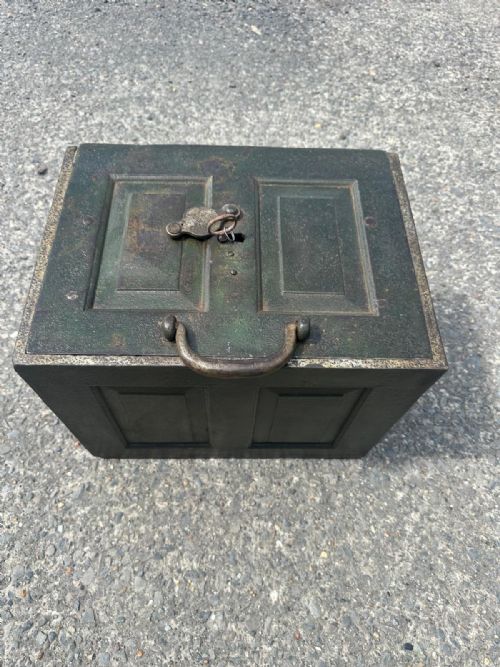
When you search for a 19th century iron safe, you encounter heavy security vessels built from robust metals to protect valuables in domestic, commercial and institutional settings. These items range from compact cash boxes to substantial strongboxes and architectural safes mounted on cabinets or stands.
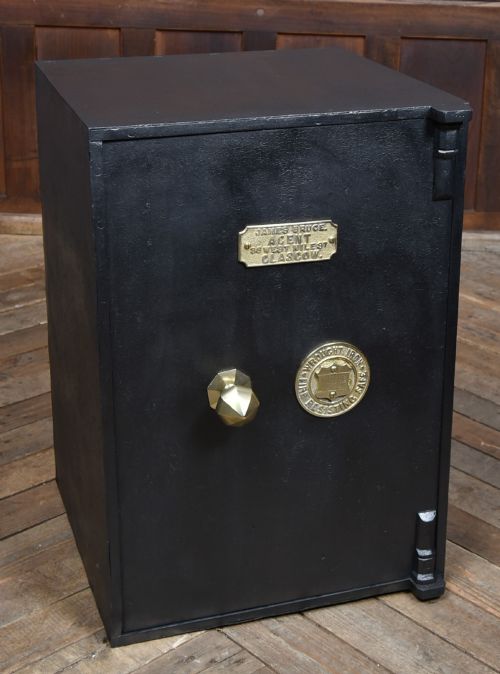
The versions most frequently met on this page combine cast iron, sheet iron or wrought iron bodies with intricate internal locking mechanisms and decorative brass details. Many feature maker inscriptions from notable firms, whilst others rely on hand-painted finishes, exposed wood construction or combination dials to secure their contents.
How They Were Made
The construction of these security containers relies heavily on durable metals including cast iron, wrought iron, sheet iron and steel, which provide structural integrity against forced entry. Makers reinforced these heavy metal plates with internal locking mechanisms, robust hinges and secure bolts to ensure maximum protection.
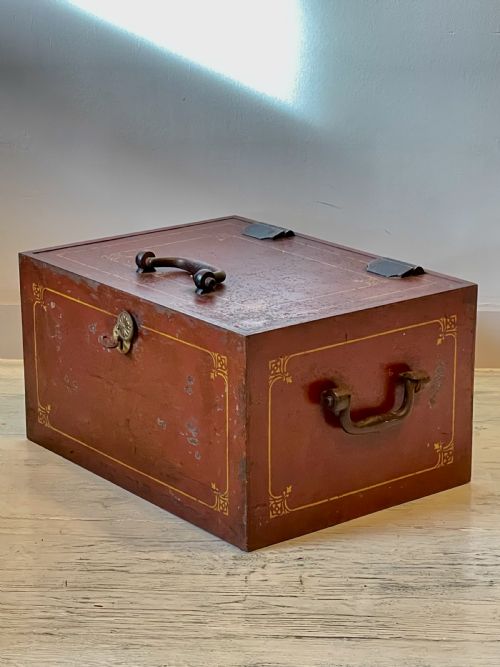
Many examples incorporate secondary materials such as oak and general wood to line the interiors or create exterior cabinets, storage trunks and stands. Exterior surfaces often display original paint, hand-painted Scandinavian decoration or polished steel finishes alongside functional brass handles and keyplates.
Materials documented across these security items include cast iron, wrought iron, sheet iron, steel, brass, oak and general wood.
What Varies in Quality
The standard of a 19th century iron safe depends heavily on the complexity of its locking mechanism and the reputation of its maker, with branded factory pieces often showing superior engineering. The retention of original keys, functional combination dials and working mechanisms elevates an example far above units missing these operational elements.
Surface preservation dictates much of the appeal, distinguishing items retaining original paint, untouched patination or polished steel from those with compromised structures. The integration of secondary materials, such as fitted oak interiors or bespoke wooden cabinets, adds significant craftsmanship value to the piece.
James Bruce Glasgow·Tanns Defiance London·Magaud De Charf·Elkington·Milners of Liverpool
The 19th Century Iron Safe Glossary
- Strongbox
- A heavily reinforced metal chest designed for storing money, documents or valuables securely. These vessels typically pre-date standardised commercial safe manufacturing.
- Cast iron
- An iron-carbon alloy poured into moulds to create rigid, thick structural plates for safe bodies. This material offers immense resistance to physical attack.
- Wrought iron
- A tough, fibrous iron product shaped by hammering while hot, used for straps, hinges and reinforcement. It provides structural flexibility alongside strength.
- Combination safe
- A security container operated by a dial mechanism requiring a specific sequence rather than a physical key. These units introduced advanced security technology during the period.
19th Century Iron Safe: Frequently Asked Questions
How do I open an antique iron safe without a key?
Opening an antique iron safe without its original key or combination requires the specialised services of a professional safe engineer who understands historic mechanisms.
Attempting to force the heavy cast iron or steel bolts will typically damage the internal levers and destroy the historic integrity of the lock.
Can I use an old iron safe as furniture?
These robust metal containers function exceptionally well as distinctive side tables, drinks cabinets or bedside units due to their flat tops and striking industrial presence.
Their substantial weight means placement must be carefully considered before positioning them on upper floors or delicate timber flooring.
How do I clean a painted iron safe?
Maintenance involves gently dusting the metal surfaces and applying a microcrystalline wax to protect original painted finishes or polished steel from moisture.
Harsh chemical solvents or abrasive pads must be avoided entirely, as they strip historic paint layers and remove the natural patination built up over centuries.
How do I know if the lock is original?
Original locks typically show consistent wear matching the interior casing and bear the exact maker signature associated with the safe's exterior branding.
Inspecting the internal bolt work reveals whether the mechanism has been replaced or modified during its working life.