




Antique Metal Deed Box
An antique metal deed box is a sturdy container built to secure important documents, and these pieces offer both industrial character and historic utility.
Antique Metal Deed Box
When you search for an antique metal deed box, you encounter heavy functional storage pieces designed to protect legal papers and valuables. The items on this page span from the late 18th century through the Victorian era and into the early 20th century.
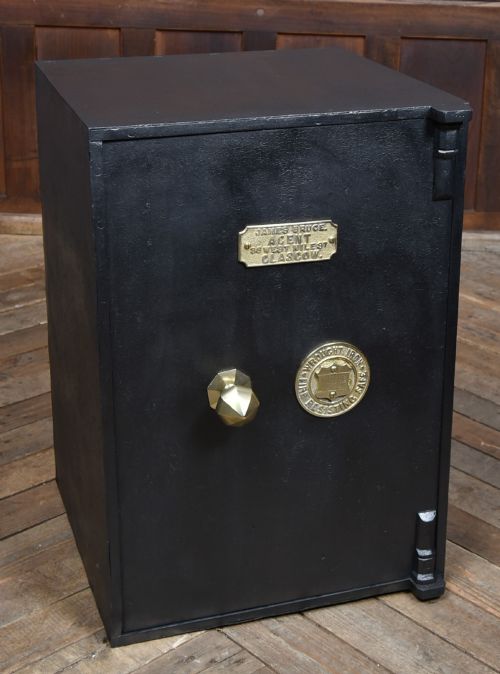
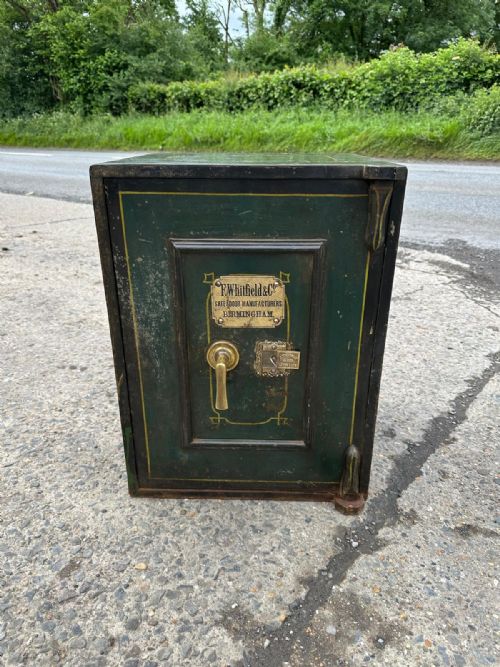
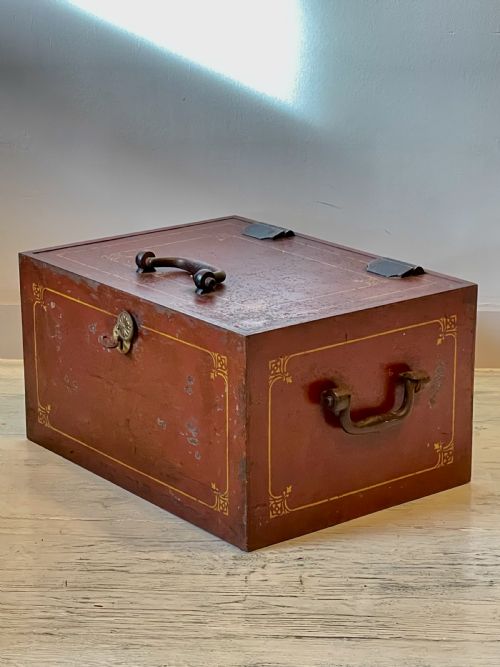
You will find strongboxes, document tins, and fall-front cases originating from British and Scandinavian makers. These range from heavy cast iron locking safes to painted iron chests and sets of toleware solicitor storage tins.
Victorian examples dominate the selection, often featuring painted finishes or brass details. Simpler tinplate deed chests and industrial safes also appear across the inventory.
Materials and construction
Construction relies on durable metals such as cast iron, wrought iron, steel, and tinplate. Makers formed these materials into rigid boxes designed to resist fire and forced entry.
Surfaces frequently show applied paint, black finish, or decorative toleware detailing. Brass handles and operational locks provide functional accents to the iron and steel bodies.
Periods represented on this page stretch from the late 18th century through the Victorian era into the 1920s.
Factors that define quality
Quality rests in the heaviness of the metalwork and the complexity of the locking mechanism. Cast iron and thick steel plates represent a higher tier of security than lighter tinplate versions.
The presence of original painted decoration or makers' branding elevates an example above plain utility boxes. Complete sets of matching solicitor tins also command greater interest.
James Bruce Glasgow·F Whitfield And Co·Milners Of Liverpool·George Price
The Antique Metal Deed Box Glossary
- Toleware
- Painted or lacquered metalware, often decorated with floral or foliate motifs. Solicitor offices frequently utilised these for client document storage.
- Strongbox
- A heavily reinforced security container designed for valuables. These typically feature robust iron construction and complex internal locking systems.
- Tinplate
- Thin sheet iron coated with tin to prevent rusting. This material formed the basis for many lighter Victorian document chests.
- Fall front
- A hinged front panel that drops down to reveal internal compartments or drawers. This mechanism appears on specialised steel keepsake cases.
- Patent safe
- A security box produced under a specific industrial patent. Manufacturers stamped these with their proprietary locking innovations.
Antique Metal Deed Box: Frequently Asked Questions
What were antique metal deed boxes used for?
Lawyers, businesses, and wealthy households used these boxes to store land deeds, legal contracts, and financial certificates. The heavy metal construction kept vital papers safe from fire, dampness, and theft.
Inside, owners often sorted documents by category or client name. Many boxes accompanied families through generations as central archives for household administration.
How do I date an iron deed box?
Dating relies on construction methods, fastener types, and painted decoration styles. Late 18th-century examples often feature hand-forged iron bindings over wood or thick plate.
Victorian and early 20th-century pieces display machine-rolled steel, standardised brass handles, and cast manufacturer badges. Patent dates stamped onto the locks also provide a reliable production window.
Are these boxes still secure today?
While historic strongboxes and safes were state-of-the-art in their day, modern security standards have surpassed them. Many antique locks still function, but keys are frequently missing or delicate.
Buyers today use them primarily for display, decorative storage, or organising modern paperwork. If a key is present, the latch mechanism usually operates smoothly.
How should I clean a painted iron box?
Maintenance requires gentle cleaning to preserve original paint and patination. A soft cloth removes surface dust without harming fragile letterheads or stencilling.
Harsh chemical solvents and abrasive scourers must be avoided entirely. A light application of microcrystalline wax can protect exposed iron surfaces from future oxidation.