




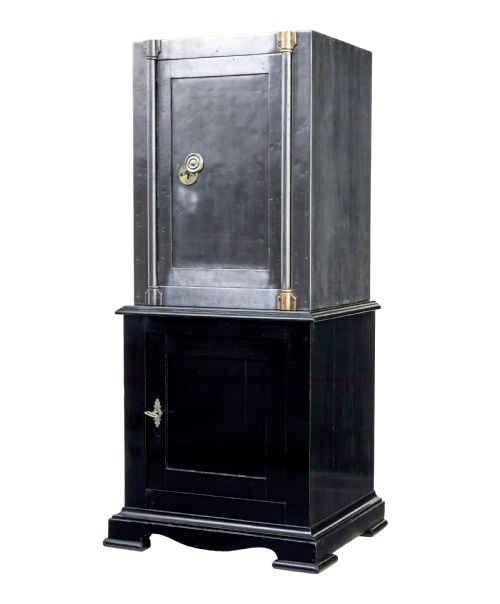


Victorian Metal Strongbox
A victorian metal strongbox is a heavy security chest forged to protect valuables, prized for its mechanical ingenuity and industrial presence.
Victorian Metal Strongbox
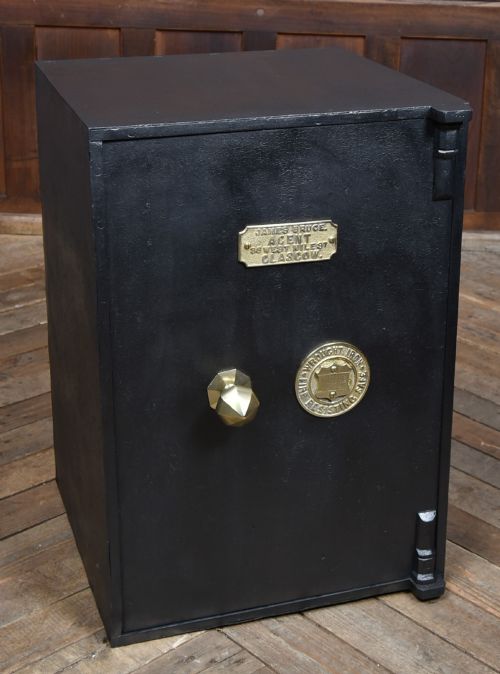
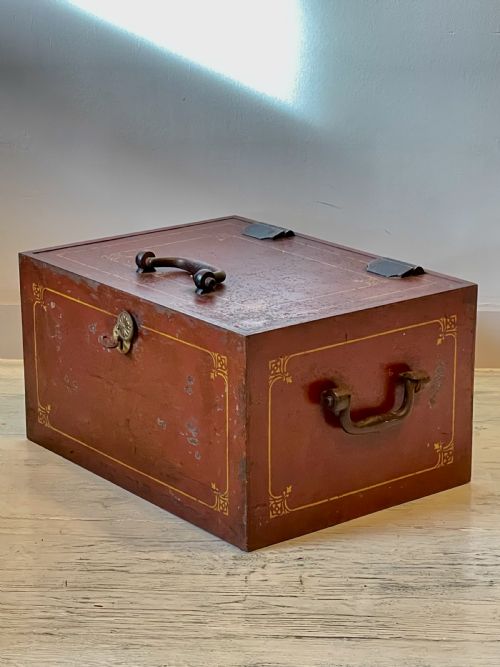
When you search for a victorian metal strongbox, you encounter robust security vessels originating primarily from the nineteenth century. These items encompass heavy cast iron locking safes, painted iron strongboxes, and oak silver chests bound in metal.
The versions most commonly met on this page range from plain utilitarian workshop boxes to fully restored luxury safes bearing the names of prominent makers. They frequently span periods from eighteen-sixty through to nineteen hundred, including late victorian and victorian industrial styles.
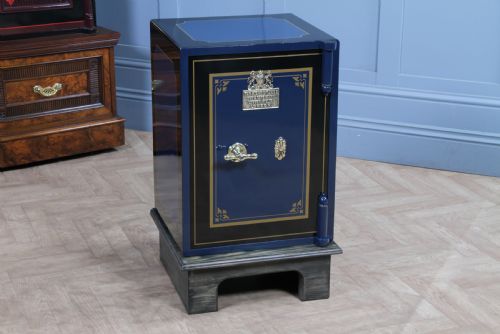
Makers such as Tanns, Chubb, Milners of Liverpool, and George Price dominate the heritage of these forms. Buyers encounter both standalone tabletop strongboxes and larger safes mounted on bespoke wooden stands or cabinets.
How they were made
Makers utilised heavy cast iron, sheet iron, and wrought iron for the primary bodywork and structural defence. These metals were frequently combined with steel locking mechanisms and brass fittings.
Timber elements appear where oak and walnut were employed for internal fittings or exterior display stands, such as those by Waring and Sons. Protective surfaces often featured painted finishes or polished steel treatments.
One exceptional strongbox comes equipped with a secret compartment that requires sliding two iron bolts simultaneously to reveal.
What varies in quality
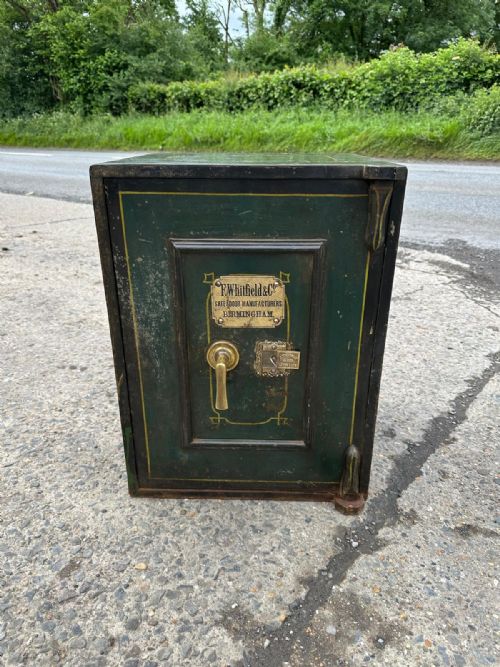
Quality rests upon the sophistication of the locking mechanism and the renown of the manufacturer. Works by established firms like F. Whitfield and Co. or James Bruce of Glasgow command attention for their mechanical precision.
The degree of restoration and the presence of original keys influence desirability. Surviving decorative embellishments, ornate fireproof casing, and integrated matching stands elevate standard utility items into luxury presentation pieces.
James Bruce Glasgow·Tanns Defiance London·F. Whitfield and Co.·Milners of Liverpool·Waring and Sons·George Price
The Victorian Metal Strongbox Glossary
- Strongbox
- A secure metal chest designed for storing valuables and currency safely. These pieces rely on heavy iron or steel construction.
- Cast iron
- A sturdy alloy poured into moulds to create rigid, thick protective walls. It forms the primary body of many nineteenth century safes.
- Wrought iron
- A tough, malleable iron variant beaten into shape by hammers. It provides structural reinforcement for hinges and strapping.
- Silver chest
- A specialised storage box lined for cutlery and plate. They often combine oak framing with heavy metal binding.
- Patent safe
- A security box protected by a legally registered locking invention. These items highlight nineteenth century mechanical developments.
Victorian Metal Strongbox: Frequently Asked Questions
What is a victorian metal strongbox?
A victorian metal strongbox is a secure iron or steel container built during the nineteenth century to protect valuables from theft and fire.
These objects range from small portable lock boxes to massive safes fitted with intricate brass and cast iron mechanisms.
How were these strongboxes used?
Owners utilised them in banks, country houses, and merchant offices to store legal documents, bullion, and silver plate.
Many featured specialised internal compartments and complex locking systems requiring specific keys to secure contents.
How do I date a metal safe?
Dating relies on mechanical patents, maker inscriptions, stylistic cues, and materials like cast iron or polished steel.
Nineteenth century examples often display maker plaques from firms active during the Victorian era and around nineteen hundred.
Where should I place a strongbox?
Their substantial weight requires sturdy floor support, particularly for larger examples mounted on wooden stands or cabinets.
They function well as statement furniture pieces in studies or hallways where their industrial surfaces remain visible.