




Antique Heavy Strongbox
An antique heavy strongbox is a robust security chest built from dense iron, steel or oak to safeguard valuables.
Antique Heavy Strongbox
When you search for an antique heavy strongbox, you encounter utilitarian containers designed to secure valuables in domestic and commercial settings. The examples seen on this page span several centuries, reaching from sixteenth-century Nuremberg caskets and Armada chests up to Victorian industrial safes and patent locking boxes.
The dominant forms include cast iron safes, heavy wood and metal banded silver chests, and reinforced lock boxes originating from British, Scottish, and continental workshops. These pieces range from country house silver boxes to merchant deposit cases and heavily ornate fireproof models.
Buyers most frequently meet nineteenth-century and Victorian iterations alongside earlier sixteenth and seventeenth-century forms. The heavier specimens often integrate complex internal locking mechanisms and visible strapping designed to withstand forced entry.
Materials and construction
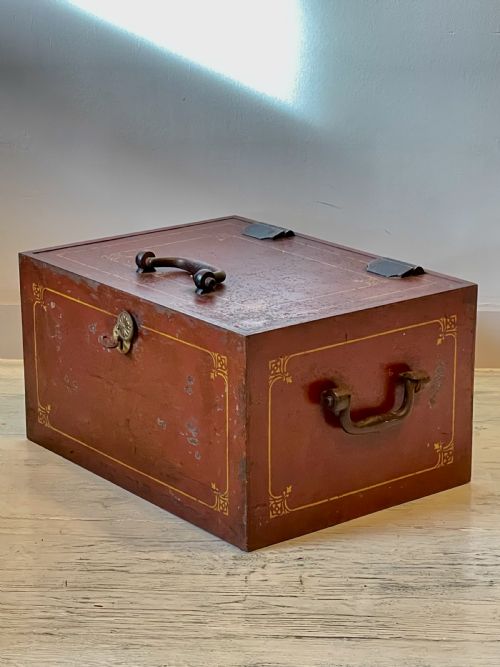
Construction relies heavily on dense metals and durable timber, utilising cast iron, wrought iron, steel, sheet iron, and brass alongside solid oak and general wood. Blacksmiths and early manufacturers fastened iron straps and bands across wooden carcasses to reinforce the structure against breaches.
Locksmiths integrated intricate internal mechanisms, often concealed behind elaborate faceplates or heavy doors requiring specific keys. Surface treatments range from plain industrial finishes and painted iron to ornate decorative scrollwork seen on continental caskets.
Some sixteenth-century caskets hide their entire locking mechanism beneath a dummy keyhole to trick unauthorized visitors.
Evaluating quality and craftsmanship
Quality in these security pieces rests upon the complexity of the locking mechanism and the integrity of the metalwork or timber framing. Superior examples feature sophisticated multi-bolt locks, fully intact internal compartments, and original working keys.
The thickness of the cast or wrought iron and the precision of the joinery distinguish utilitarian storage from high-status merchant or country house chests. Retained original paint, clear maker attribution, and minimal structural alteration further elevate the standing of a piece.
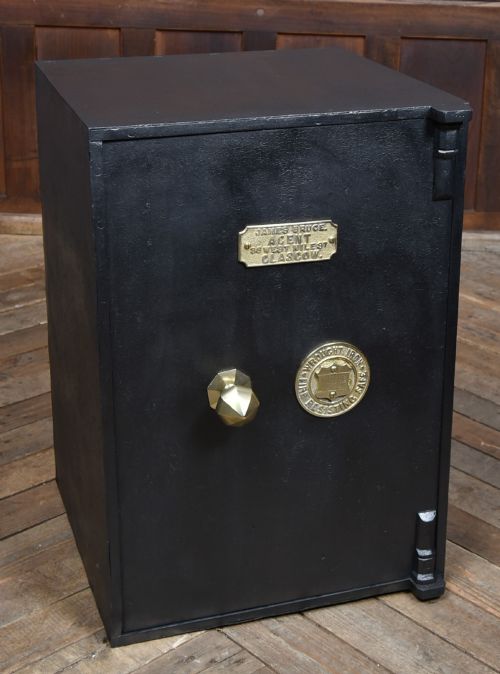
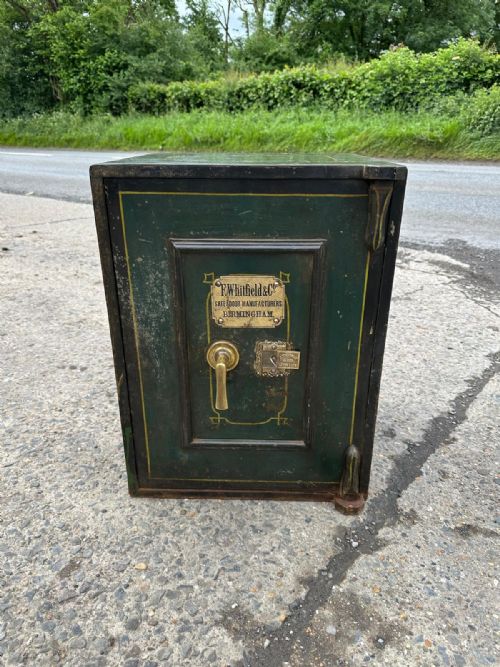
James Bruce·F. Whitfield and Co·Milners of Liverpool·George Price
The Antique Heavy Strongbox Glossary
- Strongbox
- A secure chest or box constructed from heavy metal or reinforced timber to protect money and valuables. These containers typically feature robust locking systems and thick walls.
- Armada chest
- A type of heavily constructed iron storage box produced in Germany and Flanders during the sixteenth and seventeenth centuries. They feature complex spring locks operated from the lid.
- Nuremberg casket
- A portable steel or iron box originating from German workshops, notable for intricate etched decoration and internal locking mechanisms covered by a pierced steel plate.
- Silver chest
- A specialised wooden box reinforced with iron bands, designed to hold domestic silverware securely. These are frequently lined to protect flatware and holloware.
- Patent safe
- A secure iron or steel box produced under a specific industrial patent, often bearing the name of a notable manufacturer such as Milners or Whitfield.
Antique Heavy Strongbox: Frequently Asked Questions
What is an antique heavy strongbox used for?
These boxes served to protect currency, important documents, and valuable family silver from theft and fire in homes, ships, and merchant offices.
Today, collectors utilise them as secure display pieces, coffee tables, or statement storage in studies and living spaces.
How do I date an iron strongbox?
Dating relies on the manufacturing technique, lock complexity, and stylistic markers such as the presence of hand-wrought iron straps versus cast iron panels.
Earlier pieces from the sixteenth and seventeenth centuries display engraved steel plates and complex lid mechanisms, while nineteenth-century versions utilise heavy patent locks and standardised iron casting.
Are keys usually included with these safes?
Many surviving examples retain their original working keys, particularly those that have undergone professional restoration.
Some pieces operate without a key if the internal mechanism has been secured or adapted, though working mechanisms remain more desirable.
How heavy are these strongboxes?
Due to the thick cast iron, steel plates, and dense oak construction, these pieces are exceptionally heavy and often require multiple people to lift.
This substantial weight was an intentional security measure designed to prevent thieves from carrying the box away.