


Victorian Heavy Iron Box
A victorian heavy iron box brings utility and robust construction together, offering secure storage and enduring presence in a room.
Victorian Heavy Iron Box
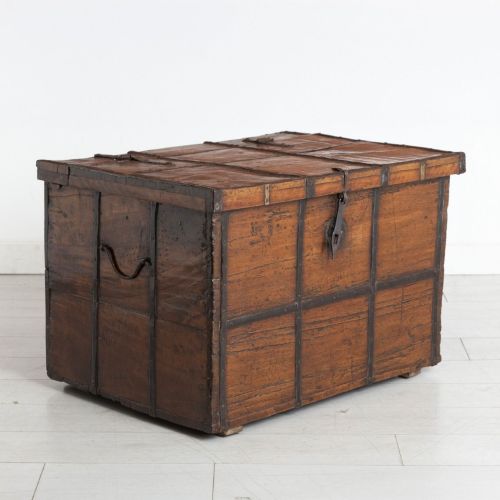
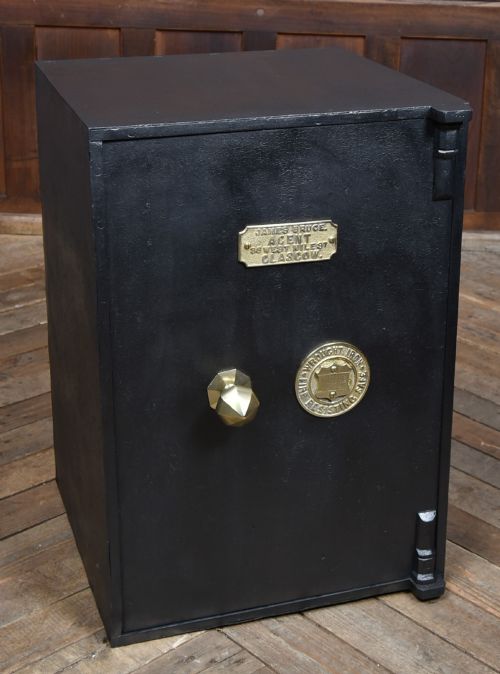
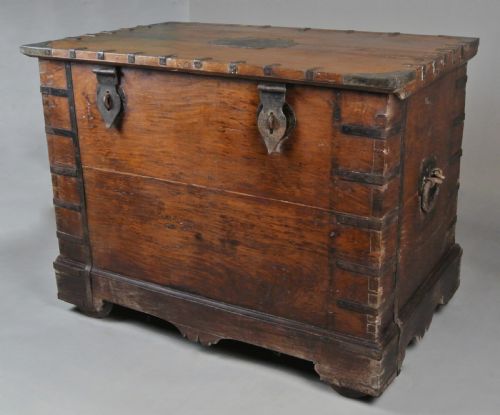
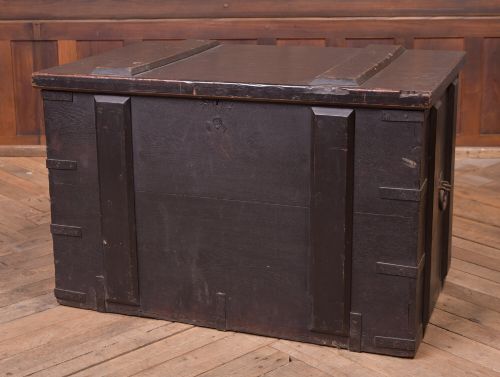
When you search for a victorian heavy iron box, you encounter robust receptacles designed for secure transport, silver storage, and safekeeping during the nineteenth century. These objects include heavy cast iron safes, iron-bound oak shipping trunks, and fitted travel chests.
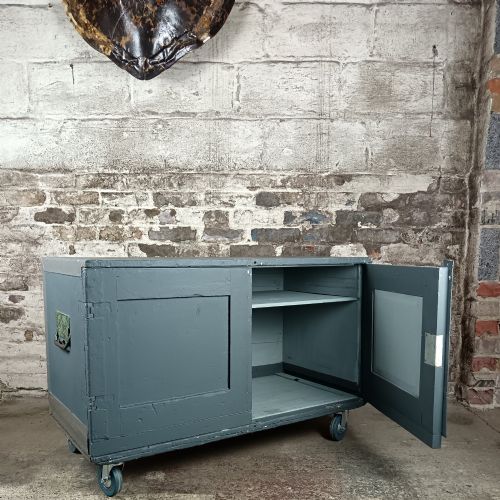
You are most likely to meet oak and pine chests banded with iron or steel straps, alongside heavy utilitarian safes produced during the Victorian and late nineteenth-century periods. These range from campaign military cases to country house log bins and strongboxes.
How they were made
Maker workshops utilised durable timbers such as oak, teak, and pine as the structural core for boxes and trunks, reinforcing the corners and lids with heavy iron, cast iron, and brass bands. Rivets and steel straps secure the wooden panels, providing resistance against heavy handling and transport.
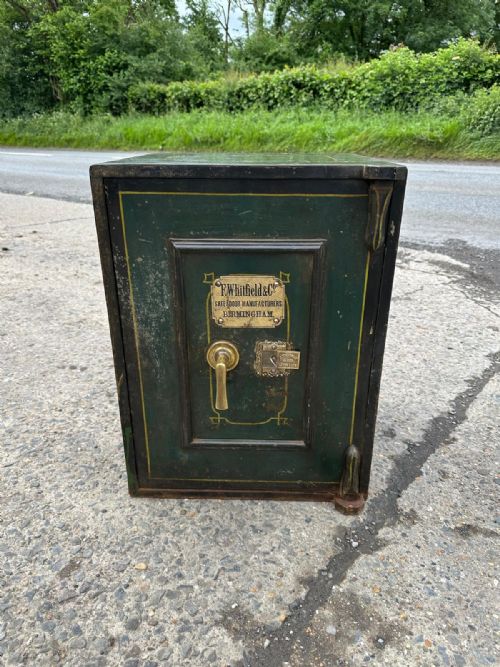
Safes and strongboxes combine heavy cast iron and wrought iron plates with intricate mechanical locking mechanisms, often bearing the marks of specialised safe makers. Surfaces frequently display painted finishes or natural patinated metal alongside exposed grain on timber sections.
Listings demonstrate materials including iron, brass, oak, cast iron, wrought iron, pine, steel, and teak across nineteenth-century forms.
What varies in quality
The standard of a victorian heavy iron box rests on the integrity of its primary materials and the complexity of its internal fittings. Examples featuring original brass handles, working locks with keys, and fitted wooden interior trays command greater attention from collectors.
Construction methods also set pieces apart, distinguishing utilitarian pine storage trunks from substantial oak silver chests bound in thick steel or iron. The presence of documented maker plates or patents elevates the historical standing of a box.
James Bruce Glasgow·F Whitfield And Co·Elkington·Milners Of Liverpool·George Price·H D Dean
The Victorian Heavy Iron Box Glossary
- Silver chest
- A heavy timber storage box reinforced with metal bands, traditionally used for transporting and storing family silver.
- Campaign military chest
- A modular wooden box designed to dismantle or transport easily for officers on the move during the nineteenth century.
- Strongbox
- A secure metal or iron-reinforced box utilised for holding valuables, documents, or currency.
- Log bin
- A deep container constructed from wood and iron or metal banding, intended for holding fireplace fuel in country houses.
- Cast iron
- A sturdy iron-carbon alloy poured into moulds to create heavy structural plates and decorative hardware.
Victorian Heavy Iron Box: Frequently Asked Questions
What were these iron-bound boxes used for?
These boxes served multiple functions, ranging from the secure transport of household silver and valuables during travel to storing blankets and firewood in country houses.
Heavier variants like safes and strongboxes protected documents and currency against theft or fire.
How do I identify a Victorian piece?
Look for construction traits typical of the nineteenth century, including hand-cut dovetail joints in the timber, heavy cast iron or steel banding, and traditional strap hinges.
Maker plaques, patent stamps, and period brass hardware also help confirm the era of manufacture.
Are these boxes heavy to move?
Many of these pieces are exceptionally heavy due to their dense oak, teak, or pine bodies combined with thick iron bands and cast iron plates.
They were built for durability and security rather than easy mobility, often requiring multiple people to reposition.
How do I care for the metal and wood?
Maintain the timber by applying appropriate wax to nourish the grain and prevent the wood from drying out over time.
Keep the iron and steel components clean and dry, occasionally applying a light protective oil to guard against rust.