




Iron Security Box
An iron security box brings heavy metal construction and clever locking mechanisms together to keep valuables safe, offering solid reassurance for the home.
Iron Security Box
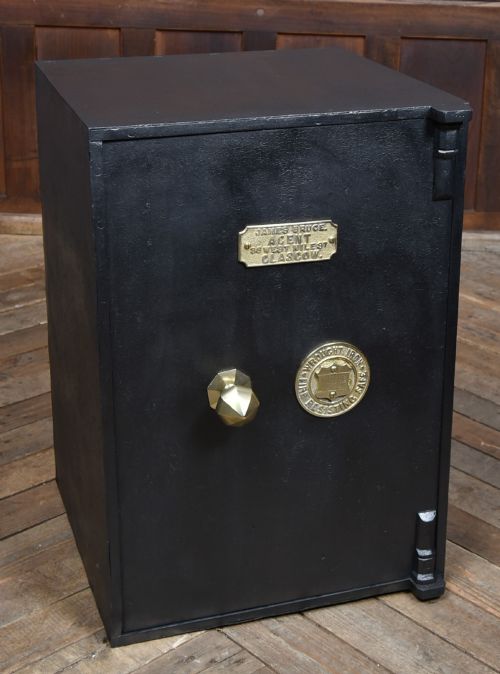
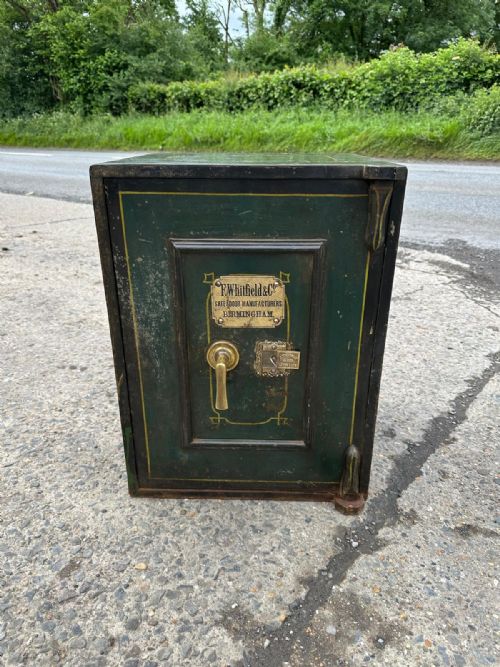
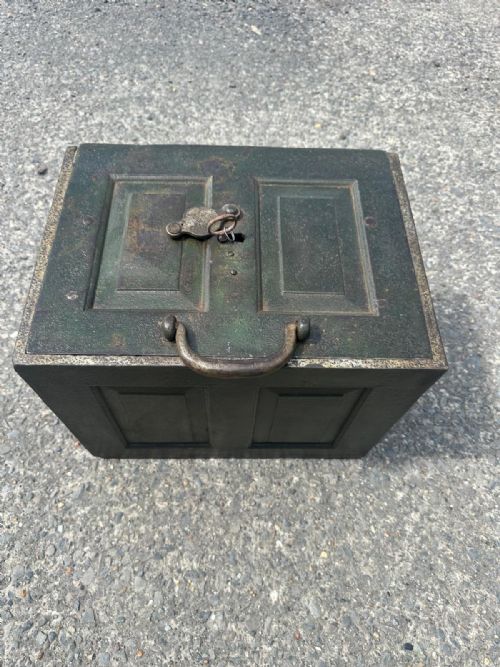
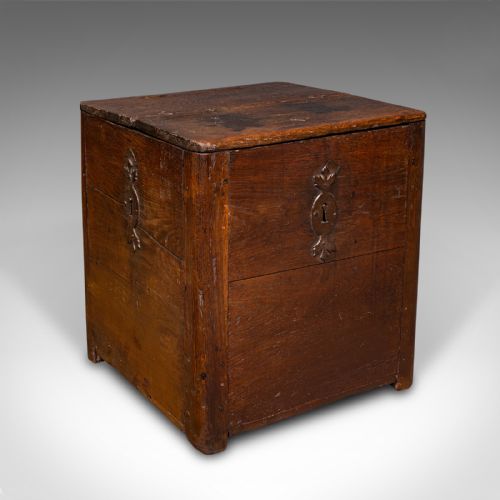
When you search for an iron security box, you are looking at utilitarian containers designed to protect valuables, documents, and currency from theft and fire. The pieces seen here span periods from the Georgian era through to the Victorian period and around 1900, taking forms such as safes, cash boxes, door locks, chests, and strongboxes.
The version you are most likely to meet on this page is a Victorian iron safe or a strongbox, often constructed with heavy metal plates and fitted with working keys. These robust objects combine industrial utility with period craftsmanship, reflecting the security needs of past centuries.
Construction and materials
These pieces are built using durable metals such as cast iron, wrought iron, steel, and brass, frequently combined with timber frames or internal compartments made from oak, wood, and burr walnut. Such materials provided the necessary heft and resistance required for secure storage.
Makers employed specialised locking mechanisms, including dials, complex box locks, and fitted keys, alongside fireproof linings. Many retain their original painted finishes and stands, showing how structural strength was balanced with functional design.
Listings feature materials spanning cast iron, wrought iron, steel, brass, oak, wood, and burr walnut across the 19th Century, Victorian, and 1900 periods.
Judging quality and character
Quality in these pieces is dictated by the sophistication of the locking mechanism and the integrity of the ironwork. Finer examples feature intricate internal levers, combination dials, and fully restored working keys that demonstrate superior mechanical engineering.
The integration of secondary materials also separates standard boxes from finer items, such as those mounted on bespoke walnut stands or featuring ornate brass fittings. Preservation of original colour and surface finish further distinguishes better surviving examples.
James Bruce Glasgow·F Whitfield And Co·Waring And Sons·Milners·George Price
The Iron Security Box Glossary
- Strongbox
- A heavily reinforced metal or wood-lined chest built for securing high-value possessions against theft. They often feature substantial iron banding and complex locks.
- Safe
- A secure box designed to protect contents from fire and unauthorised access, usually constructed from thick iron or steel plates.
- Box Lock
- A self-contained locking mechanism fitted internally or surface-mounted to a lid, operated by a specific key.
- Combination Safe
- A secure container opened by entering a sequence of numbers or letters on dials rather than using a standard key alone.
- Burr Walnut
- A highly figured wood veneer derived from walnut tree growths, used on luxury stands and interior fittings to add decorative contrast to the utilitarian iron.
Iron Security Box: Frequently Asked Questions
Were these used in homes or businesses?
They served both domestic and commercial environments, housing everything from household documents and cash to merchant ledgers and valuables. Strongboxes often travelled on mail carriages or sat within country houses.
Commercial premises relied on heavier fireproof safes to protect daily takings. Their robust nature made them versatile across many different settings.
How do I date an iron security box?
Dating relies on stylistic clues, construction methods, and maker marks stamped into the iron or brass plates. Georgian examples often feature exposed oak framing and simpler box locks, while Victorian pieces lean towards heavier industrial casting.
Makers active in the nineteenth and early twentieth centuries provide firm chronological markers. Surviving paperwork or painted trade labels inside can also pinpoint the decade of manufacture.
Can these be used for daily storage?
Their solid metal construction and functional locks make them practical for storing modern documents, jewellery, or collections securely at home. The heavy lids and doors provide genuine physical security.
Placing them on appropriate flooring is recommended due to their considerable weight. They offer a tangible connection to historical engineering while remaining entirely functional.