

Antique Lock Box
When you search for an antique lock box, you are looking at secure receptacles designed to protect valuables, documents, and personal items across centuries.
Antique Lock Box
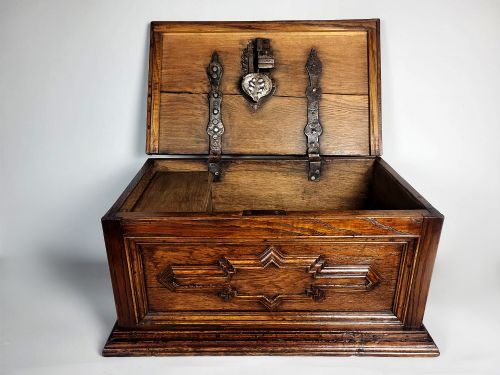
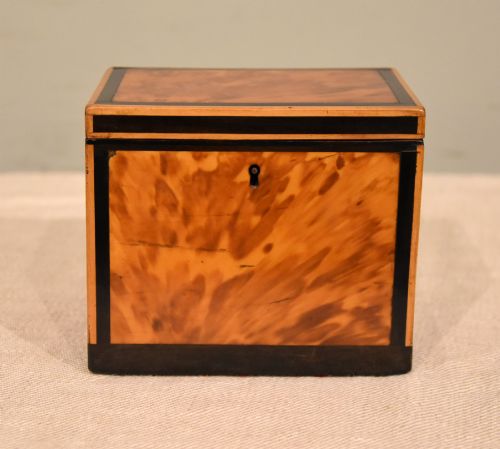
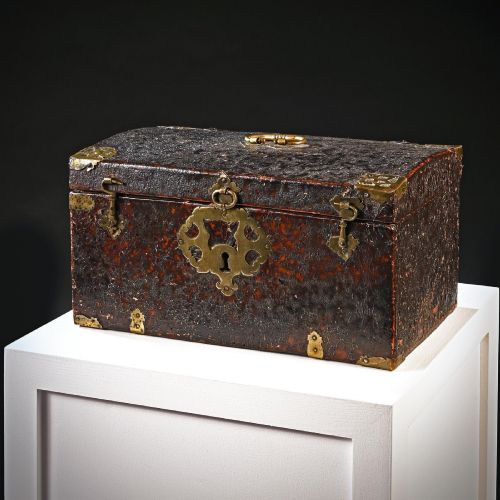
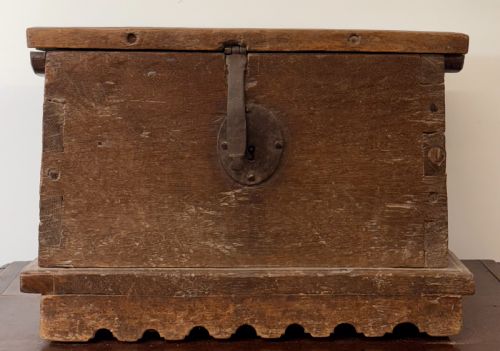
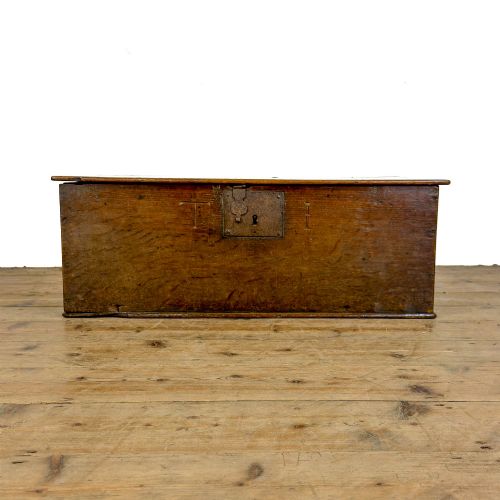
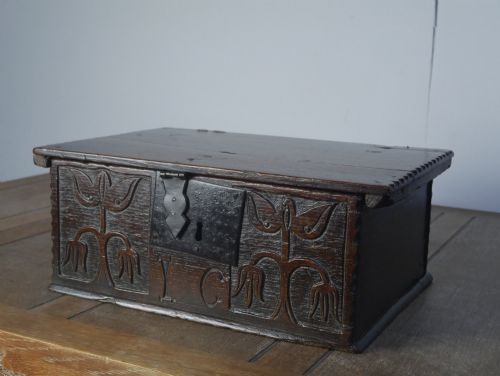
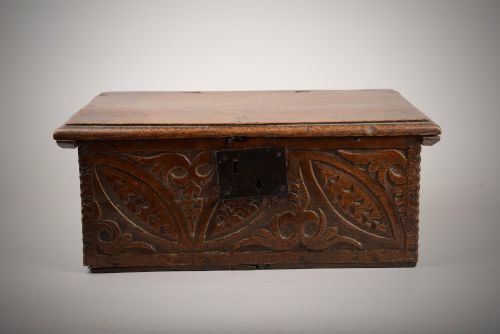
An antique lock box encompasses a diverse range of secure storage vessels, including sturdy desk boxes, bible boxes, and travelling caskets designed to safeguard prized possessions. These items span multiple centuries, reflecting evolving domestic and professional storage needs from the seventeenth century onward.
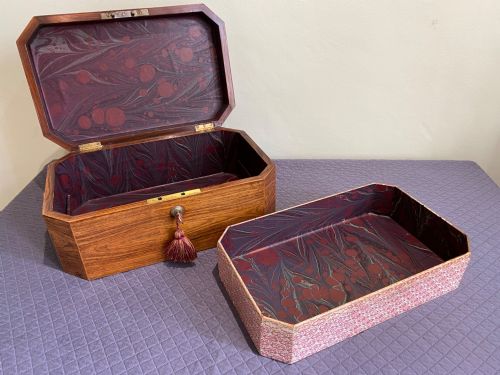
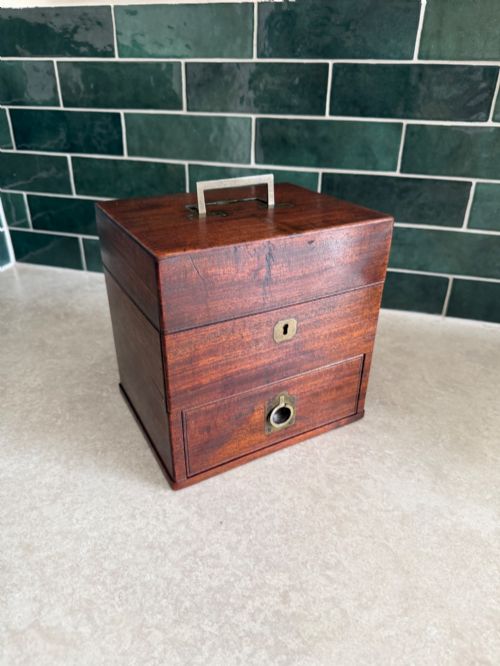
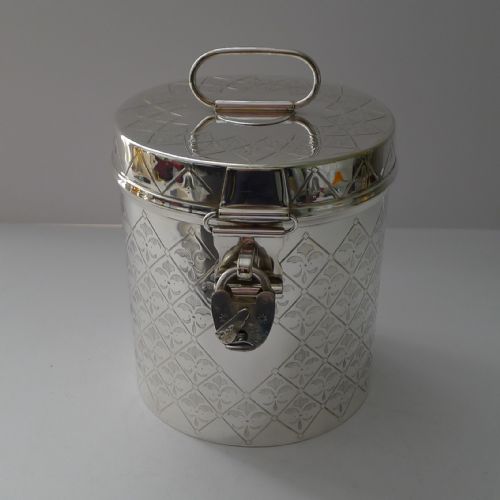
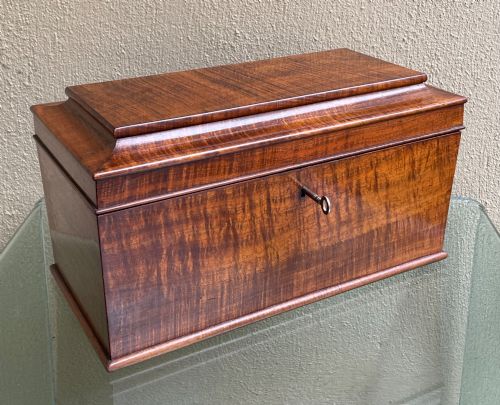
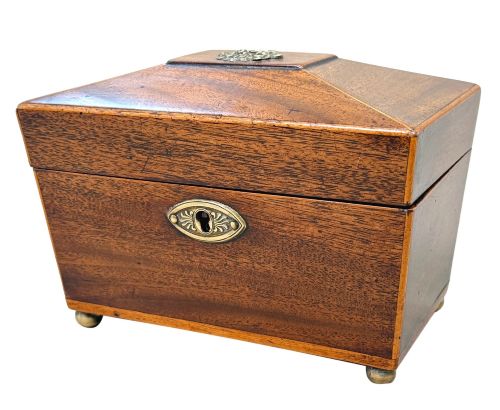
The version you are most likely to meet on this page is an oak or mahogany container featuring a working metal lock, often originating from the Georgian or Victorian periods. These practical objects frequently served specialised functions, housing everything from tea and writing materials to legal documents and jewellery.
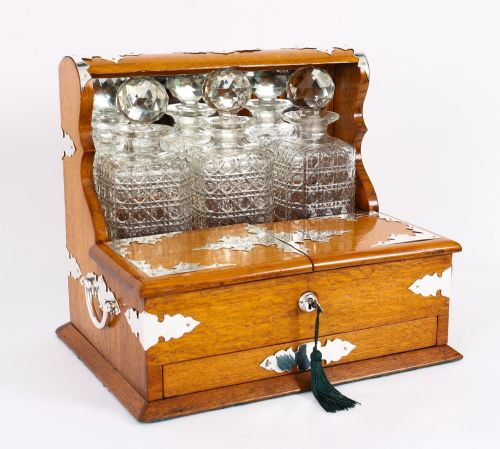
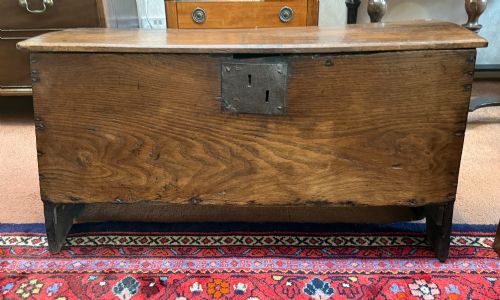
Beyond standard domestic storage, the selection includes larger forms such as iron-banded coffers, blanket chests, and engineered tantalus dry bars. Each piece demonstrates how past societies secured their daily goods against theft or unauthorized inspection.
Quality variations
The standard of a lock box is determined by the precision of its cabinetry, the complexity of its locking mechanism, and the integrity of its materials. Fine examples display carefully matched timber veneers, secret drawers, and original operational keys that engage smoothly with robust internal hardware.
Significantly lesser quality often manifests in replaced hardware, poorly fitted replacement keys, or later alterations to the interior compartments. Pieces retaining their original locks, hinges, and fitted interiors represent a higher tier of historic craftsmanship.
The listings span from sturdy 17th-century oak bible boxes and iron-banded coffers to refined Victorian mahogany tea caddies and brass-mounted tantalus cabinets.
Mappin and Webb·Jones Bros
The Antique Lock Box Glossary
- Bible box
- A small desk or storage container originally intended to hold family scriptures and personal documents. These slope-lidded boxes date predominantly from the seventeenth and eighteenth centuries.
- Bramah lock
- A high-security patented lock invented by Joseph Bramah in the late eighteenth century, known for its cylindrical key and exceptional resistance to picking. It is frequently found on superior Victorian writing slopes and jewellery boxes.
- Tantalus
- A locking drinks cabinet holding decanters visible to the eye but restrained by a metal bar to prevent unauthorized access. The mechanism requires a key to release the bottles.
- Coffer
- A heavy wooden chest, often constructed from oak with six planks, used for secure storage of household valuables. They typically feature robust iron hinges and heavy-duty front locks.
- Writing slope
- A portable desk that opens to reveal a slanted writing surface, inkwell compartments, and hidden document storage. These boxes are frequently lined with leather or velvet.
Antique Lock Box: Frequently Asked Questions
How do I secure an antique lock box?
Many historic boxes retain their original working keys, though centuries of use can make the mechanisms delicate. A professional locksmith who specialises in antiques can often service internal steel locks without damaging the surrounding timber.
For pieces missing their keys, exact period replacements can sometimes be sourced, but forcing a stuck mechanism should be avoided to preserve the internal brasswork and wood framing.
What were antique lock boxes originally used for?
These containers served as personal safes in an era before modern banking and security systems became widespread. People used them to store legal deeds, household cash, jewellery, writing paper, and precious spices.
Smaller desk forms kept correspondence private, whilst larger blanket chests and coffers protected textiles and valuable garments from dampness and theft in domestic settings.
How do I date an antique lock box?
Dating relies heavily on examining the timber species, construction methods, and the style of the lock mechanism. Seventeenth-century pieces typically feature hand-riven oak, forged iron hinges, and simple rim locks, while Georgian and Victorian examples introduce mahogany, complex dovetailing, and brass inlay.
Secondary woods used inside secret drawers and the wear patterns around keyholes also offer reliable clues to a box's true period of manufacture.
Are replacement keys common on these boxes?
Replacement keys are frequently encountered because original keys were easily lost over hundreds of years of daily household use. A well-fitted replacement key that operates smoothly does not detract from the historical utility of the piece.
Collectors generally prefer boxes that retain their original manufacturer-stamped locks and matching keys, though period-appropriate replacements remain entirely acceptable for functional use.