





Antique Lidded Jar
When you search for an antique lidded jar, you step into a diverse field of covered vessels made for display, storage, and the dressing table.
Antique Lidded Jar
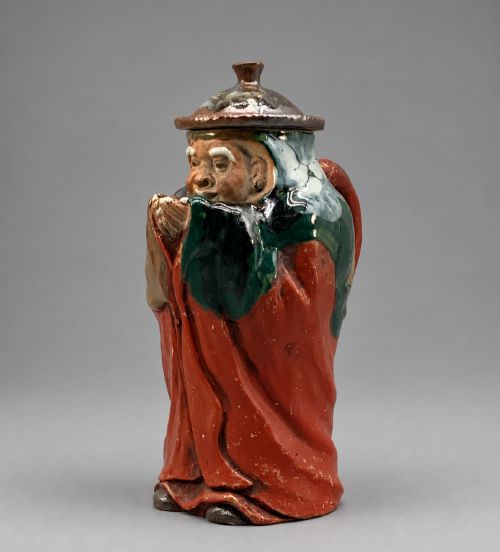
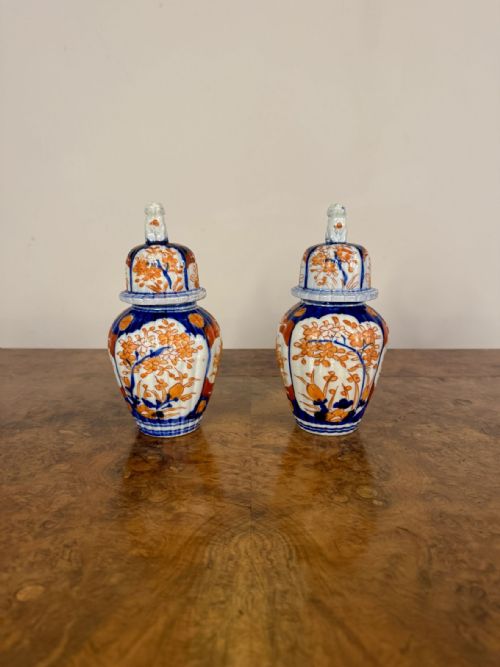
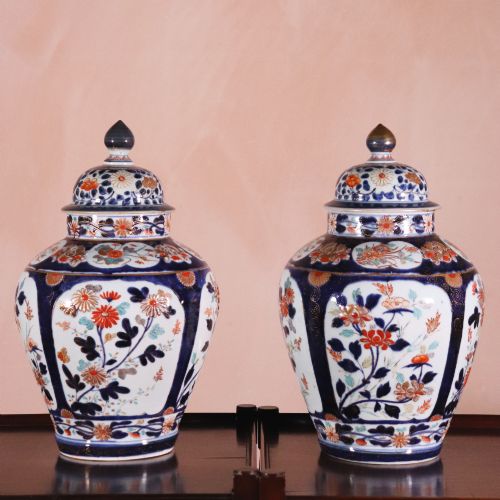
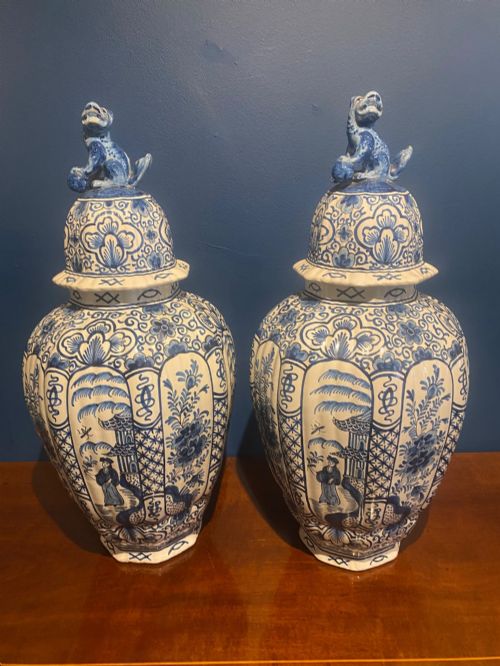
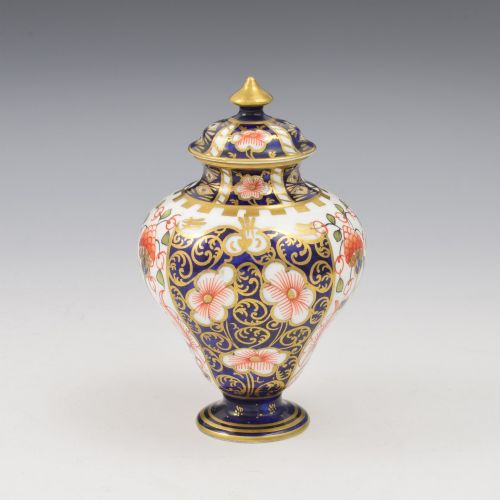
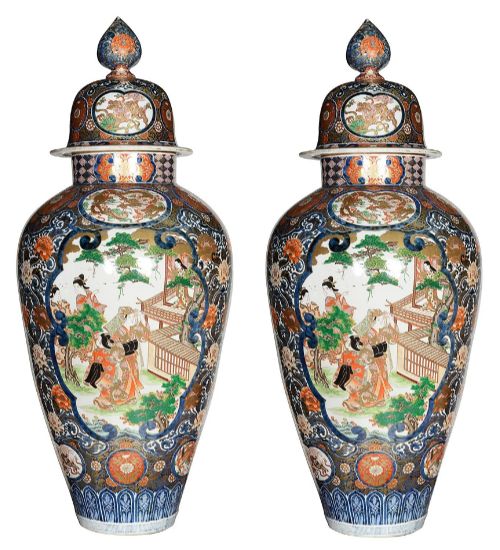
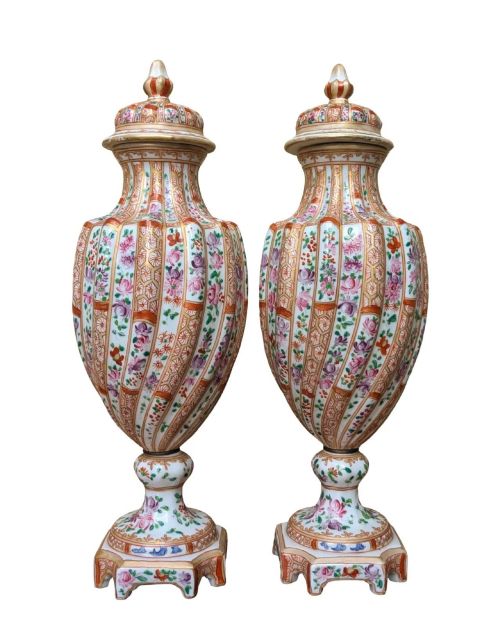
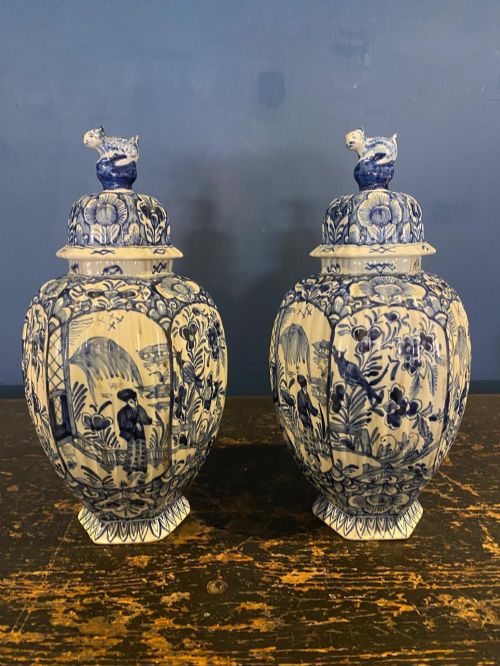
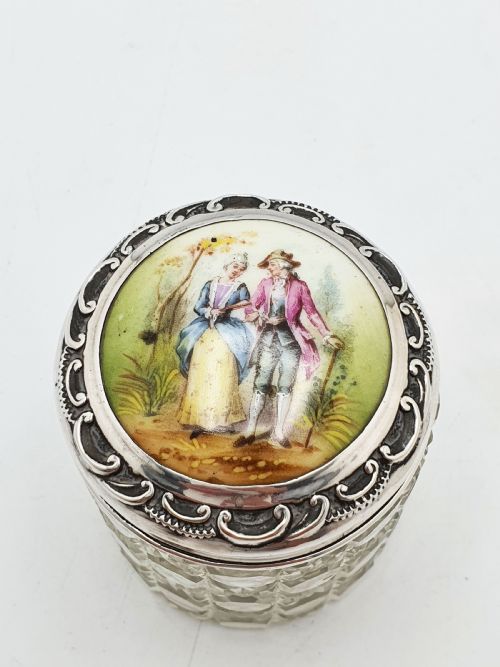
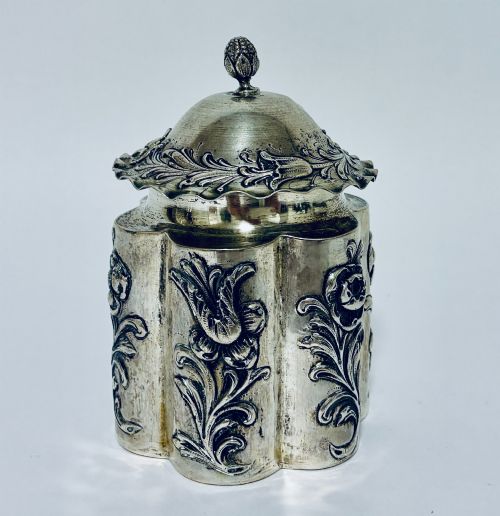
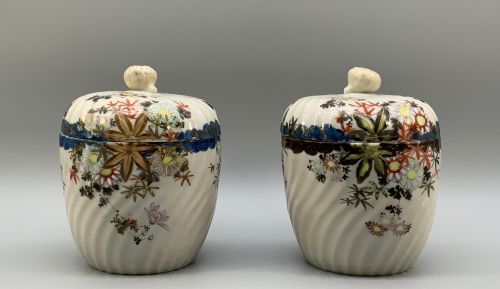
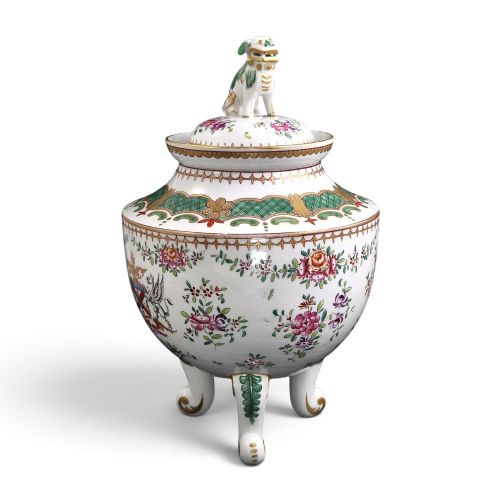
An antique lidded jar encompasses a wide variety of covered vessels, from nineteenth-century Japanese cloisonne enamel ginger jars and Imari porcelain to eighteenth-century English walnut treen tobacco jars and Dutch Delftware. Buyers seeking these pieces encounter an array of forms, including apothecary jars, biscuit barrels, trinket pots, and decorative urns spanning the eighteenth, nineteenth, and early twentieth centuries.
The materials and origins range significantly, taking in Continental faience, Bohemian cut glass mounted in sterling silver, and French porcelain alongside regional earthenware. Many examples serve specific historical functions, such as holding tobacco, powder, or medical preparations, while others exist purely for ornamental effect.
The pieces on this page display the distinct tastes of periods such as the Georgian, Victorian, Edwardian, and Art Deco eras, alongside Meiji period Japanese craftsmanship. Selecting an item means weighing whether a domestic porcelain container or a heavy silver-mounted glass dressing table jar suits the intended setting.
How they were made
Makers shaped these vessels from materials as varied as porcelain, earthenware, glass, silver, bronze, and fruitwood. Ceramic pieces typically involve throwing or moulding clay, followed by hand-painting underglaze or overglaze decoration before firing in kilns.
Metal components, such as sterling silver mounts and lids, require smithing, casting, and engraving techniques, frequently combined with hand-applied enamel or set porcelain plaques. Glass jars utilise blowing and cutting methods, sometimes paired with frosting or applied metallic decoration.
Antique Lidded Jar Retail Price Guide 2026
Typical asking prices for lidded jar among the pieces listed under this phrase on Sellingantiques today, from the lower quarter to the upper quarter. They describe what is for sale here now, not the wider market.
Listings feature items spanning the eighteenth century through the Art Deco era, utilising porcelain, cut glass, sterling silver, enamel, and fruitwood.
What varies in quality
The standard of an antique lidded jar rests upon the crispness of its modelling and the execution of its decoration, whether hand-painted ceramic motifs or precise silver hallmarks. Finer examples display meticulous attention to detail in every element, from the fit of the cover to the depth of the glaze.
Edme Samson·Royal Crown Derby·Royal Worcester·A. J. Pepper & Co·A. Bromet & Co
The Antique Lidded Jar Glossary
- Ginger jar
- A wide-mouthed storage vessel originally designed for spices, frequently decorated with prunus blossom motifs in blue and white porcelain.
- Treen
- Small handmade wooden objects produced from materials such as fruitwood or walnut, often incorporating turned bodies and snug-fitting lids.
- Imari
- A traditional Japanese style of porcelain characterised by deep underglaze blue and iron red highlights, often enriched with gold leaf.
- Cloisonne
- A decorative metalwork technique where enamel paste fills compartments created by soldered flat wires on a brass or copper base.
- Apothecary jar
- A utilitarian glass or earthenware container once utilised by pharmacists to store dried herbs, powders, or medical preparations.
- Biscuit barrel
- A covered ceramic or glass container produced for the dining table to keep baked goods fresh.
Antique Lidded Jar: Frequently Asked Questions
What were antique lidded jars used for?
These covered vessels served multiple domestic and commercial purposes across different centuries. Many held dry goods, tobacco, or medical preparations, while others sat upon dressing tables to store cosmetics or trinkets.
Larger decorative urns and vases remained purely ornamental, designed to enhance the interior aesthetics of period reception rooms.
How do I tell an eighteenth-century jar from a nineteenth-century one?
Dating relies on observing changes in materials, manufacturing techniques, and stylistic traits. Eighteenth-century pieces often exhibit hand-thrown earthen bodies with tin glazes or early turned treen construction, whereas later nineteenth-century items frequently show industrial advancements in glass cutting and porcelain production.
Assaying marks on silver mounts provide precise dates for pieces originating from the Victorian and Edwardian periods.
How should I clean a silver-mounted glass jar?
Maintenance requires keeping silver polish away from adjacent glass, enamel, or ceramic surfaces to prevent chemical staining. A soft, dry cloth suffices for dusting most historic materials without introducing moisture into crevices or painted areas.
Deliberate care preserves delicate hand-painted decoration and original patination on both metal and wood.
Can I use an antique apothecary jar for storage today?
These glass and earthenware containers adapt well to contemporary interior displays or bathroom storage. Their robust construction allows them to hold dry items safely on open shelving.
Careful placement away from direct heat sources protects historical glass and ceramic bodies from thermal shock.