

Antique Library Table Drawers
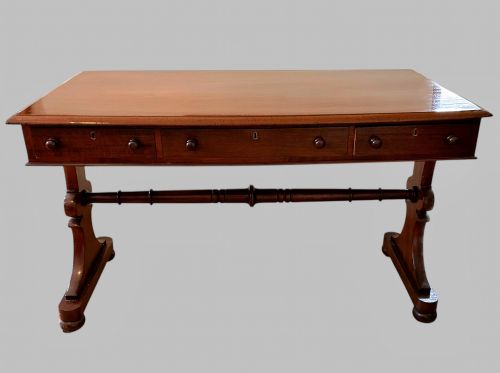
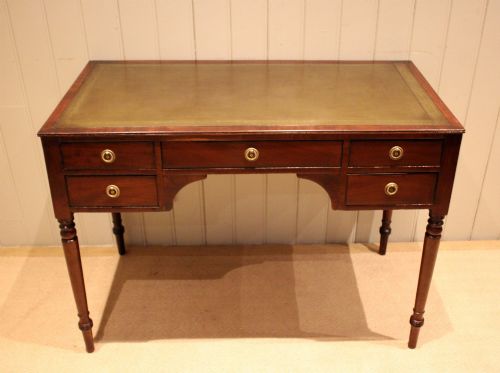
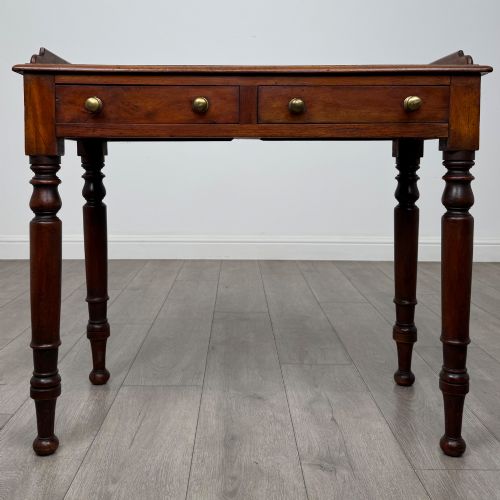
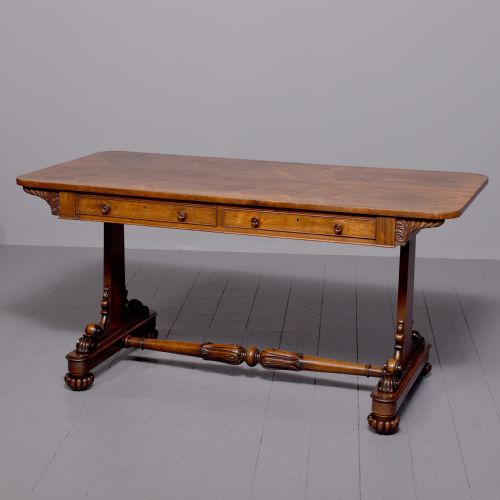
Antique library table drawers deliver practical workspace and period gravitas, turning a study or sitting room into a proper traditional interior.
Antique Library Table Drawers
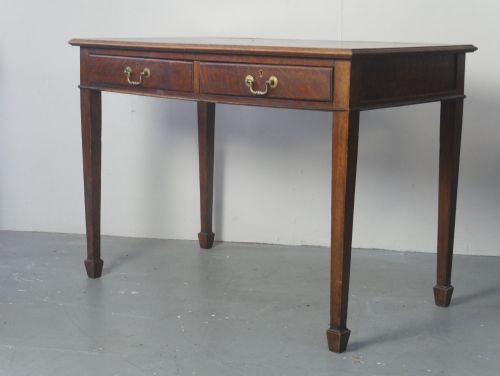
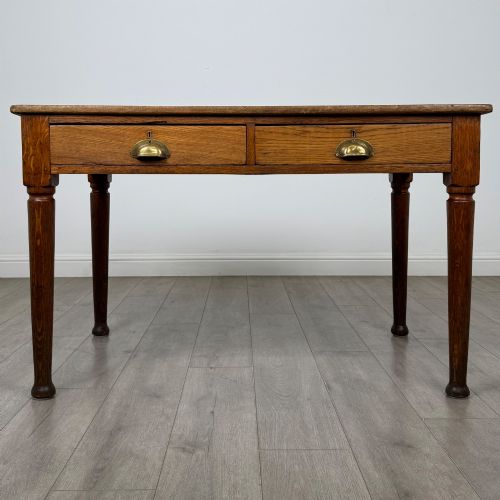
When you search for antique library table drawers, you encounter substantial writing tables, partners desks, and pedestal desks designed for serious paperwork and book storage. These pieces emerge predominantly from the Regency, William IV, and Victorian periods, utilising rich timbers suited for formal studies and grand rooms.
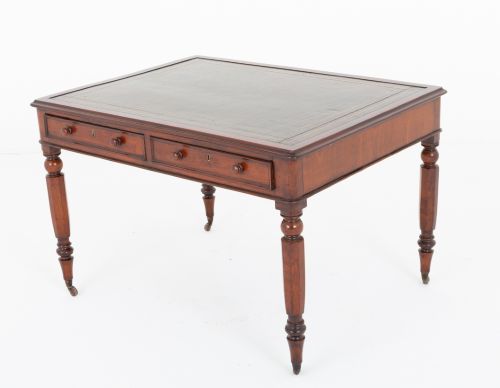
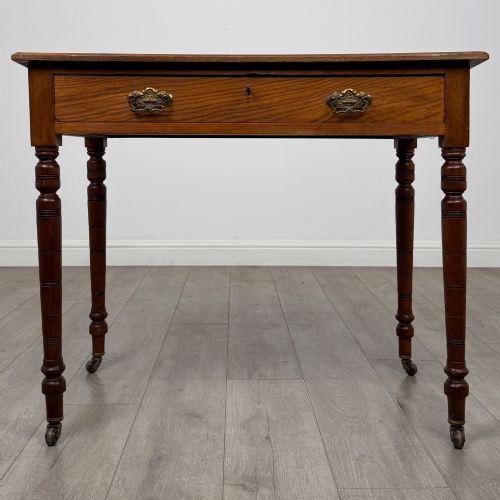
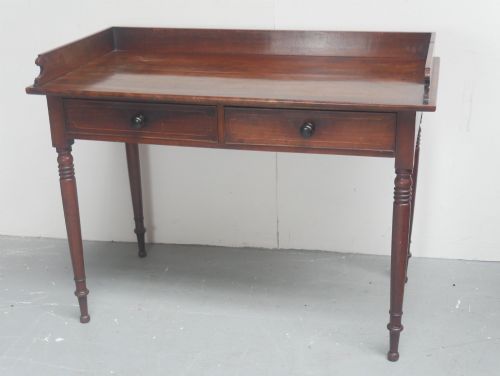
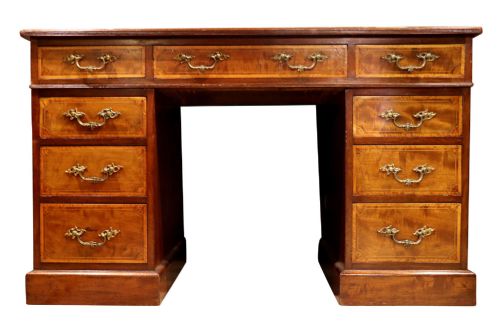
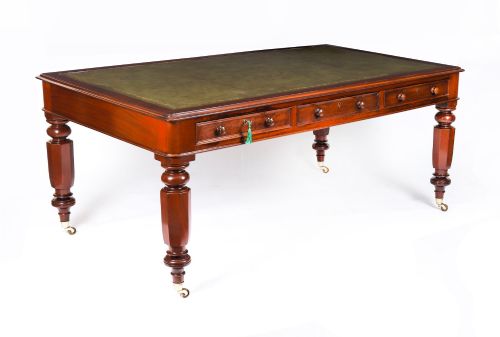
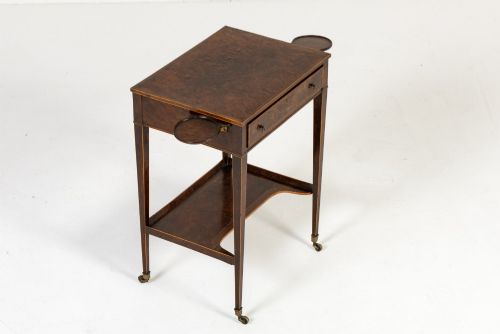
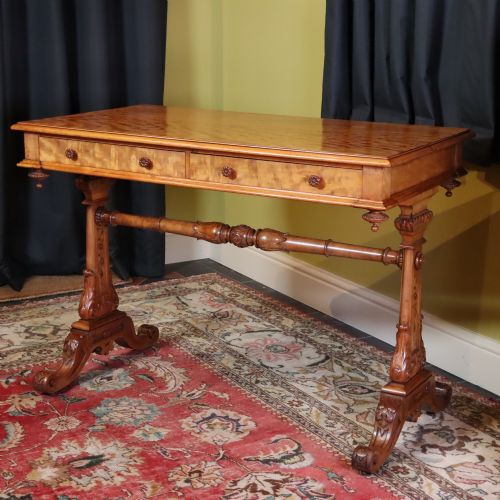
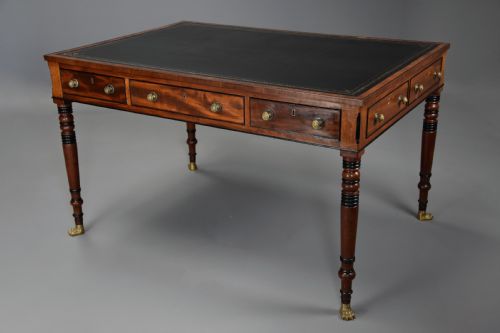
The version you are most likely to meet on this page is the mahogany or oak writing table fitted with multiple frieze drawers, often retaining a leather inset top. Alongside these come rosewood drum tables and smaller satinwood or burr walnut side tables equipped with functional storage.
Makers such as Edwards & Roberts and Gillows appear among the listings, alongside robust estate desks in pine and oak. The forms range from compact single-pedestal units to massive six-drawer partners tables meant to stand freely in the centre of a room.
How they were made
Cabinet makers built these tables using dense hardwoods like mahogany, oak, and rosewood, frequently applying veneers of burr walnut, satinwood, or pollard oak to the primary surfaces. Solid timbers provided structural integrity for legs and drawer framing, while fine veneers added decorative grain patterns to tops and drawer fronts.
Secondary construction relied on traditional joinery, with hand-cut dovetails securing the drawer boxes and solid linings providing durability. Drawer pulls and handles utilised cast brass, often original to the piece, while writing surfaces were traditionally lined with tooled leather.
Listings feature mahogany, oak, rosewood, burr walnut, and satinwood across Regency and Victorian periods.
What varies in quality
The distinction between ordinary and exceptional pieces rests upon the selection of timber and the crispness of the carving or inlay. Superior tables display highly figured grain, such as burr walnut or pollard oak, matched across drawer fronts and tops with meticulous care.
Original hardware and untouched surface patination elevate a piece significantly above examples with replaced fittings or stripped finishes. The depth of drawer construction and the presence of maker stamps or signatures also separate standard workshop production from high-end cabinet making.
Edwards & Roberts·Gillows·Mein of Kelso
The Antique Library Table Drawers Glossary
- Partners desk
- A large double-sided desk designed for two people to work opposite one another, featuring banks of drawers on both sides.
- Drum table
- A circular library table with a revolving or stationary top surrounded by an apron containing alternating real and dummy drawers.
- Frieze drawer
- A drawer integrated into the horizontal band directly beneath the tabletop, common in writing and library tables.
- Patina
- The surface sheen and mellowing of colour accumulated by wood and leather over centuries of handling and light exposure.
- Sofa table
- A rectangular occasional table with drop leaves at either end and small drawers in the frieze, originally designed to stand before a sofa.
Antique Library Table Drawers: Frequently Asked Questions
What is a partners table?
A partners table is a large double-sided desk built with drawers and cupboards facing outward on both sides, allowing two people to sit opposite each other.
These pieces were traditionally used in libraries and boardrooms by professionals who needed shared access to workspace and documents.
How do I care for leather desk tops?
Leather inserts require gentle cleaning with a damp cloth and occasional treatment with specialist leather balms to prevent drying and cracking.
Avoid using harsh chemical cleaners or placing hot cups directly on the surface to preserve the original tooling and gilding.
Can these desks stand in the middle of a room?
Many library tables and partners desks are finished on all four sides specifically to stand freestanding in the centre of a room.
Estate desks and simpler writing tables are typically finished with plain backs intended to sit flat against a wall.
How do I tell Regency from Victorian styles?
Regency pieces dating from the early nineteenth century generally feature cleaner classical lines, rosewood veneers, and brass inlay or lion paw feet.
Victorian furniture from the mid to late nineteenth century tends to be heavier, utilising dense mahogany or burr walnut with bolder carved details and robust proportions.