
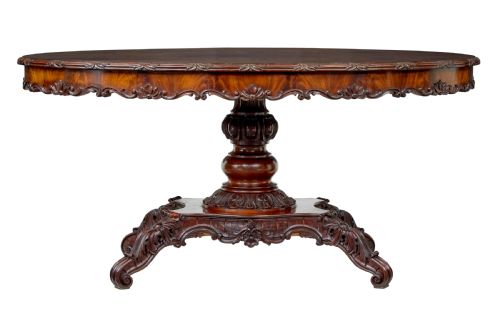


Antique Library Dining Table
An antique library dining table bridges the domestic and the scholarly, offering substantial timber surfaces designed for both heavy volumes and shared meals.
Antique Library Dining Table
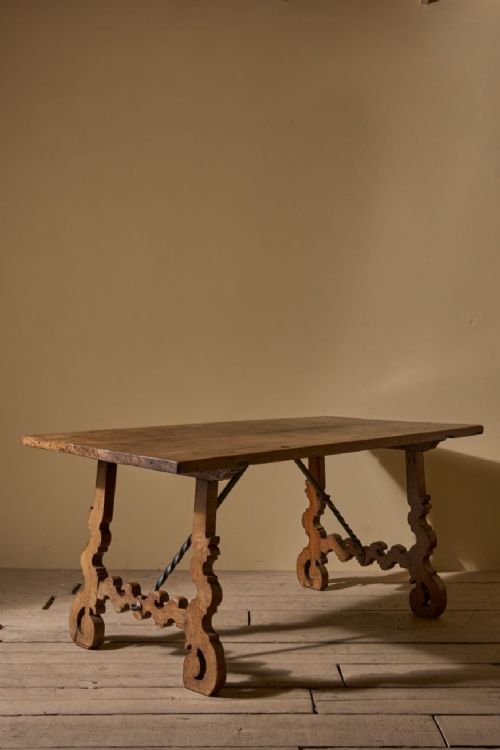
An antique library dining table is a dual-purpose piece built to serve as both a spacious writing desk and a communal dining board. These items frequently appear from the Victorian and Regency periods, alongside earlier eighteenth-century examples in Spanish walnut and fruitwood.
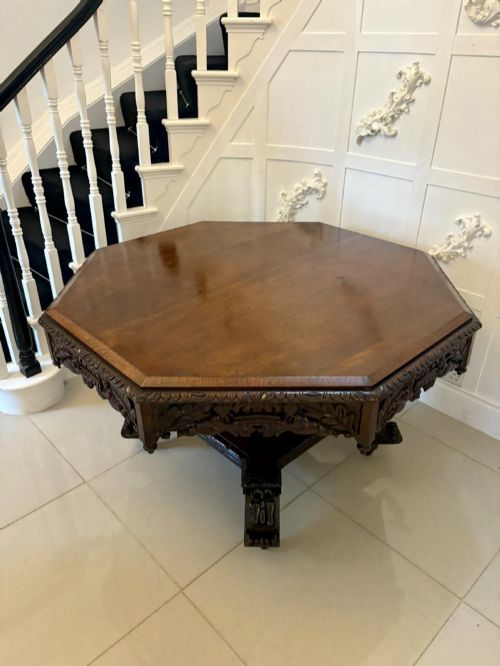
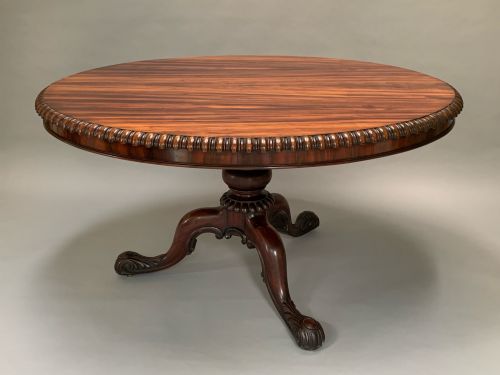
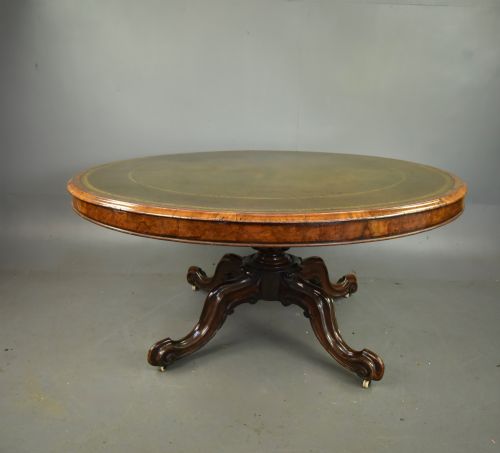
Buyers will encounter forms ranging from circular centre tables with leather inserts to large Gothic oak refectory tables and substantial nineteenth-century timber boards. Many incorporate practical additions such as drawers for papers or fold-over tops designed for versatility in daily use.
Origins span English workshops, French ateliers, and Spanish rooms, utilising regional timbers to meet the demands of public institutions, grand residences, and private studies.
What varies in quality
The standard of an antique library dining table rests on the selection of timber grain, the crispness of hand-carved enrichment, and the integrity of structural framing. Pieces attributed to recognised cabinet makers display superior proportion and refined timber selection.
The preservation of original leather writing surfaces, operational drawers, and unrestored patination significantly elevate the standing of a table within its period.
Listings feature woods including mahogany, oak, walnut, rosewood, and exotic coromandel across eighteenth and nineteenth-century periods.
Gillows·Howard & Son's
The Antique Library Dining Table Glossary
- Centre table
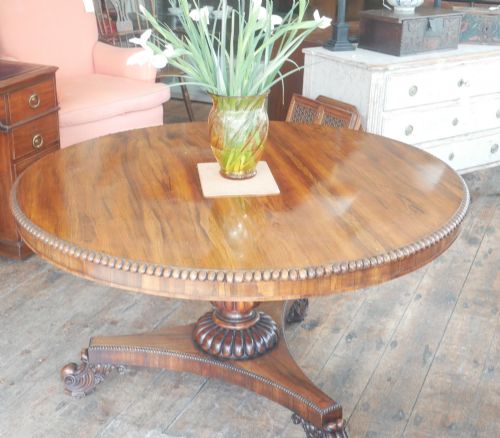
- A freestanding table finished on all sides so it could sit in the middle of a room rather than against a wall. These forms often doubled as dining or library surfaces.
- Refectory table
- A long, narrow dining table originally used in monastic dining halls and later adapted for domestic library and dining use. They are characterised by sturdy stretcher bases and heavy timber tops.
- Satinwood
- A durable, highly figured yellowish timber native to India and the West Indies, utilised for decorative banding and inlaid details on mahogany furniture.
- Blind tooling
- An impressing technique applied to leather table inserts using heated tools without gold leaf, creating a subtle depressed pattern.
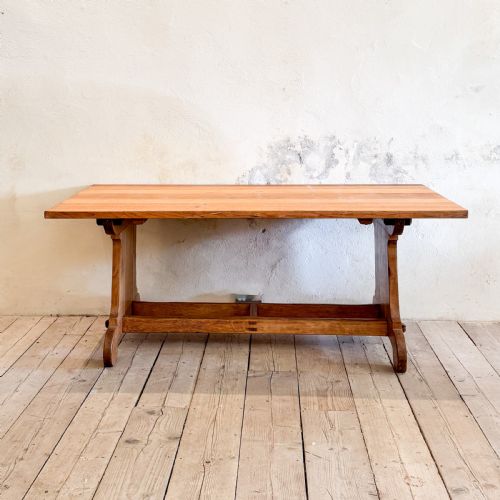
- Trestle table
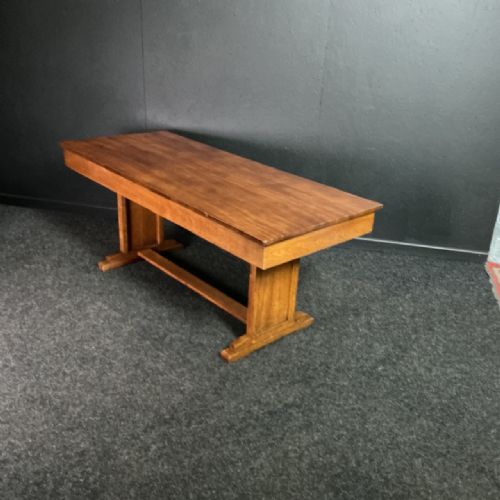
- A table supported by two or more upright frame structures connected by a horizontal beam, allowing for maximum legroom along the length of the board.
Antique Library Dining Table: Frequently Asked Questions
How were these tables used originally?
These tables served dual functions in large country houses and institutional libraries, functioning as heavy-duty writing desks during the day and communal dining boards in the evening.
Their robust timber construction accommodated stacked volumes, maps, and scholarly materials before being cleared for evening meals.
How do I care for a leather top?
Leather writing inserts require periodic feeding with conservation-grade wax or leather balsam to prevent cracking and drying out over time.
Avoid placing damp items directly on the leather and keep the tables away from direct heat sources and strong sunlight.
Can these tables be used for everyday dining?
Most surviving examples are built from durable hardwoods like oak and mahogany, making them structurally sound for daily family meals.
Using heat mats and protective pads helps preserve historic polished finishes and leather inserts from accidental spillages.
How do I distinguish Regency from Victorian examples?
Regency tables typically display classical restraint, architectural lines, and premium mahogany or rosewood veneers inspired by antiquity.
Victorian pieces often exhibit heavier proportions, bolder carved ornamentation, Gothic revival motifs, and more extensive use of oak and walnut.