
Natural Oak Refectory Table
A natural oak refectory table brings sturdy communal dining home, offering generous proportions and enduring timber construction for daily family life.
Natural Oak Refectory Table
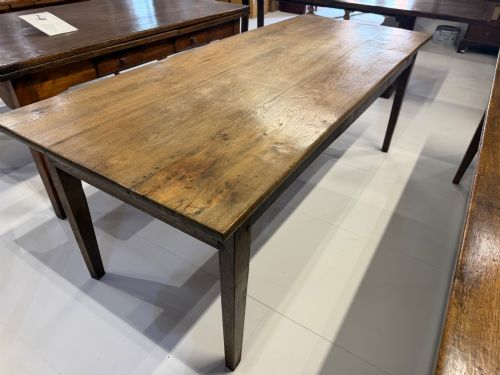
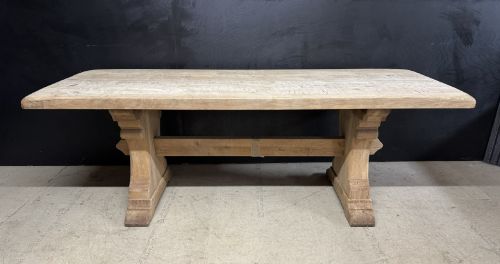
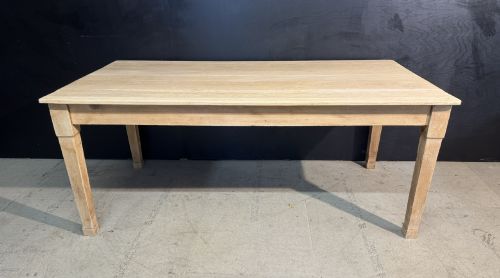
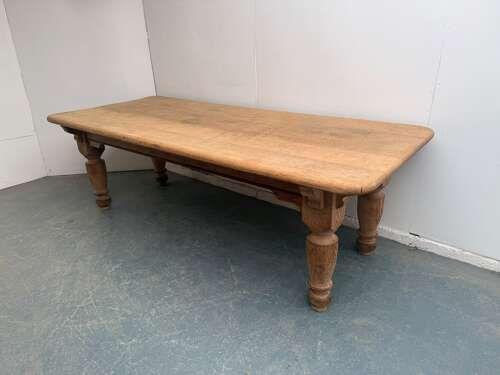
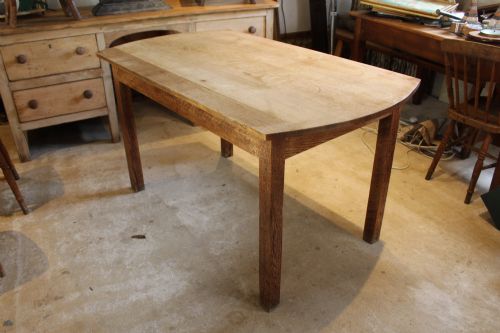
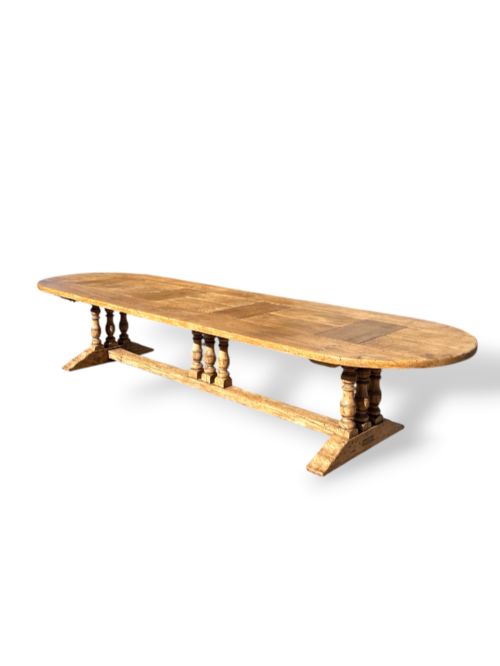
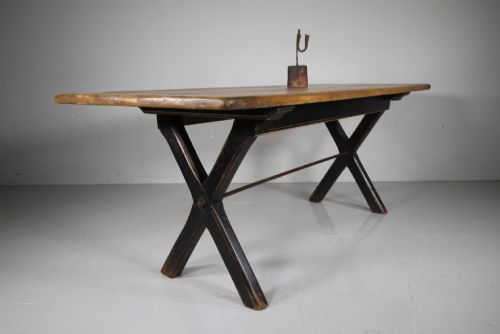
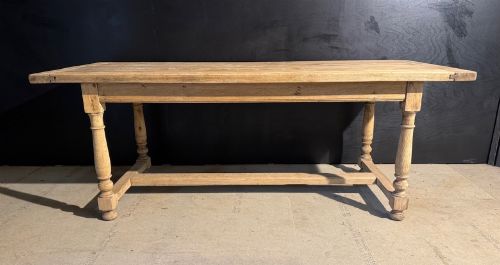
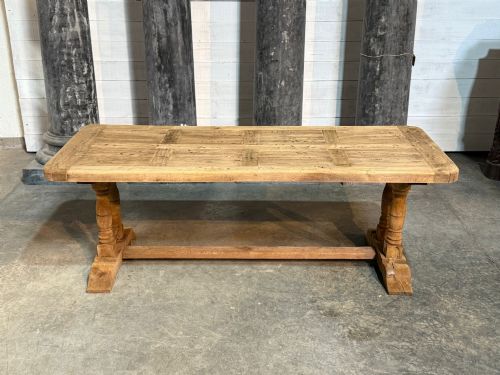
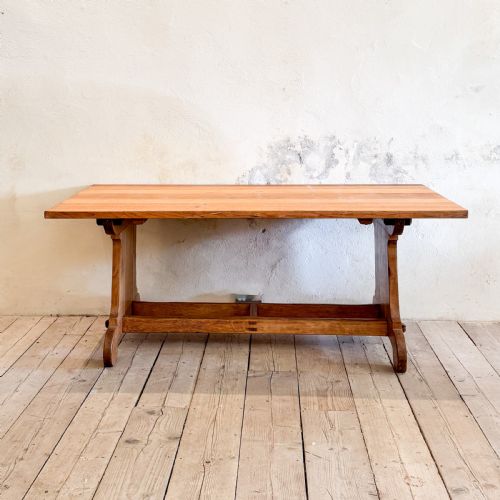
When searching for a natural oak refectory table, buyers encounter substantial dining surfaces originating predominantly from the eighteenth, nineteenth, and early twentieth centuries. These pieces span rustic farmhouse, French country, and Edwardian arts and crafts styles, reflecting utilitarian origins in monasteries, taverns, and large domestic kitchens.
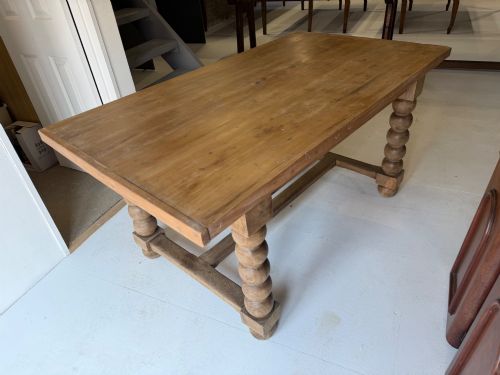
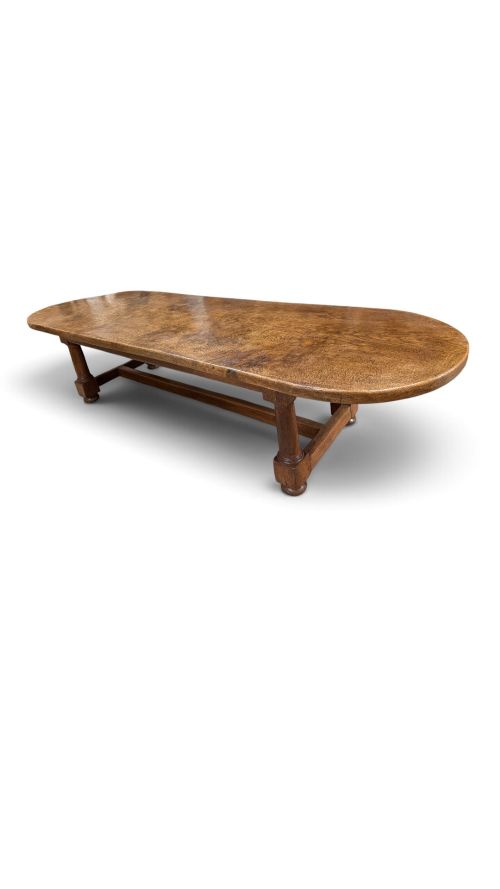
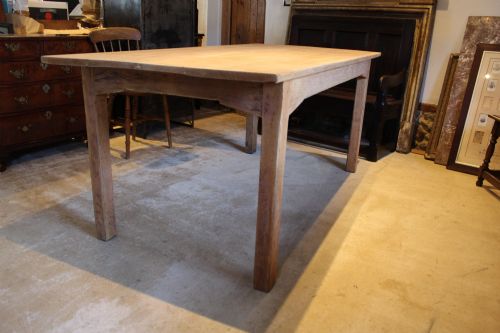
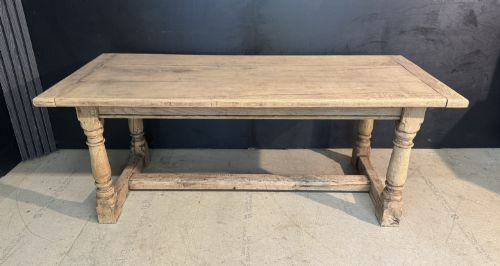
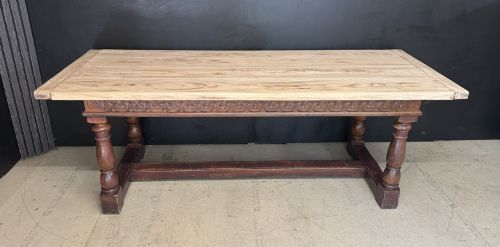
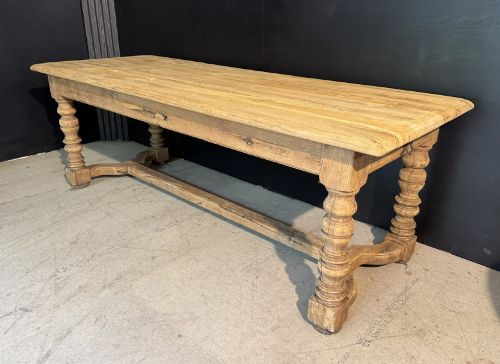
The most common examples on this page are French farmhouse and Edwardian tables constructed from solid oak or bleached oak. Formats range from standard eight-seater configurations up to expansive four-metre lengths, occasionally incorporating drawers or distinctive bobbin and tapered legs.
Factors determining quality
Quality separates tables by the integrity of their timber and the consistency of their historic finish. Single-plank oak surfaces and dense French oak denote higher standing than multi-board alternatives joined with lesser care.
Proportion and stylistic cohesion also define the better examples. Tables retaining original stretchers, balanced leg turnings, and honest patination achieved through age stand apart from heavily altered or mismatched compositions.
Listings feature oak, bleached oak, and golden oak across Victorian, Edwardian, and eighteenth-century periods.
Heals of London
The Natural Oak Refectory Table Glossary
- Refectory table
- A long dining table historically used in communal dining halls and monasteries. These pieces are characterised by their elongated proportions and supportive underframe stretchers.
- Bleached oak
- Oak timber treated to lighten its natural tone, a finish frequently seen on twentieth-century French farmhouse tables. This process softens the visual weight of the heavy wood.
- Bobbin leg
- A furniture leg turned on a lathe to resemble a string of rounded bobbins or spools. This decorative turning appears on nineteenth-century examples.
- Single plank
- A table top constructed from one continuous board of timber running the full length of the surface. This feature indicates high quality due to the size of the mature tree required.
Natural Oak Refectory Table: Frequently Asked Questions
How do I seat eight people comfortably?
Look for tables measuring over two metres in length, paying attention to the placement of legs and stretchers underneath. Trestle and refectory designs usually offer more flexible leg room along the sides than four-leg alternatives.
Ensure chairs match the height of the apron beneath the tabletop so diners can sit with adequate clearance.
Are bleached oak tables antique?
Bleached oak finishes on this page commonly appear on twentieth-century French farmhouse pieces, alongside nineteenth-century examples. The lightening process alters the raw wood tone rather than strictly dating the manufacture.
Examine the construction joints and timber wear to determine the true age of the piece beneath the surface treatment.
What is the difference between tavern and refectory tables?
Tavern tables originate from public houses and drinking establishments, often featuring functional proportions suited to commercial hospitality. Refectory tables derive from large monastic or domestic dining halls, built for communal gatherings.
Both utilise heavy oak construction, but their historical placement influences their minor stylistic variations.
How do I care for a waxed oak surface?
Maintain waxed oak by applying appropriate beeswax sparingly and buffing with a soft cloth to preserve the natural lustre. Avoid placing hot items or liquids directly onto the bare wood to prevent marking.
Regular gentle cleaning keeps the historic patination intact without stripping the character built up over generations.