
Wooden Board Table
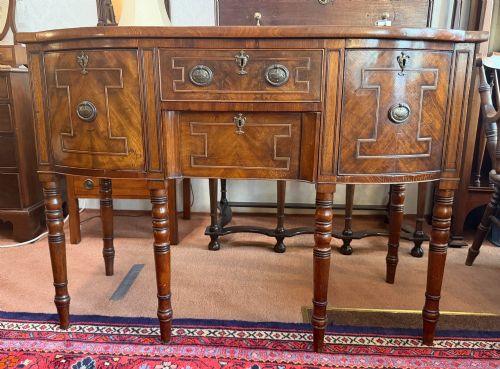
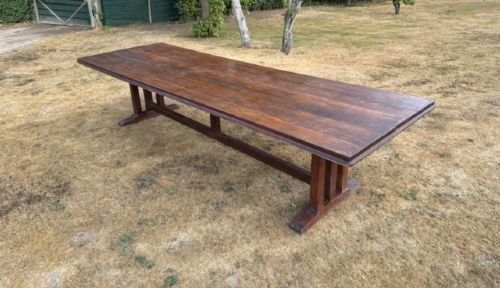
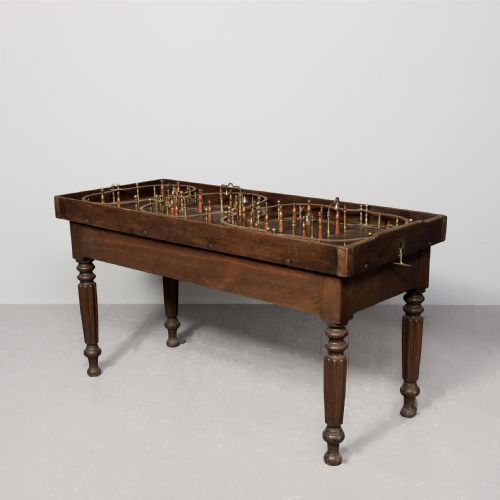
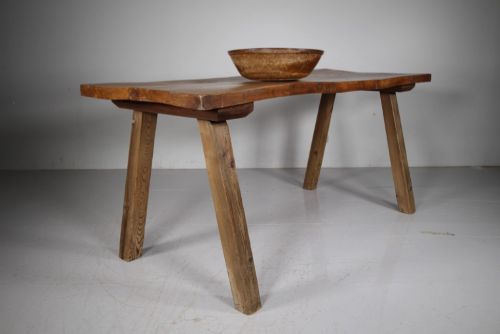
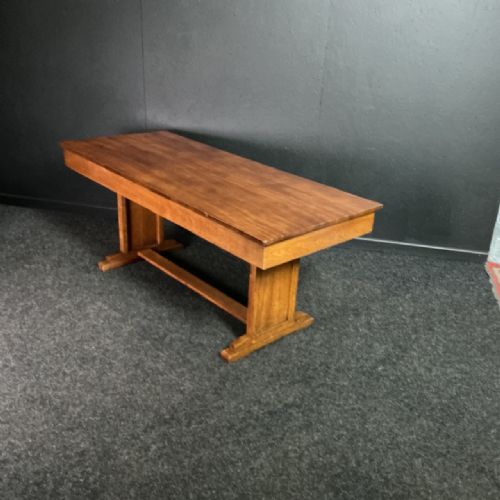
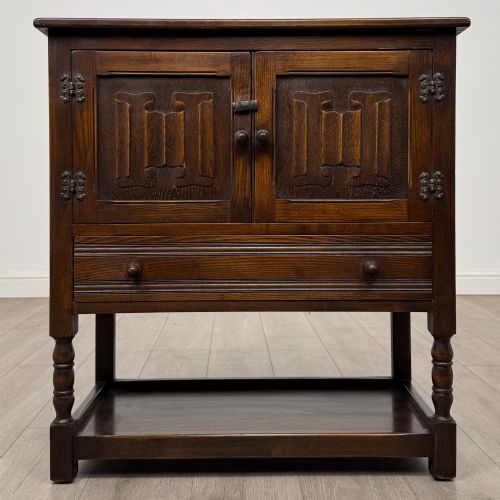
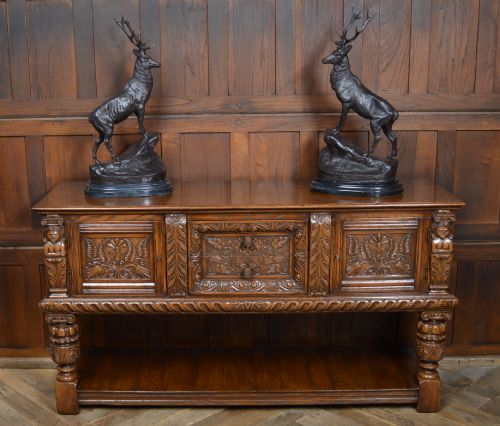
These wooden board table examples bring together centuries of craftsmanship, spanning sturdy refectory surfaces, games boards, and kitchen drapers tables.
Wooden Board Table
When searching for a wooden board table, buyers encounter a diverse selection of antique furnishings designed for dining, games, and daily domestic labour. The listings span multiple centuries, from eighteenth-century Welsh and English oak pieces to Edwardian examples and later twentieth-century interpretations.
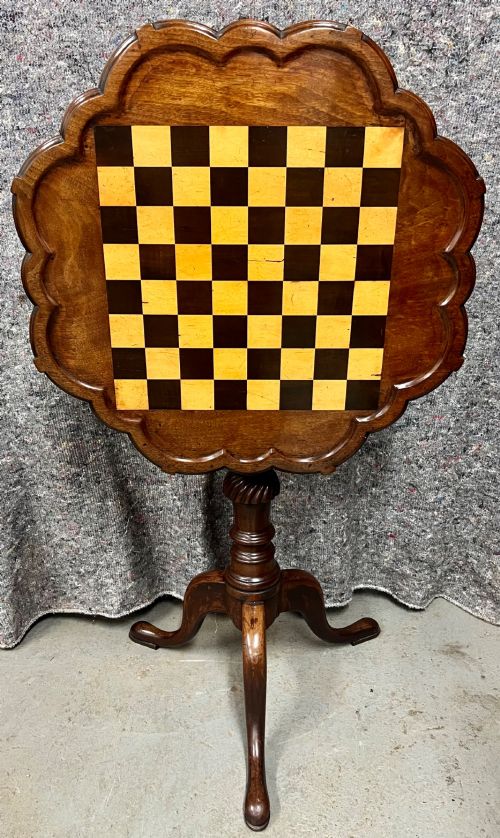
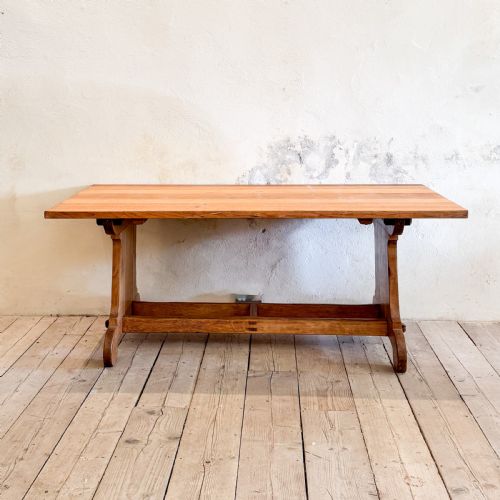
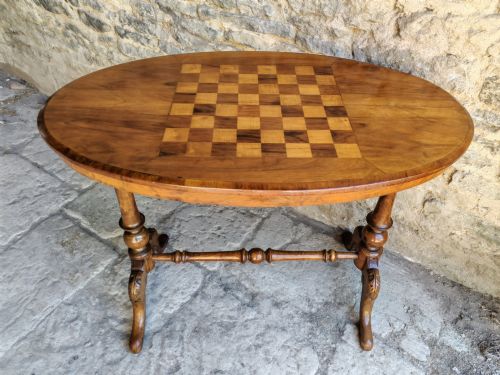
The most common formats on this page include large refectory dining tables, kitchen drapers tables with board tops, and occasional tables featuring integrated chess or games surfaces. Materials range from native oak and elm to imported mahogany and walnut, reflecting the practical and social demands of historic interiors.
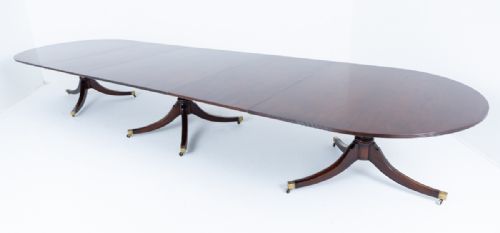
Origins vary widely across these listings, encompassing English provincial workshops, French provincial kitchens, and continental European makers. Buyers find both formal tripod dining furniture and rustic utility tables suited to contemporary living spaces.
Assessing quality and character
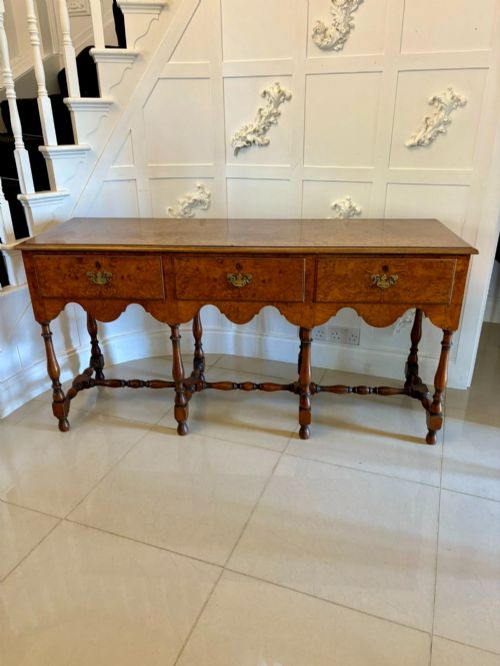
The distinction between ordinary and superior pieces rests in the selection of timber and the integrity of the original construction. Dense grain patterns, well-figured burr walnut, and robust timber boards indicate higher status craftsmanship.
Proportion and surface finish dictate the desirability of each piece. Tables retaining honest patination, original timber tops, and minimal structural alteration command greater appreciation among collectors.
Listings feature eighteenth and nineteenth-century oak, mahogany, walnut, and pine boards used across dining, drapers, and refectory formats.
British Chess Company
The Wooden Board Table Glossary
- Refectory table
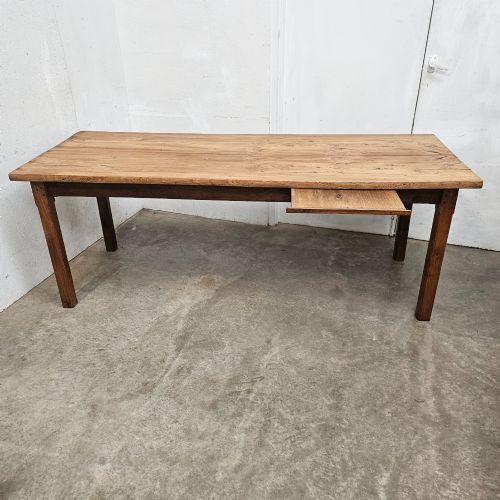
- A long, narrow dining table traditionally used in communal dining halls. These pieces often feature substantial wooden board tops supported by robust stretcher bases.
- Drapers table
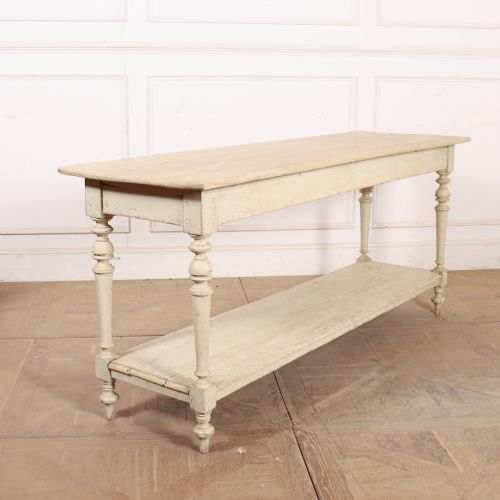
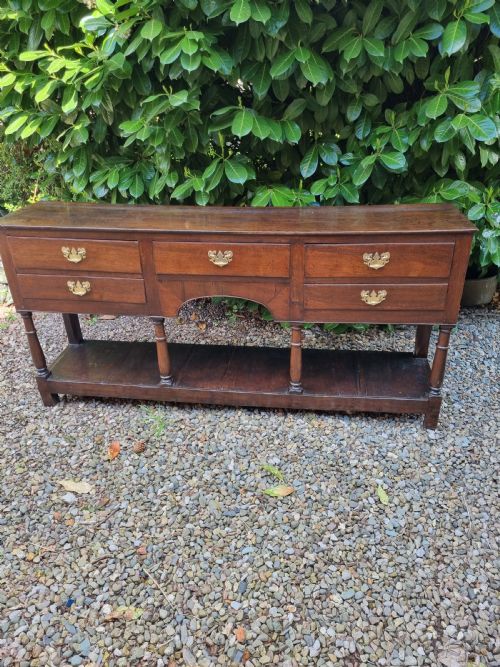
- A long utility table originally utilised in fabric shops for measuring and displaying cloth. They typically incorporate spacious wooden board tops above open pot shelves or rows of drawers.
- Pot board
- An open lower shelf fitted beneath a dresser base or serving table. Historically, it served to store pots, pans, and heavy domestic ceramics.
- Bagatelle table
- An indoor table game precursor to modern billiards, featuring a wooden board with holes and wooden pins. Players cue balls up the incline to score points.
- Chess top table
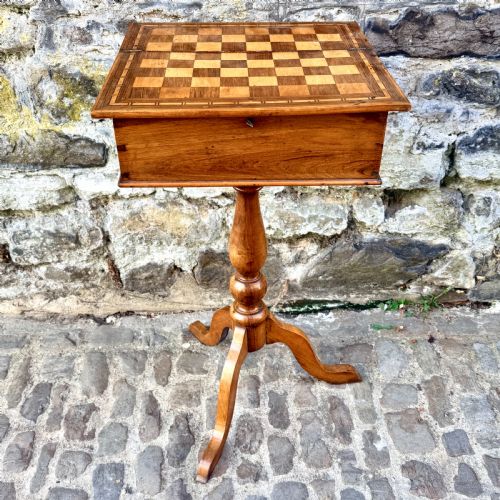
- A specialised occasional table with an integrated playing surface. These boards often incorporate contrasting squares of inlaid woods such as mahogany, rosewood, and satinwood.
Wooden Board Table: Frequently Asked Questions
What is a wooden board table?
A wooden board table is a broad category encompassing antique dining tables, refectory tables, kitchen work tables, and games tables featuring solid timber top constructions. These pieces date from the eighteenth century through the early twentieth century.
They reflect diverse domestic and institutional uses, from heavy kitchen preparation to formal dining and parlor entertainment.
How do I identify the period?
Period identification relies on examining timber selection, joinery methods, and hardware styles across the piece. Earlier eighteenth-century examples typically feature heavy oak construction with hand-tooled surfaces.
Later Victorian, Edwardian, and twentieth-century pieces often display machine-sawn elements, lighter fruitwoods, or polished mahogany and walnut finishes.
Were these tables used for dining?
Many of these tables served primary roles in dining rooms, kitchens, and public school libraries. Refectory and pedestal designs accommodated large groups for daily meals.
Smaller pieces functioned as occasional, chess, or games tables intended for parlor leisure rather than heavy dining use.
How do I care for antique wood?
Maintaining antique wooden surfaces requires keeping them away from direct heat sources and fluctuating humidity. Regular dusting with a dry cloth preserves the natural polish and historic patination.
Application of appropriate beeswax feeds the timber and prevents the dry board top from splitting over time.