
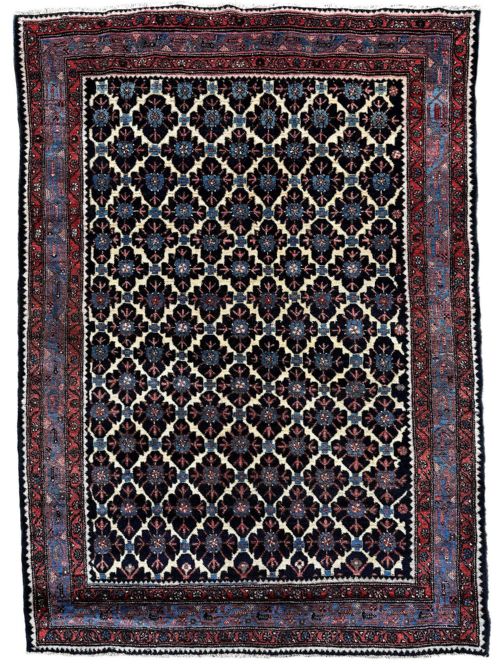


Antique Lattice Rug
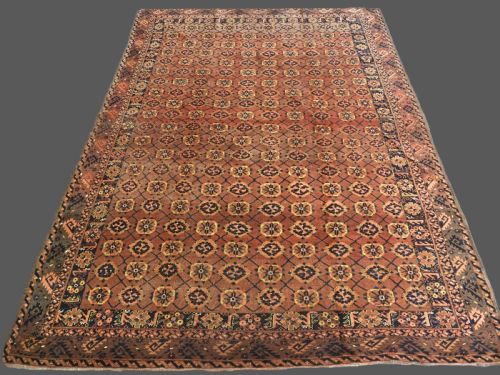
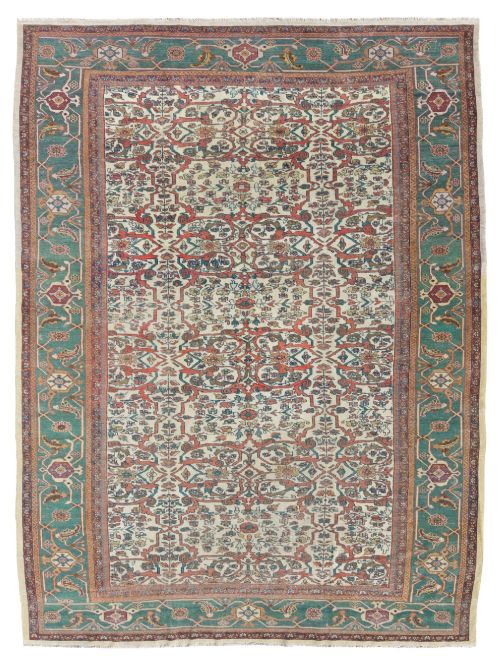
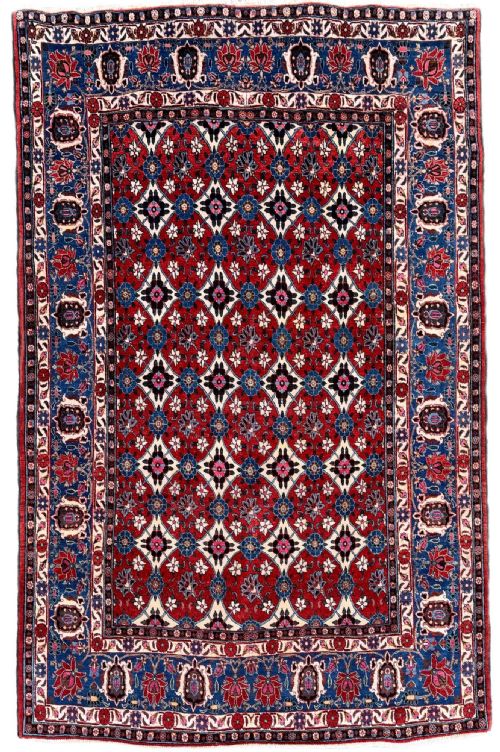
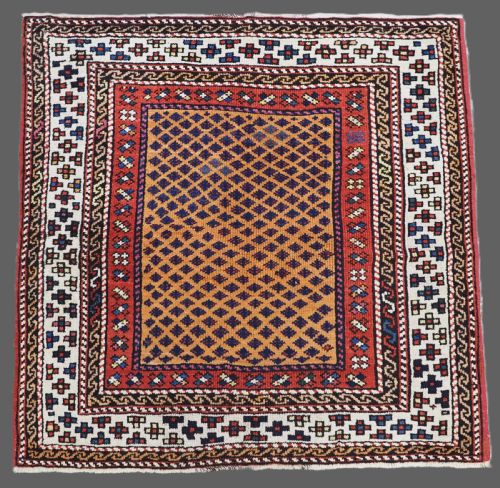
An antique lattice rug brings geometric order to a room through repeating diamond, floral, or calyx grids woven by tribal and village makers.
Antique Lattice Rug
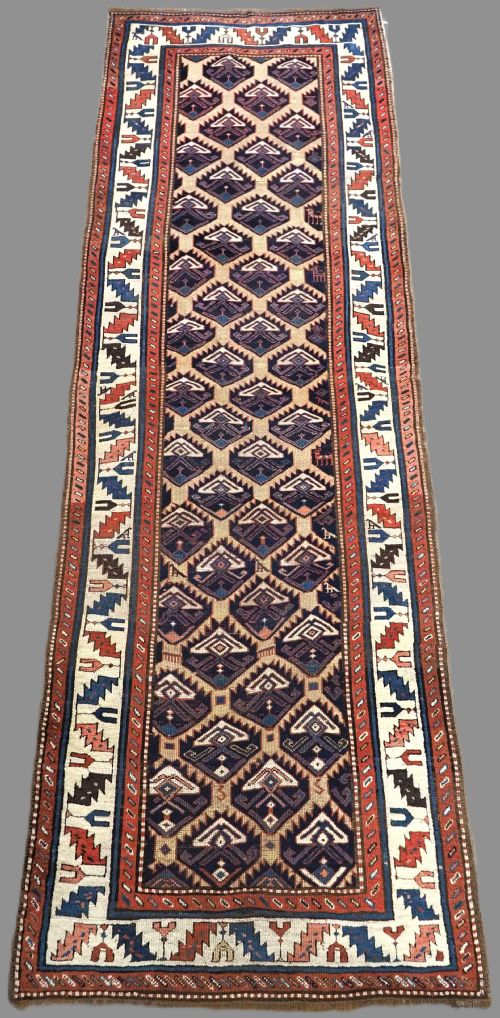
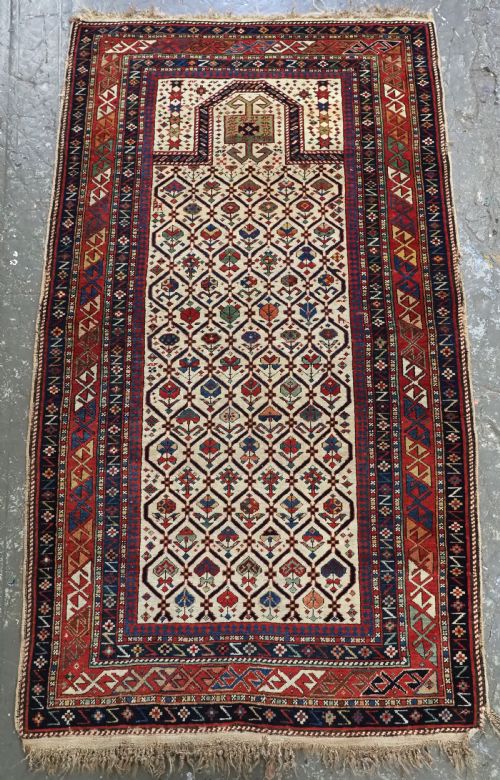
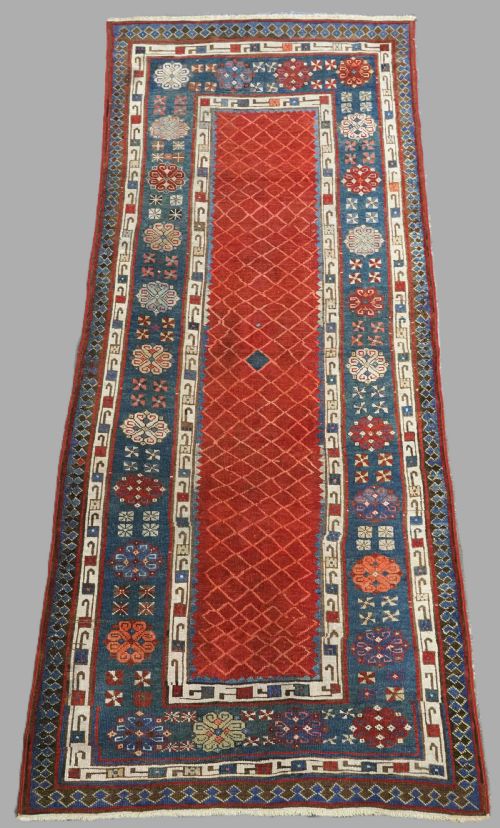
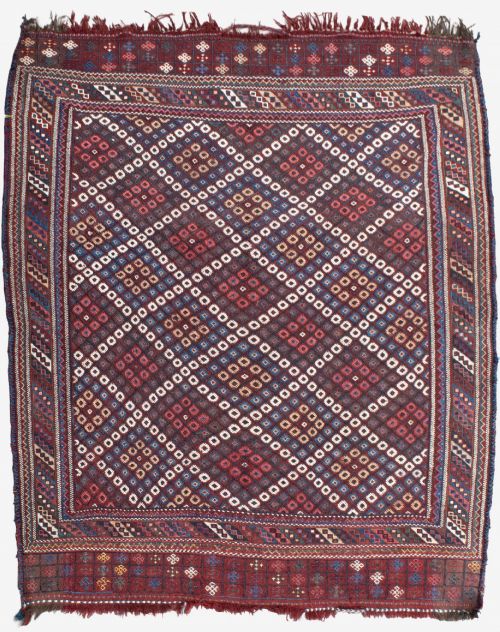
When searching for an antique lattice rug, buyers encounter geometric floor coverings originating from the Caucasus, Persia, and Central Asia during the nineteenth and early twentieth centuries. These pieces display structured grid patterns across the field, enclosing floral motifs, tulips, stars, or abstract devices.
The selections available range from Caucasian Daghestan and Shirvan prayer rugs to Persian Baluch, Veramin, and Kurdish tribal runners. Village workshops and nomadic weavers produced these textiles in formats spanning small square sizes, long runners, and area rugs.
Common regional subtypes include Baluch weaves from Khorasan and western Afghanistan, alongside Yomut Turkmen asmalyks and Anatolian Bergama pieces. Each piece reflects the specific design vocabulary and weaving traditions of its native district.
How they were made
Weavers constructed these textiles using hand-spun wool for the pile, foundation warps, and wefts, frequently incorporating cotton for structural stability in specific Persian and Caucasian workshops. Artisans relied on natural dyes to colour the wool, yielding rich palettes that aged with deep patination over decades.
The production involved knotted pile techniques alongside flatwoven kilim structures, suzani embroideries, and soumac wrapping methods. Nomadic and village makers tied dense knots on vertical or horizontal looms, securing the ends with woven kilim borders and braided fringes.
Several Baluch runners feature hidden bird motifs peering out from inside the lattice compartments.
What varies in quality
The excellence of a piece depends upon the precision of the grid geometry, the clarity of the enclosed motifs, and the depth of the natural dye palette. Finely knotted examples maintain crisp structural lines and harmonious colour transitions across the entire field.
Condition and completeness also define the standing of a textile, noting the preservation of original borders, kilim ends, and selvedges. Pieces retaining their full pile depth alongside balanced proportions command greater attention from collectors.
The Antique Lattice Rug Glossary
- Lattice design
- A repeating network of intersecting diagonal bands forming diamonds, polygons, or grid compartments across the field. This geometric framework often encloses floral sprays, tulips, or stars.
- Prayer rug
- A small format textile featuring a specific mihrab or arch design at one end, oriented toward Mecca during daily devotions. These pieces were produced extensively across the Caucasus and Persia.
- Natural dyes
- Colourants derived from plants, insects, and minerals utilised before the widespread introduction of synthetic dyes in the late nineteenth century. These materials produce complex, harmonious tones that age gracefully.
- Soumac
- A flatweave technique utilising a wrapping stitch over warp threads to create a durable, textured surface resembling embroidery. Kuba workshops employed this method extensively for distinctive rugs.
- Asmalyk
- A pentagonal trapping piece produced by Turkmen tribes, traditionally hung on the flanks of a bridal camel during wedding processions. These items display intricate repeat lattice and Gül motifs.
Antique Lattice Rug: Frequently Asked Questions
How do I identify a Caucasian lattice rug?
Caucasian examples typically display crisp, geometric lattice compartments executed in saturated primary colours on ivory, yellow, or dark grounds. Weavers in regions such as Daghestan and Shirvan employed dense knotting and precise star or floral fills.
Examination of the wool texture, indigo blues, and distinctive border guards helps separate these mountain weaves from Persian and Anatolian counterparts.
Where were Baluch lattice rugs made?
Baluch tribal weavers produced these textiles across Khorasan in eastern Persia and western Afghanistan during the nineteenth and early twentieth centuries. Their work frequently incorporates camel hair details, kilim ends, and deep indigo blue fields.
These nomadic pieces are recognised by compact formats, dark wool foundations, and specialised lattice variations like the calyx or snowflake motif.
How should I care for an antique wool rug?
Protect antique wool textiles by placing a breathable, non-slip underlay beneath the piece to prevent sliding and cushion the foundation fibres. Vacuum gently using suction attachment only, avoiding rotating brush bars that pull hand-spun wool.
Rotate the textile periodically to ensure even exposure to foot traffic and ambient light, preventing localized wear or fading.
What is a Mina Khani design?
The Mina Khani is a classic Persian repeating lattice pattern composed of daisy-like rosettes linked by curved vines in a continuous geometric grid. This design appears frequently on Khorasan Baluch and village carpets from the nineteenth century.
The balanced arrangement creates an optical rhythm across the field, demonstrating sophisticated control of symmetry by traditional weavers.