
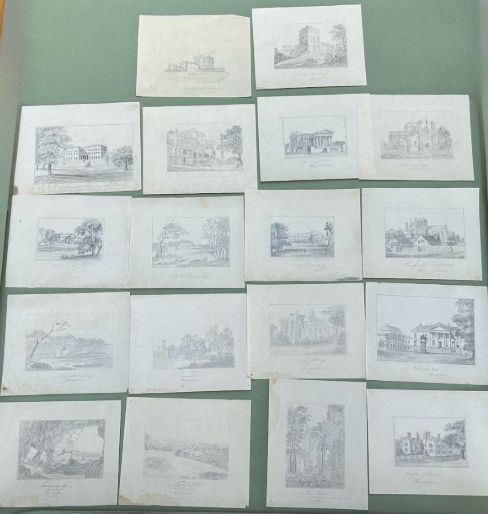
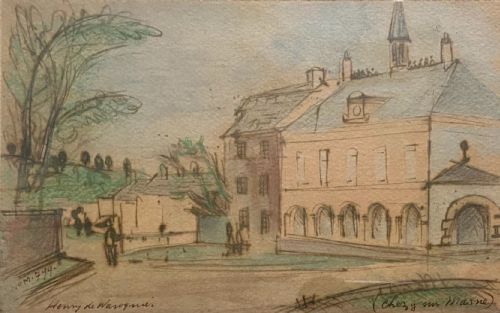


Antique Landscape Sketch
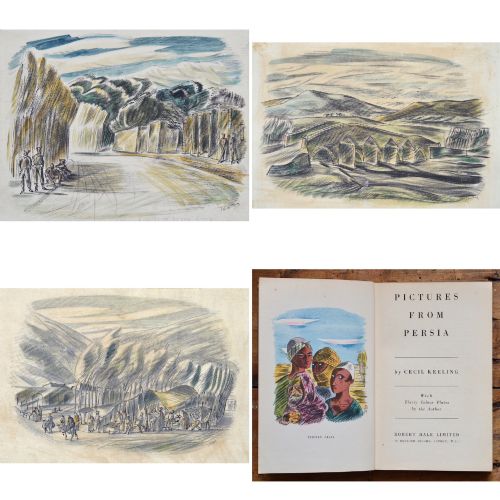
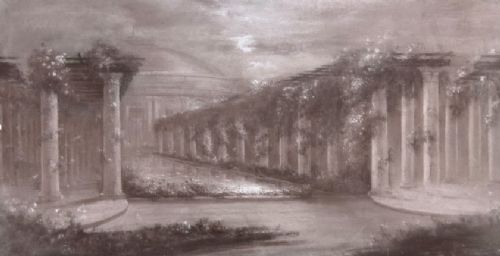
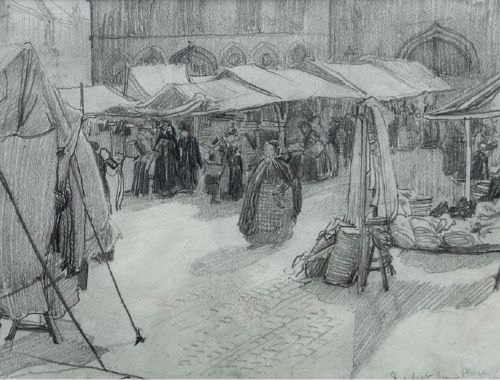
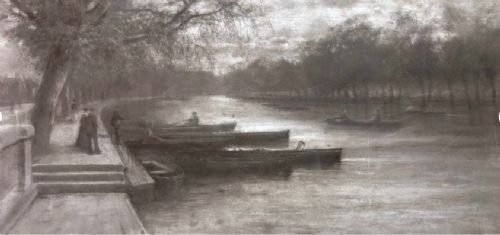
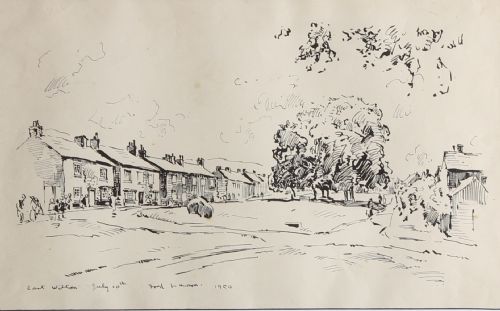
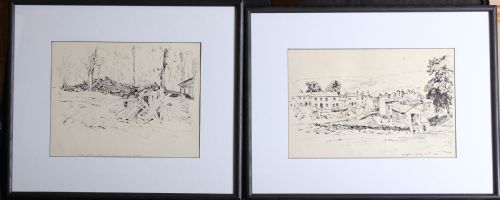
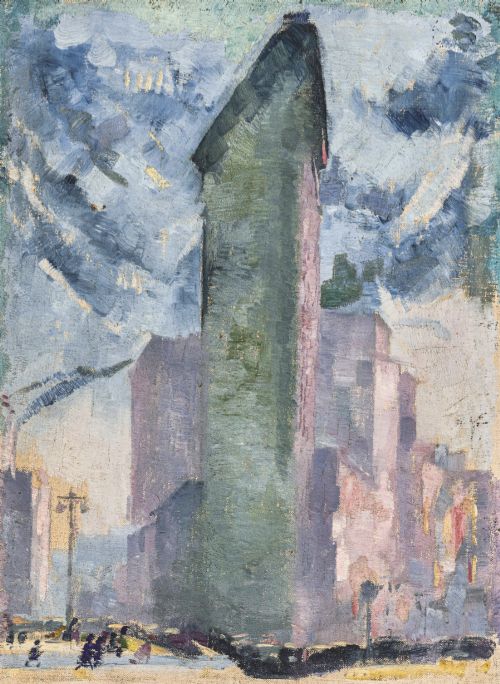
These antique landscape sketch pieces capture fleeting countryside views and architectural studies on paper, offering collectors an intimate glimpse into historical topography.
Antique Landscape Sketch
An antique landscape sketch documents natural scenery, rural buildings, and coastal vistas created directly from observation or as preparatory studies for larger paintings. These works primarily originate from the eighteenth century, the nineteenth century, and the early twentieth century, spanning Georgian, Victorian, and Edwardian periods.
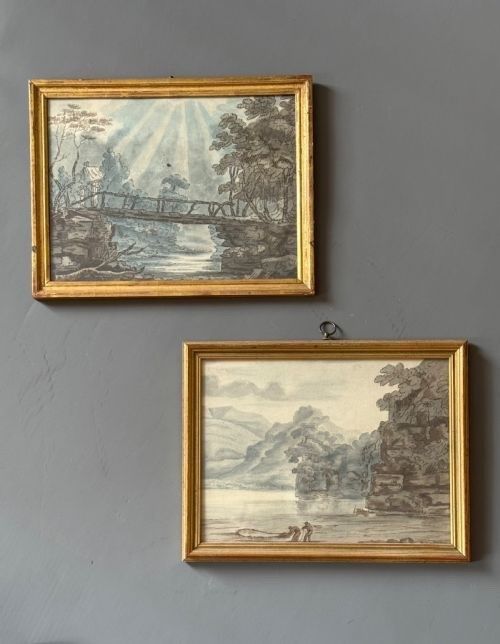
The selections on this page feature works on paper rendered in various media, including pencil, charcoal, pen and ink, and watercolour. Buyers will encounter framed artwork, unbound sheets from historical sketchbooks, and detailed topographical drawings executed by both named artists and anonymous practitioners.
How They Were Made
Support materials typically consist of handmade or early machine-made paper, occasionally mounted on card or preserved within gilt wood frames behind glass. The handling of the medium ranges from rapid, spontaneous strokes in field sketchbooks to more finished compositions intended for exhibition.
Listings feature works on paper spanning the eighteenth, nineteenth, and early twentieth centuries, executed in pencil, charcoal, ink, and watercolour.
What Varies in Quality
The distinction between standard and superior pieces rests on the sureness of the draughtsmanship and the economy of line used to define the scene. A master hand captures light, atmosphere, and perspective swiftly, whereas weaker works rely on laboured corrections and hesitant strokes.
Provenance and contextual detail also elevate certain items, such as works retaining artist stamps, contemporary inscriptions identifying remote locations, or direct attribution to established schools and known practitioners. The condition of the paper sheet and the preservation of the original pigments further influence the standing of any individual piece.
Alfred Wolmark·Hercules Brabazon Brabazon·Henri Joseph Harpignies·Edward Dayes·Fred Lawson
The Antique Landscape Sketch Glossary
- Grisaille
- A painting executed entirely in shades of grey, neutral grey, or monochromatic tones, frequently utilised for preparatory studies.
- Wash
- A thin, transparent layer of diluted watercolour or ink applied across paper to create smooth backgrounds or tonal shadows.
- Verso
- The back side of a sheet of paper, drawing, or painting, which often bears artist signatures, location notes, or secondary sketches.
- Bodycolour
- Watercolour paint rendered opaque by the addition of white pigment, allowing artists to paint light highlights over darker washes.
Antique Landscape Sketch: Frequently Asked Questions
What is an antique landscape sketch?
An antique landscape sketch is an original drawing or painting on paper capturing natural scenery, rural buildings, or town views made directly by an artist in the field or studio. These works range from rapid compositional ideas to detailed topographical studies preserved from past centuries.
Collectors prize them for their spontaneity and direct connection to the artist's initial vision. Unlike finished oil paintings, these sketches reveal the underpinnings of historical artistic practice.
How should I frame and display works on paper?
Works on paper require professional framing with acid-free mounts and UV-filtering glass to protect fragile media like pencil, charcoal, and watercolour from fading. Keeping these pieces away from direct sunlight ensures the longevity of the paper and pigments.
Positioning them in rooms with stable humidity prevents warping and foxing. Proper conservation framing maintains the physical integrity of the historical sheet while allowing safe enjoyment on the wall.
How do I date an antique drawing?
Dating relies on examining the watermark and type of the paper, the framing materials, handwritten inscriptions on the verso, and the stylistic conventions of the period. Artists often initialled, signed, or dated their field work directly on the sheet.
Comparative analysis with documented sketchbooks from the same era provides further chronological context. Clues in clothing, architecture, and topographical landmarks also help narrow down the specific decade.
What is the difference between a sketch and a painting?
A sketch is typically a rapid, direct study focusing on composition, light, or specific details without the elaborate finish of a finished exhibition piece. These works are usually executed on paper rather than canvas or panel and emphasise line and tone.
While paintings are complete statements intended for display, sketches provide insight into the creative process. They capture fleeting moments with an immediacy often lost in larger studio works.