


Original Charcoal Drawing
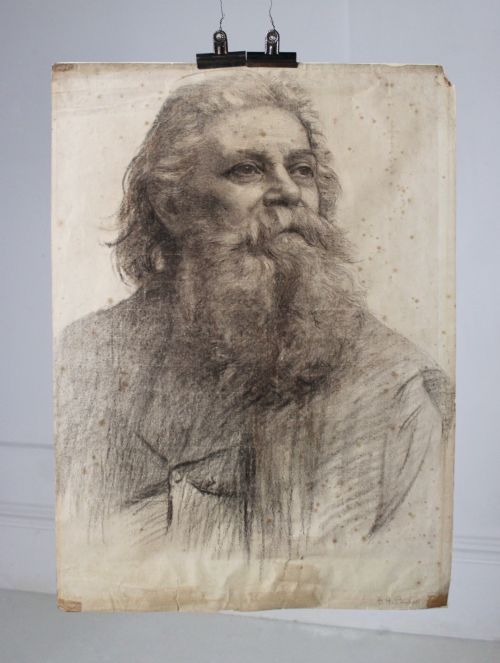
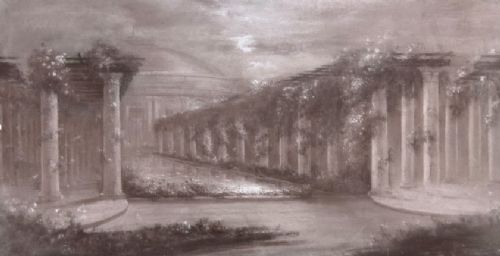
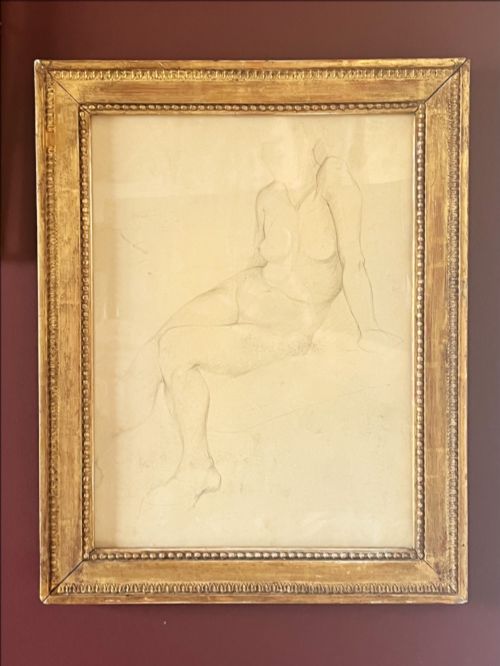
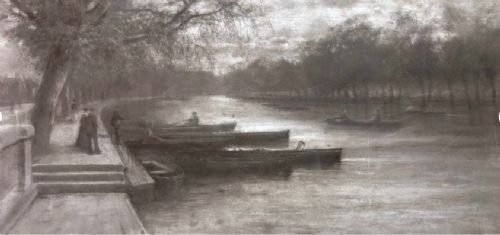
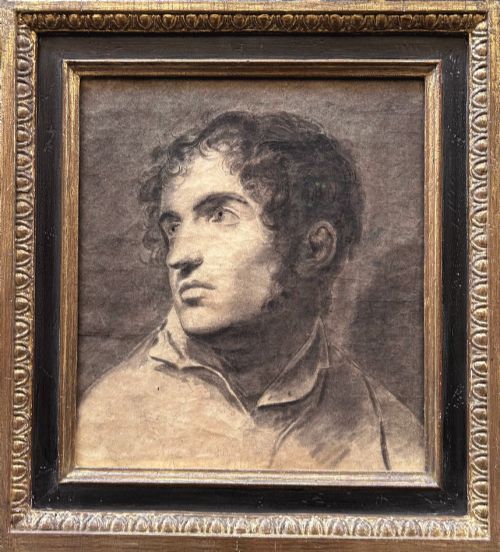
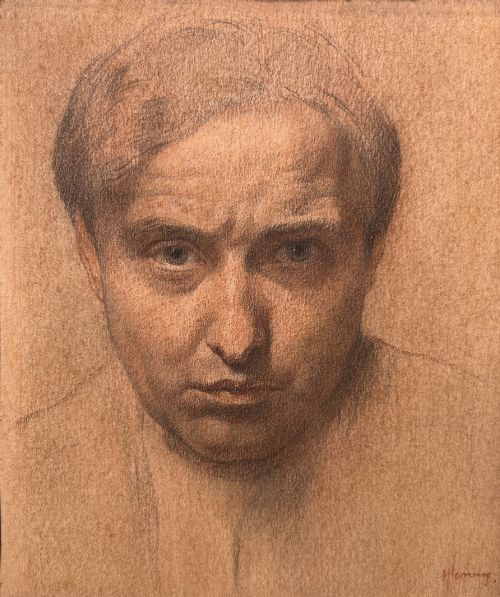
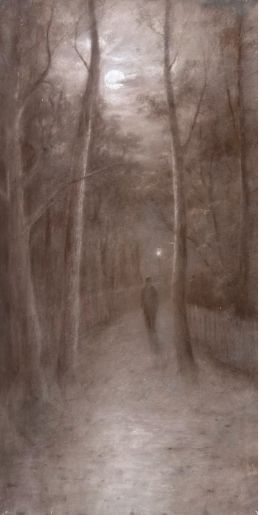
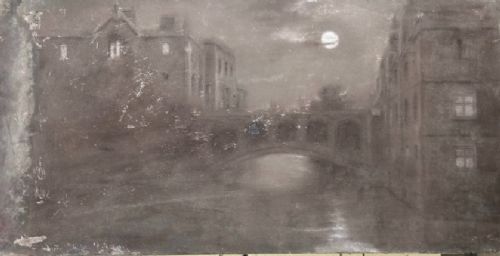
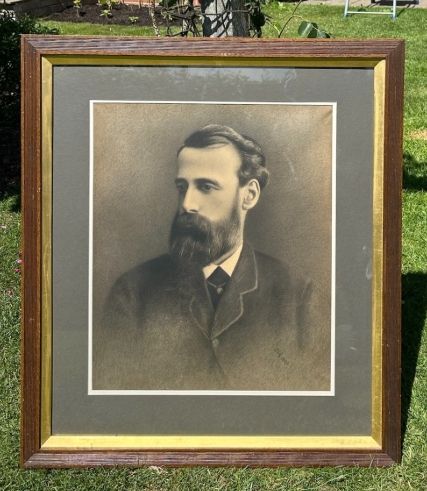
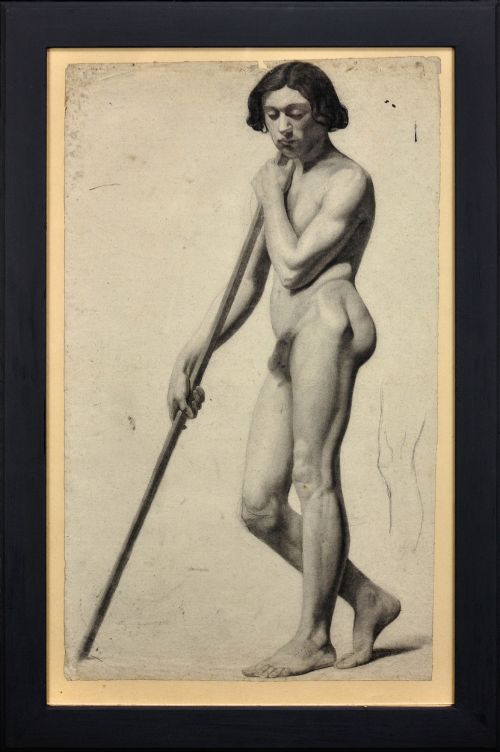
When you search for an original charcoal drawing, you encounter works spanning academic life studies, coastal landscapes, and intimate portraiture.
Original Charcoal Drawing
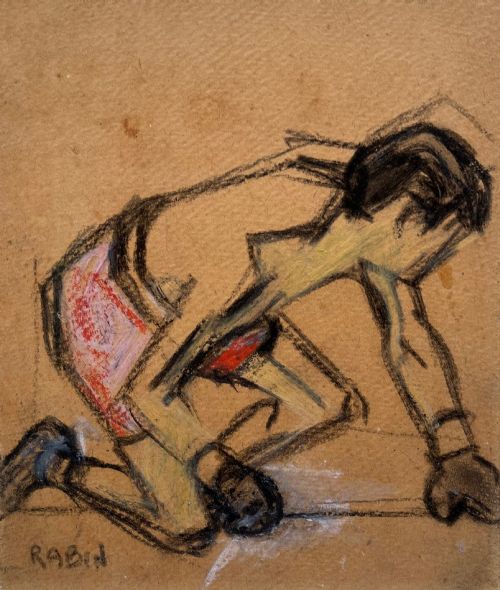
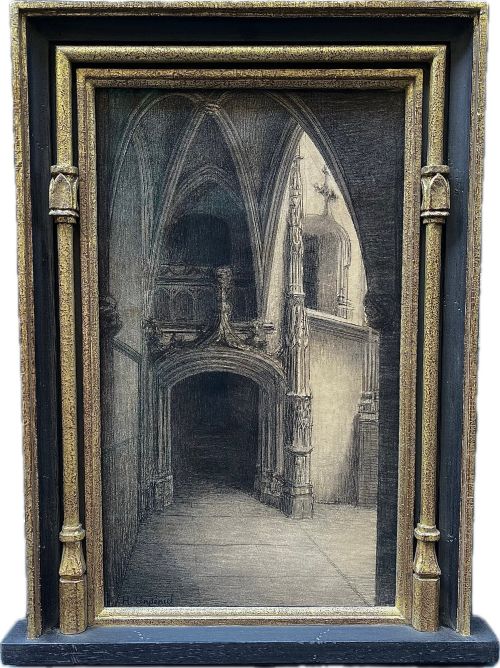
An original charcoal drawing represents a direct, tactile medium where artists used carbon-based sticks on paper, canvas, or board to capture form, light, and shadow. These works range from rapid studio sketches and academic life studies to finished landscape and portrait compositions.
The selections encountered here stretch from the nineteenth century through the Edwardian era into the mid-twentieth century, encompassing British, French, and wider European schools. Many carry the distinct marks of tonalism, impressionist influence, or modernist abstraction.
Buyers frequently meet portraiture, figure studies, and topographical scenes, often framed behind glass within period wood or giltwood mouldings that preserve the delicate carbon surface.
How they were made
The core material is compressed or vine charcoal applied to paper or canvas, sometimes supported by auxiliary materials such as chalk, graphite, pastel, or watercolour washes to add tonal depth and colour variation.
Artists often employed smudging, erasing, and layering techniques to build atmospheric light and shadow, particularly in works influenced by tonalism or academic realism where dramatic contrasts define the composition.
Look closely for stray thumbprints left by artists who used their own fingers to smudge shadows into being over a century ago.
What varies in quality
Quality rests in the sureness of the draughtsmanship and the artist's ability to capture movement or expression with economy of line, distinguishing hasty student exercises from accomplished finished studies by known hands.
The preservation of the friable charcoal medium also dictates value, where works retaining their original fixative integrity, uncompromised paper stability, and sympathetic period framing outrank compromised examples.
Herbert Johnson Harvey·Samuel Rabin·Henri Charles Angéniol·Henry Arthur Roberts·Demetrios Galanis·J D Fergusson·Winifred Eugene Ballard·John Hoppner·LS Lowry·Ted Halliday·John Macallan Swan·Frank Dobson·Sonia Lawson·Ernest Borough Johnson·George Richmond·Frank O A Haviland·Harry Epworth Allen·JT Cross·Jacob Kramer·Harold Hope Read·Jean Betourne·E Sandys
The Original Charcoal Drawing Glossary
- Charcoal
- A dry drawing medium made from slowly burned organic material, producing a dark, velvety mark that can be easily smudged or manipulated. It is prized for its dramatic tonal range.
- Academic Realism
- A style of painting and drawing produced under the influence of European academies of art, emphasising precise anatomical accuracy, classical proportions, and careful observation of live models.
- Tonalism
- An artistic style that emerged in the late nineteenth century where artists painted or drew forms with an emphasis on atmosphere, shadow, and a unifying veil of mood or light.
- Life Study
- A drawing or painting executed directly from a live nude or clothed model, serving as a primary training exercise or a finished work in its own right.
- Giltwood
- Wood that has been covered with a thin layer of gold leaf or gold paint, commonly found on traditional frames protecting antique works on paper.
Original Charcoal Drawing: Frequently Asked Questions
Are these drawings signed?
Many examples bear artist signatures, monograms, or studio stamps, while others remain anonymous nineteenth or twentieth-century school works. Attribution often relies on stylistic traits, inscriptions on the reverse, or archival provenance.
Unsigned pieces can be just as accomplished, often originating from artist studio sales or academic teaching collections.
What is the difference between charcoal and graphite?
Charcoal provides a deep, matte black mark with a soft texture that blends readily to create rich atmospheric shadows. Graphite yields a shinier, more metallic line capable of precise, fine detail.
Artists frequently combined both mediums on a single sheet to balance crisp linear structure with velvety tonal depth.
How can I date an antique drawing?
Dating relies on paper watermarks, framing styles, inscriptions, and stylistic markers typical of periods like the Edwardian era or mid-century modernism. Costume, subject matter, and artist biographies provide further chronological anchors.
Comparative analysis with dated archive examples helps narrow the window of execution.