


Antique Landscape Mirror
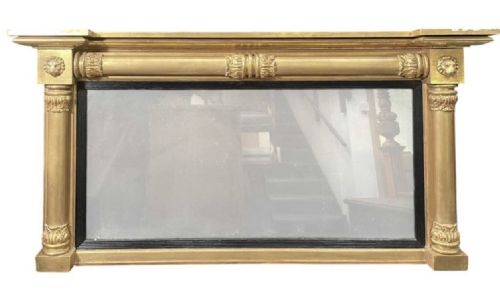
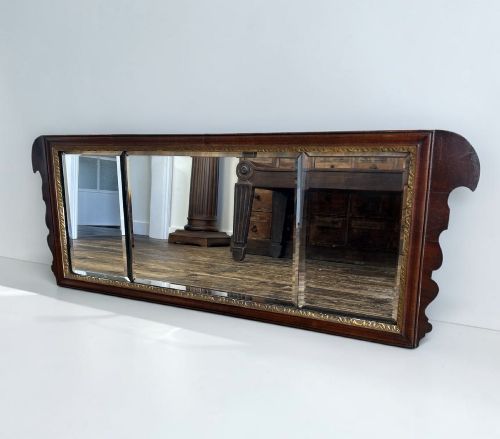
An antique landscape mirror brings architectural breadth to a room, framing reflections horizontally across nineteenth-century giltwood, mahogany, and gesso frames.
Antique Landscape Mirror
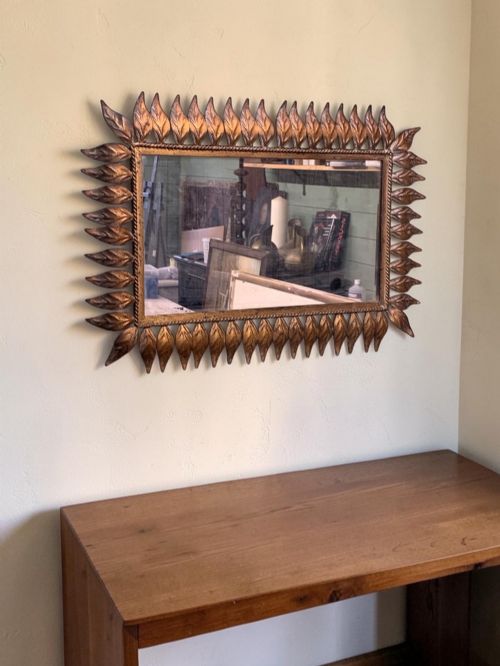
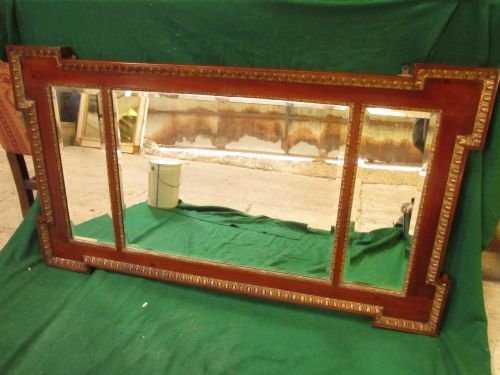
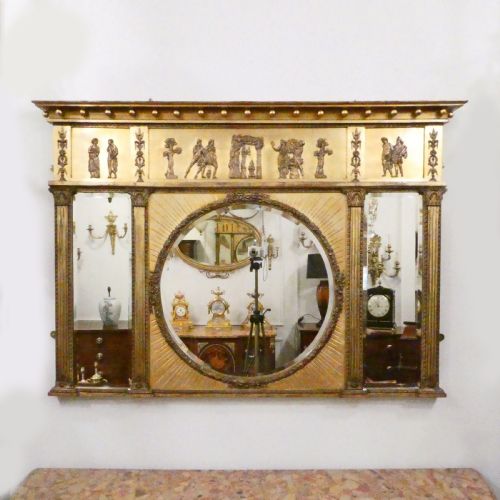
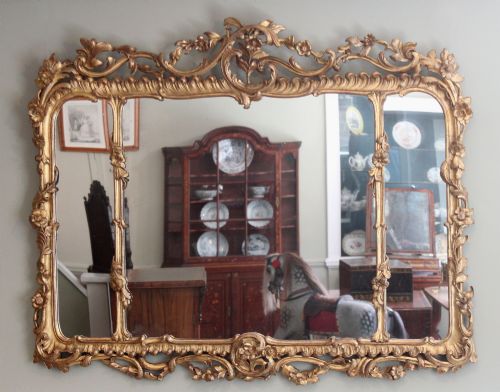
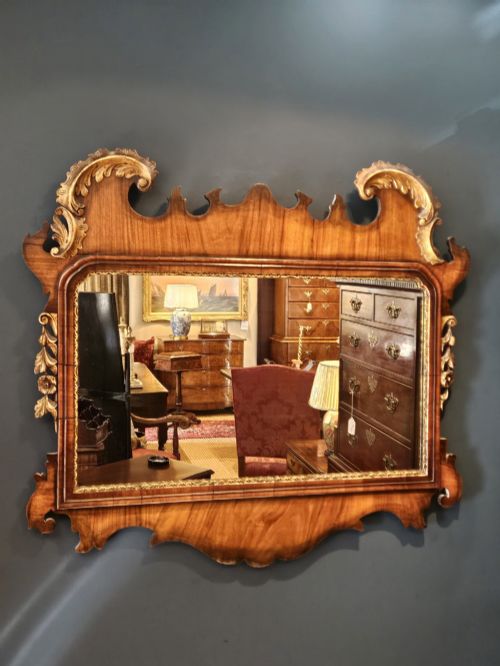
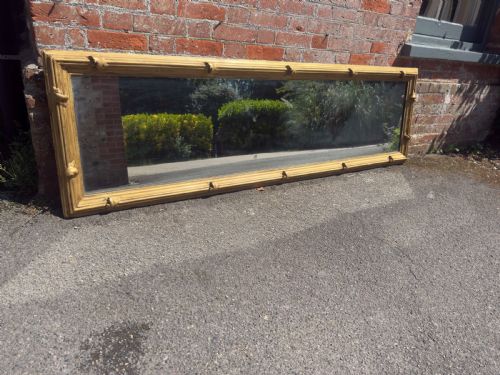
When you search for an antique landscape mirror, you encounter horizontal hanging glasses and wide overmantels designed to anchor a room from the chimney breast or main wall. These pieces span Georgian, Regency, and Victorian periods, often appearing as triple plate or triptych configurations alongside French trumeaux.
Materials and Construction
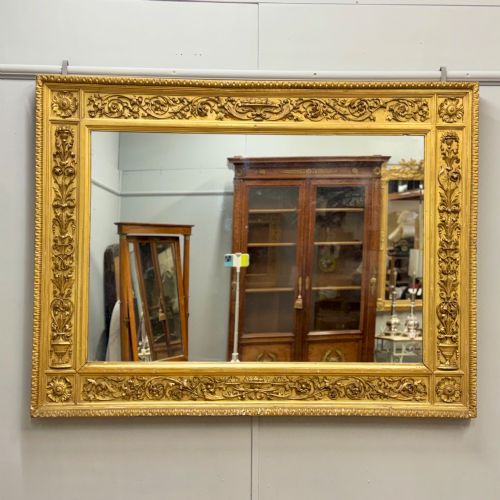
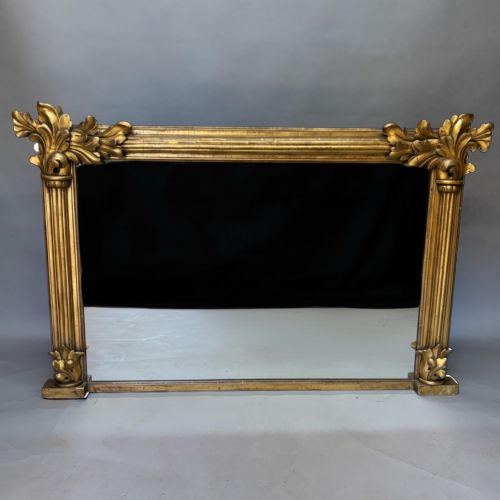
Carved wood and gesso form the structural base of the gilded frames, providing a receptive surface for layers of gold leaf or paint. Joinery relies on traditional timber framing to support wide spans of mirror glass, which occasionally display period characteristics such as light foxing.
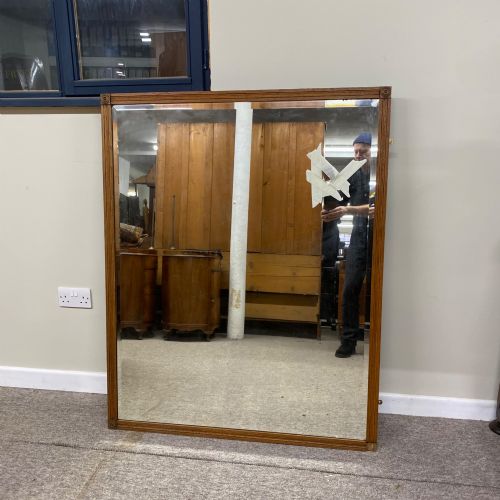
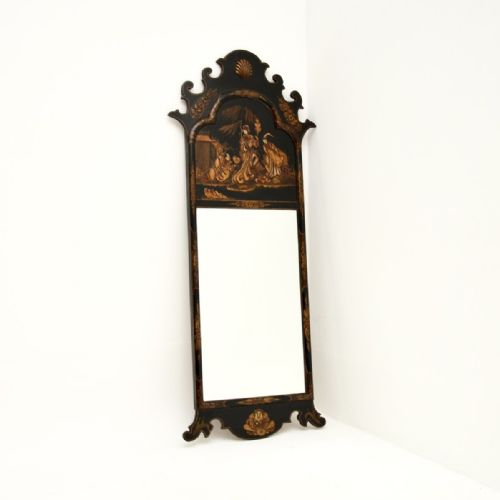
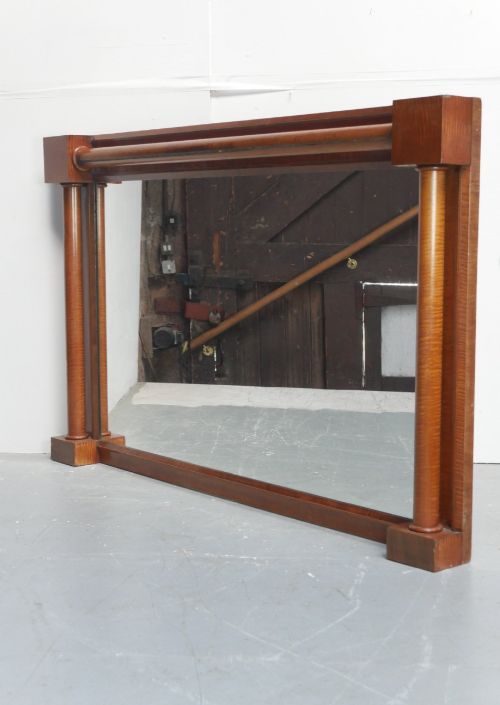
Makers utilised mahogany and walnut for timber-framed versions, sometimes incorporating parcel gilt details or lacquer work in the Chinoiserie taste. Surface decoration frequently includes applied composition ornaments like acanthus leaves, columns, or figurative carvings.
Antique Landscape Mirror Retail Price Guide 2026
Typical asking prices for landscape mirror among the pieces listed under this phrase on Sellingantiques today, from the lower quarter to the upper quarter. They describe what is for sale here now, not the wider market.
Select nineteenth-century frames incorporate charming details like carved Ho Ho birds and squirrels perched atop the gesso foliage.
Factors of Quality
Distinction in these mirrors lies in the crispness of the carved wood and gesso ornamentation, where hand-tooled depth outperforms moulded composition substitutes. The preservation of original gilding and the clarity or character of the mirror plates also define the standing of a piece.
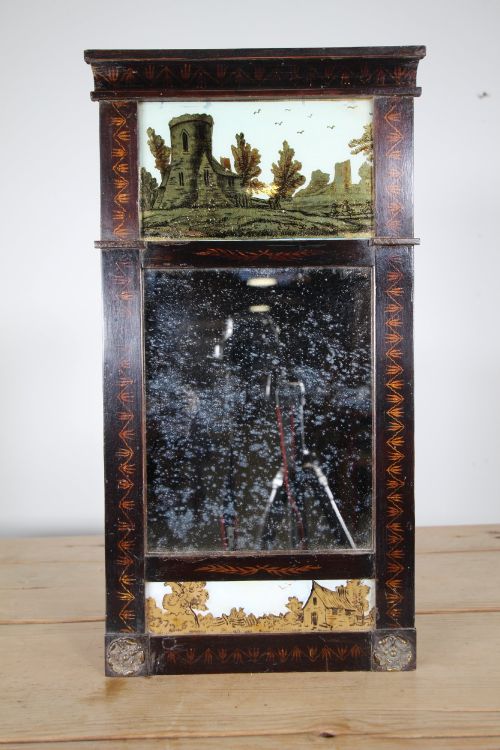
Proportion and architectural balance set superior examples apart, particularly in triptych and triple plate formats where the division of the glass must complement the weight of the frame. The presence of specialised panels like eglomisé work elevates the craftsmanship.
Rowley Gallery·Ciceri and Co
The Antique Landscape Mirror Glossary
- Giltwood
- Wood carved and coated with gold leaf. This finish defines many Regency and Victorian overmantels.
- Gesso
- A plaster-like mixture applied to wood frames and carved. It allows for intricate relief decoration before gilding.
- Trumeau
- An architectural mirror incorporating a painted or carved panel above the glass. French examples frequently use this layout.
- Eglomisé
- A process of applying cold painting and gilding to the rear face of glass. It appears in decorative panels on pier mirrors.
- Triptych
- A mirror divided into three distinct vertical sections within one frame. This layout distributes the horizontal width evenly.
Antique Landscape Mirror: Frequently Asked Questions
Where should I hang a landscape mirror?
These wide glasses are traditionally positioned above a fireplace mantelpiece to reflect light and anchor the room's proportions.
They also function effectively on any substantial wall space where horizontal breadth balances surrounding furniture.
Are the mirror plates original?
Many nineteenth-century examples retain their original glass, which can exhibit light foxing or small age spots. This natural ageing process confirms the long history of the piece.
Replacement plates do occur, so inspecting the silvering and backing provides clues to the mirror's timeline.
How do I identify a Regency mirror?
Regency frames often display neoclassical motifs such as laurel wreaths, griffins, and acanthus-decorated columns. The giltwood surface frequently combines matte and burnished areas for contrast.
Proportions tend to be architectural, with tripartite plates appearing frequently in this era.