


Antique Lake Landscape Painting
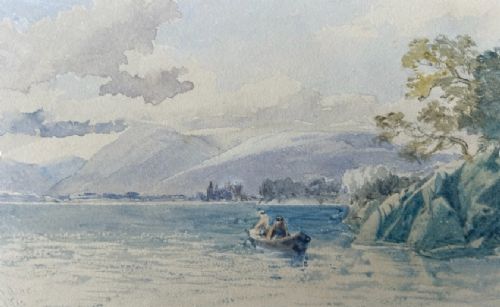
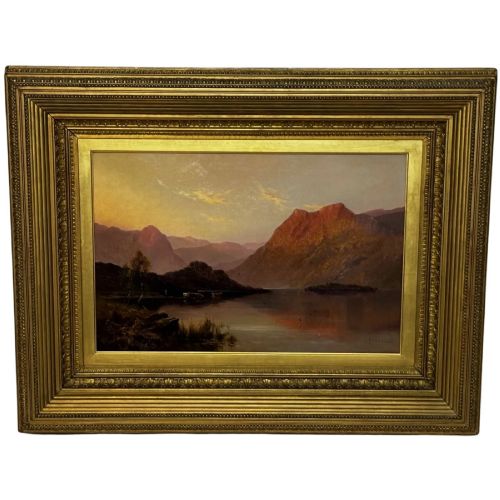
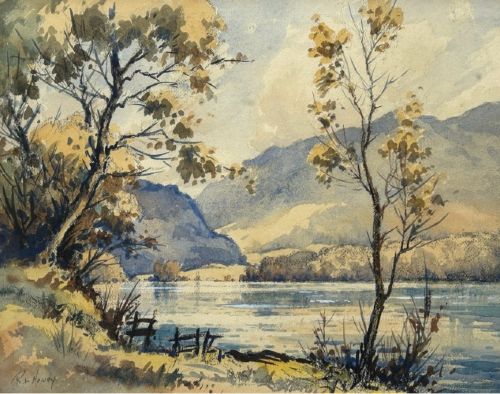
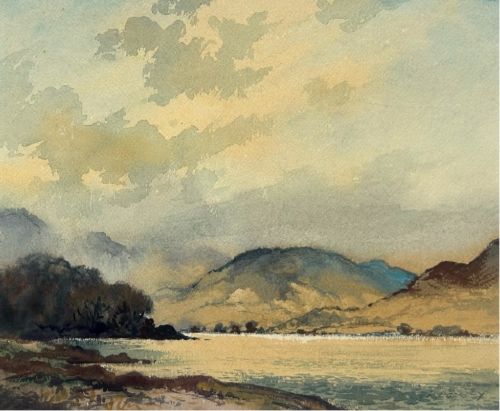
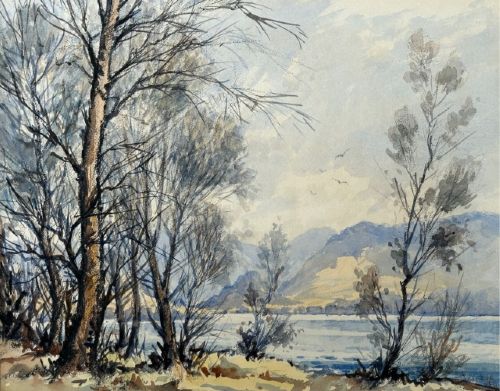
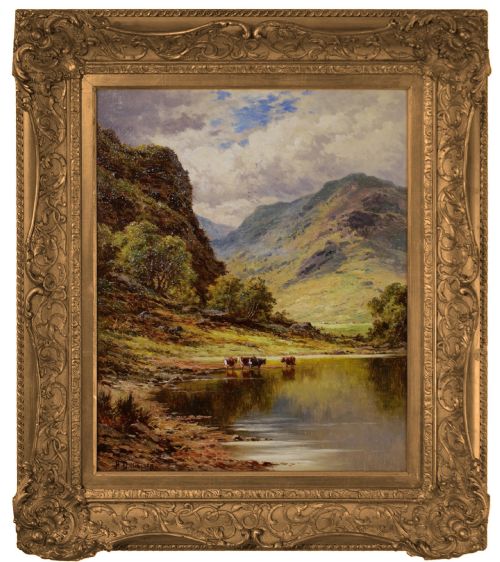
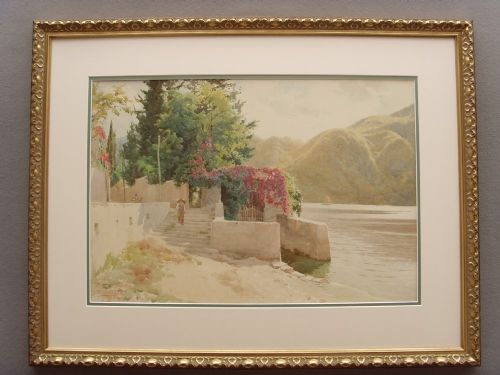
These pieces focus upon the antique lake landscape painting, capturing bodies of water framed by mountains, trees and historic ruins.
Antique Lake Landscape Painting
The antique lake landscape painting captures natural scenery across Britain and continental Europe, frequently featuring recognizable locations in the English Lake District, Scotland and the Alps. These works span the eighteenth, nineteenth and early twentieth centuries, reflecting changing aesthetic movements from romanticism to early modern impressionism.
Buyers encounter oil paintings on canvas or board alongside detailed watercolour paintings on paper. Subjects range from tranquil waters at dusk to dramatic mountain lakes with sailing boats and figures.
The selection includes framed works by named regional artists as well as atmospheric pieces by continental and unrecorded schools.
How They Were Made
Painters applied oil paint to stretched canvas, wooden panels or thick card, building rich textures and deep colour gradations. Watercolour works utilised washes of pigment on paper, often combined with pencil or ink underdrawing.
Works of the period are housed in period frames constructed from wood, gesso and giltwood, occasionally protected beneath glass.
Listings feature works from the eighteenth to the twentieth centuries, executed in oil on canvas, watercolour on paper and leaded glass.
What Varies In Quality
The strength of composition and the artist's ability to handle atmospheric light dictate the success of the painting. Superior pieces demonstrate confident brushwork and precise topographical rendering that anchors the scene in a specific geography.
The integrity of the original support, the stability of the pigment and the condition of the period frame contribute significantly to the overall standing of the work.
Thomas Miles Richardson Jnr·Alfred Fontville de Breanski·Henry H Parker·Robert George Talbot Kelly·Edward Dayes·Frank Hider·Charles Leslie·Giulio Cecchini·John Douglas Perrett·Edward Horace Thompson·Joseph Farington·Stephen Enoch Hogley·Thomas Bush Hardy·Alexis De Leeuw·Robert Lesley Howey·Benjamin Williams Leader·Arthur Tucker·William Green·Ludwig Gustav Voltz·James William Whittaker
The Antique Lake Landscape Painting Glossary
- Canvas
- A heavy woven fabric used as a surface for oil painting. It is typically stretched over a wooden frame before pigment is applied.
- Gesso
- A plaster mixture applied to wood or canvas to create a smooth, durable surface for painting or gilding. It forms the base of many period picture frames.
- Watercolour
- A painting method where natural pigments are suspended in a water-soluble binder. It is applied to paper to achieve translucent colour washes.
- Impressionism
- A nineteenth-century painting style characterised by visible brushstrokes and an emphasis on changing light. Artists working in this manner sought to capture immediate visual impressions.
- Romanticism
- An artistic movement focusing on emotion and the sublime power of nature. Landscapes from this period often feature dramatic mountains, ruins and stormy skies.
Antique Lake Landscape Painting: Frequently Asked Questions
How do I date an antique landscape?
Dating relies on the materials used, the style of the brushwork and the construction of the frame or stretcher. Documentation, signatures and artist biographical records offer precise chronological markers.
Changes in canvas preparation and paper watermarks also help narrow the creation period to a specific decade.
Where should I hang these paintings?
These works require walls away from direct sunlight and excessive moisture to protect the pigment and paper or canvas supports. Stable indoor temperatures prevent warping in the wooden frames.
Positioning them at eye level in well-lit reception rooms or studies allows the fine details of the landscape to be appreciated.
What is the difference between oil and watercolour?
Oil paintings utilise slow-drying paint on canvas or panel, allowing for rich textures, thick impasto and deep tonal layering. Watercolour works use water-soluble pigments on paper, creating bright, luminous washes.
Watercolours require glass protection in the frame, whereas traditional oil paintings remain open to the air.
How do I identify Lake District scenes?
Artists frequently inscribed the specific location, such as Grasmere, Windermere or Derwentwater, on the reverse of the canvas, the mount or the frame. Distinctive geographical formations like local fells and lakes provide visual clues.
Many nineteenth-century painters travelled specifically to record these northern English and Scottish vistas.