




Antique Lacquered Serving Tray
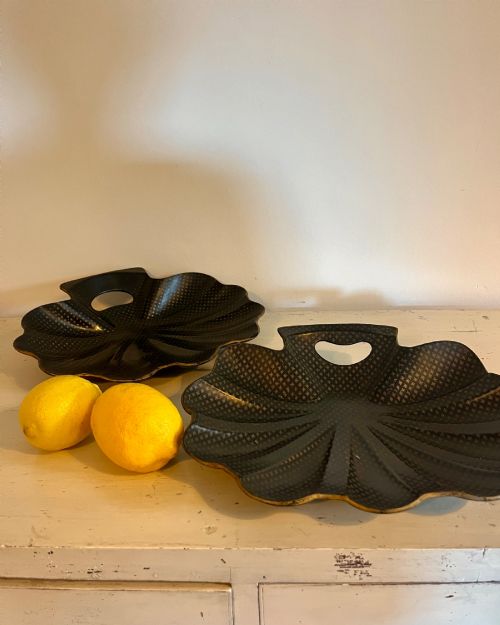
An antique lacquered serving tray brings tactile history to a room, offering a durable surface built from papier-mâché, wood, or metal.
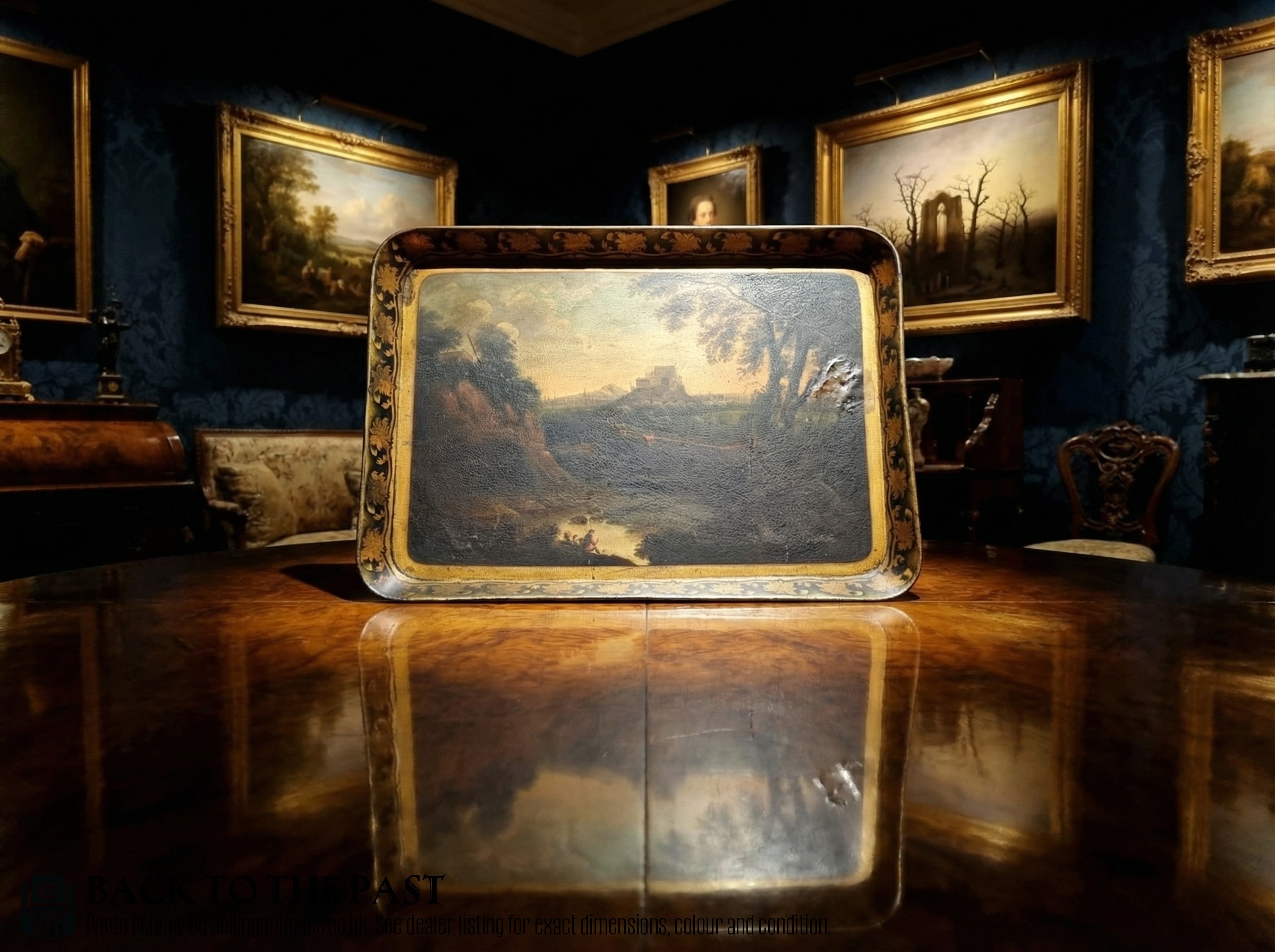
Antique Lacquered Serving Tray
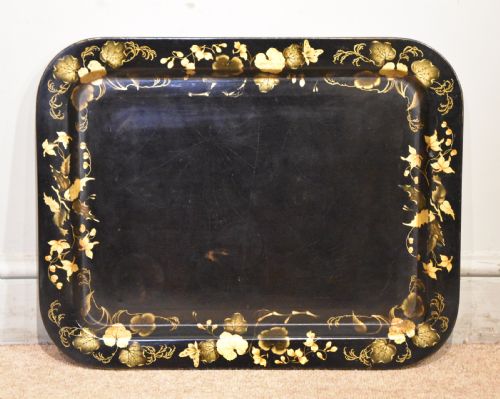
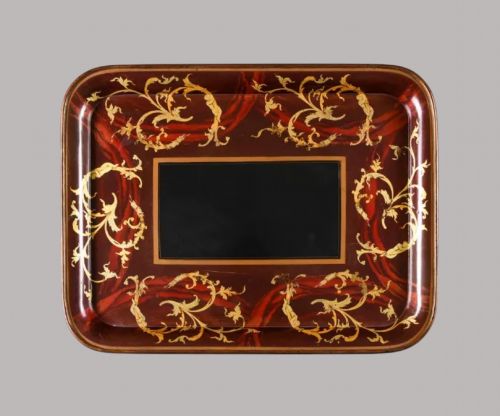
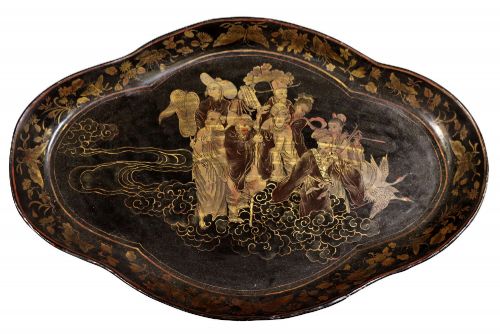
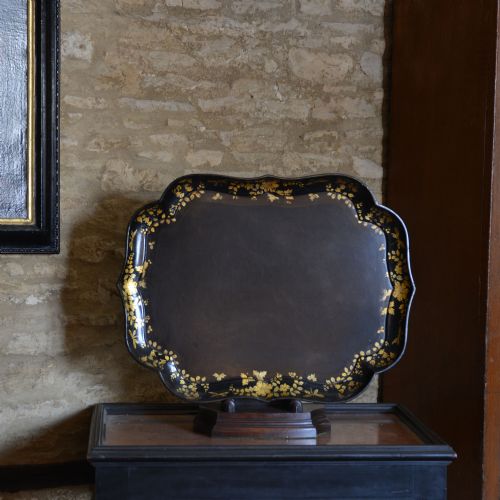
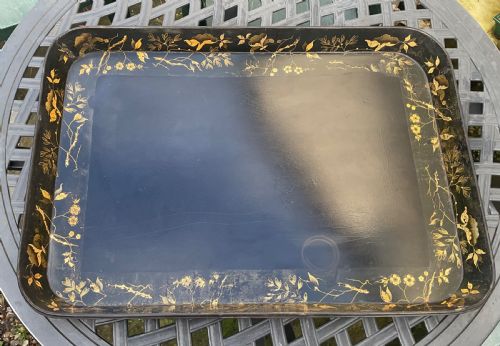
When you search for an antique lacquered serving tray, you encounter pieces designed for utility and display across the Georgian, Regency, and Victorian periods. The most frequent examples on this page are formed from papier-mâché or metal, often styled with Chinoiserie motifs or floral patterns.
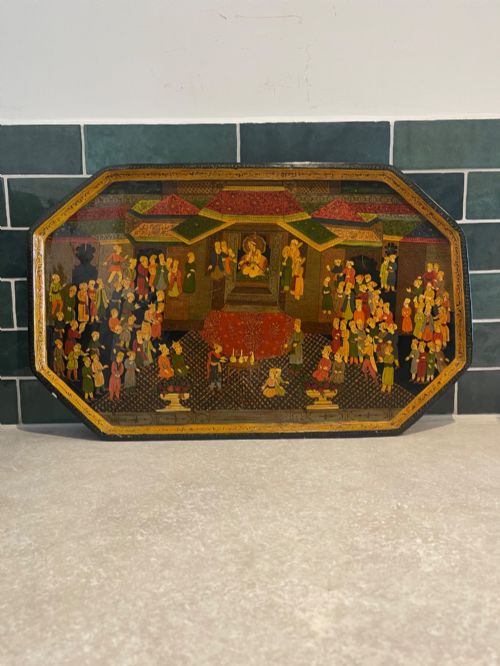
Makers shaped these items for practical service in grand houses, frequently mounting them later onto folding stands to function as side tables or coffee tables. Forms range from simple ovals and rectangles to kidney shapes and octagonal platters.
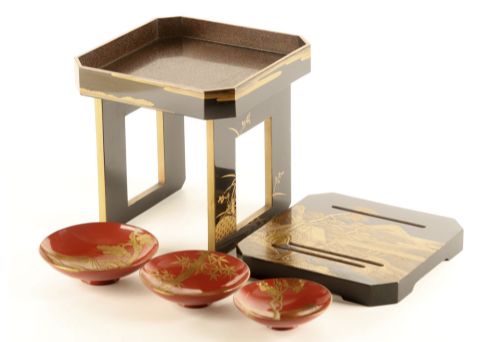
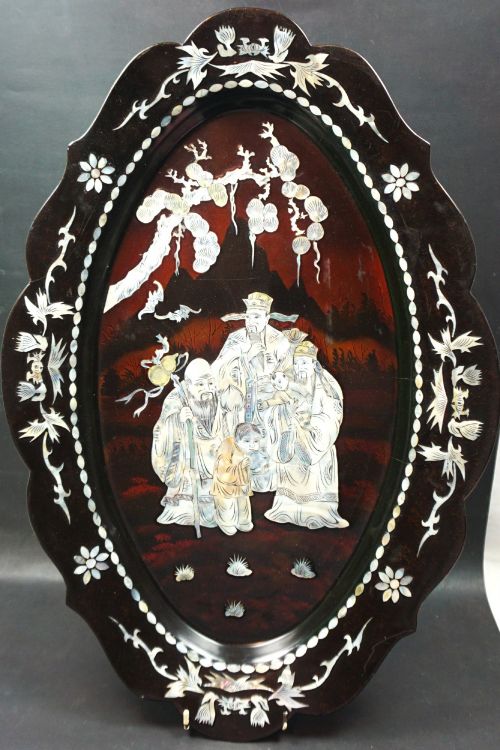
Origins span English workshops, French Napoleon III production, Kashmiri craft, and East Asian export pieces. Each region brought distinct decorative traditions, from heavy gilding to mother of pearl inlay.
How they were made
Papier-mâché trays were built from layers of paper pulp and glue pressed into heavy boards, then baked and finished with multiple coats of dark lacquer to create a smooth, resilient base. Metal versions utilised toleware, which involved shaping sheet iron and painting it with durable enamels.
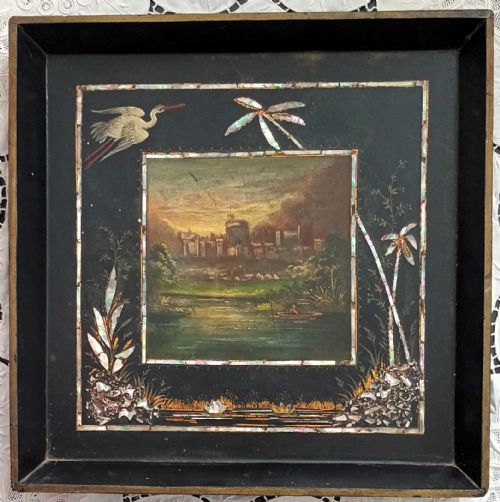
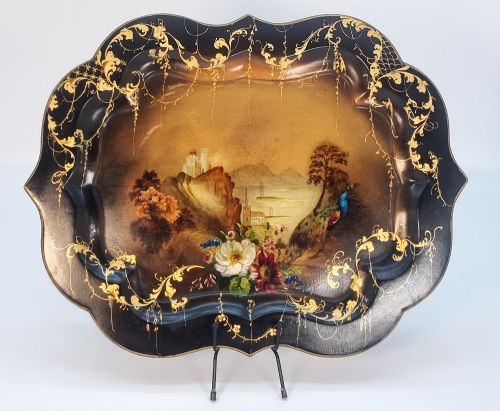
Surface ornament relied on hand painting, gold leaf application, and meticulous gilding. Artisans added depth using mother of pearl inlay, particularly on pieces originating from Chinese workshops or English makers influenced by Eastern aesthetics.
Listings feature items spanning the Georgian, Regency, and Victorian eras, alongside Japanese Taisho and Chinese Qing Dynasty pieces.
What varies in quality
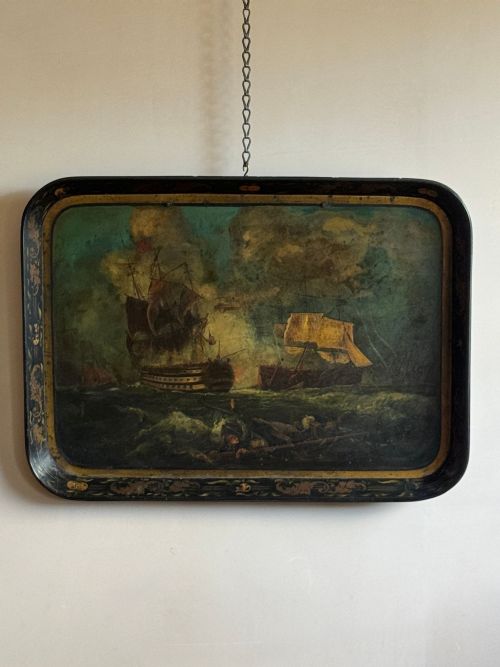
The distinction between ordinary and exceptional pieces lies in the crispness of the hand-painted details and the depth of the lacquer finish. Superior items retain their original gilt embellishments and hand-painted figurative or landscape scenes with minimal retouching.
Makers such as Clay or Jennens and Bettridge applied a structural integrity and signature finish that elevated their papier-mâché work above standard production. The preservation of the original surface, whether ebonised or scarlet, determines the integrity of the piece.
Jennens & Bettridge·Clay
The Antique Lacquered Serving Tray Glossary
- Papier-mâché
- A composite material made from paper pulp, bound with glue or resin, and compressed into rigid forms before lacquering. It provided a lightweight yet remarkably strong foundation for large serving trays.
- Toleware
- Painted or lacquered sheet metal, typically iron or tin, shaped into trays and decorative platters. It allowed for vibrant painted finishes and metallic durability.
- Chinoiserie
- European stylistic imitation of Chinese and East Asian artistic traditions, prominent in the decoration of 19th-century trays. It featured whimsical landscapes, pavilions, and figures rendered in gold and colour.
- Japanned
- A European process of finishing wood or papier-mâché with hard, dark varnishes intended to emulate Asian lacquerware. The technique produced a glossy, deep black surface often highlighted with gilt.
- Gilding
- The application of fine gold leaf or powder to the surface of a tray to accent borders and pictorial scenes. It created high contrast against the dark ebonised backgrounds.
Antique Lacquered Serving Tray: Frequently Asked Questions
How were antique lacquered serving trays used?
These trays served beverages and food in formal reception rooms, carried by butlers or placed on folding stands. Their robust lacquered surfaces protected fine wooden furniture from moisture and heat.
Over time, many larger examples transitioned from utility items to decorative wall plaques or permanent table tops resting on custom frames.
Can I use an antique tray for daily serving?
While structurally sound, historic lacquer and papier-mâché are sensitive to standing water, alcohol, and extreme heat. Gentle handling preserves the delicate gold leaf and painted surfaces from modern wear.
Most owners prefer to use them for display, holding correspondence, or dry service rather than heavy daily kitchen duties.
How do I clean an antique lacquered surface?
Dusting with a dry, soft microfibre cloth is the safest method for maintaining the glossy finish. Moisture should be avoided entirely to prevent lifting the fragile lacquer or paint layers.
Specialist conservation waxes can be applied very sparingly by experienced collectors, but simple dusting usually suffices.
What is the difference between papier-mâché and toleware?
Papier-mâché is a pressed paper composite that offers a warm, tactile feel and lightweight rigidity. Toleware is painted sheet metal, which feels cooler and heavier to the touch.
Both materials accommodated rich japanning and gold leaf decoration, but their underlying substances require different preservation approaches.