


Antique Lacquer Table
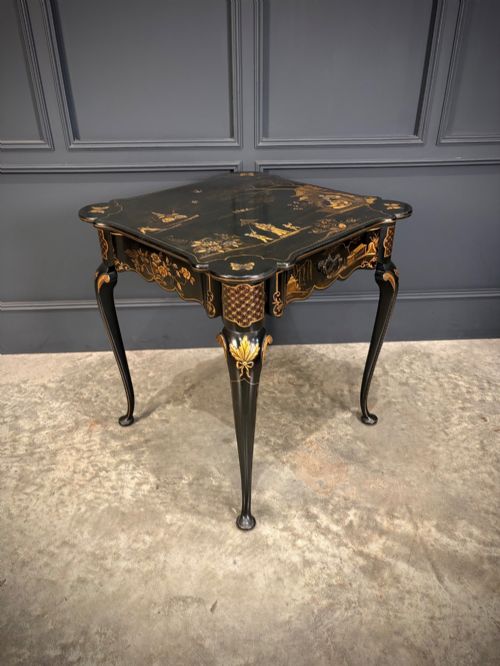
An antique lacquer table brings depth to a room through dark polished surfaces and hand-painted gilt decoration.
Antique Lacquer Table
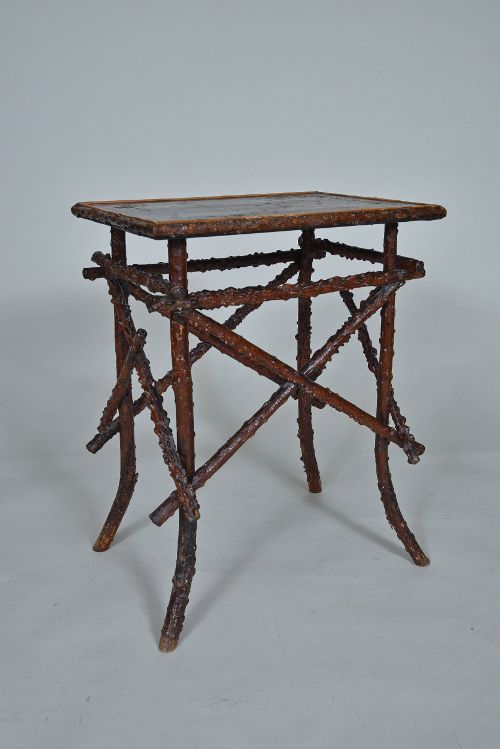
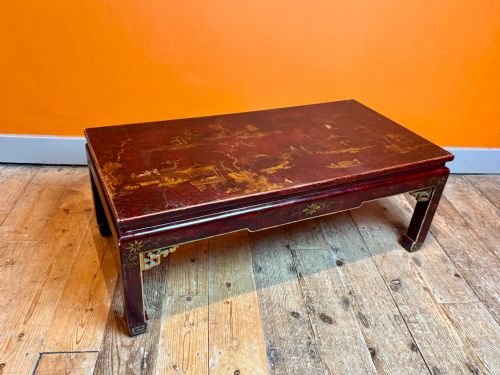
When you search for an antique lacquer table, you encounter a variety of forms designed for display and daily use, ranging from occasional side tables and coffee tables to work tables and tilt-top tables. These pieces span the nineteenth century into the early twentieth century, drawing on Regency, Victorian, and Edwardian aesthetic traditions alongside Asian export workshops.
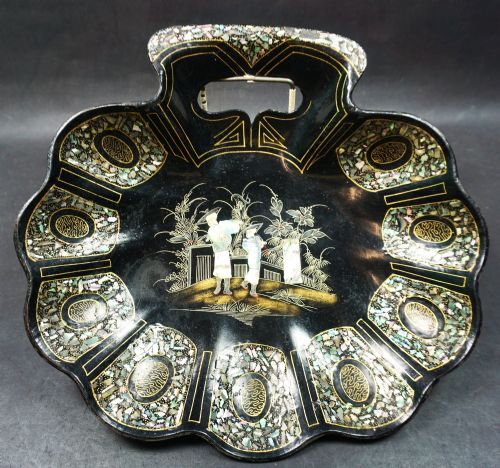
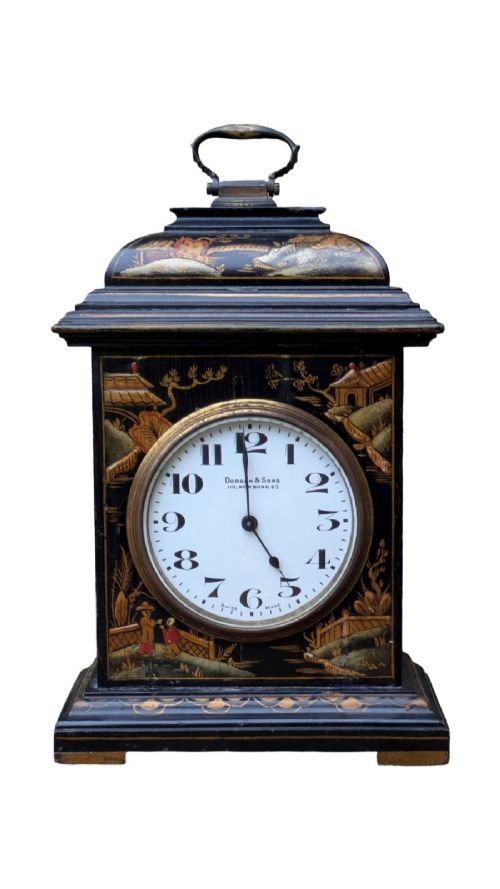
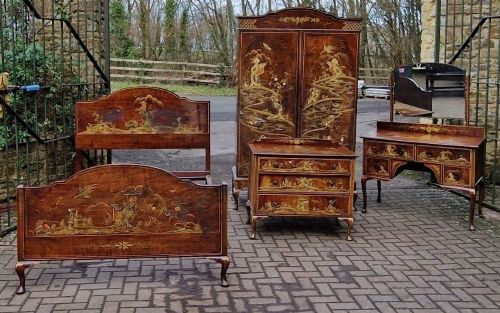
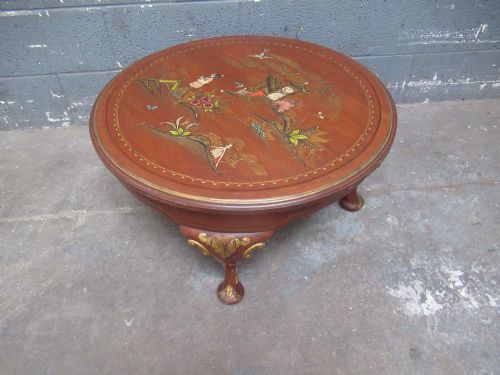
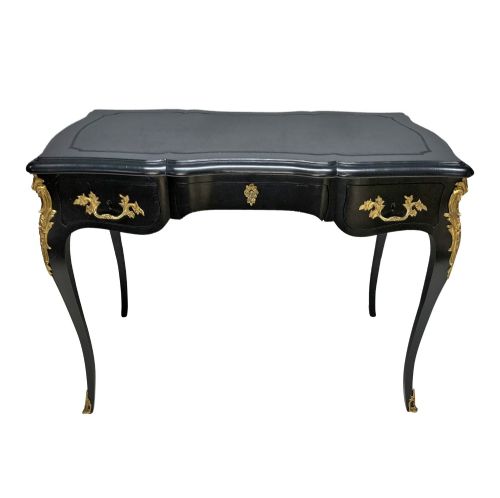
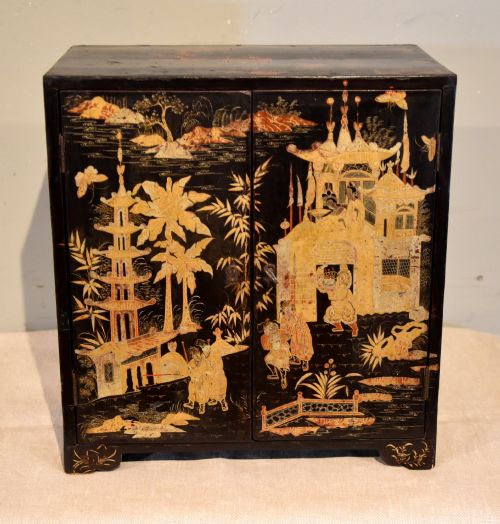
The version you meet most often on this page is the occasional or side table finished in black, cream, or red lacquer, frequently decorated with Chinoiserie motifs, gilt scenes, or hand-painted details. Alongside these standard formats, the selection includes low tables, tray tables, and dressing tables originating from Chinese export, Japanese, Kashmiri, and English makers.
How they were made
The construction of these pieces relies on wood, papier-mâché, and bamboo foundations coated in layers of lacquer, sometimes paired with brass, ormolu, and tooled leather. Artisans built up the surface through repeated applications of resin or paint to achieve a hard, lustrous finish before applying decorative elements.
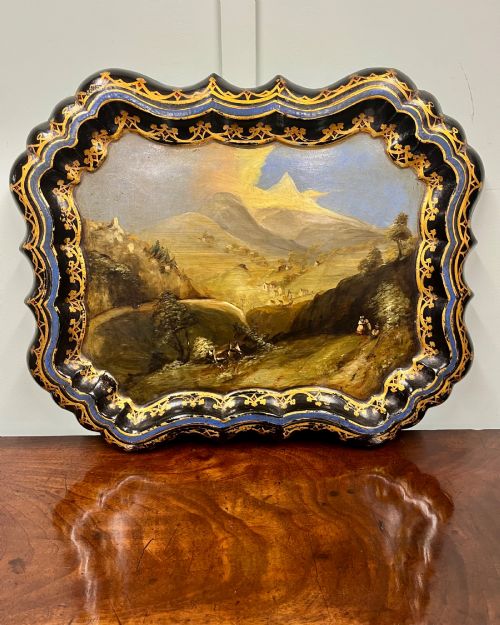
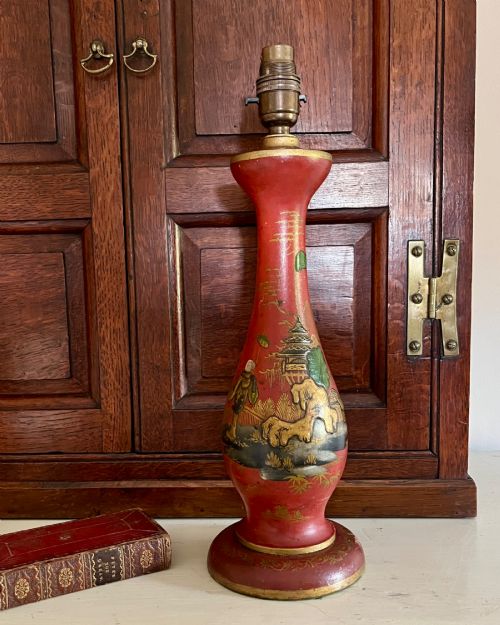
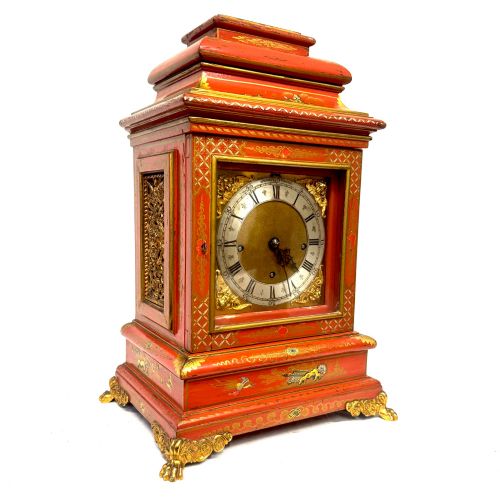
Decoration on the surfaces utilises gold leaf, paint, and gilt detailing to render intricate Chinoiserie landscapes, figures, and floral patterns. Certain items incorporate structural brass mounts, marble tops, or carved wood elements to support the weight and frame the lacquered panels.
Antique Lacquer Table Retail Price Guide 2026
Typical asking prices for lacquer table among the pieces listed under this phrase on Sellingantiques today, from the lower quarter to the upper quarter. They describe what is for sale here now, not the wider market.
Listings feature periods from the Regency era through the Victorian period, Edwardian styles, and the early twentieth century.
What varies in quality
The standard of an antique lacquer table depends heavily on the precision of the hand-painted decoration and the depth of the finish. Finely executed pieces display crisp, detailed gilt work and smooth, even coats of lacquer that have cured without excessive craquelure.
Construction integrity also separates different examples, observed in the stability of the joints on tripod bases, side tables, and coffee tables. Pieces retaining their original finish and structural hardware demonstrate greater integrity than those with heavy later repainting.
The Antique Lacquer Table Glossary
- Chinoiserie
- European decorative style reflecting Chinese artistic influences, commonly seen in painted landscapes and figures on lacquered furniture.
- Papier-mâché
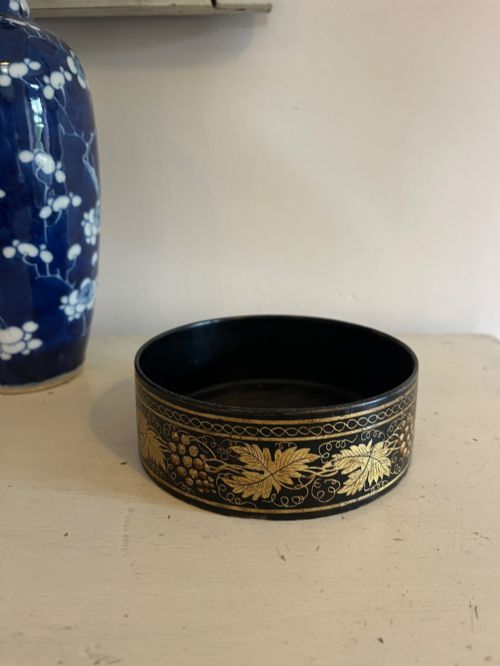
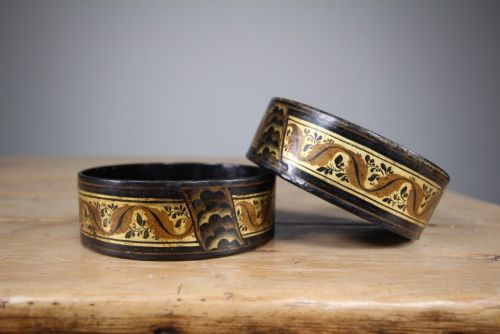
- Composite material made from paper pulp mixed with binding agents, pressed and dried to form lightweight table tops and coasters.
- Japanned
- European technique mimicking Asian lacquer work using varnishes and paint, often finished with metallic dust and decorative scenes.
- Tilt-top table
- Table featuring a hinged mechanism that allows the top to pivot vertically when not in use.
- Ormolu
- Gilded bronze mounts applied to furniture for decorative effect and edge protection.
Antique Lacquer Table: Frequently Asked Questions
How do I clean an antique lacquer table?
Dust the surface gently with a soft, dry microfibre cloth to remove particles without scratching the delicate finish.
Avoid using water, chemical sprays, or harsh cleaning products that can dissolve or dull the historic lacquer and paint layers.
Can I use an antique lacquer table daily?
These tables function well for holding lamps, books, or drinks provided you protect the surface from moisture and heat.
Use coasters and mats to prevent rings or scratches on the sensitive gilt and lacquered top panels.
What periods do these lacquer tables come from?
The pieces span from the Regency and Victorian eras through the Edwardian period and into the early twentieth century.
Design styles reflect nineteenth-century revival movements alongside early twentieth-century interpretations of Chinoiserie and Asian export goods.