



Antique Kyoto Earthenware
Antique kyoto earthenware offers intricate hand-painted ceramics from Japan, combining delicate enamels and gold gilt for collectors of Meiji period Satsuma ware.
Antique Kyoto Earthenware
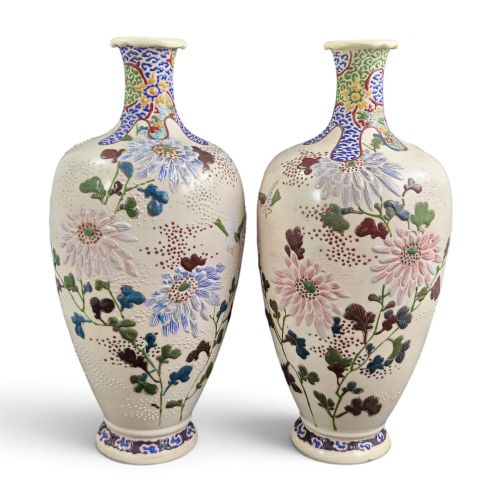
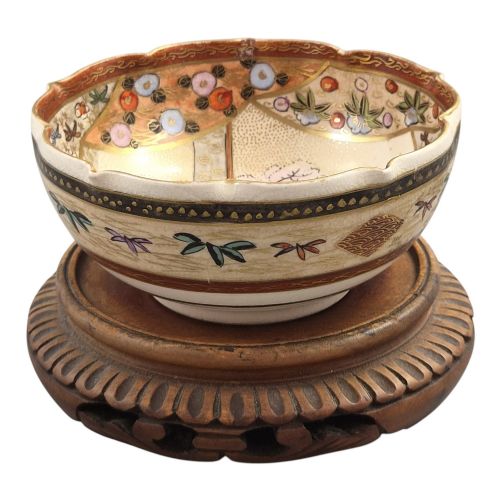
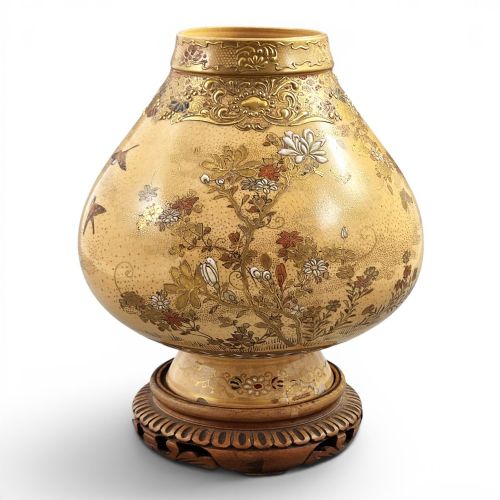
Antique kyoto earthenware brings together decorative vases, bowls, and incense burners created during the nineteenth century and the Meiji period. These objects display precise Japanese craftsmanship originating from Kyoto studios and workshops.
Collectors frequently encounter Satsuma ware featuring elaborate painted scenes, chrysanthemums, wisteria gardens, and figures such as samurai or the Seven Gods of Good Fortune. Forms range from miniature vessels to monumental vases and lidded koros.
Materials and Techniques
Maker studios shaped these ceramic pieces from earthenware, applying detailed glaze and colourful enamel work to create intricate pictorial scenes. Artisans incorporated gold leaf, gold gilt, and heavy gilding to highlight specific motifs and borders.
Many workshops utilised specialised moriage techniques to build up raised decorative dots and lines on the surface before adding final painted details. Wood components occasionally accompany specific items such as fitted bases or lids.
Shi-Shi lions keep a watchful eye over ceramic incense burners, standing ready to guard household incense from troublesome spirits.
Assessing Quality and Execution
Quality in these ceramics rests upon the precision of the brushwork and the complexity of the narrative scenes depicted across the panels. Finer examples display meticulous facial expressions on figures and disciplined application of gold gilt.
Pieces bearing signatures from recognised Kyoto workshops and master artists command greater attention due to their documented provenance and superior finishing techniques.
Kinkōzan Workshop·Chosei·Yamashu·Choshuzan·Hakusan·Tagawa·Shozan
The Antique Kyoto Earthenware Glossary
- Satsuma ware
- A type of Japanese earthenware featuring an ivory-coloured, crackle-glazed body decorated with enamel and gold. It originated in Satsuma province but was extensively produced in Kyoto.
- Moriage
- A ceramic technique where clay is piped onto the vessel surface to create raised decorative relief patterns. This adds tactile depth beneath the enamel and gold highlights.
- Koro
- A traditional Japanese incense burner fitted with a pierced lid. These are often supported on three or four feet and shaped with guardian lions.
- Shimazu mon
- The heraldic crest of the Shimazu clan, represented as a cross within a circle. It frequently appears on Satsuma ceramics associated with the ruling domain.
- Mon
- A Japanese emblem or crest used to identify families, clans, or organizations. They appear discretely painted on quality ceramic surfaces.
Antique Kyoto Earthenware: Frequently Asked Questions
What is antique kyoto earthenware?
Antique kyoto earthenware refers to decorative Japanese ceramics produced primarily during the nineteenth century and the Meiji period. These items include vases, bowls, and incense burners created in Kyoto workshops.
Such pieces are distinguished by their intricate enamel decoration, crackle glaze, and extensive use of gold gilt. They showcase traditional Japanese motifs, landscapes, and figural scenes.
How do I identify Satsuma ware?
Satsuma ware is recognised by its characteristic cream-coloured or ivory earthenware body covered in a fine network of crackled transparent glaze. The surfaces are then richly decorated with polychrome enamels and raised gold.
Many pieces also feature artist signatures, studio marks, or clan crests on the underside. The style evolved significantly during the Meiji period to cater to international export markets.
What is a koro?
A koro is a traditional Japanese incense burner designed with a perforated lid to allow fragrant smoke to escape. In antique Kyoto ceramics, these vessels often feature three legs and sculptural elements like guardian lions on top.
They served both ritual and decorative purposes within traditional Japanese interiors. Today, collectors value them for their intricate sculptural forms and detailed panel paintings.
What does moriage mean?
Moriage is a ceramic decoration technique where slip or liquid clay is applied in raised dots or lines before firing and painting. This creates a tactile, three-dimensional texture on the surface of the vessel.
Artisans frequently accented these raised areas with heavy gilding and bright enamels. The technique adds remarkable depth and ornamentation to nineteenth-century Satsuma vases and bowls.
How should I care for these ceramics?
These antique earthenware pieces require gentle handling to protect their delicate enamel surfaces and gold leaf details. Dust them lightly with a soft, dry brush and avoid chemical cleaning agents.
Keep them away from direct sunlight and areas prone to high humidity to preserve the crackle glaze and pigment integrity. Proper display cabinet placement ensures they remain secure from accidental knocks.