
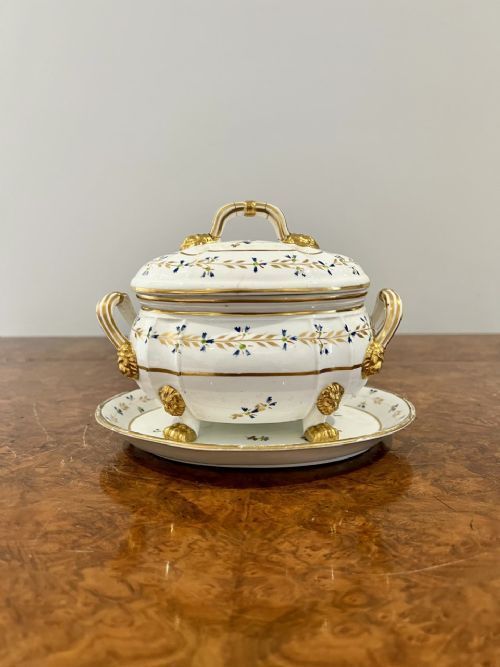


Gold Gilt Ceramic Bowl
A gold gilt ceramic bowl brings a touch of opulent surface work to a table, combining lustrous metallic highlights with fine earthenware or porcelain.
Gold Gilt Ceramic Bowl
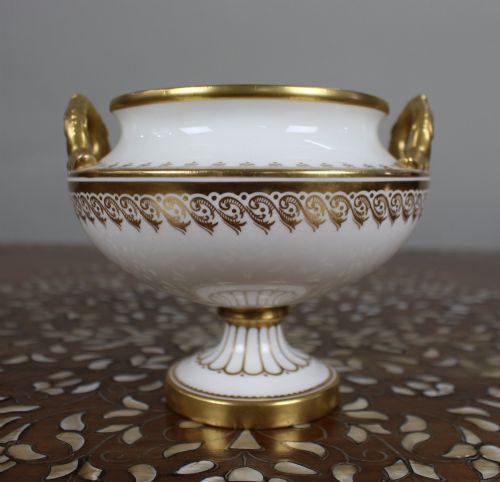
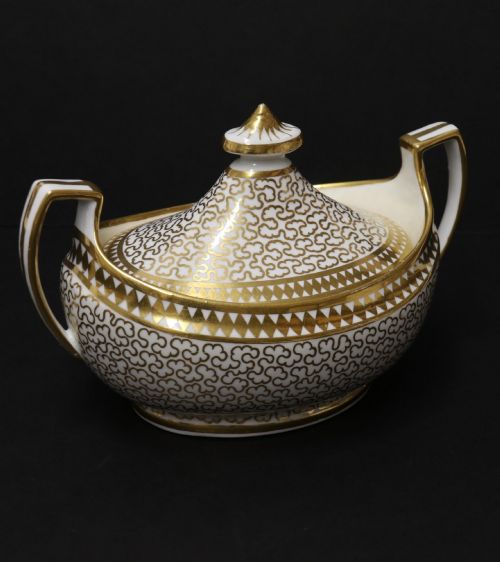
A gold gilt ceramic bowl encompasses a wide array of decorative vessels, cabinet dishes, and sugar bowls produced across the nineteenth and early twentieth centuries. Pieces meeting this description emerge from English, French, German, and Japanese traditions, spanning periods from the Georgian era through the Edwardian years and the Art Deco movement.
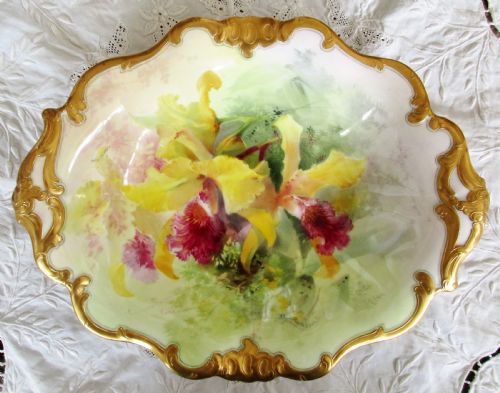
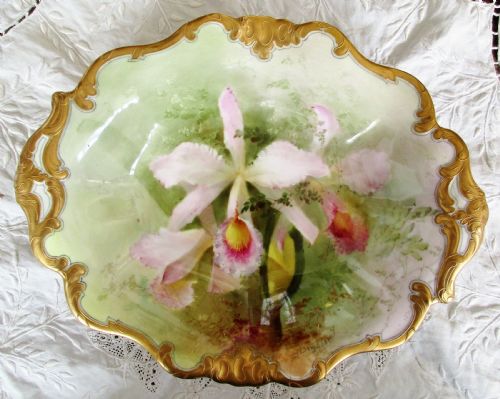
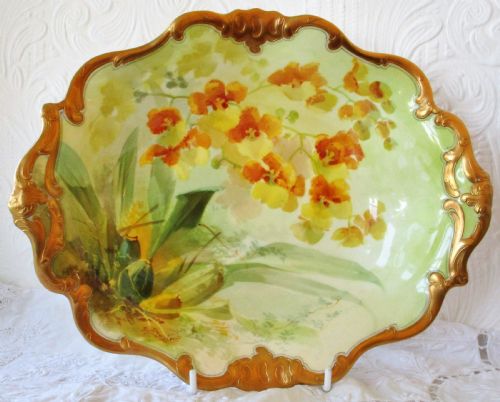
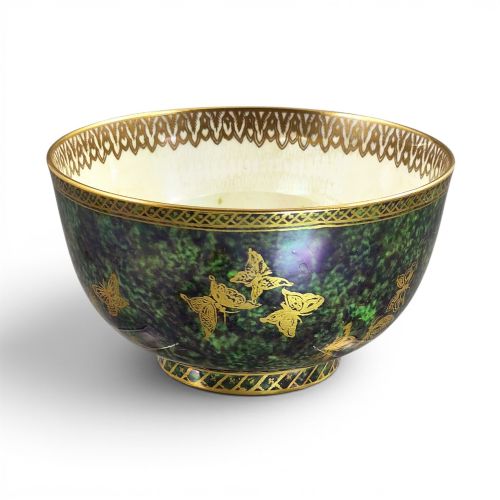
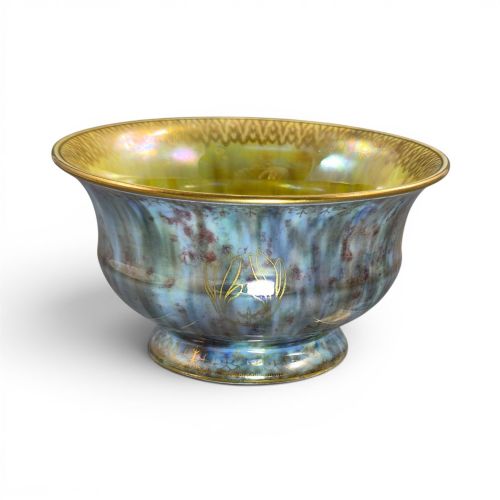
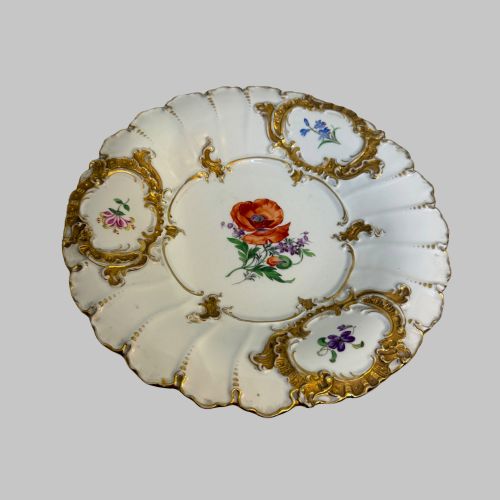
Buyers frequently encounter decorative bowls and cabinet dishes featuring hand-painted floral motifs, landscape scenes, or mythical creatures alongside rich metallic embellishments. These items range from compact sucriers and small saucers to substantial centrepieces and urns designed for prominent display.
Materials and technique
Makers utilised fine porcelain, bone china, earthenware, and ironstone as the structural base for these vessels, applying fluid glazes before firing the ceramic bodies. Skilled artisans then introduced detailed hand-painted designs using rich enamel colours to build complex pictorial compositions across the surface.
Gilding and gold leaf were applied by hand to rims, handles, and raised motifs, often requiring a secondary firing to bond the metallic layers permanently to the ceramic body. In certain pieces, intricate champlevé enamel or bronze mounts complete the construction, securing the ceramic bowl within a supportive decorative frame.
Listings for a gold gilt ceramic bowl span porcelain, bone china, and earthenware across Victorian, Edwardian, and Art Deco styles.
Evaluating craftsmanship
The standard of a gold gilt ceramic bowl depends significantly on the precision of the hand-painted artistry and the complexity of the glaze work. Pieces decorated by named artists or produced in renowned studios display superior depth in their enamel colours and finer execution in their pictorial subjects.
The application and preservation of the gilding also define the upper tier of these objects. Complete, burnished gold leaf work that retains its reflective brilliance without rubbing demonstrates a higher grade of original manufacture and careful historical upkeep.
Royal Doulton·Wedgwood·Meissen·Royal Worcester·Chamberlains Worcester
The Gold Gilt Ceramic Bowl Glossary
- Sucrier
- A small vessel designed for holding sugar, typically provided with a matching cover. These often feature delicate gilt handles and painted floral panels.
- Cabinet dish
- A decorative plate or shallow bowl intended purely for display in a cabinet rather than for practical table use. They frequently showcase elaborate painted scenes by notable artists.
- Gilding
- The application of gold leaf or powdered gold paint to the ceramic surface. This technique highlights rims, handles, and specific decorative motifs.
- Enamel
- A durable, vitreous substance fused to the ceramic body through firing. It provides the vibrant background colours and intricate painted details seen on many vessels.
- Comport
- A raised serving dish or bowl mounted on a pedestal base. These pieces add height and formal structure to a table arrangement.
Gold Gilt Ceramic Bowl: Frequently Asked Questions
How were these bowls used historically?
Many of these vessels served practical dining functions, holding sugar, fruit, or soup during formal meals. Others were created solely as cabinet dishes or centrepieces for visual display.
Over time, wealthier households utilised finer porcelain items to display social status and refined taste during gatherings.
How do I identify the period of a piece?
Makers' marks stamped or painted on the underside provide the most reliable indicator of origin and date. Stylistic clues, such as Rococo revival curves or Art Deco geometries, also point toward specific decades.
Examining the glazing technique and hand-painted palette helps narrow down whether a vessel originates from the Georgian era or the early twentieth century.
Can these bowls be used for food today?
Most antique pieces function best as decorative display items rather than daily tableware. Historic glazes and delicate overglaze gilding can wear down or react poorly with modern detergents.
Gentle hand washing in lukewarm water preserves the fragile enamel work and metallic highlights for future generations.
What is Satsuma ware?
Satsuma ware refers to a distinct style of Japanese earthenware featuring a distinctive ivory-coloured, crackled glaze. These pieces are heavily decorated with intricate polychrome enamels and raised gold work.
Studios in Kyoto produced fine examples of this pottery during the Meiji period, often bearing artist signatures on the base.