



Antique Kurdish Weaving
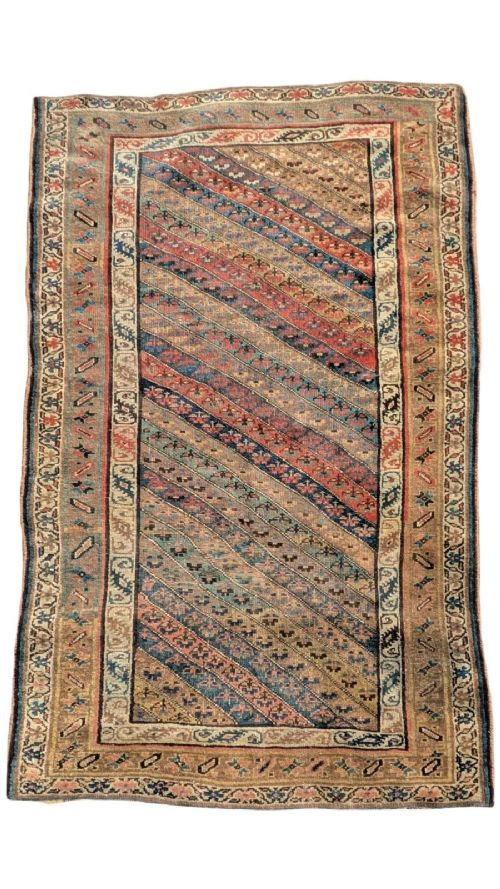
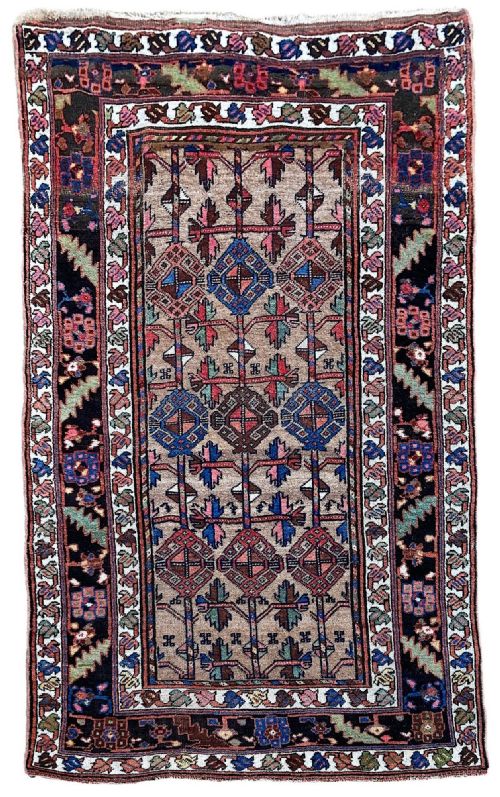
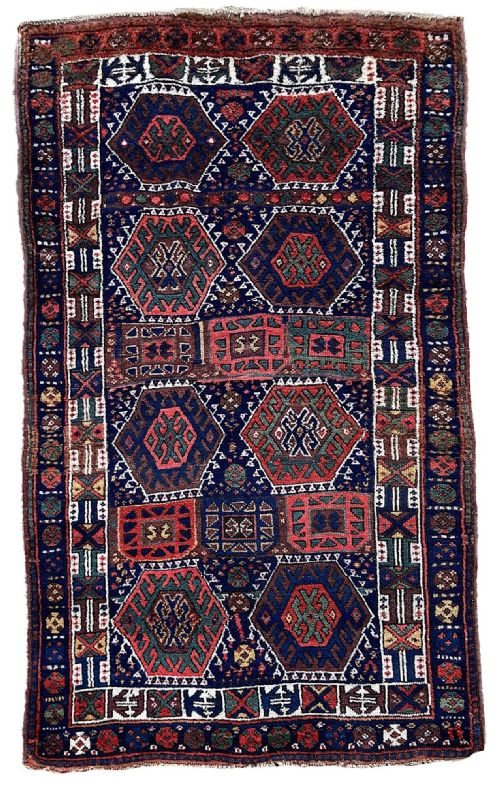
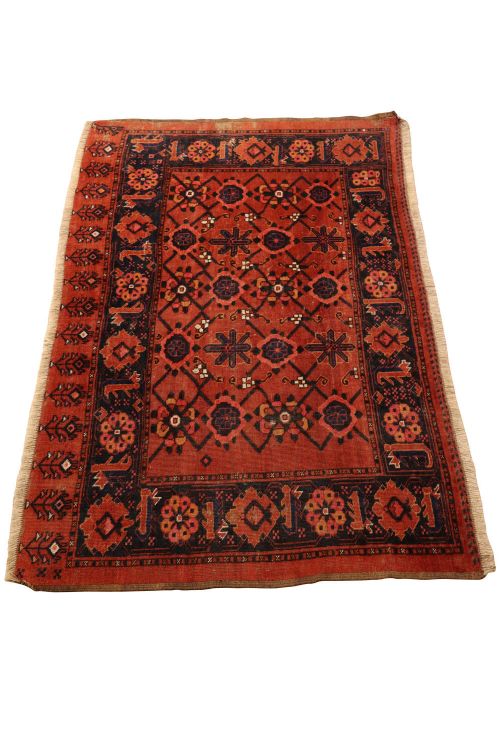
Antique Kurdish weaving brings robust tribal character into a room through hand-knotted rugs, long carpets, and practical bags.
Antique Kurdish Weaving
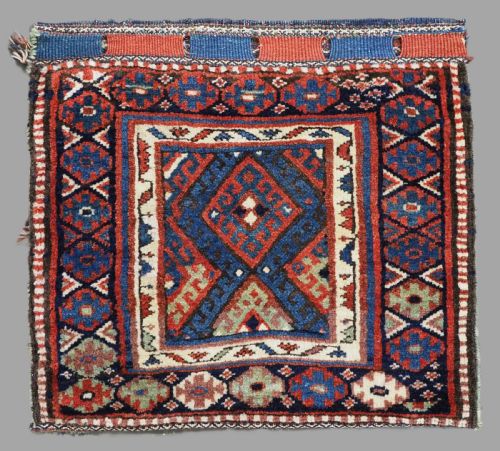
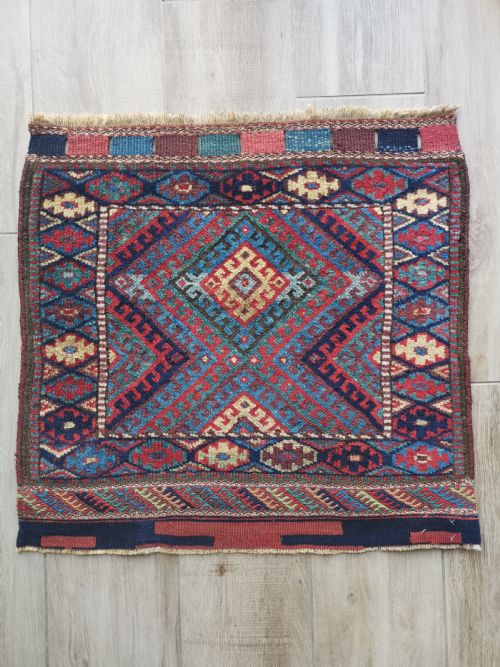
Antique Kurdish weaving encompasses traditional rugs, carpets, runners, and storage bags produced by tribal makers across varied regions. Pieces span formats from small saddlebag faces and wheat sacks to large kelleh long rugs and runners.
How they were made
Weavers constructed these textiles using hand-spun wool and cotton foundations, often incorporating durable goat hair for secure selvedges and bag backs. Natural dyes provide the underlying palette, yielding rich tones across wool piles.
Makers utilised traditional knotting techniques suited to nomadic and village production, ensuring structural resilience in items intended for heavy daily use. Plain weave backs and flatwoven sections frequently complement the knotted pile surfaces on functional bags.
Current listings span production dates from the eighteen-sixties through the nineteen-twenties, incorporating wool, cotton, and goat hair.
What varies in quality
Quality rests upon the fineness of the knotting and the handled tension of the wool foundation. Tighter packing creates a denser, heavier handle that preserves intricate geometric and floral motifs over generations.
The depth and clarity of natural dyes distinguish finer examples from standard village work. Purity in the hand-spun wool and completeness in original flatweave components or bag backs elevate a textile's integrity.
The Antique Kurdish Weaving Glossary
- Kelleh
- A large format long rug traditionally proportioned for specific room dimensions. These elongated formats offer substantial decorative presence.
- Chanteh
- A small traditional tribal bag or pouch used for personal carriage. They display concentrated examples of regional design within compact dimensions.
- Jaf
- A specific Kurdish tribal group known for distinctive saddlebags and rugs featuring repeated geometric motifs. Their weaving often incorporates robust plain weave backs.
- Seneh
- A recognised weaving centre producing finely knotted rugs with meticulous detail. These pieces frequently demonstrate refined floral or boteh patterns.
- Bidjar
- A town and surrounding district celebrated for exceptionally heavy, dense carpets. Often called the iron rugs of Persia due to their robust construction.
Antique Kurdish Weaving: Frequently Asked Questions
What is a Kurdish bag face?
A bag face is the decorative front portion of a nomadic storage container, harvested from a larger utilitarian sack after heavy wear. These panels functioned as portable chests for families on the move.
Today, collectors frame or mount these compact textile squares as small format art. They capture concentrated tribal designs within a manageable domestic scale.
How do I identify a Senneh rug?
Senneh rugs emerge from a specific weaving tradition associated with fine knotting and precise geometric or boteh motifs. Their structures often utilise cotton foundations with a balanced handle.
These pieces contrast with heavier tribal carpets through their refined execution and lower, closely clipped pile. The palette typically remains restrained and harmonious.
Where were Bidjar carpets made?
Bidjar carpets originate from the Kurdish town of Bidjar and surrounding west Persian villages. Artisans packed the foundation threads extremely tight using heavy metallic combs.
This dense construction method yields a rigid, exceptionally durable carpet structure. They withstand heavy floor traffic while retaining structural integrity.
Can I use an antique runner in a hallway?
Antique Kurdish runners provide durable length suited to corridors, hallways, and narrow spaces. Their sturdy wool construction absorbs foot traffic effectively.
Placing a proper underlay beneath the runner prevents slip and cushions the vintage foundation fibres. This protects the textile while bringing historical character to transitional areas.