

Antique Kneehole Dressing Table
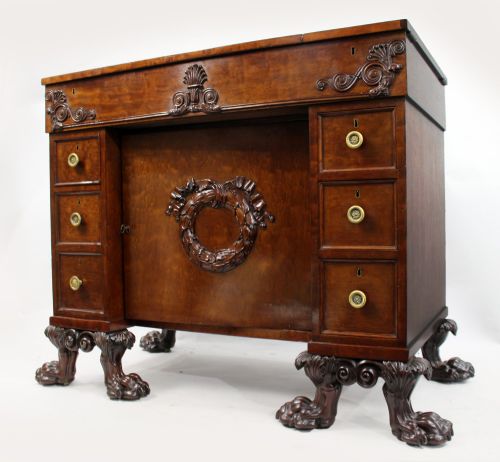
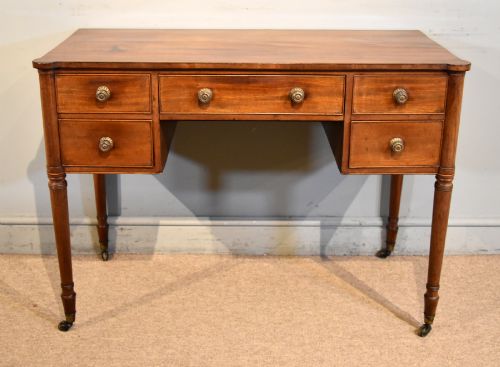
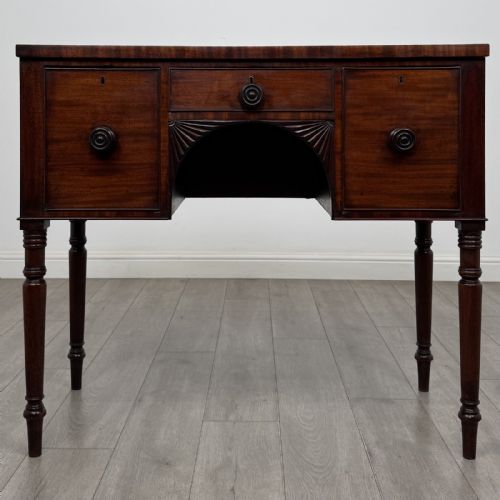
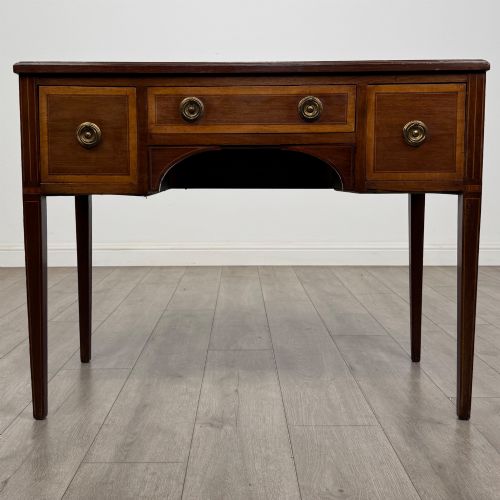
An antique kneehole dressing table offers a compact personal workstation with deep pedigree, pairing central recessed legroom with flanking banks of small drawers.
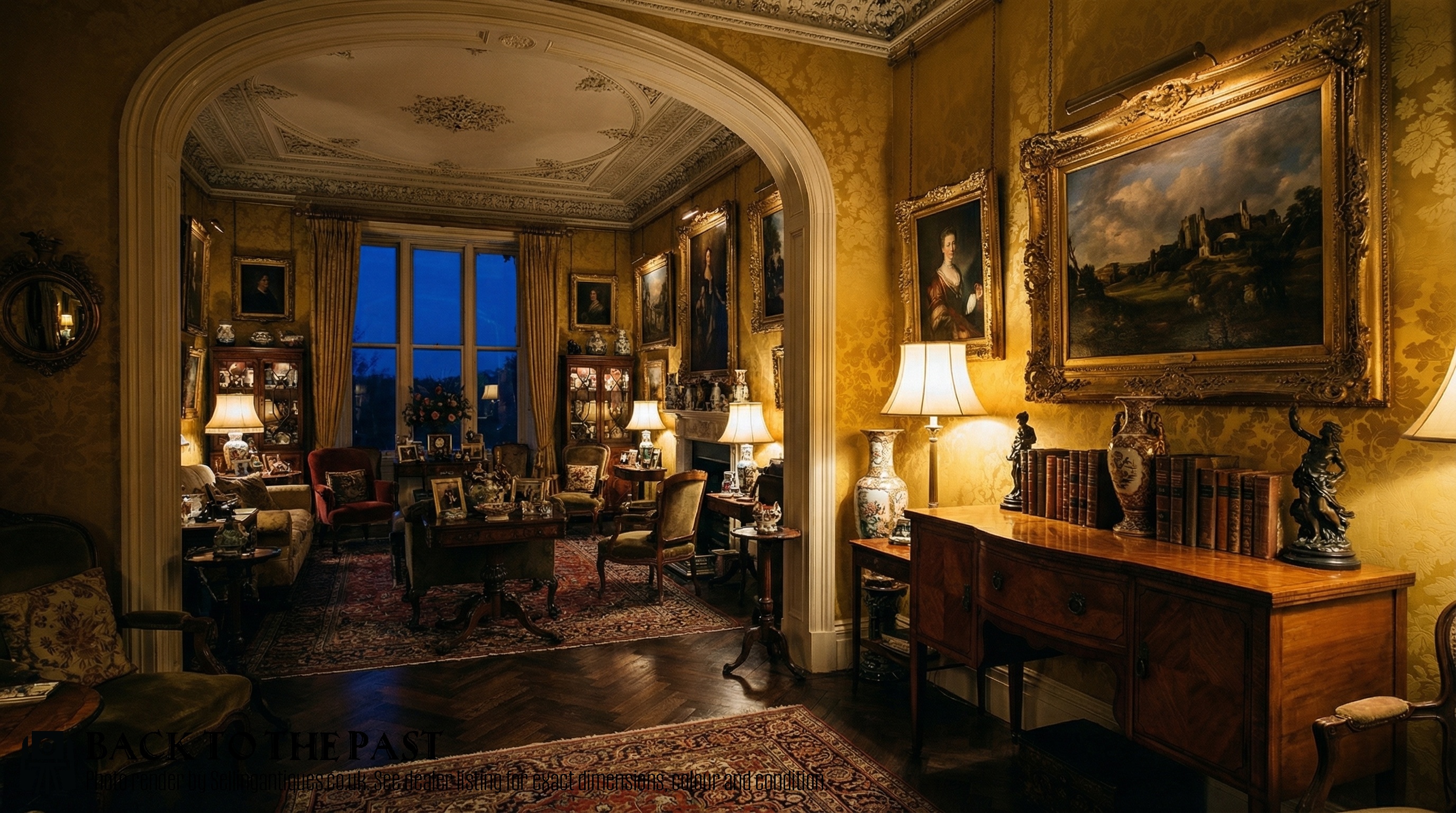
Antique Kneehole Dressing Table
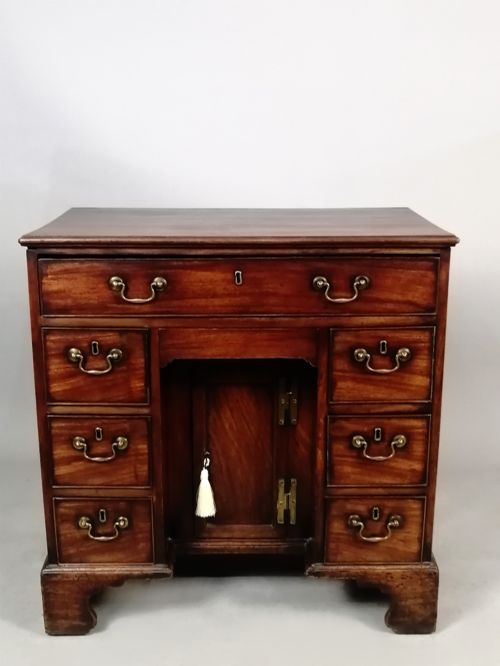
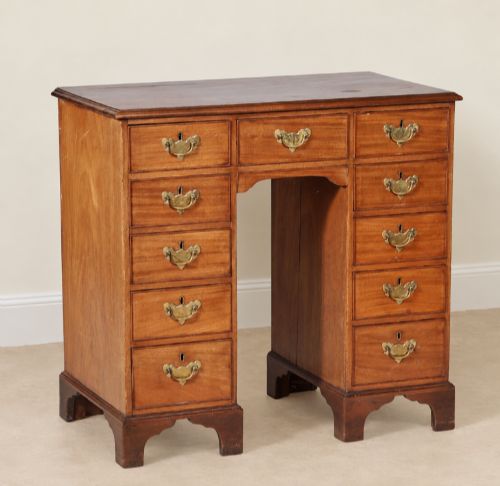
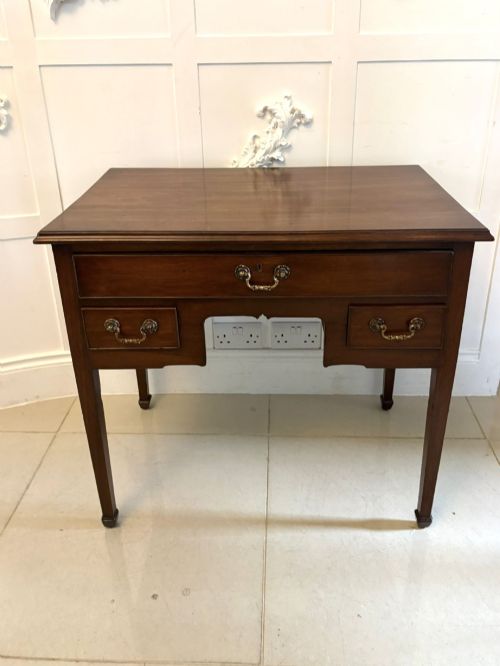
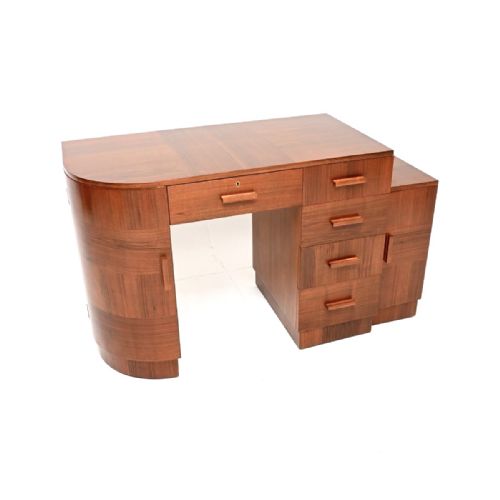
An antique kneehole dressing table combines the compact proportions of a writing desk with the fitted drawers of a vanity, providing a functional surface for personal grooming or correspondence. Buyers encounter these pieces primarily in eighteenth century Georgian iterations, alongside later Edwardian and Art Deco revivals.
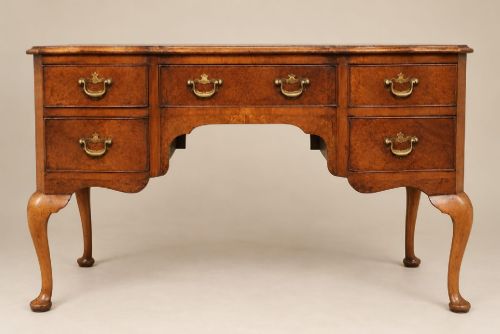
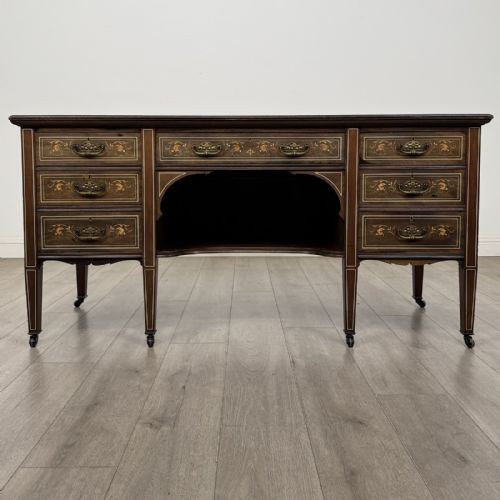
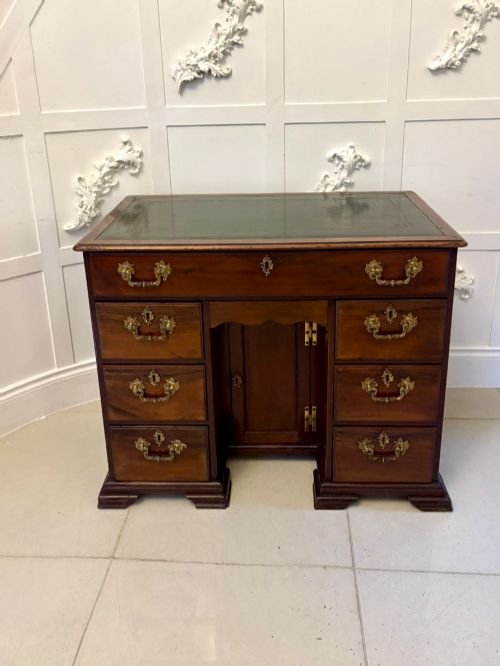
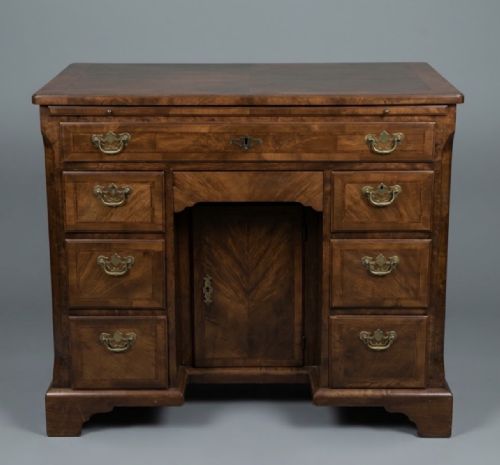
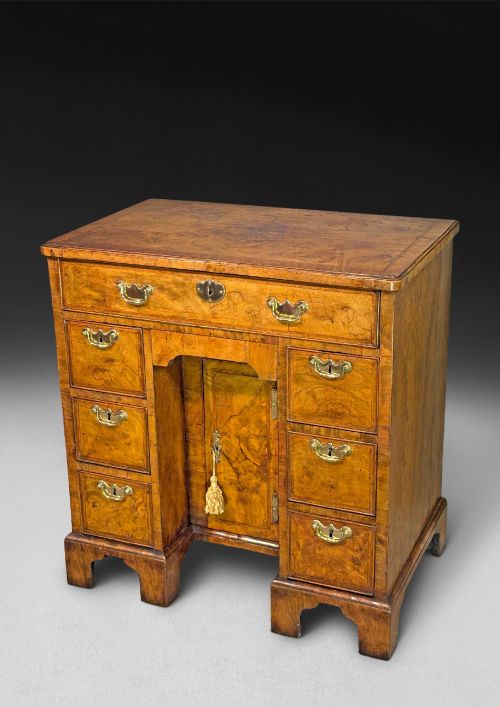
The layout typically incorporates a central recessed kneehole, often containing a concealed shallow drawer or cupboard door, flanked by two vertical stacks of smaller drawers. Surviving examples range from walnut and mahogany pieces of the Georgian era to later burr walnut and marquetry variations.
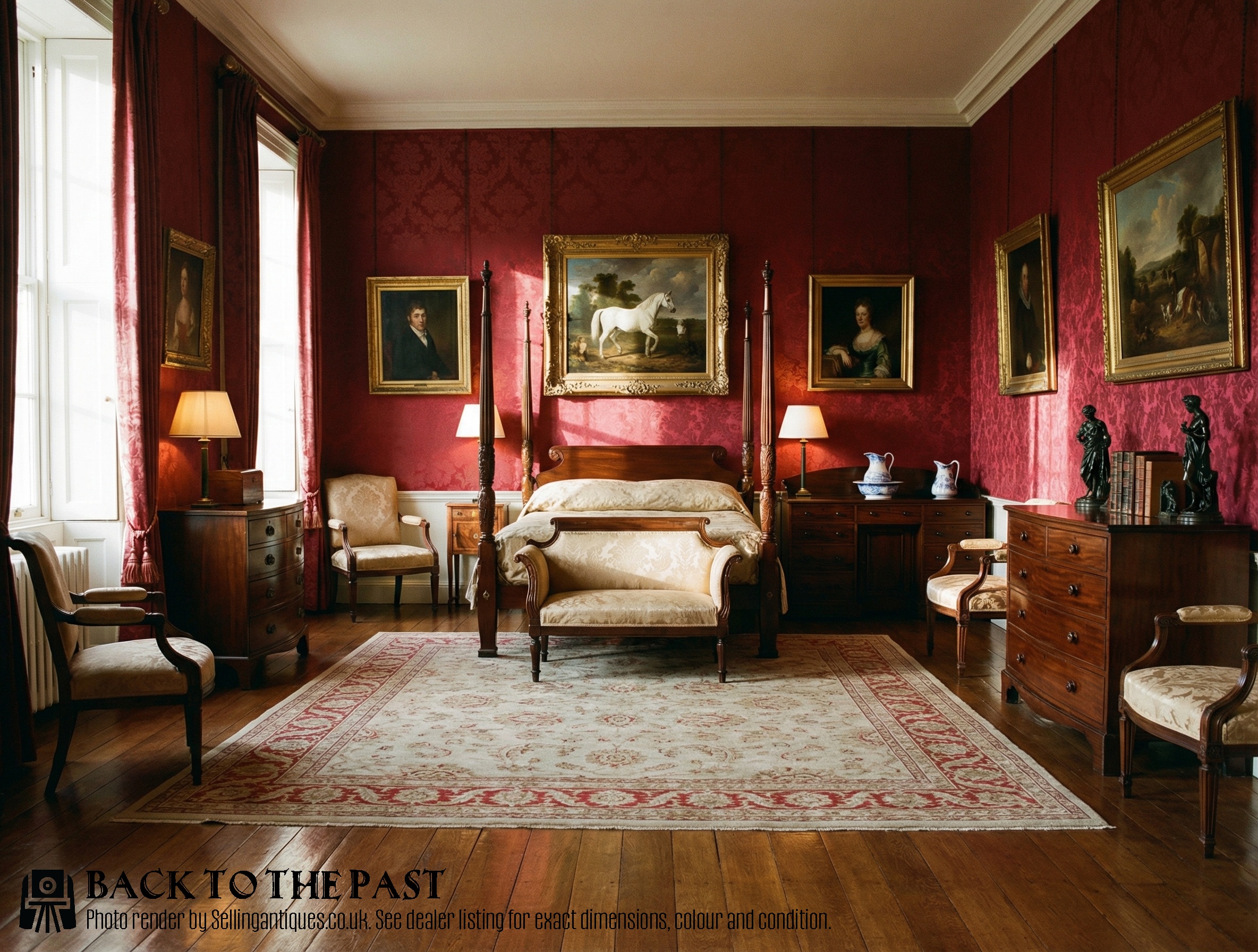
How they were made
Cabinetmakers constructed these pieces using solid timbers like mahogany, oak, and walnut, frequently applying figured veneers such as burr walnut or birdseye maple to primary surfaces. Drawer construction relied on hand-cut dovetails, while structural joins utilised traditional mortise and tenon techniques.
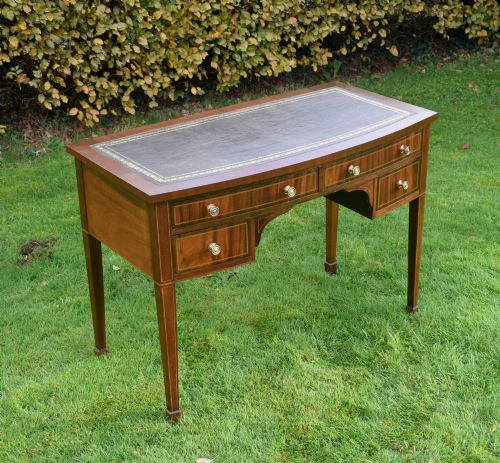
Hardware such as brass handles, drop pulls, and escutcheons secured the drawers, and specific surfaces incorporated inset tooled leather writing panels or polished glass tops.
Antique Kneehole Dressing Table Retail Price Guide 2026
Typical asking prices for kneehole dressing table among the pieces listed under this phrase on Sellingantiques today, from the lower quarter to the upper quarter. They describe what is for sale here now, not the wider market.
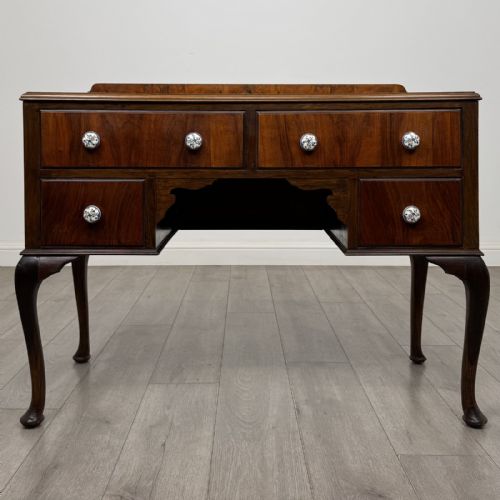
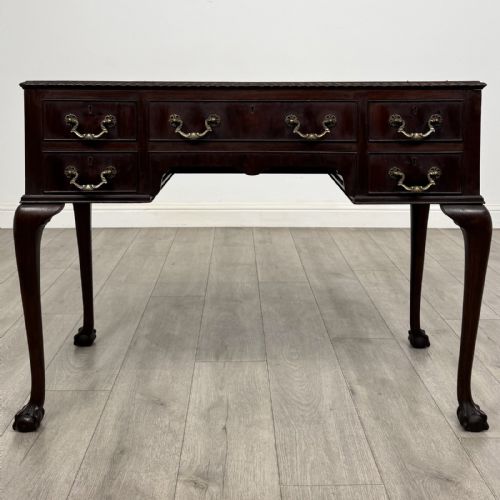
Surviving examples incorporate diverse functional forms, ranging from traditional pedestal desks and lowboys to freestanding marquetry and serpentine fronted dressing tables.
What varies in quality
Quality rests upon the selection of timber figures, where tightly patterned burr walnut or figured mahogany denotes superior workshop standards. The integrity of original brass hardware, uncompromised veneer surfaces, and precise internal drawer joinery further separate standard production pieces from finer examples.
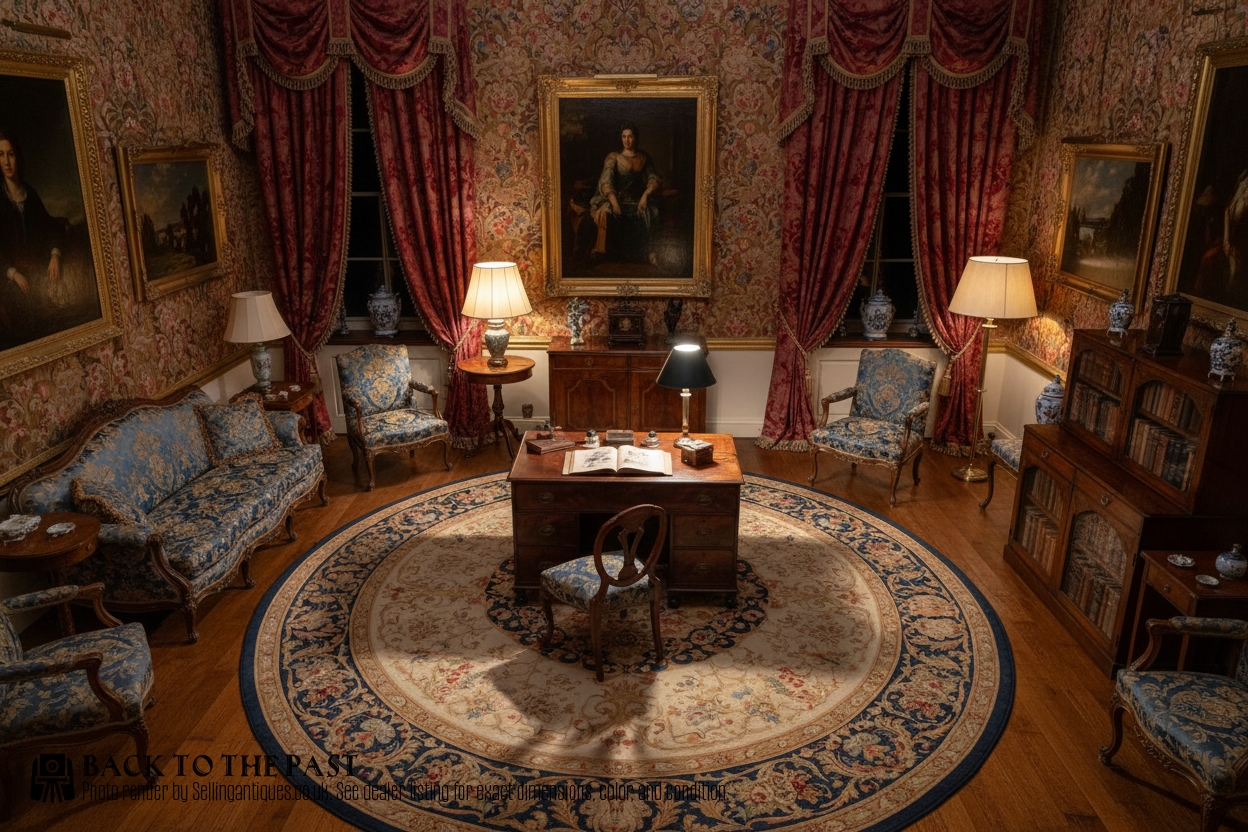
Wylie and Lochhead Glasgow
The Antique Kneehole Dressing Table Glossary
- Kneehole
- A recessed central space beneath a desk or dressing table designed to accommodate the user's legs while seated. This form maximises storage via flanking drawers without increasing the footprint.
- Dovetail
- A traditional interlocking joint utilised in drawer construction for maximum tensile strength. Hand-cut variations indicate earlier craftsmanship periods.
- Lowboy
- A small dressing or side table featuring a single or triple drawer configuration raised on relatively tall legs. These precursors share stylistic traits with the kneehole desk.
- Burr walnut
- A prized timber harvested from walnut tree growths, displaying complex, swirling grain patterns. Cabinetmakers applied this veneer to elevate the visual status of high-end furniture.
- Escutcheon
- A protective brass plate surrounding a keyhole on a drawer or cupboard door. Original brasses contribute significantly to an antique piece's authenticity.
Antique Kneehole Dressing Table: Frequently Asked Questions
How do I distinguish a kneehole desk from a dressing table?
Kneehole desks and dressing tables share identical pedestal footprints, but dressing tables frequently incorporate tilting mirrors or internal compartments specifically arranged for cosmetics and grooming implements.
Many Georgian and Edwardian examples served interchangeable functions, meaning surviving pieces often retain writing surfaces alongside vanity fittings.
Where should I place a kneehole dressing table in a modern home?
These compact pieces fit well in bedrooms as functional dressing units or in studies where floor space is limited. Their finished backs occasionally allow for freestanding placement away from walls.
Ensure placement avoids direct heat sources to protect historic wood veneers and leather writing surfaces from drying out.
How do I care for antique wood surfaces?
Maintain timber surfaces by applying quality beeswax periodically to nourish the grain and preserve the polished finish. Avoid using modern silicone-based sprays, which can degrade historic polishes over time.
Keep leather writing inserts conditioned with specialist balms to prevent cracking and maintain suppleness.
What periods do these dressing tables date from?
The inventory spans from early Georgian and eighteenth century specimens through Victorian interpretations to twentieth century Edwardian and Art Deco revivals. Earlier pieces display solid timber construction and hand-cut joinery, while later examples often showcase decorative burr veneers.
Stylistic revivals from the twentieth century frequently emulate earlier Queen Anne and Georgian aesthetics.