



Antique Kitchenalia
Antique kitchenalia encompasses practical domestic utensils and vessels spanning centuries of culinary history, prized for honest utility and tactile warmth.
Antique Kitchenalia
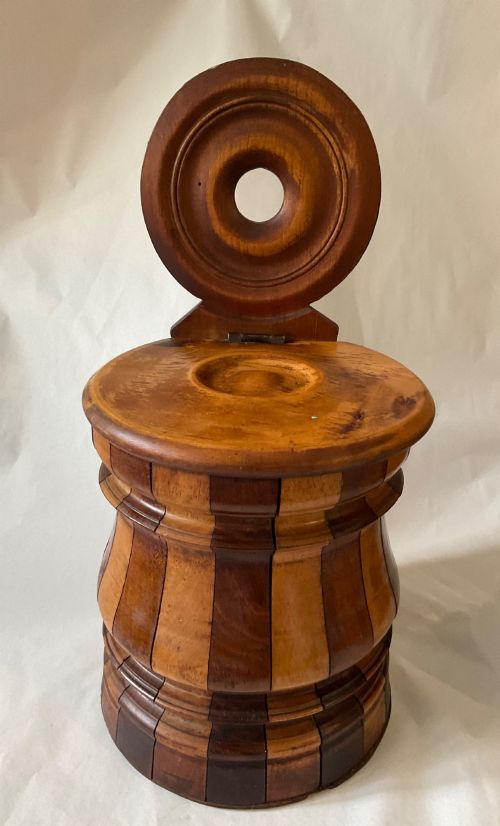
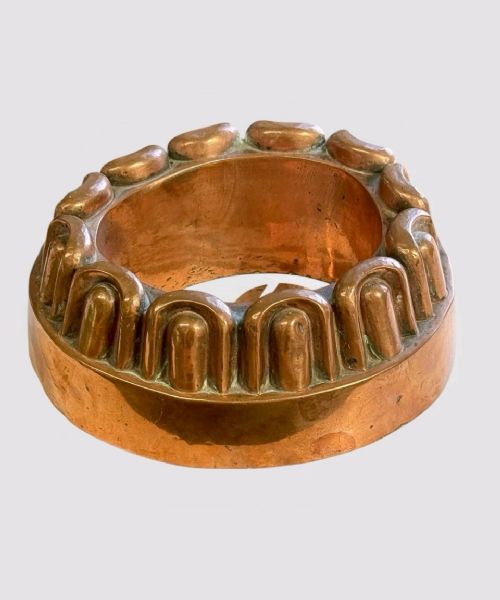
Antique kitchenalia covers everyday domestic equipment used in food preparation, cooking, and storage across British and continental households. The selection includes turned treen dairy bowls, copper jelly moulds, and oak salt boxes dating from the seventeenth century through to the Edwardian period.
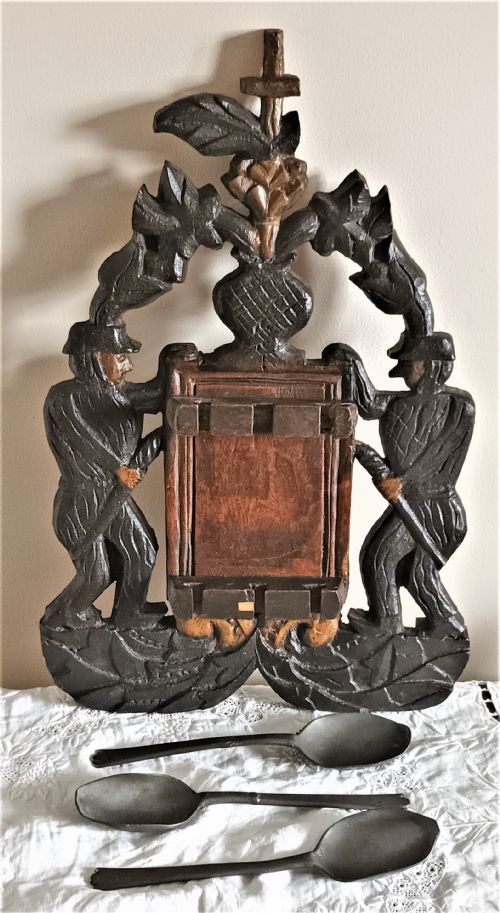
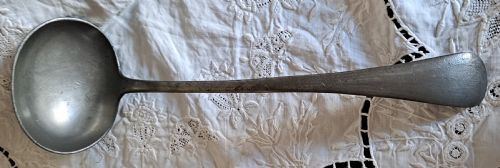
Buyers encounter utilitarian objects shaped by regional craft traditions, ranging from heavy bronze pestles and mortars to sycamore spice towers and butter prints. These survivals reflect the functional requirements of past kitchens before mass manufacture standardised domestic goods.
How they were made
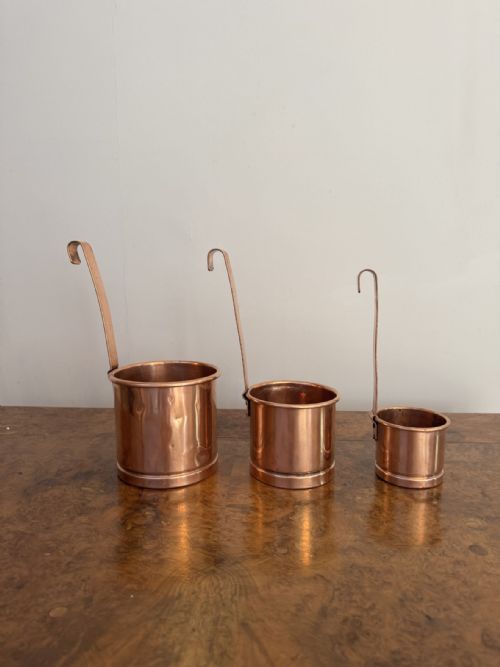
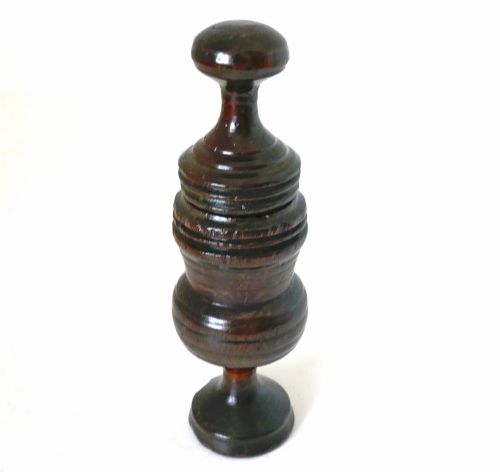
Makers shaped turned wood items like dairy bowls and lemon squeezers from domestic hardwoods such as sycamore, fruitwood, and boxwood, frequently utilising pole-lathes for shaping. Metal vessels combine hammered copper, brass, and bronze, often reinforced with hand-cut iron hardware and tin linings.
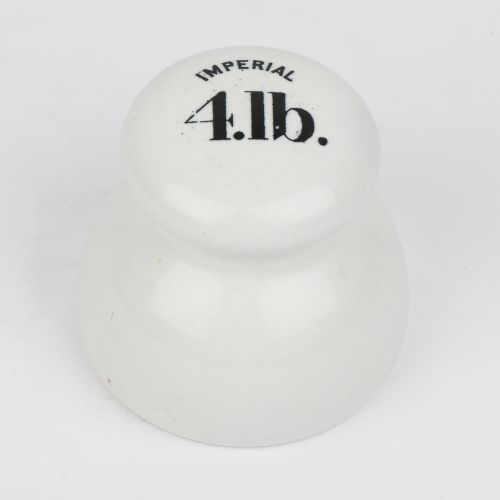
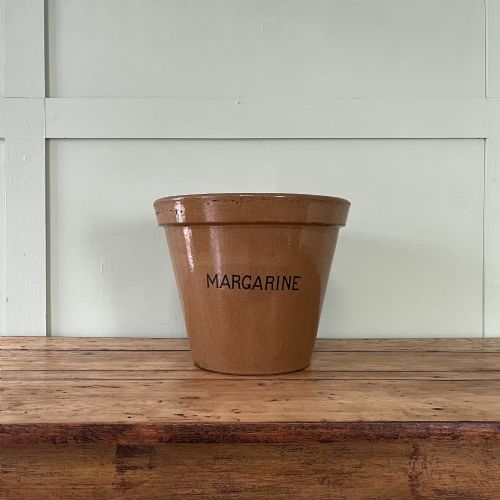
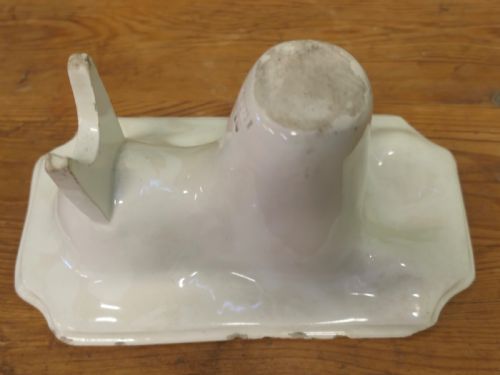
Pottery and stoneware forms, including jelly moulds and storage crocks, rely on glazed earthenware and stoneware fired in kilns, sometimes finished with hand-painted or moulded decorative motifs.
A pocket nutmeg grater ensured a gentleman could season his tavern punch wherever his travels took him.
What varies in quality
Quality rests upon the integrity of the material and the evidence of skilled hand-tooling, such as clean pole-lathe turning marks on treen or heavy-gauge riveted construction in copper cookware. Pieces retaining original surface patination, maker marks, or authentic hardware hold greater integrity than those altered or stripped of their historical finish.
Design sophistication also separates utilitarian survivors from finer display pieces, with well-proportioned forms and crisp moulded details distinguishing superior domestic artefacts.
John Yates·Dixon And Son·Plichta Pottery
The Antique Kitchenalia Glossary
- Treen
- Small handmade wooden domestic objects and utensils. This term derives from Middle English meaning of tree or wood.
- Dairy bowl
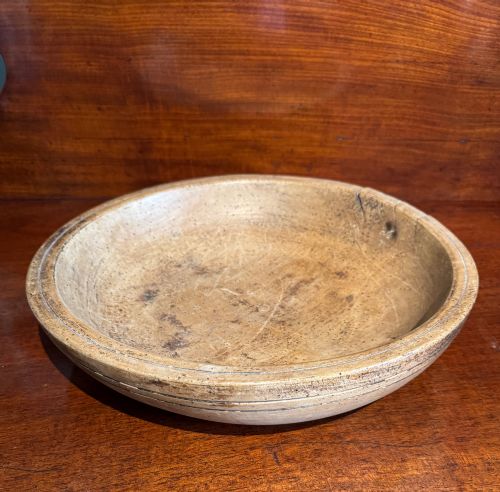
- A wide, shallow vessel fashioned for settling milk and skimming cream. These are typically turned from sycamore or other dense hardwoods.
- Pestle and mortar
- A heavy bowl and club set used for grinding spices and ingredients. Examples are found in stone, bronze, brass, and hardwood.
- Butter print
- A carved wooden stamp or mould used to impress decorative patterns onto blocks of butter. Common motifs include wheat sheaves and acorns.
- Salt box
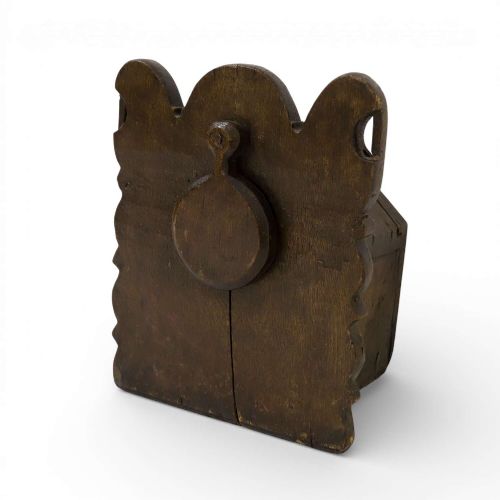
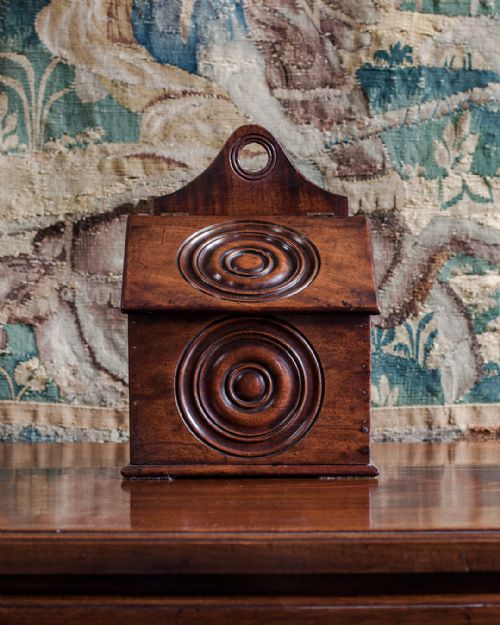
- A wall-mounted container designed to keep dry salt near the hearth. They are usually constructed from oak or pine with hinged lids.
Antique Kitchenalia: Frequently Asked Questions
How were antique copper jelly moulds used?
Chefs used these tinned copper moulds to set aspics, jellies, and puddings by placing them in cool larders or ice chambers. The conductive metal helped the contents chill evenly before being un-moulded for the dining table.
Today, collectors value these culinary vessels for their decorative warmth and sculptural forms when displayed in domestic interiors.
What is treen kitchenware?
Treen encompasses small wooden household items shaped by hand or lathe, including spice towers, nutmeg graters, and spoons. Sycamore, boxwood, and fruitwood were chosen for their density and lack of strong taste or smell.
These pieces gained patination from daily handling and scrubbing in farmhouse and manor kitchens over generations.
How do I date wooden dairy bowls?
Early dairy bowls often show the distinct concentric ridges left by pole-lathe turning and adzed exterior shaping from the seventeenth and eighteenth centuries. Later nineteenth-century examples tend toward smoother machine lathe turning and standardised dimensions.
Surface wear, shrinkage cracks, and dry scrubbed patination help indicate the age and origin of individual turned vessels.
Where were salt boxes kept?
Salt boxes hung near the fireplace or cooking range to protect hygroscopic salt from damp kitchen air. Oak, pine, and mahogany were standard materials, often featuring hinged lids and backboards with hanging holes.
Their domestic placement made them central fixtures of everyday Georgian and Victorian food preparation.