


Antique Kitchen Copper
Antique kitchen copper brings warmth and heft to a room, offering Georgian and Victorian culinary vessels built to handle daily work.
Antique Kitchen Copper
When you search for antique kitchen copper, you encounter utilitarian vessels and culinary items designed for actual cooking, boiling, and baking in domestic spaces. These pieces span the Georgian, Victorian, and Edwardian periods, crossing English and French workshops.
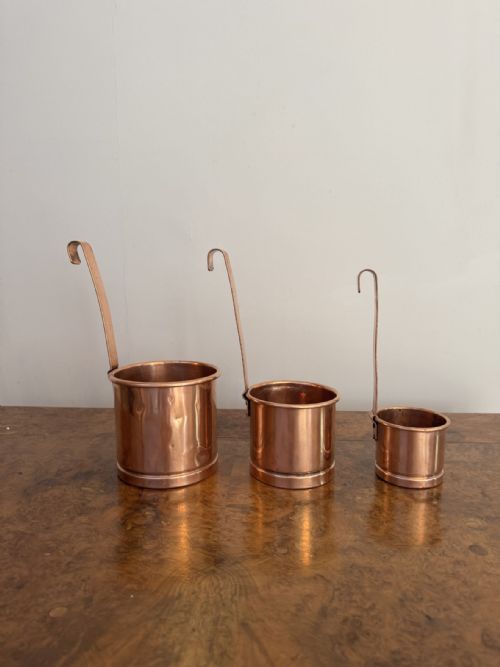
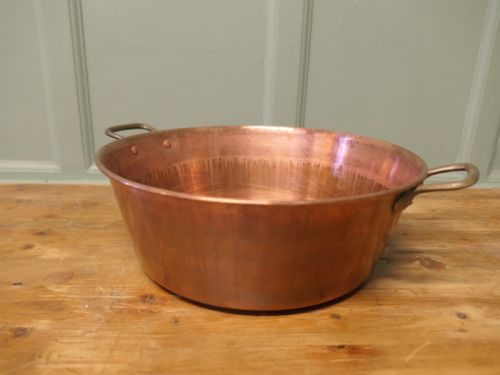
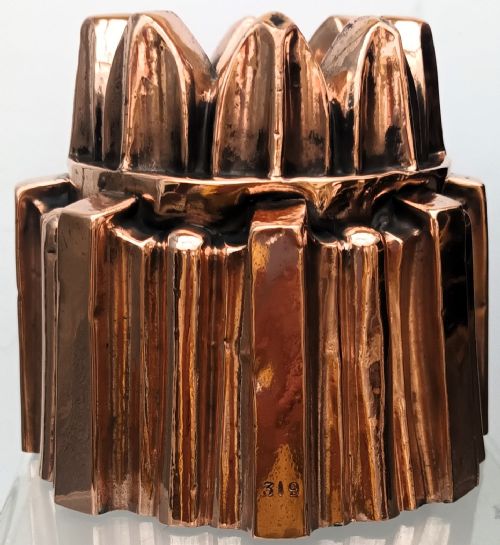
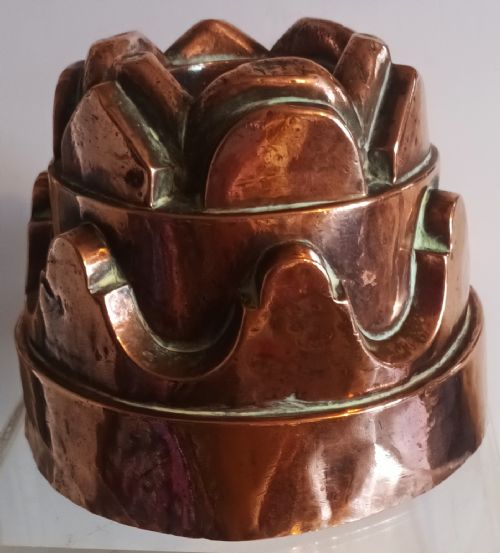
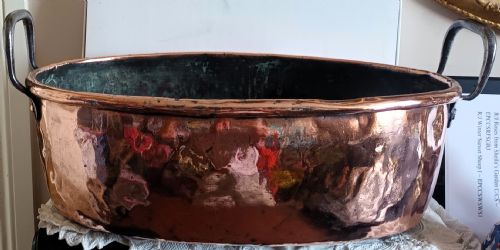
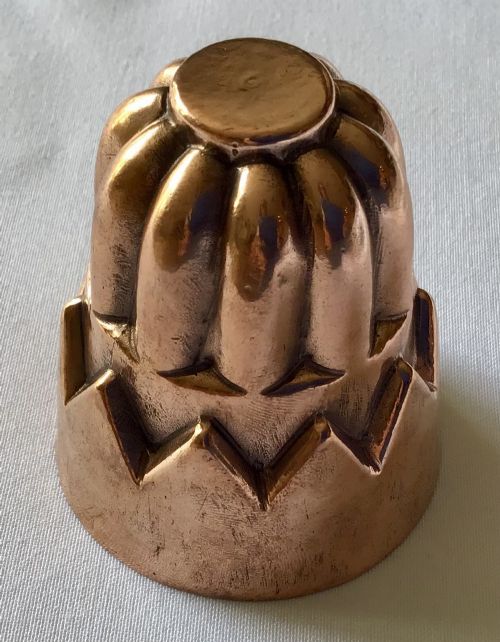
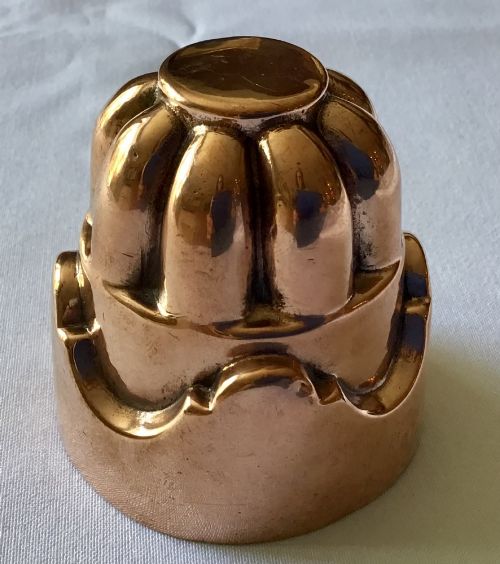
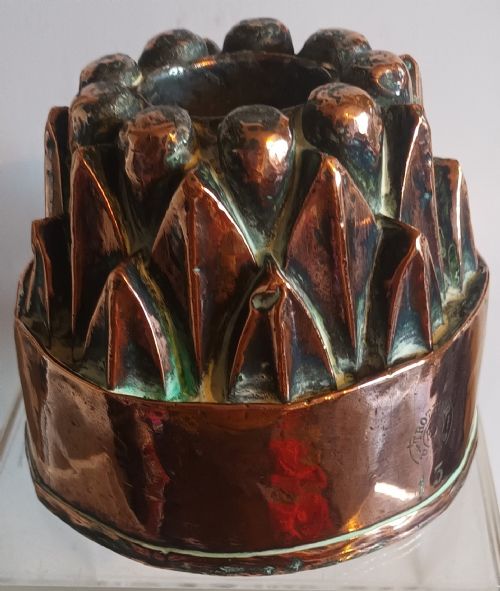
The most common forms on this page are heavy saucepans, jam pans, kettles, and kitchen moulds made to shape jellies and creams. You also find jugs, pitchers, scales combining iron and copper, and cream setting pans from the nineteenth century.
The objects shift from large hanging water urns and massive double-handled jam pans to tiny miniature jelly moulds and measures. They carry the practical forms of rustic farmhouse and traditional kitchenalia rather than delicate display pieces.
How these pieces were made
Makers formed these items primarily from heavy gauge copper sheets, often combining brass handles, iron fittings, and tin linings for safe food contact. Rivets held handles and seams secure before modern welding techniques, leaving visible signs of hand construction.
Vessels feature turned side handles of wood, cast iron handles fixed with rivets, or brass attachments hammered directly onto the copper body. Interiors typically received a protective coating of tin, while exteriors show the marks of the hand-hammering process.
Miniature jelly moulds prove that past cooks took tiny, perfectly formed jellies just as seriously as their main courses.
What separates the grades
Quality rests in the weight of the metal and the integrity of the original construction rather than surface polish alone. Thick gauge copper resists warping under heat, while lighter pieces bend more easily with age and use.
Maker marks, stamped names, and patent details stamped into the metal elevate certain kitchen vessels. Dovetailed base construction, clean riveting, and heavy brass handles demonstrate superior workshop output from makers like Hodges and Sons or Benham and Froud.
Hodges and Sons·Benham and Froud·Trottier·Liptons·Griffiths Patent
The Antique Kitchen Copper Glossary
- Jam pan
- A large open vessel with double handles designed for boiling fruit and sugar over a fire or stove.
- Kitchenalia
- Utilitarian objects and implements once used in domestic food preparation and kitchen work.
- Cream setting pan
- A wide, shallow vessel used in dairies and large kitchens to let cream rise to the surface of milk.
- Jersey can
- A traditional narrow cylindrical tall metal jug used for measuring and storing milk or cream.
- Water urn
- A large vessel featuring a tap and handles, used for storing and heating water in substantial kitchens.
Antique Kitchen Copper: Frequently Asked Questions
Are antique copper pans safe for cooking?
Most antique copper pans require a fresh tin lining before modern food use, as historical tin linings wear thin or expose the underlying copper. Many collectors display them or use them for dry storage rather than daily cooking.
Checking the interior coating determines whether a pan remains fit for culinary tasks or serves best as decorative kitchenalia.
How do I clean antique kitchen copper?
Warm soapy water and a soft cloth clean most surfaces without removing the historic patina that collectors value. Avoid harsh modern abrasives that scratch the soft metal.
Commercial copper cleaners work if you prefer a bright finish, though many prefer the darker tones accumulated over centuries of use.
How do I date an antique copper pan?
Handle attachments, dovetail seams on the base, and stamped maker marks offer clues to the manufacturing decade. Georgian pans often feature heavy hand-beaten construction and distinctive iron handles.
Victorian pieces frequently display stamped maker details, patent stamps, and more standardised forms compared to earlier handmade items.
What is a jam pan used for?
Jam pans served large households for boiling fruit, sugar, and preserves over open hearths or stoves. Their wide rims and heavy copper walls allowed even heat distribution to prevent burning.
Today these large vessels function well as umbrella stands, log holders, or display pieces in country kitchens.