

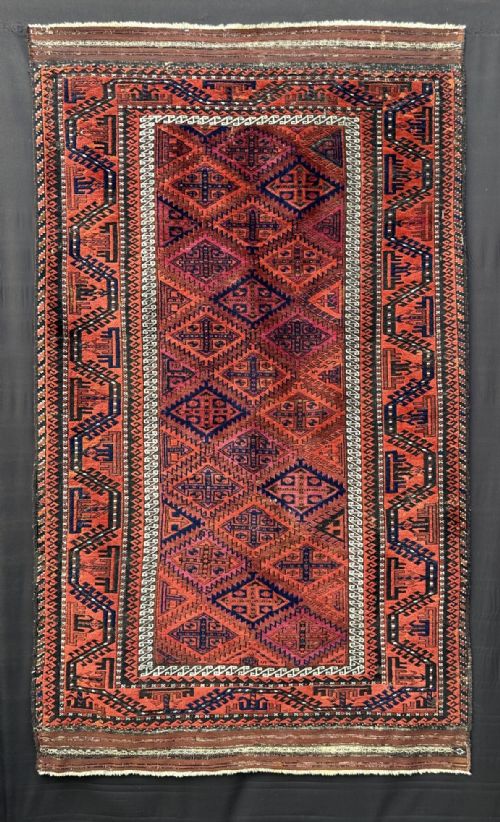

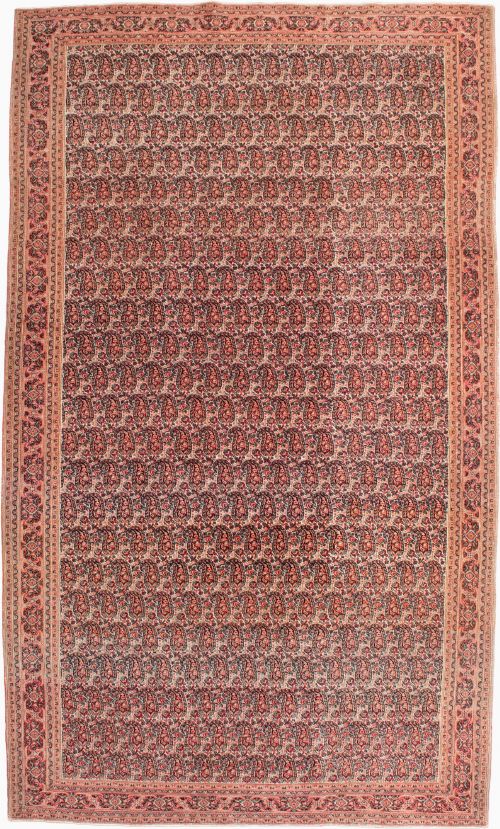


Antique Khorasan Woven Carpet
These antique khorasan woven carpet examples bring the rich nomadic traditions of Persia straight to your floor.
Antique Khorasan Woven Carpet
When you search for an antique khorasan woven carpet, you are looking at tribal and nomadic floor coverings originating from the Khorasan region of Persia. The pieces available here span from the late nineteenth century through to the early twentieth century, capturing a period of traditional village and tribal weaving.
You are most likely to encounter Persian Baluch rugs, Quchan Kurdish pieces, and specific regional designs featuring traditional motifs. These works often combine the aesthetics of multiple tribal groups working within the wider Khorasan area, resulting in distinctive patterns.
The formats range from smaller area rugs and mats to larger carpets, all categorized under rugs and carpets in the current listings. Each piece reflects the functional textile traditions of the weavers who produced them over a century ago.
How they were made
The materials recorded in these pieces are primarily wool and cotton, with select examples incorporating camel wool to provide natural variation in tone and texture. Weavers utilised these durable natural fibres to ensure the textiles could withstand daily use in nomadic and village settings.
Construction relies on traditional hand-weaving techniques passed down through generations of tribal groups, including Kurdish and Baluch makers. The structural foundations and pile employ hand-spun yarns dyed with traditional colour palettes that anchor the rustic character of each textile.
Antique Khorasan Woven Carpet Retail Price Guide 2026
Typical asking prices for khorasan woven carpet among the pieces listed under this phrase on Sellingantiques today, from the lower quarter to the upper quarter. They describe what is for sale here now, not the wider market.
Current listings feature pieces exclusively from the nineteenth and early twentieth centuries, specifically spanning the decades between 1880 and 1910.
What varies in quality
Quality in these woven carpets relates closely to the fineness of the knotting and the crispness of execution in complex patterns such as the Mina Khani variant, calyx lattice, or Salar Khani designs. Tighter construction and careful handling of the geometric or floral motifs distinguish more accomplished examples from simpler village work.
The handling of natural materials also dictates the character of the piece, where the inclusion of soft camel wool or exceptionally rustic textures alters the visual and tactile depth. Variations in the preservation of the original borders and pile integrity further separate standard utilitarian pieces from those retaining greater stylistic clarity.
The Antique Khorasan Woven Carpet Glossary
- Khorasan
- A large historical region in northeastern Persia known for producing distinctive tribal and village rugs and carpets. Weavers in this area drew upon diverse cultural influences, including Baluch and Kurdish traditions.
- Baluch
- A nomadic and semi-nomadic tribal group whose traditional weaving style frequently intersects with Khorasan production. These rugs typically feature deep indigo and brown tones alongside geometric motifs.
- Mina Khani
- A repeating floral lattice design often found in Persian carpets and regional Baluch weaving. It arranges stylized blossoms connected by curved vines across the field.
- Calyx lattice
- A structured repeating pattern utilising flower calyx motifs connected within a geometric grid framework. This design creates a balanced, symmetrical layout across the carpet field.
- Camel wool
- Un-dyed natural fleece utilised in tribal weaving for its warm golden-brown hue and durable qualities. Its inclusion often adds a rustic texture and subtle tonal variation to the pile.
Antique Khorasan Woven Carpet: Frequently Asked Questions
How do I identify a Khorasan Baluch rug?
Look for traditional tribal motifs combined with the characteristic deep wool palette associated with the northeastern region of Persia. These rugs often display geometric patterns and specific design variants such as the Mina Khani layout.
Examination of the materials, including wool and occasional camel wool foundation elements, helps confirm the regional origins. Comparing the knotting structure against known nineteenth-century and early twentieth-century examples provides further clarity.
Are these carpets suitable for everyday floor use?
These woven textiles were originally constructed for practical daily life by nomadic and village communities in Persia. Their durable wool and cotton construction allows them to endure regular foot traffic when placed in appropriate settings.
Using a quality underlay helps protect the historical pile from unnecessary wear and prevents slipping on hard floors. Gentle placement away from direct, continuous strong sunlight preserves the natural dyes.
What is a Salar Khani design?
Salar Khani refers to a specific tribal pattern tradition often associated with Baluch and Kurdish weavers in the Khorasan region. The design typically incorporates distinct geometric elements and repeating motifs unique to these maker groups.
Recognising this pattern helps collectors distinguish regional variations within the broader category of antique Persian tribal weaving. It highlights the specific aesthetic preferences of the weavers who created the piece.
How do I care for an antique wool carpet?
Maintain the textile through regular, gentle vacuuming without a beater bar to remove surface dust without straining the old foundation. Professional cleaning by specialists in antique oriental rugs is recommended when deeper maintenance is required.
Avoid excessive moisture and harsh chemical treatments that can damage natural wool and traditional dye materials. Rotating the carpet periodically ensures even exposure and wear over time.