

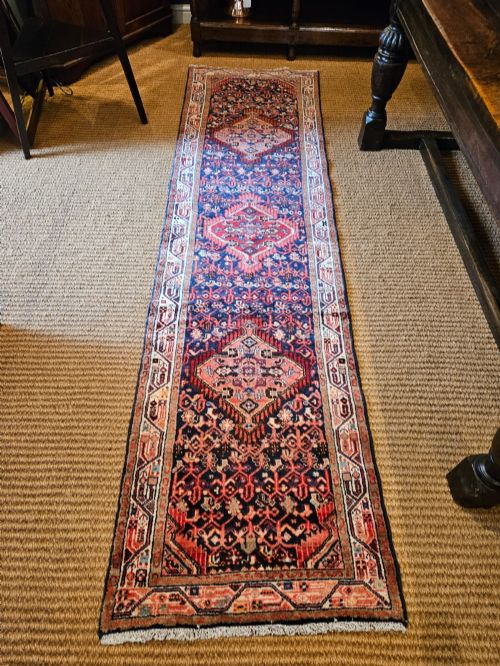
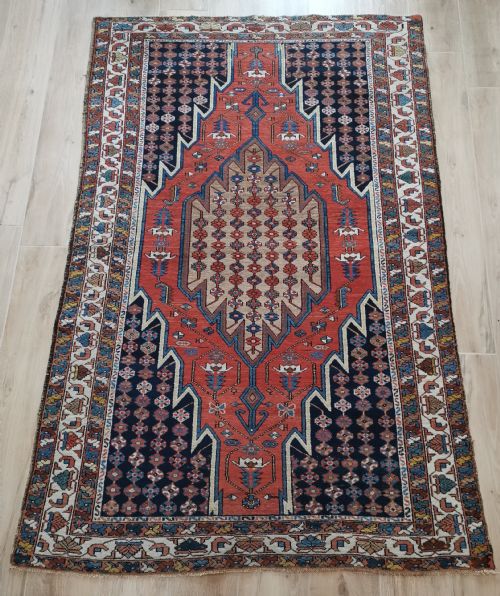
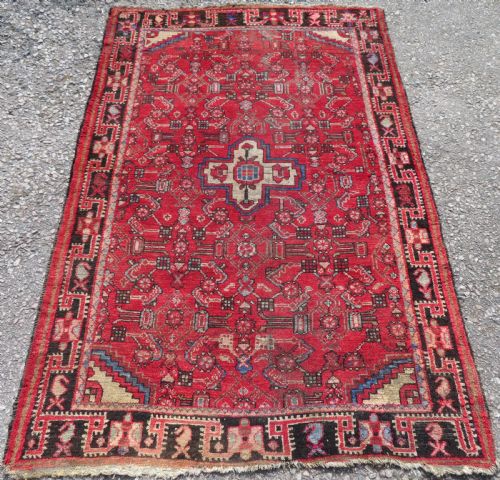
Handwoven Tribal Runner
A handwoven tribal runner brings distinct regional character to a long floor space through traditional weaving methods and regional motifs.
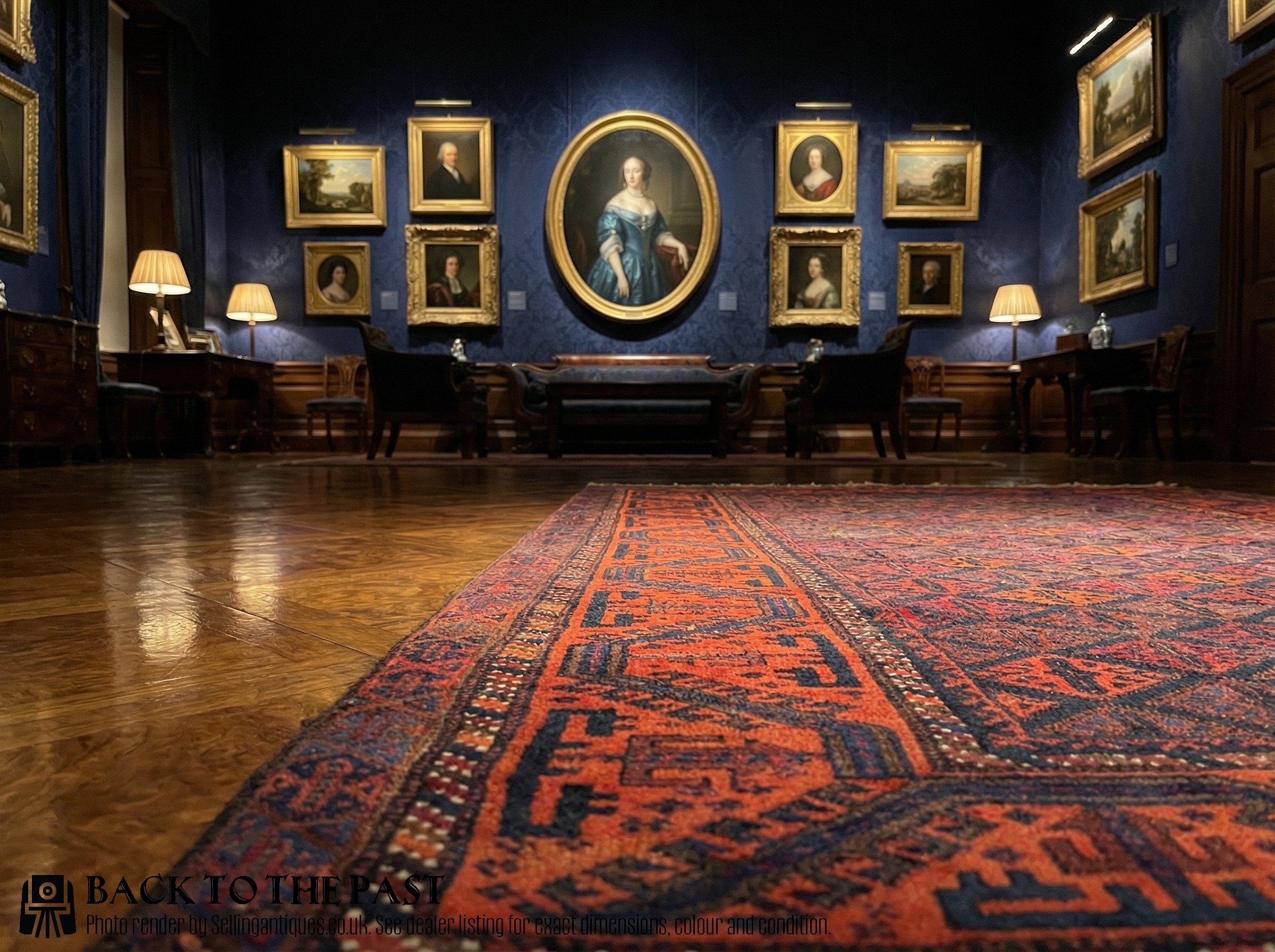
Handwoven Tribal Runner
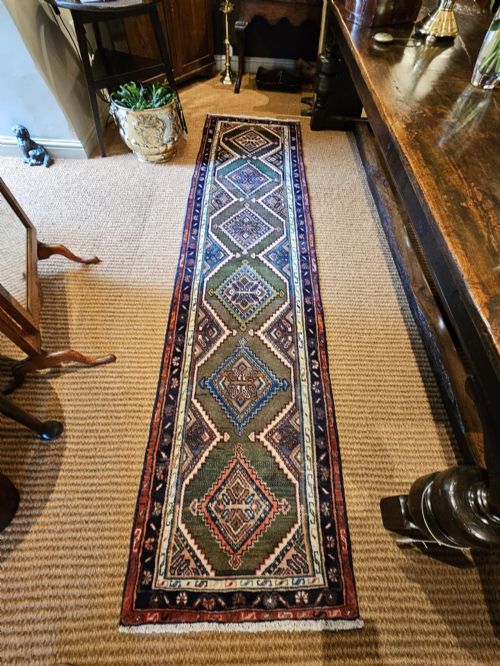
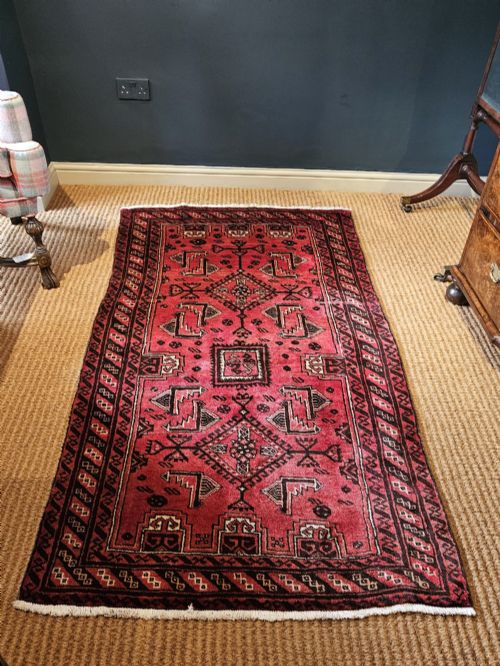
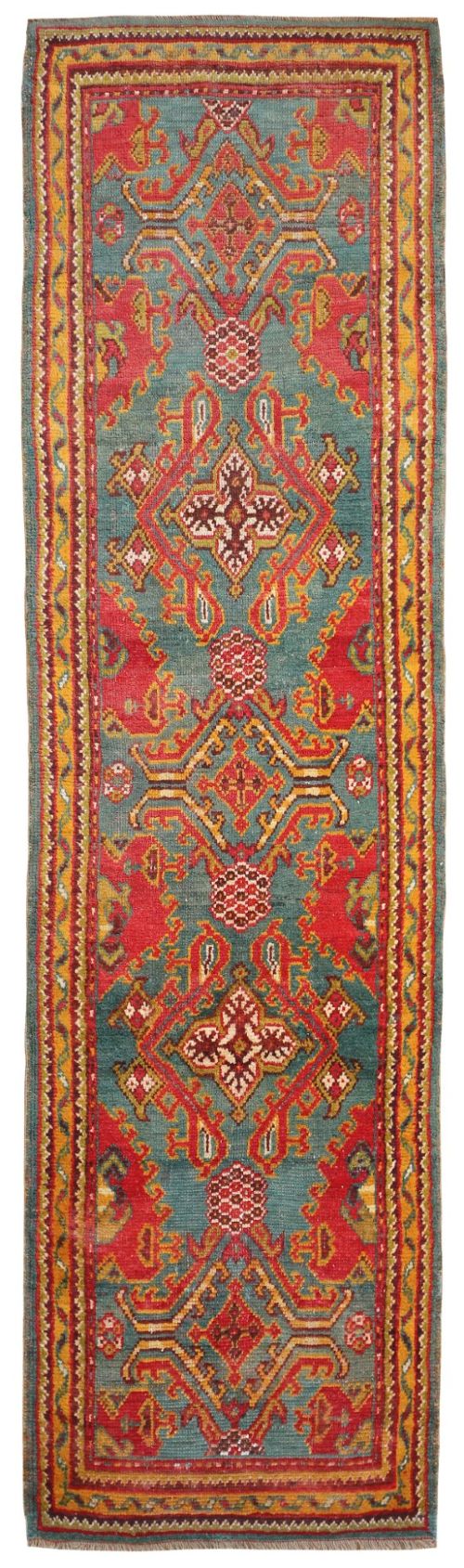
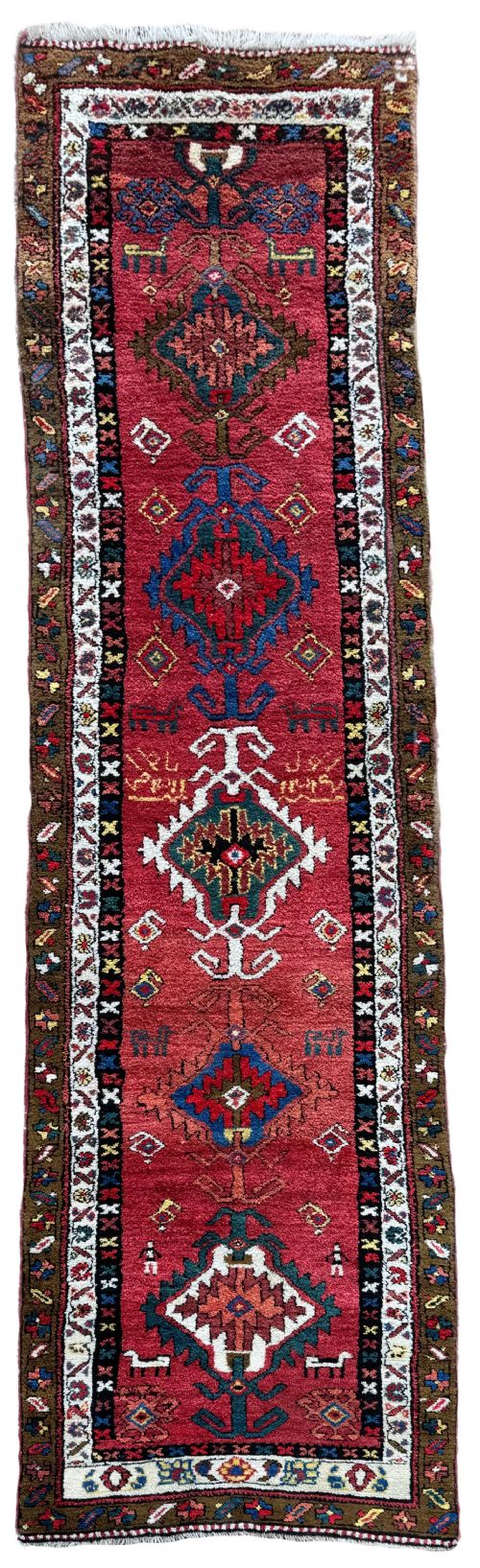
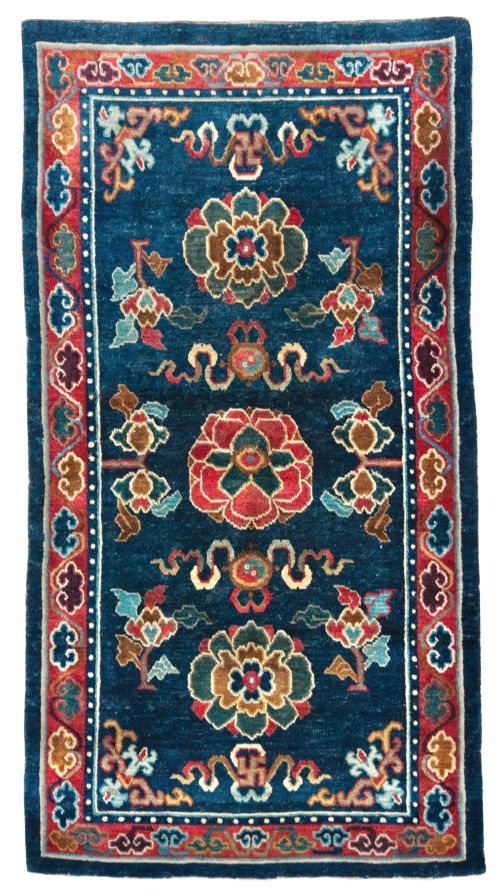
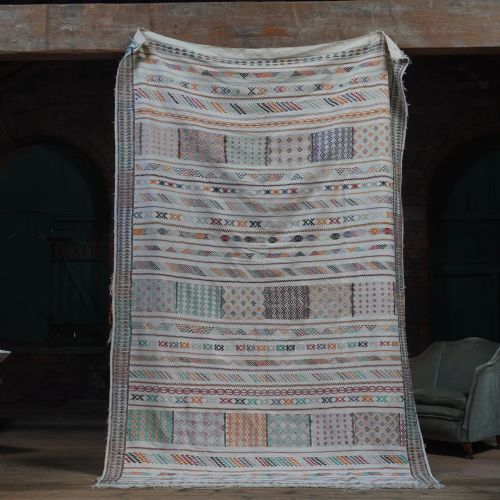
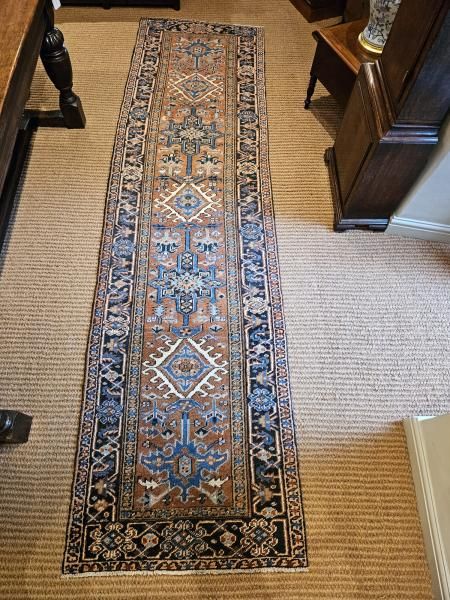
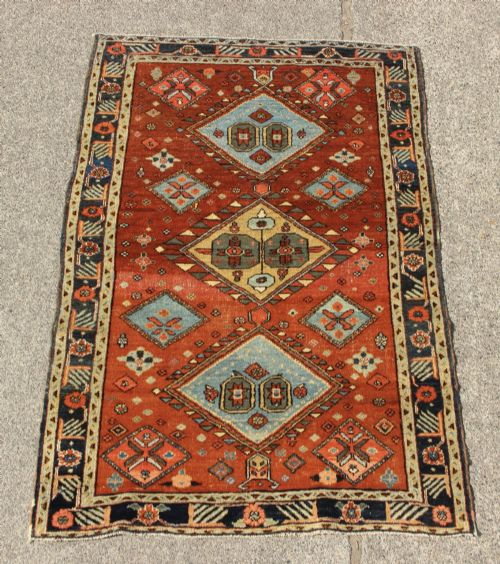
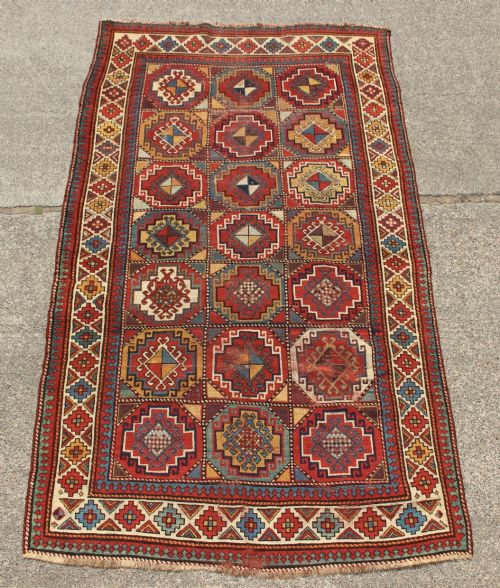
A handwoven tribal runner is an elongated textile produced by nomadic or village weavers, designed to fit corridors and narrow rooms. When searching this phrase, buyers encounter examples originating from Persian, Caucasian, Anatolian, and Tibetan weaving traditions.
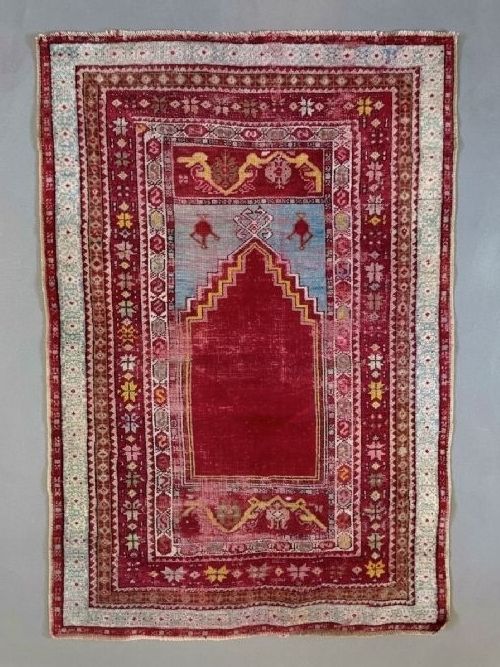
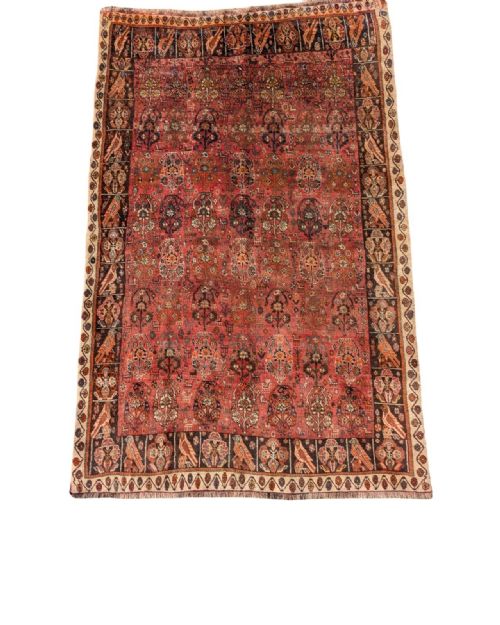
The pieces listed here span periods from the nineteenth century through the early twentieth century, showing regional styles such as Heriz, Kazak, Hamadan, and Kurdish. These textiles served practical floor-covering purposes within tribal dwellings and village homes.
How they were made
Makers utilised wool, hand-spun wool, and cotton as primary foundation and pile materials, incorporating natural dyes to achieve deep colour palettes. Certain regional pieces also employ cactus silk or sabra fibre.
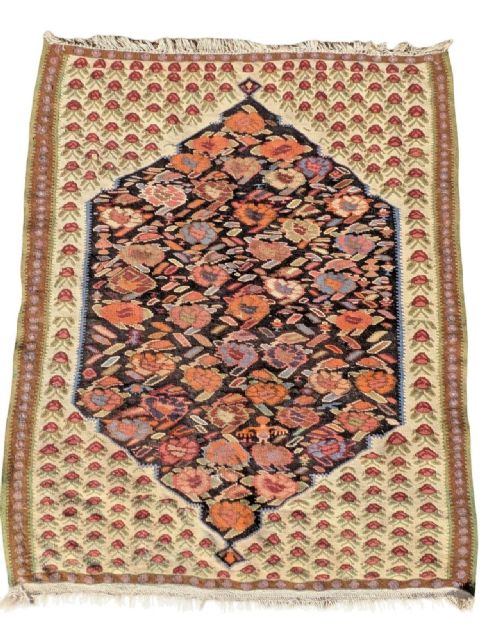
Weavers constructed these runners using traditional knotting and flat-weaving techniques on vertical or horizontal looms. The resulting structures range from dense knotted pile carpets to flat-woven kilims and meditation rugs.
Listings span from the nineteenth century to the nineteen-forties, featuring wool, cotton, and natural dyes.
What varies in quality
Quality depends upon the tightness of the weave and the consistency of the hand-spun wool used in the construction. Tighter knots and finer materials generally indicate greater durability and precision in the execution of traditional geometric or floral motifs.
The purity and depth of the natural dyes separate standard village pieces from finer tribal work. Age and regional provenance also influence the character of each textile, with well-preserved nineteenth-century examples showing distinct patination.
The Handwoven Tribal Runner Glossary
- Kilim
- A flat-woven carpet or rug made without a pile. These textiles are produced by tightly interweaving warp and weft strands.
- Runner
- A long, narrow rectangular rug designed specifically for hallways, corridors, or bedside placement. These formats emphasise linear geometric or medallion designs.
- Pile
- The vertical or slanted loops of yarn that form the soft surface of a knotted rug. Pile height varies depending on the regional weaving tradition.
- Warp
- The stationary vertical strings stretched across a loom that form the structural foundation of the textile. Wefts are woven horizontally through these threads.
- Natural Dyes
- Colourants derived from plant, insect, or mineral sources prior to the widespread adoption of synthetic alternatives. These dyes often develop soft patinas over time.
Handwoven Tribal Runner: Frequently Asked Questions
Where were these runners made?
These runners originate from tribal and village regions across Persia, the Caucasus, Anatolia, and Tibet. Local weaving communities passed specific patterns and techniques down through generations.
Specific towns and tribal groups, such as Heriz, Kazak, and Hamadan, developed distinct colour combinations and geometric vocabularies that identify their geographic roots.
How do I care for an antique wool runner?
Vacuum the runner gently without using a rotating brush roll to protect the wool fibres and edges. Professional cleaning suited for antique textiles maintains the integrity of natural dyes.
Rotate the runner periodically to ensure even wear from foot traffic and sunlight exposure in hallways or living spaces.
What is the difference between a kilim and a pile rug?
A kilim is woven flat without any raised pile, resulting in a lighter and thinner textile with visible pattern on both sides. These function well as decorative floor coverings or wall hangings.
Pile rugs feature knotted yarn ends sheared to create a dense, plush surface that provides greater cushion underfoot.
How can I tell the age of a tribal runner?
Age is indicated by the use of natural dyes, hand-spun wool characteristics, and traditional regional weaving structures typical of nineteenth and early twentieth-century production. Wear patterns and natural fibre softening also reflect decades of history.
Stylistic elements and structural quirks often align specific pieces with periods such as the eighteen-nineties or nineteen-twenties.