
Antique Japanese Wood Carving
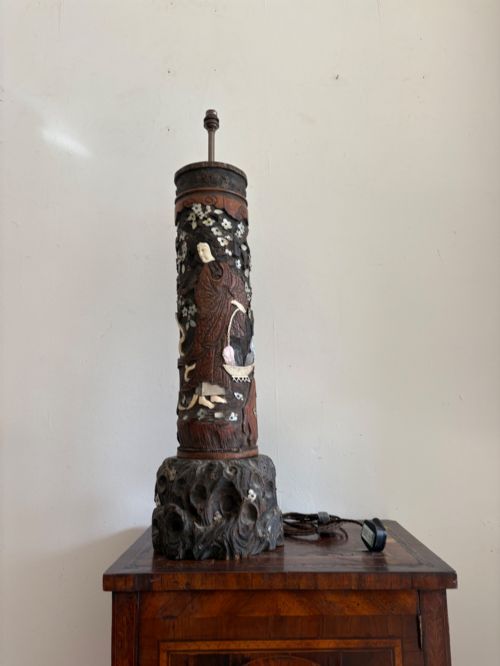
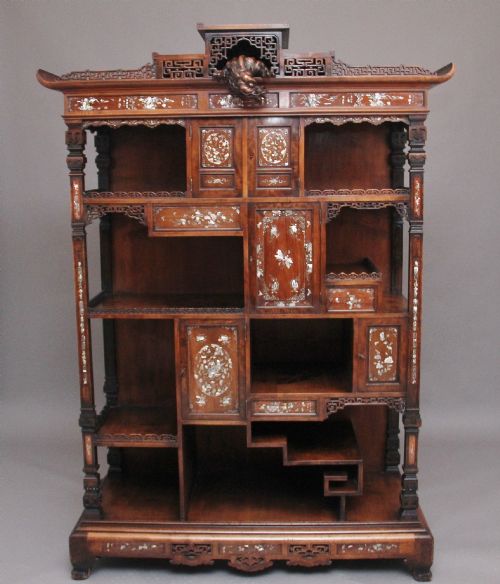
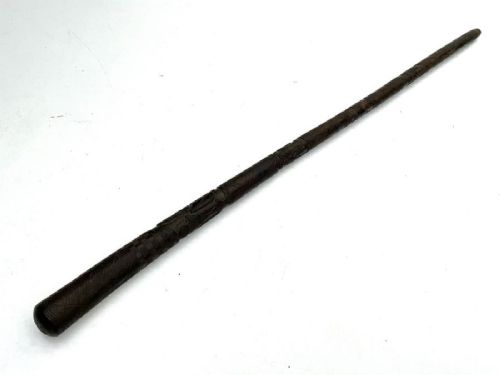
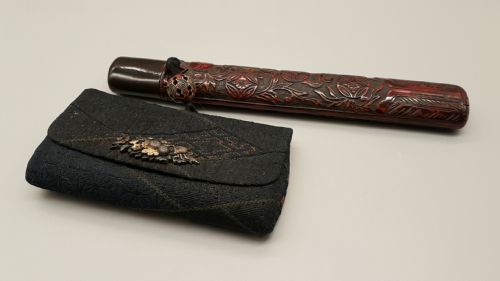
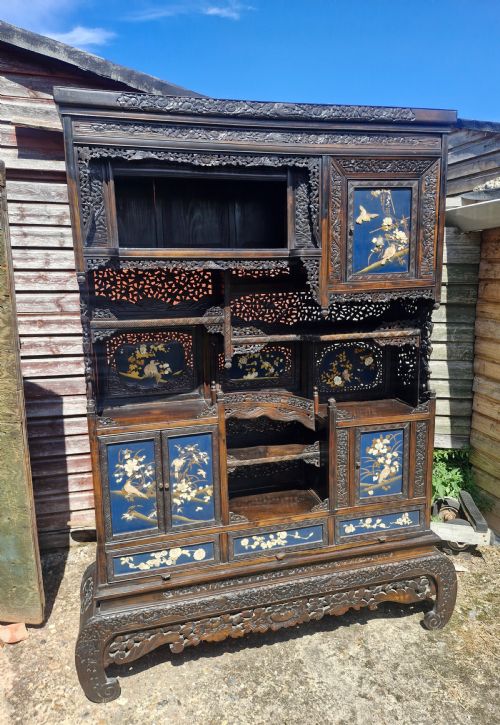
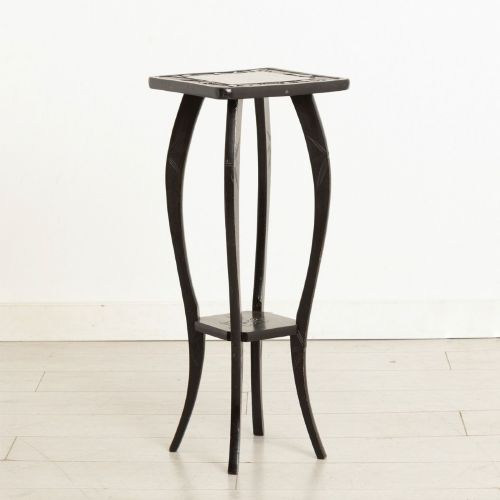
These antique Japanese wood carving pieces bring character and craft to any room, offering the intricate detail of Meiji and Edo artisans.
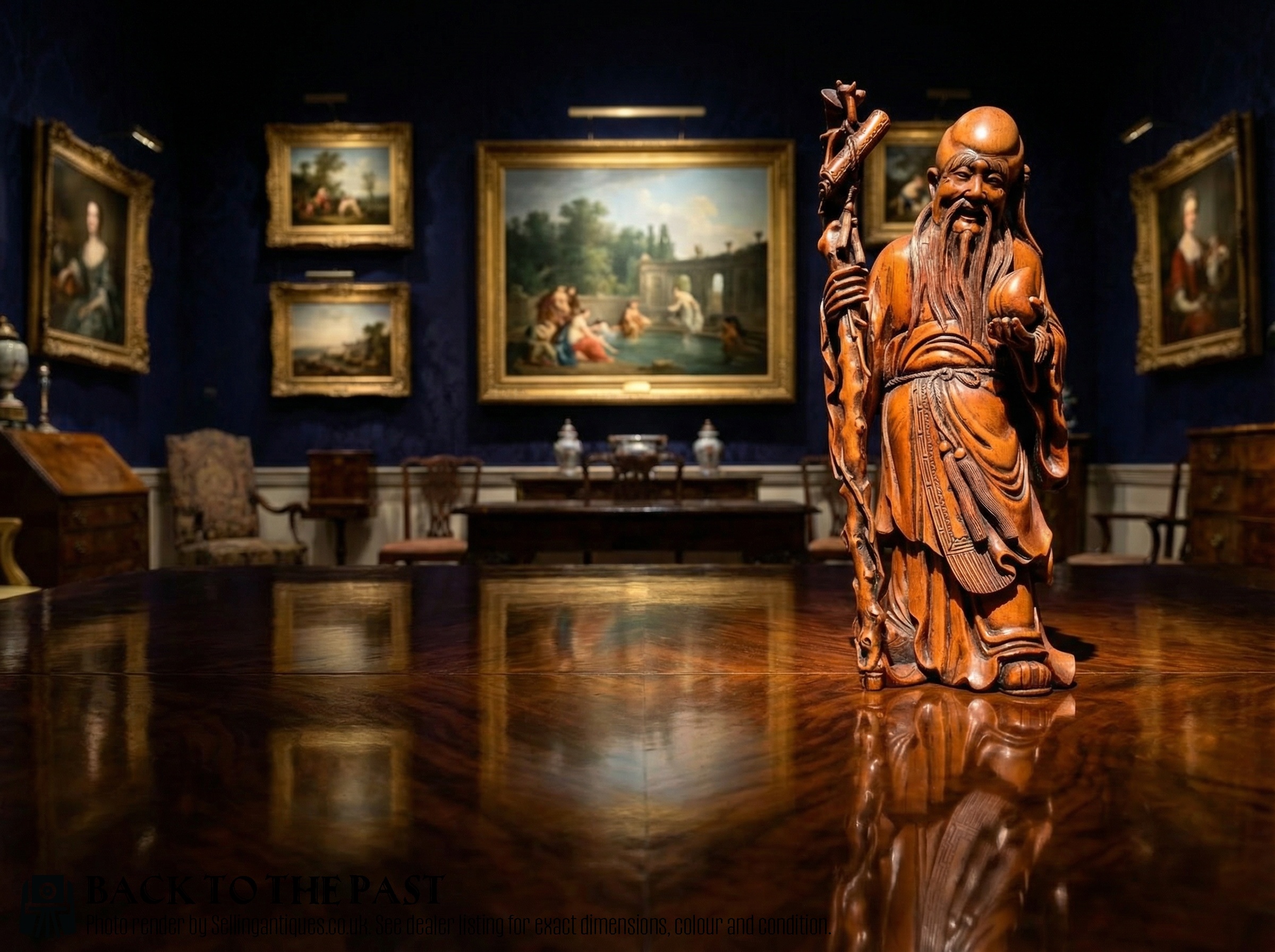
What antique Japanese wood carving pieces are
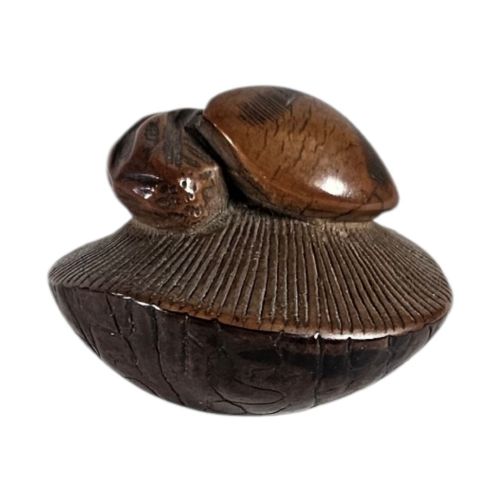
An antique Japanese wood carving captures centuries of sculptural tradition, spanning figural sculptures, statuettes, figurines, netsuke, and treen. Buyers seeking this phrase encounter works ranging from diminutive boxwood okimono to large linden wood figures and temple statues.
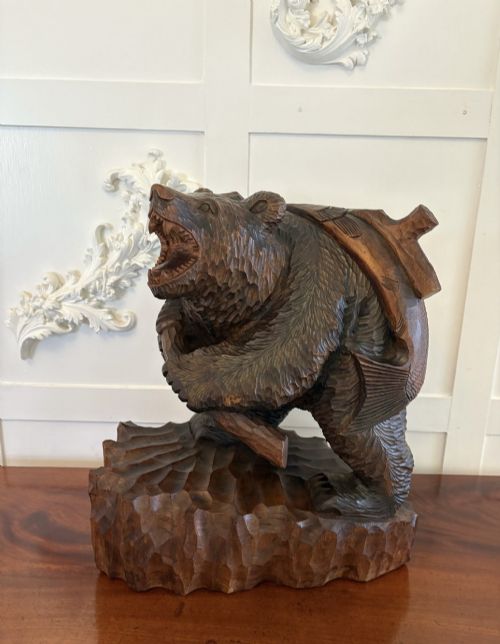
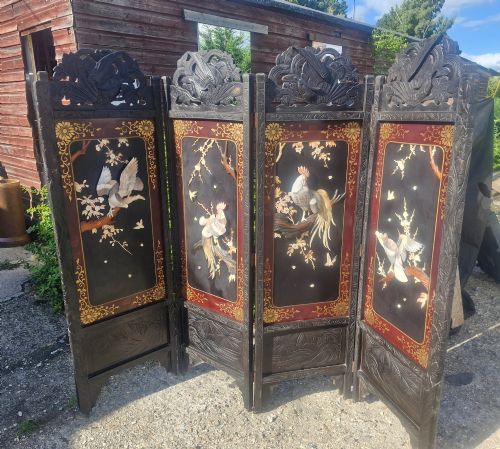
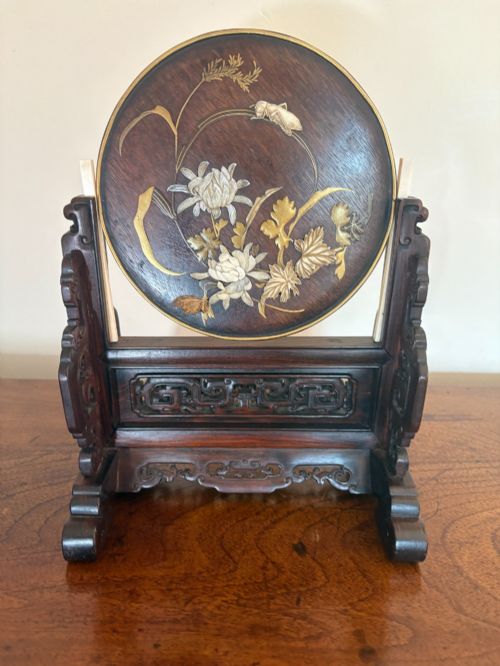
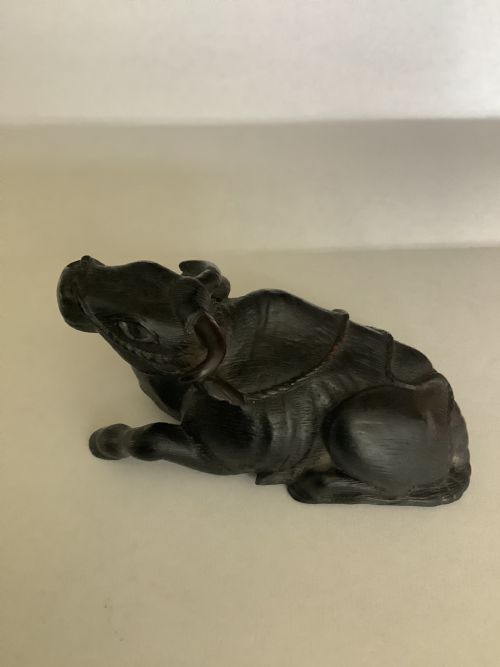
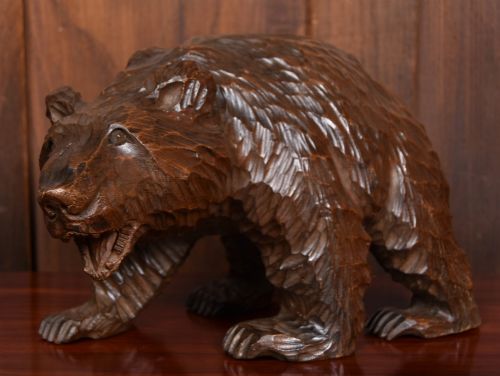
The selections on this page concentrate heavily on the nineteenth century and the year nineteen hundred, encompassing both the Edo and Meiji periods alongside Japanese folk art styles. Forms include deities such as Ebisu and Fukurokuju, animal subjects like bears and lions, and human figures like geisha.
The most common formats met here are miniature netsuke and substantial okimono or sculptures, demonstrating the breadth of scale achieved by carvers. Each piece reflects distinct regional aesthetics and traditional subject matter drawn from folklore, religion, and daily life.
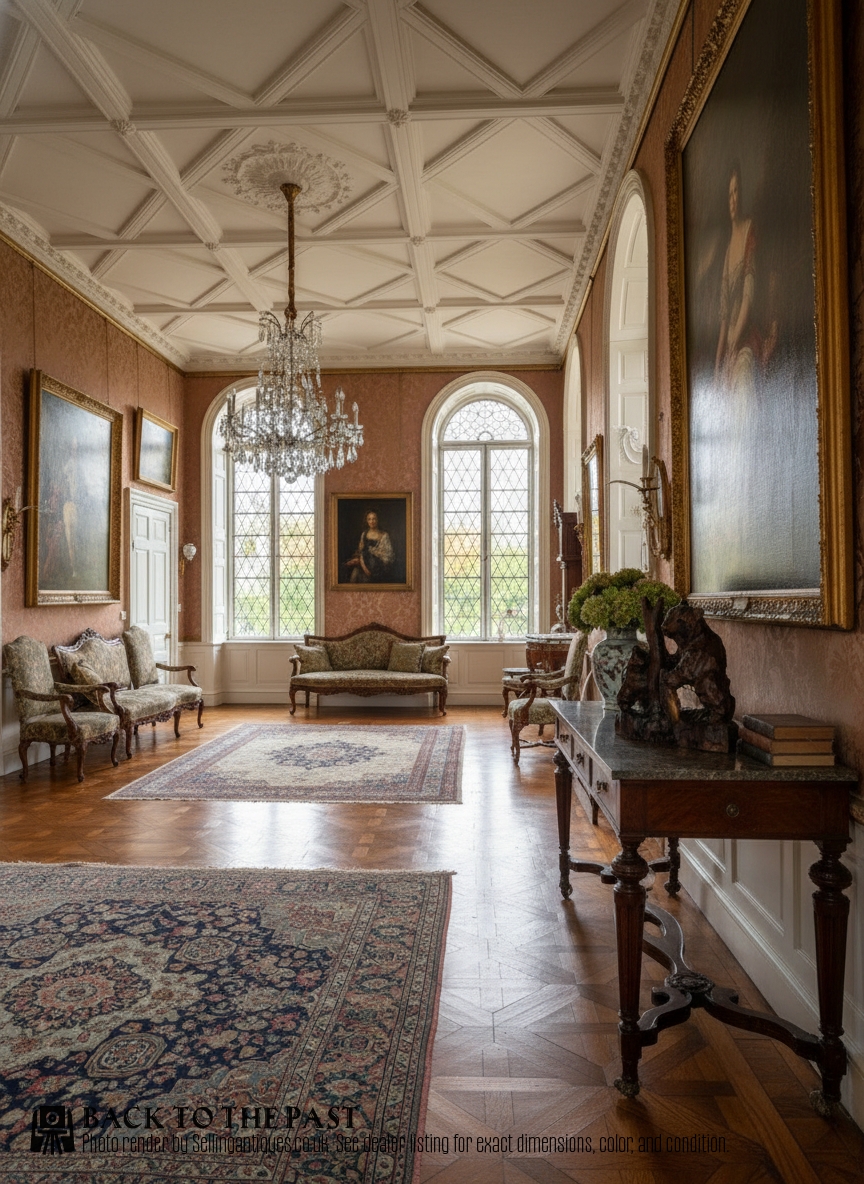
How they were made
Maker workshops utilised traditional timbers including boxwood, linden wood, and general hardwood, often applying stain, lacquer, gilt wood, or gold leaf to enhance surfaces. Sculptural methods include the distinctive nata-tsukuri style, which employs hatchet marks for a textured, faceted finish.
Carvers combined deep relief work with minute incising, particularly on smaller netsuke and okimono where facial expressions and garments demand high precision. Gilding and lacquer added layers of refinement to Buddhist figures and ceremonial objects.
Retail Price Guide 2026
Typical UK retail prices for japanese wood carving, calculated from the Sellingantiques database of over a million retail prices indexed since 2003. This retail price guide relies exclusively on Sellingantiques data; no external sources or auction records are used, so the figures do not describe the wider market.
Listings feature boxwood, linden wood, and gilt wood across nineteenth century Edo and Meiji periods.
What varies in quality
Quality in these carvings rests upon the vitality of the subject and the sensitivity of the tool work, separating hurried production pieces from master-carved examples. Finer works display an acute understanding of anatomy and movement, whether rendering the fur of a bear or the drapery of a robe.
The choice of material and the preservation of original surface treatments, such as gold leaf and stain, dictate the visual depth of the object. Signed pieces often demonstrate superior refinement in proportion and detail compared to unsigned counterparts.
Tomochika
The Antique Japanese Wood Carving Glossary
- Netsuke
- A small carved toggle fastened to the end of a cord, traditionally used to secure personal containers hung from kimono sashes.
- Okimono
- A standalone Japanese decorative figurine or sculpture designed for display on a shelf or in a tokonoma alcove.
- Meiji Period
- The era in Japanese history spanning from eighteen sixty-eight to nineteen twelve, known for opening international trade and heightened artistic export.
- Edo Period
- The period lasting from sixteen hundred and three to eighteen sixty-eight, governed by the Tokugawa shogunate and noted for distinct regional craft traditions.
- Treen
- Small handmade wooden household objects and decorative items prized for their tactile qualities and functional origins.
Frequently Asked Questions
What is a netsuke used for?
A netsuke served as a practical toggle for fastening small containers, such as medicine boxes or pouches, to traditional Japanese kimono sashes.
Carved with a small channel or holes for cord passage, these miniature sculptures combined utility with intricate artistry.
How do I tell Edo from Meiji pieces?
Edo period carvings often reflect traditional spiritual and folkloric subjects with restraint, while Meiji period works frequently show heightened realism and elaborate detail influenced by international exhibitions.
Material choices and signature styles also help separate the two eras, though overlap in traditional workshops remains common.
How should I display wood carvings?
Keep wooden sculptures away from direct sunlight and steady heat sources to prevent the timber from drying out and splitting.
Place them on stable surfaces where their fine details and surface finishes can be examined closely from multiple angles.
What are okimono figures?
Okimono translates to placing object, referring to decorative sculptures made for interior display rather than functional use.
These figures often depict deities, historical figures, animals, or scenes from everyday Japanese life.